
C.S. Lewis

Mere Christianity
How can people recognize a moral law they repeatedly break, and what follows from that recognition? This concise account traces Lewis’s argument from shared moral experience through guilt, Christ’s rescue, Christian habits, and the transformation of human identity, showing how doctrine and daily moral practice belong to one connected question.
7 chapters

The Four Loves
The Four Loves examines Affection, Friendship, Eros, and divine Charity, asking how human attachments can express goodness without becoming ultimate authorities. Lewis distinguishes need, gift, and appreciative attention, then traces how love can enlarge life, distort into control or idolatry, and be reordered through humility, fidelity, and grace. These distinctions clarify where to honor loyalty and where to resist its claims.
7 chapters
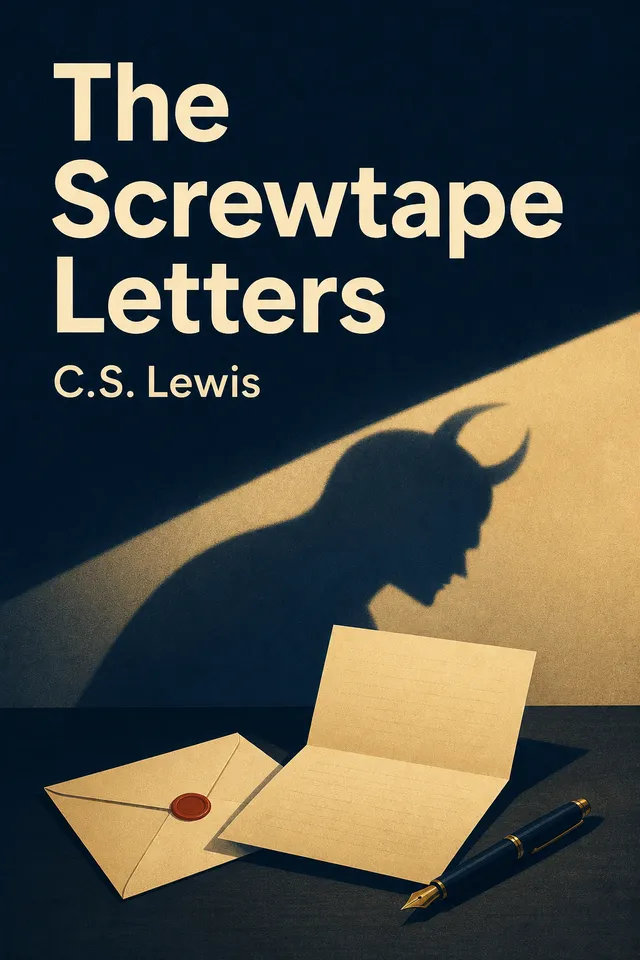
The Screwtape Letters
Through an ironic correspondence from an unreliable infernal perspective, the book asks how temptation turns attention, habits, pleasure, social belonging, and faith against themselves. It maps the counterforces—reality, humility, repentance, charity, prayer, and steady obedience—that restore moral agency in ordinary life.
8 chapters