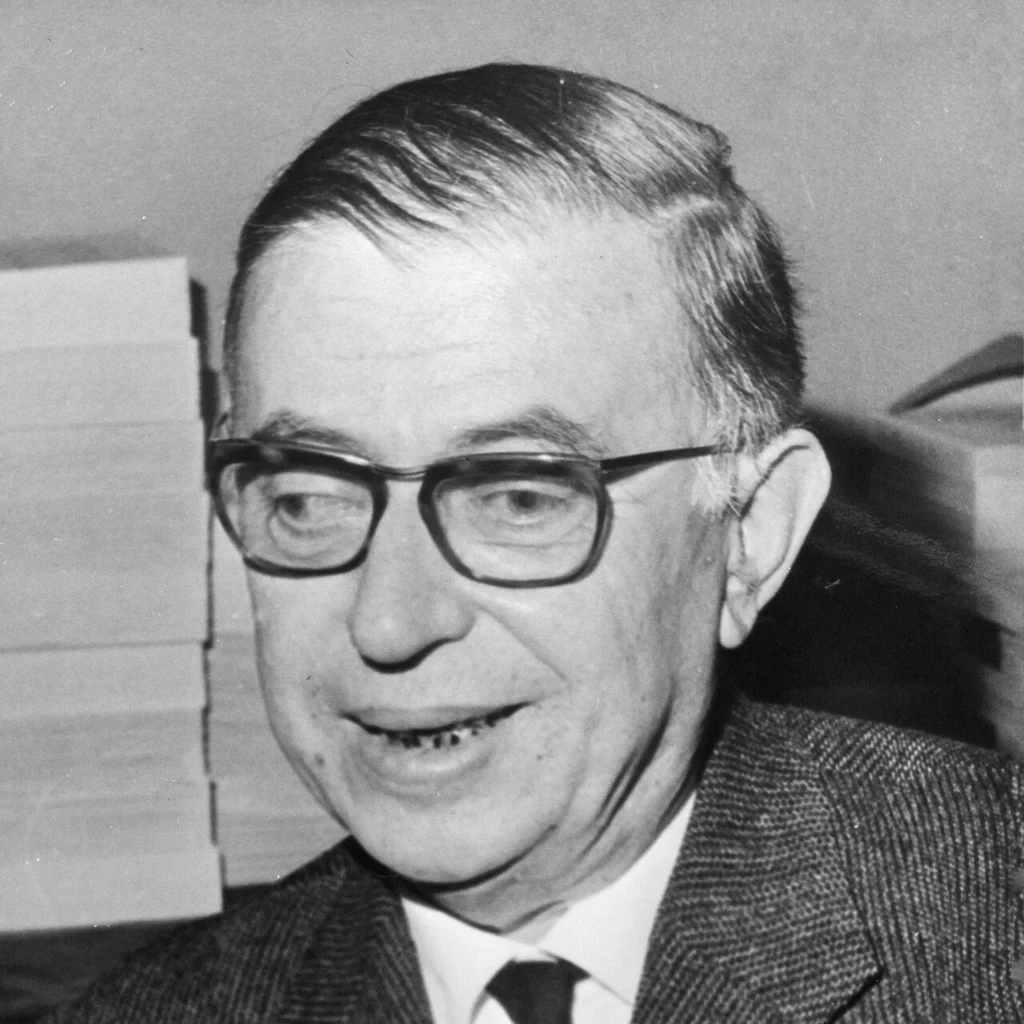
Jean-Paul Sartre
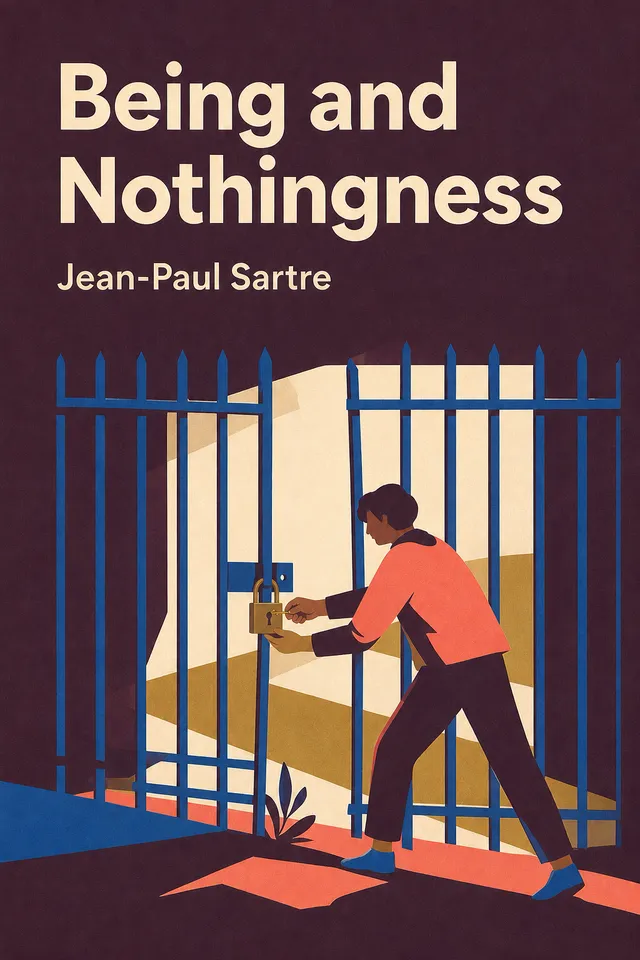
Being and Nothingness
Jean-Paul Sartre’s Being and Nothingness asks how consciousness can be free while embodied, situated, temporal, and exposed to other people. It distinguishes being-in-itself from the for-itself, then follows nothingness through bad faith, desire, action, responsibility, possession, and the unfinished problem of ethics.
10 chapters
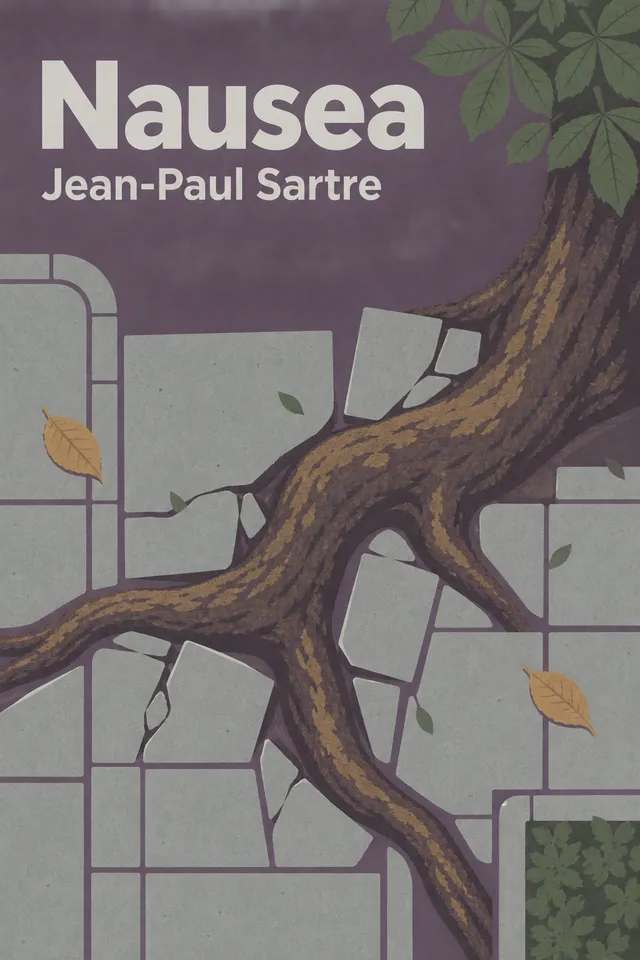
Nausea
Jean-Paul Sartre’s Nausea follows Roquentin as familiar objects, memories, social ideals, and love lose their power to make existence feel secure. It asks whether life can be given meaning through history, relationships, or art, and offers a searching account of contingency, freedom, and the limits of ready-made purpose.
9 chapters