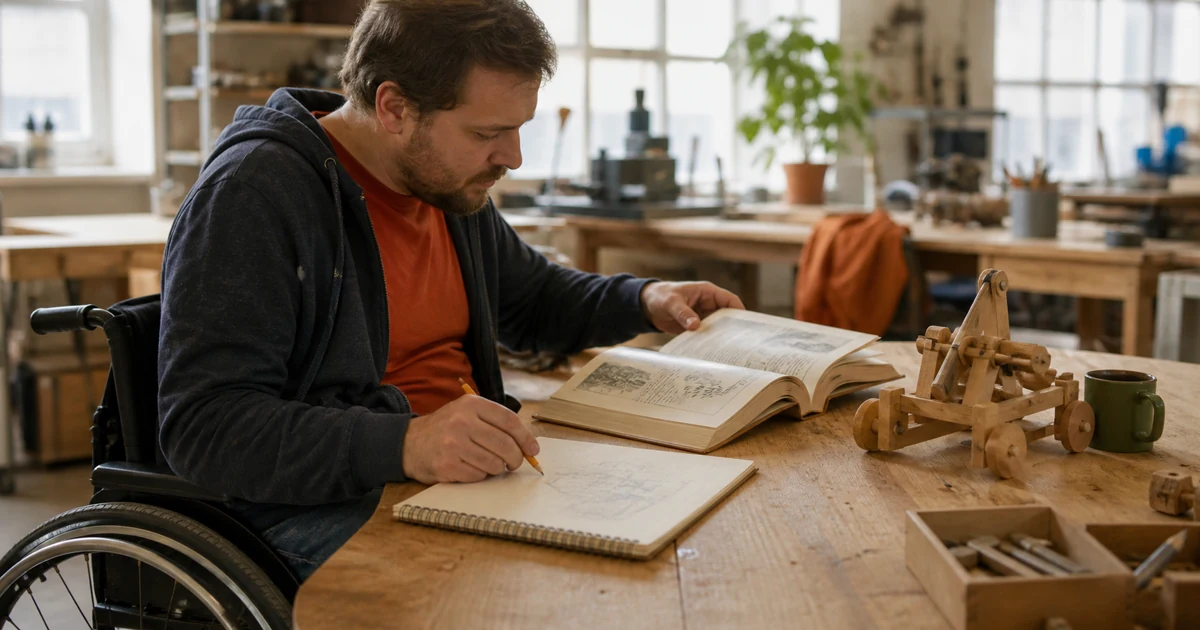

Who has the power to make the proposed change?
A parent, a teacher, a learner, and a government do not control the same conditions. Education books often move between these levels without announcing the shift. Read this selection with a simple question beside you: who would have to act for the author’s proposal to work?
Five levels of the education question
These are accounts and arguments to examine, not interchangeable instructions for every child. The selection deliberately includes observation, advocacy, comparative reporting, learning research, and a contested account of digital childhood.
Begin with close observation
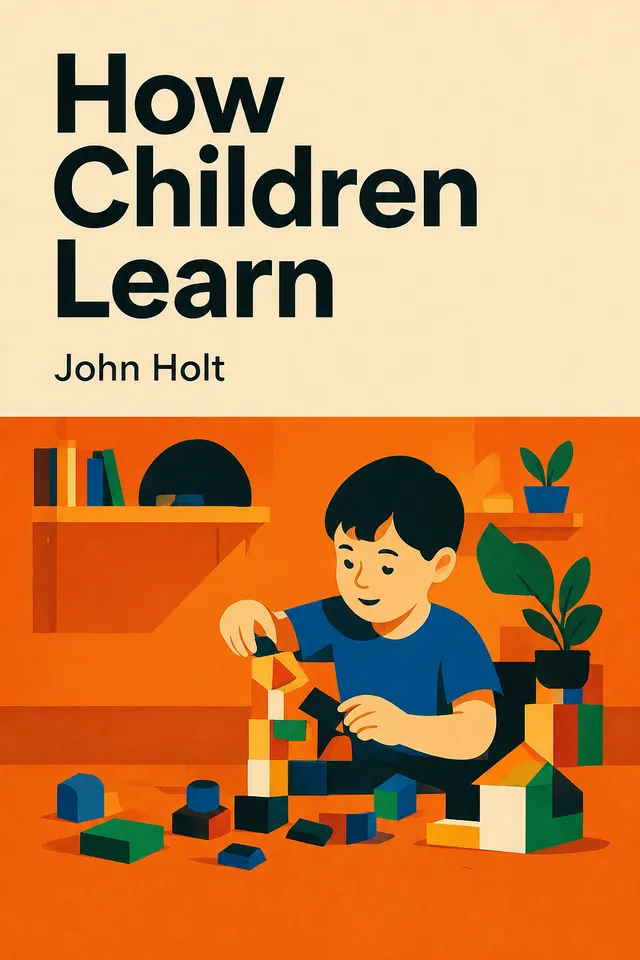
How Children Learn · John Holt
John Holt watches how children explore and make sense of the world, using ordinary encounters to challenge adult assumptions about learning. The appeal lies in attending to a learner’s activity before imposing an explanation of what ought to be happening.
- Read it for
- A close observational perspective on children’s curiosity and learning.
- Keep in mind
- Observations from particular settings do not settle every question about curriculum or instruction.
Examine the case for autonomy
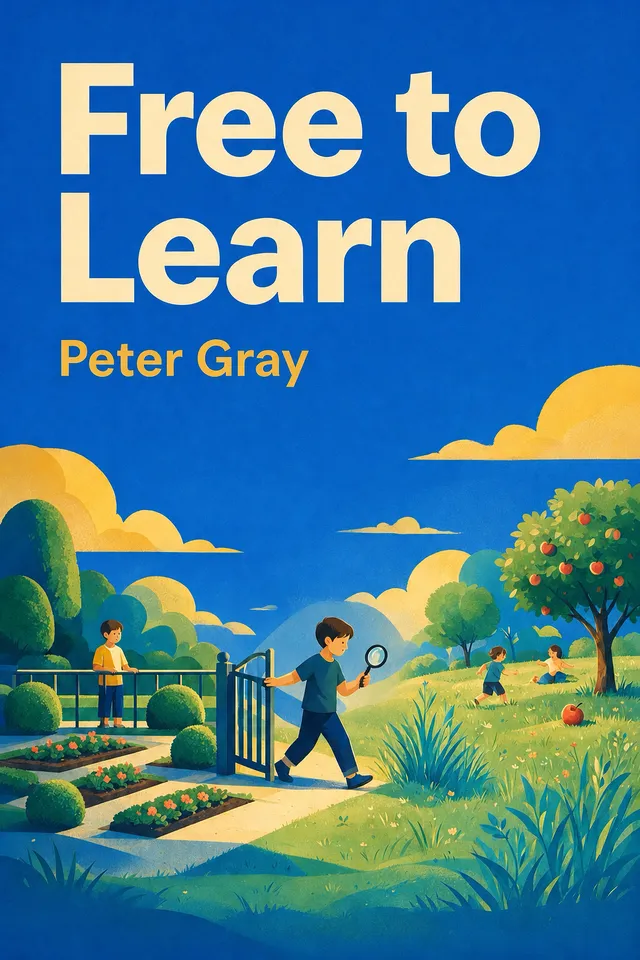
Free to Learn · Peter Gray
Peter Gray argues for play and self-directed learning, drawing on developmental and educational examples. Ask both what the proposed environment permits and what support makes that freedom workable. Autonomy is not the same as the absence of conditions.
- Read it for
- A developed argument for play and self-directed education.
- Keep in mind
- The book advocates an approach; its examples should not be generalized to every child or setting.

Look beyond a single classroom
The Smartest Kids in the World · Amanda Ripley
Amanda Ripley follows students across school systems to investigate expectations, teaching, and educational culture. The reporting helps a reader see institutions that classroom advice can leave outside the picture. Compare contexts before borrowing a policy.
- Read it for
- The relationship between students’ experiences and national education systems.
- Keep in mind
- Selected countries and student stories cannot represent all learners or establish simple policy causation.
Ask what remains after the lesson
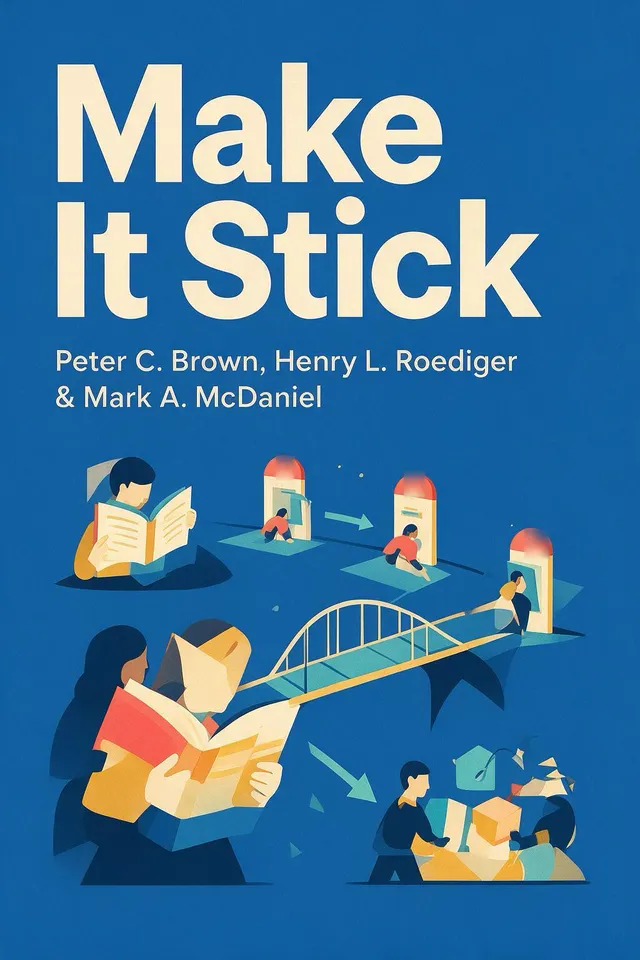
Make It Stick · Peter C. Brown, Henry L. Roediger & Mark A. McDaniel
Peter C. Brown, Henry L. Roediger III, and Mark A. McDaniel examine learning practices such as retrieval and spacing. The useful reading question is how an activity’s immediate ease differs from later retention. Follow the evidence and its conditions rather than collecting study slogans.
- Read it for
- An explanation of learning research through practical examples.
- Keep in mind
- Methods require adaptation to the subject and learner; this guide does not prescribe a program for a child.
Keep the causal claim visible
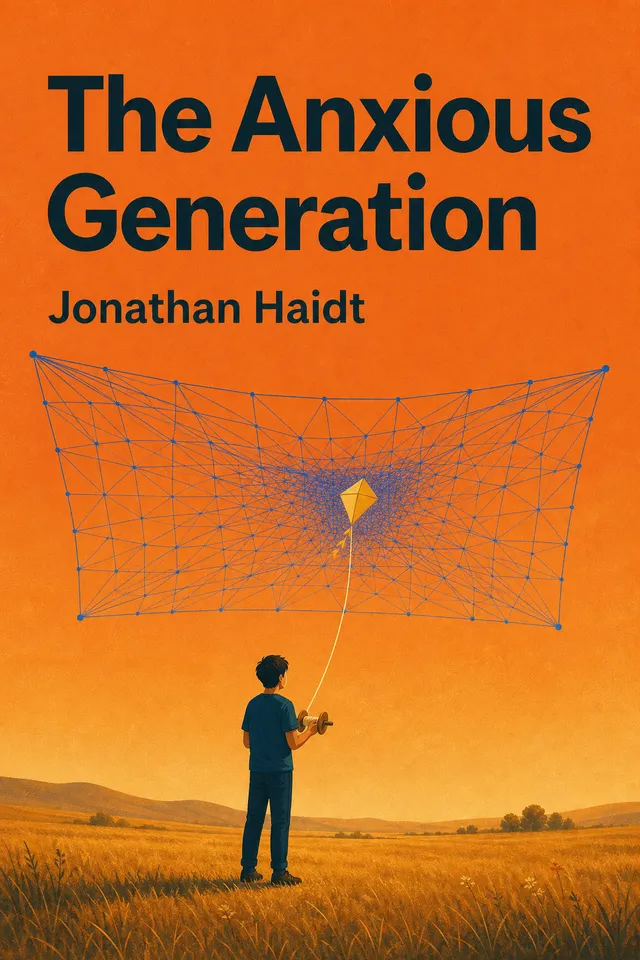
The Anxious Generation · Jonathan Haidt
Jonathan Haidt argues that the shift toward phone-based childhood and away from independent play helps explain worsening adolescent well-being. Read the claimed mechanism, the evidence, and the proposed coordinated responses separately. The book’s causal account is debated and should remain attributed to its author.
- Read it for
- A prominent argument about the social and technological environment of childhood.
- Keep in mind
- Temporal association alone does not establish causation; the book is not individualized mental-health advice.
Carry a small evidence grid between books
For each proposal, record the age group, setting, evidence type, and person expected to act. Two books may appear to disagree while addressing different questions. They may also genuinely disagree: preserve that difference instead of blending their proposals into a single parenting checklist.
| Book | Primary scale | Evidence question |
|---|---|---|
| How Children Learn | The observed child | How far does the observation generalize? |
| Free to Learn | The learning environment | Which conditions make autonomy possible? |
| The Smartest Kids in the World | School systems | What can cross-country reporting establish? |
| Make It Stick | Learning practices | What was tested and measured? |
| The Anxious Generation | Digital childhood | How is the causal argument supported? |
Sources and scope
Book ideas are attributed to their authors. External evidence is linked directly when a claim needs more than the source book.
- How Children Learn: John Holt watches how children explore and make sense of the world, using ordinary encounters to challenge adult assumptions about learning. The appeal lies in attending to a learner’s activity before imposing an explanation of what ought to be happening. Scope: Observations from particular settings do not settle every question about curriculum or instruction.
- Free to Learn: Peter Gray argues for play and self-directed learning, drawing on developmental and educational examples. Ask both what the proposed environment permits and what support makes that freedom workable. Autonomy is not the same as the absence of conditions. Scope: The book advocates an approach; its examples should not be generalized to every child or setting.
- The Smartest Kids in the World: Amanda Ripley follows students across school systems to investigate expectations, teaching, and educational culture. The reporting helps a reader see institutions that classroom advice can leave outside the picture. Compare contexts before borrowing a policy. Scope: Selected countries and student stories cannot represent all learners or establish simple policy causation.
- Make It Stick: Peter C. Brown, Henry L. Roediger III, and Mark A. McDaniel examine learning practices such as retrieval and spacing. The useful reading question is how an activity’s immediate ease differs from later retention. Follow the evidence and its conditions rather than collecting study slogans. Scope: Methods require adaptation to the subject and learner; this guide does not prescribe a program for a child.
- The Anxious Generation: Jonathan Haidt argues that the shift toward phone-based childhood and away from independent play helps explain worsening adolescent well-being. Read the claimed mechanism, the evidence, and the proposed coordinated responses separately. The book’s causal account is debated and should remain attributed to its author. Scope: Temporal association alone does not establish causation; the book is not individualized mental-health advice.
- The association between adolescent well-being and digital technology use — Nature Human Behaviour
- Improving Students’ Learning With Effective Learning Techniques — Association for Psychological Science
To report a factual, attribution, rights, or accessibility concern, email hello@wiseley.app.