American Stories Often Overlooked
Explore accounts of American life centered on migration, exclusion, racial hierarchy, and people whose contributions were overlooked.
Books in this collection
A People's History of the United States
Howard Zinn retells U.S. history from Columbus through the Clinton era by asking who benefits from conquest, racial hierarchy, war, law, and reform—and how ordinary people resist. The outline follows the recurring alliance of state power and concentrated wealth while preserving the book’s argument that solidarity and organized action can reopen democratic possibilities.

Bury My Heart at Wounded Knee
Dee Brown retells the conquest of the American West from the viewpoint of the Indigenous nations who endured it. The book asks how treaties, settlement, military force, resource extraction, and assimilation turned cooperation into dispossession, and what resistance, survival, and Wounded Knee reveal about historical memory.
The Warmth of Other Suns
Isabel Wilkerson follows Ida Mae Gladney, George Starling, and Robert Foster through the Great Migration from the Jim Crow South. The book asks what freedom costs when escape leads to unfamiliar cities, new barriers, family separation, and reinvention, while showing how private decisions can reshape cities, politics, culture, and generations.
Caste
Caste examines how an inherited hierarchy hides beneath American racial categories, how slavery, law, segregation, and social habits made it durable, and why it survives formal change. It asks how rank shapes everyday treatment, health, politics, and memory—and what truth, empathy, solidarity, and institutional action could do to dismantle it.
The New Jim Crow
Michelle Alexander asks how a formally colorblind criminal-justice system can reproduce racial caste. The book traces the history, politics, enforcement machinery, legal doctrines, and post-release penalties that make mass incarceration durable, then argues that understanding this chain is necessary for a race-conscious, interracial human-rights movement.
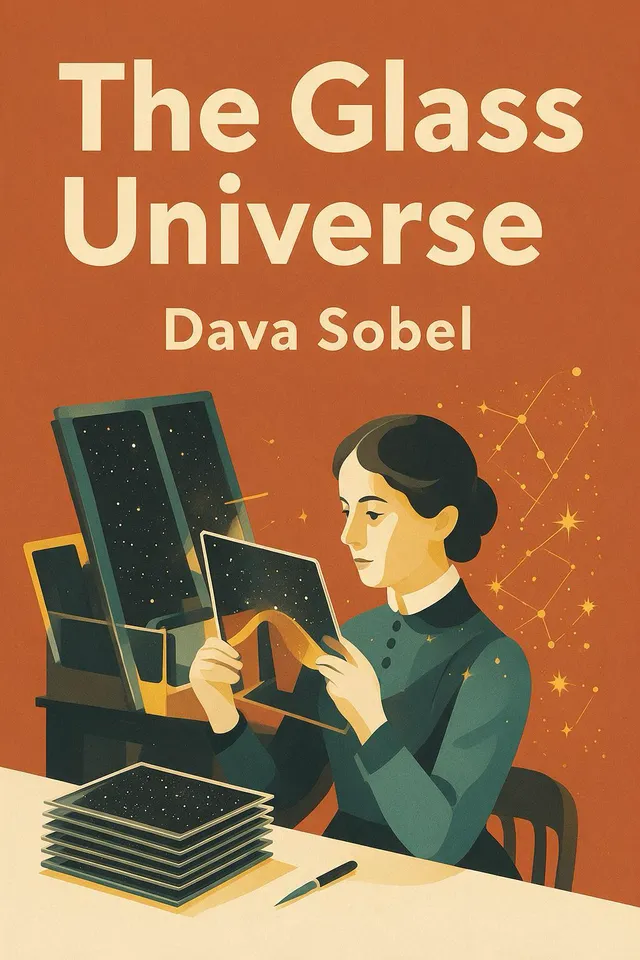
The Glass Universe
How did a nineteenth-century observatory turn glass plates into knowledge about stars—and make room for women to shape that knowledge? This summary follows spectral classification, variable stars, Leavitt’s distance relation, Shapley’s galactic map, and Payne’s stellar-atmosphere work, showing how routine measurement and institutional choices changed ideas of cosmic scale.
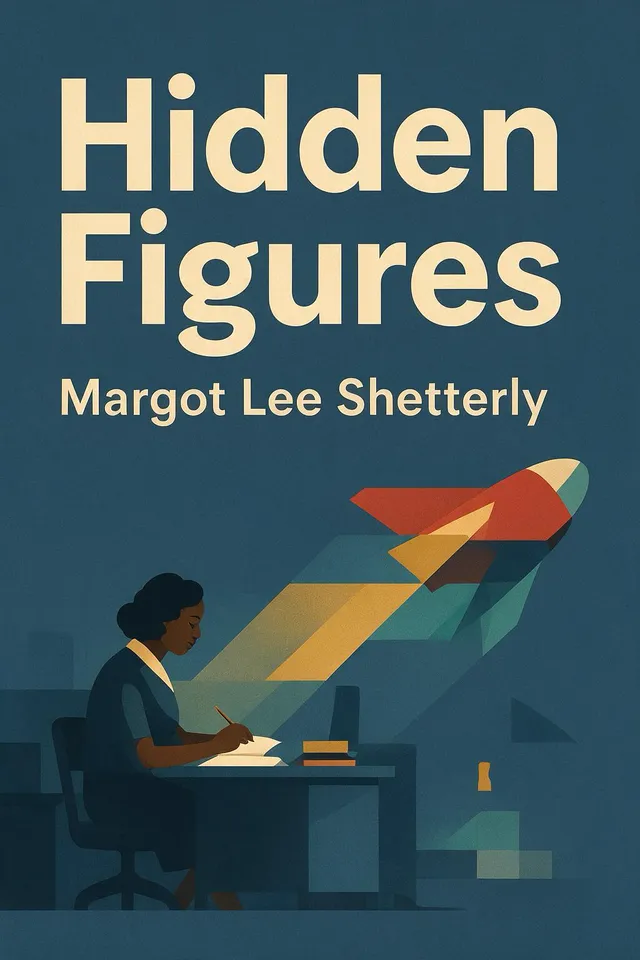
Hidden Figures
Hidden Figures traces how Black women and other female computers entered Langley during wartime, turned mathematical labor into advances in aviation and spaceflight, and navigated segregation, gender hierarchy, and technological change. It asks who gets counted as an innovator—and shows how institutions, mentors, and preparation make technical achievement possible.