Begin Again After Setbacks
Explore different responses to failure, change, adversity, and starting over.
Books in this collection
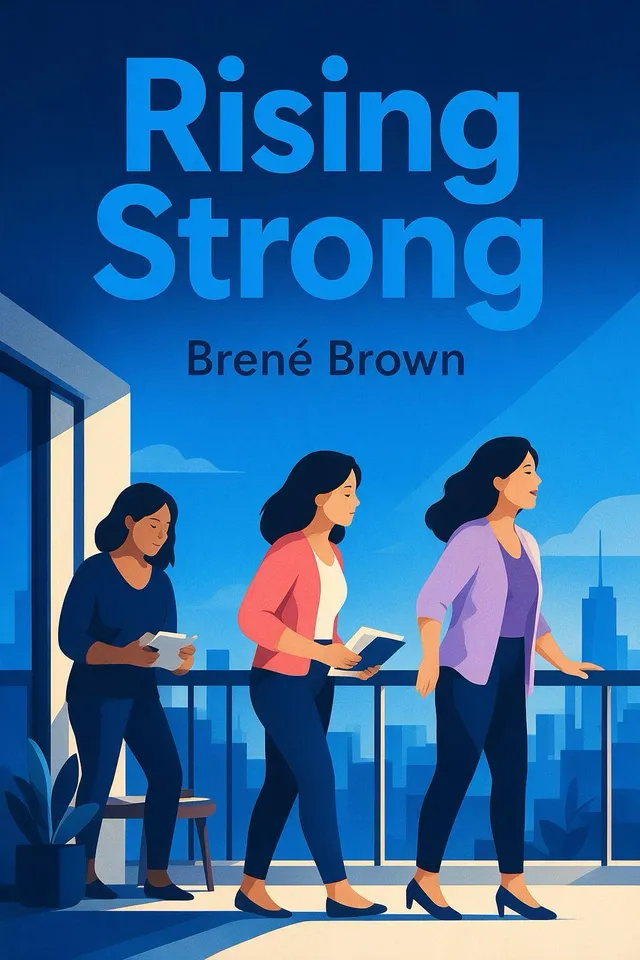
Rising Strong
Rising Strong asks what happens when vulnerability, courage, and wholehearted engagement lead to hurt. It offers a three-part practice—reckoning with emotion, testing the stories we make up, and integrating the learning into action—and applies it to relationships, work, family, and community.
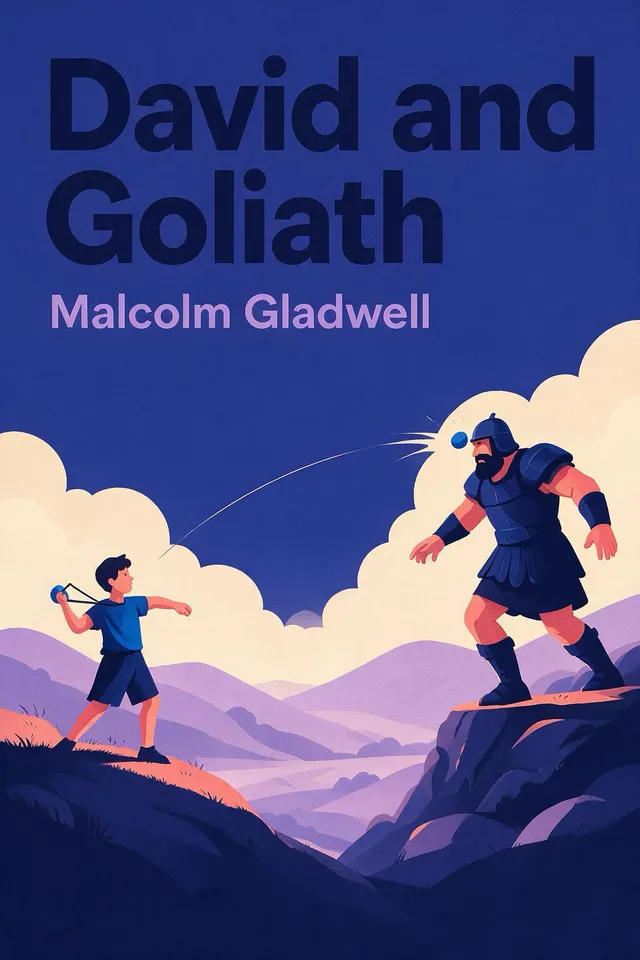
David and Goliath
David and Goliath asks why apparent advantages can conceal vulnerabilities, and when disadvantages become strategic freedom. Through sport, education, medicine, civil rights, policing, punishment, and forgiveness, it examines how relative position, productive difficulty, legitimacy, and unconventional action shape what people and institutions can achieve.
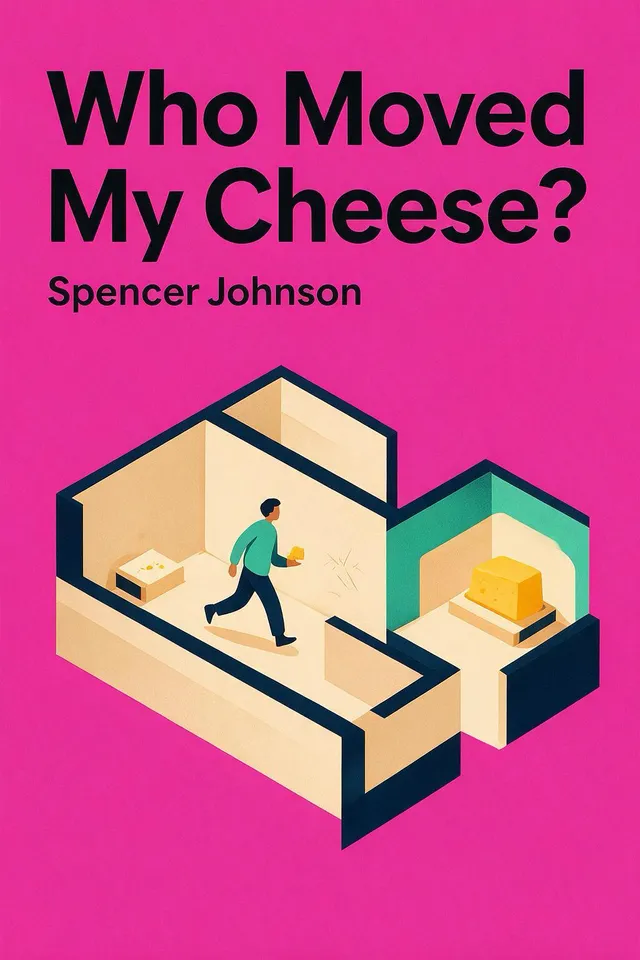
Who Moved My Cheese?
Who Moved My Cheese? uses a fable about four characters in a maze to ask how people respond when a source of happiness or security changes. It distinguishes noticing signals, managing fear, and moving toward new possibilities from denial and attachment, then applies those lessons to work and personal life.
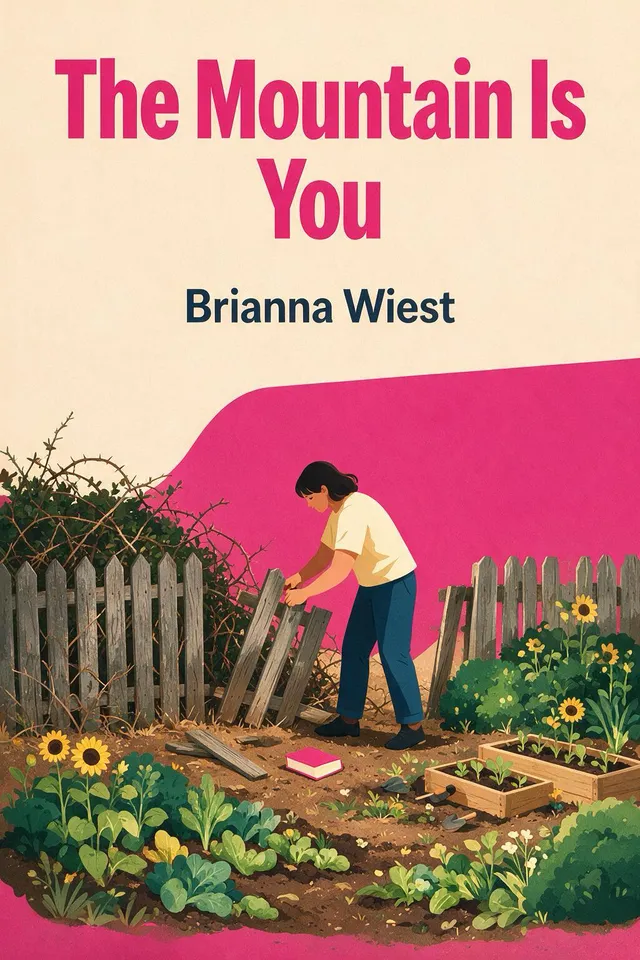
The Mountain Is You
Why do people repeat patterns they consciously want to change? The book frames self-sabotage as protection for hidden needs, familiar identities, and unprocessed emotion, then connects emotional awareness, restored safety, self-concept, and repeated practice to building a more deliberate life.
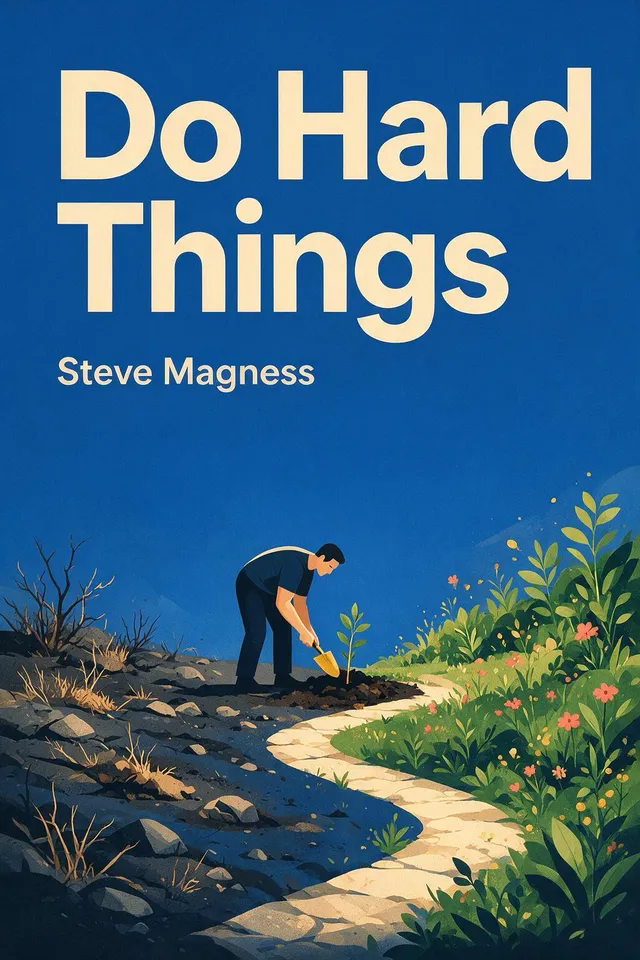
Do Hard Things
Do Hard Things asks what genuine toughness looks like when fear, fatigue, pain, and uncertainty are real. It replaces stoicism and brute-force persistence with accurate appraisal, emotional awareness, flexible choice, supportive conditions, and meaning—helping readers decide when to persist, adapt, or stop.
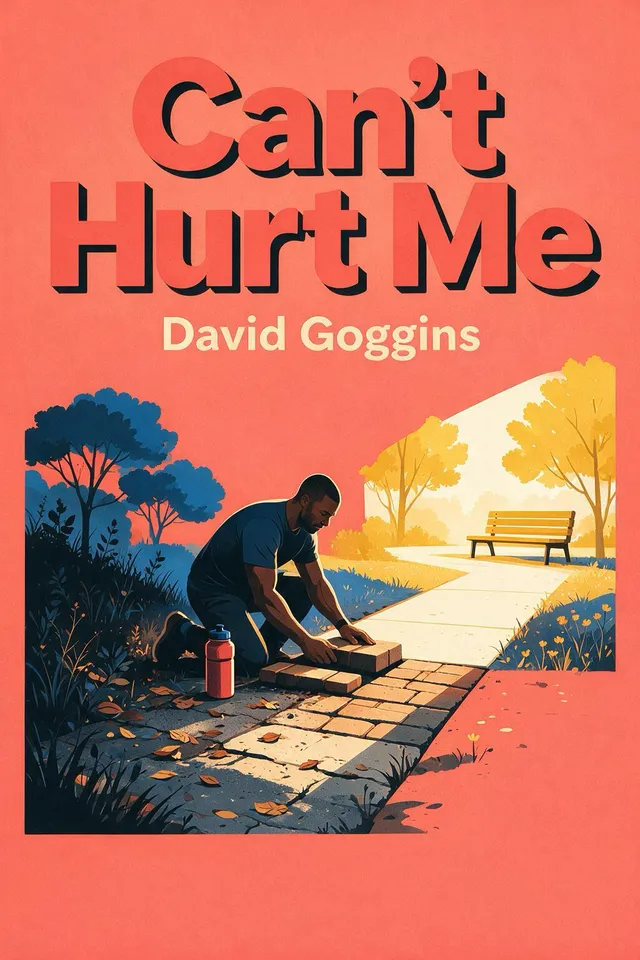
Can't Hurt Me
David Goggins traces how childhood abuse, racism, fear, and self-deception shaped his life, then examines the practices he used to pursue military and endurance goals: radical accountability, deliberate discomfort, preparation, and honest learning from failure. The central question is how far disciplined self-mastery can expand agency without denying injury, health, or human cost.
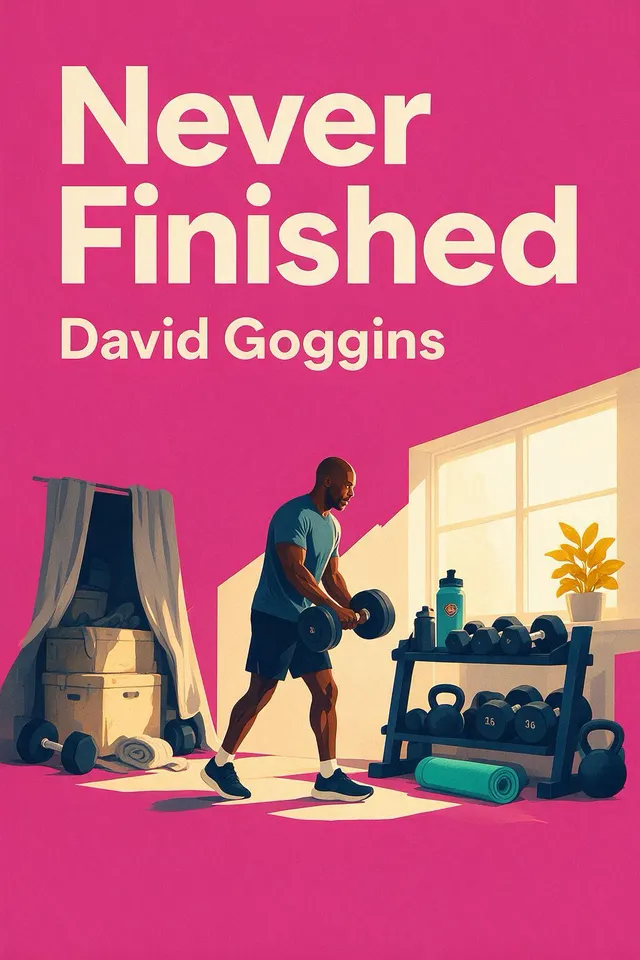
Never Finished
Never Finished examines how David Goggins turns trauma, fear, injury, failure, and changing limits into responsibility, discipline, preparation, and adaptation. Its central question is how to keep evolving without confusing persistence with denial. The book’s practical value lies in a framework for earned belief, deliberate action, chosen support, and lifelong self-mastery.
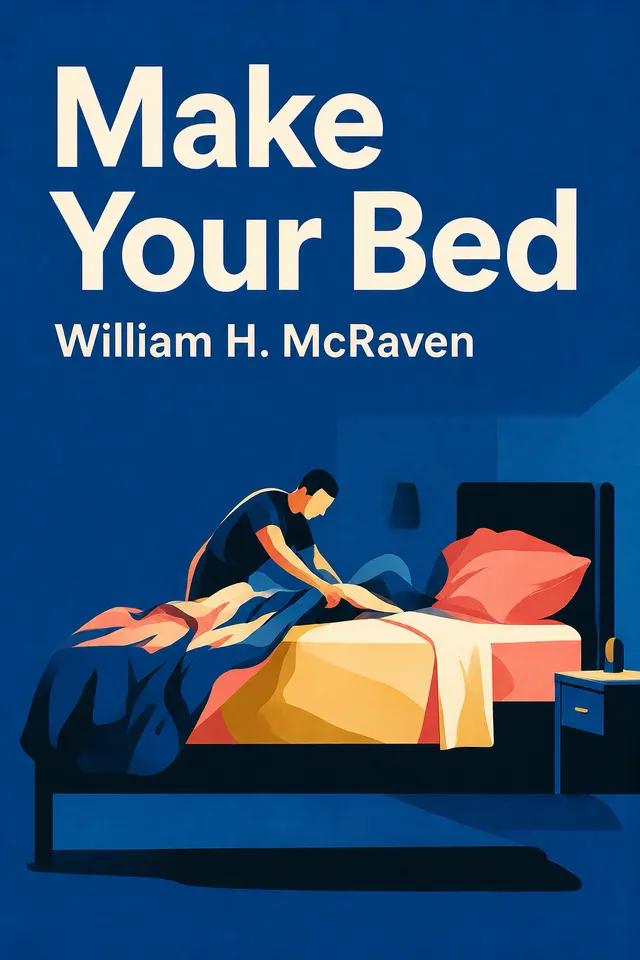
Make Your Bed
Make Your Bed asks how disciplined daily actions can help a person face unfairness, failure, fear, and hardship. Drawing on William H. McRaven’s military experience, it connects small routines with teamwork, resilient character, calculated courage, hope, and persistence, offering a practical framework for turning setbacks into forward motion.