Behind the Stories of Success
Examine the habits, circumstances, trade-offs, and people behind achievement.
Books in this collection
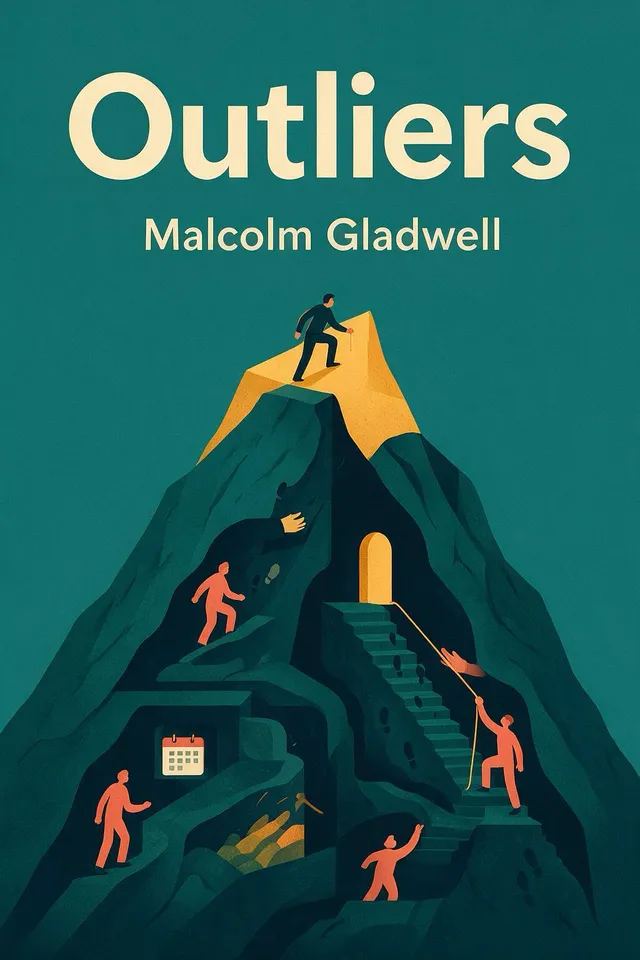
Outliers
Outliers asks why exceptional success is rarely self-made. Moving from Roseto and hockey birth dates to musicians, lawyers, pilots, mathematicians, KIPP students, and a Jamaican family history, it traces how practice, timing, culture, institutions, and inherited opportunity shape achievement—and why redesigning those conditions can widen who gets to flourish.

Shoe Dog
Shoe Dog follows Phil Knight from a Stanford paper about importing Japanese running shoes through Nike’s public debut and his later reckoning with the company’s cost. It asks how a fragile, debt-dependent venture survives unreliable partners, legal and regulatory threats, flawed products, and family strain—and what persistence, luck, trust, and judgment can teach about meaningful work.

Steve Jobs
Walter Isaacson’s biography follows Steve Jobs from adoption, Silicon Valley, and counterculture through Apple, NeXT, Pixar, and the digital ecosystem. Its central question is how a demanding, often harmful personality joined technology, design, and the humanities to create enduring products—and what such intensity costs collaborators, users, and family.

The Snowball
The Snowball follows Warren Buffett from a Nebraska childhood of counting, saving, and small businesses to Berkshire Hathaway’s rise through value investing, insurance, and disciplined capital allocation. It asks how wealth compounds—and what that discipline costs in family life, public responsibility, and succession—offering a connected account of method, character, and consequence.

Elon Musk
Elon Musk’s biography asks how a childhood shaped by danger, isolation, and science fiction became a method for building companies around electric transport, spaceflight, and artificial intelligence—and what that method costs. This summary maps the recurring mechanisms, evidence, and trade-offs behind Musk’s breakthroughs, conflicts, and expanding public power.
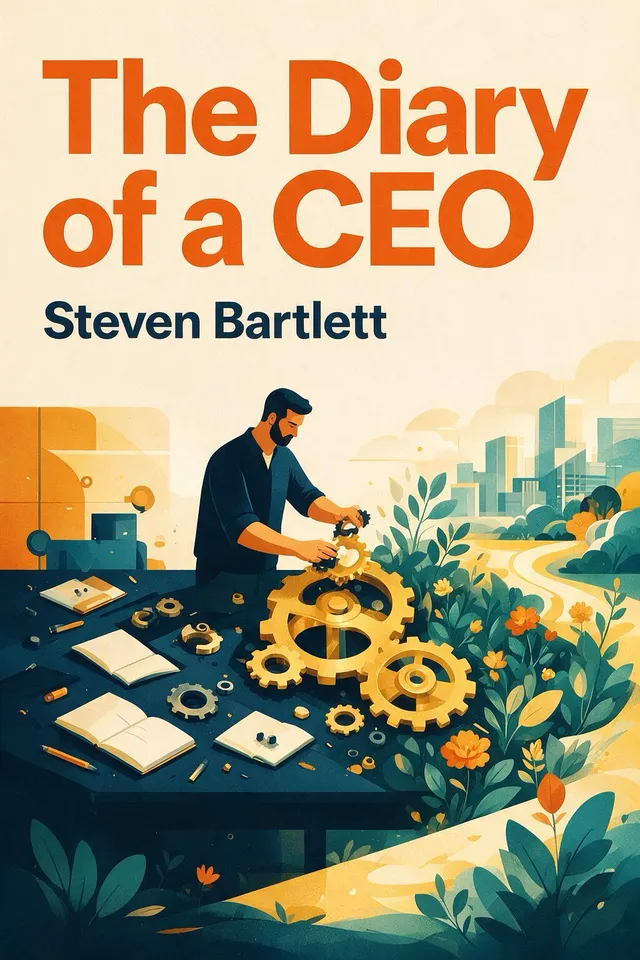
The Diary of a CEO
Steven Bartlett's book asks how people can build greatness that survives changing strategies. It connects self-mastery, learning, belief change, habits, health, attention, experimentation, time, delegation, culture, and leadership into a practical account of how durable progress is created—and how to keep correcting course.

The Almanack of Naval Ravikant
An edited guide to Naval Ravikant’s ideas on building wealth, thinking clearly, cultivating happiness, and living independently. It asks how specific knowledge, leverage, ownership, habits, and inner discipline can turn work into freedom—and where money stops helping. Its value is a framework for testing those claims in one’s own life.

Tools of Titans
Tools of Titans examines how high performers build health, wealth, and wisdom through habits, questions, experiments, and deliberate choices. Its central question is how to borrow useful principles without copying personalities. The practical value is a framework for testing, adapting, and combining tools into a life-specific system.

Tribe of Mentors
Tribe of Mentors asks how to make better choices and build a meaningful life when certainty and inherited rules fall short. Through recurring questions answered by diverse mentors, it offers practical ways to act, learn from failure, protect attention and health, choose work and relationships, and test advice against personal circumstances.
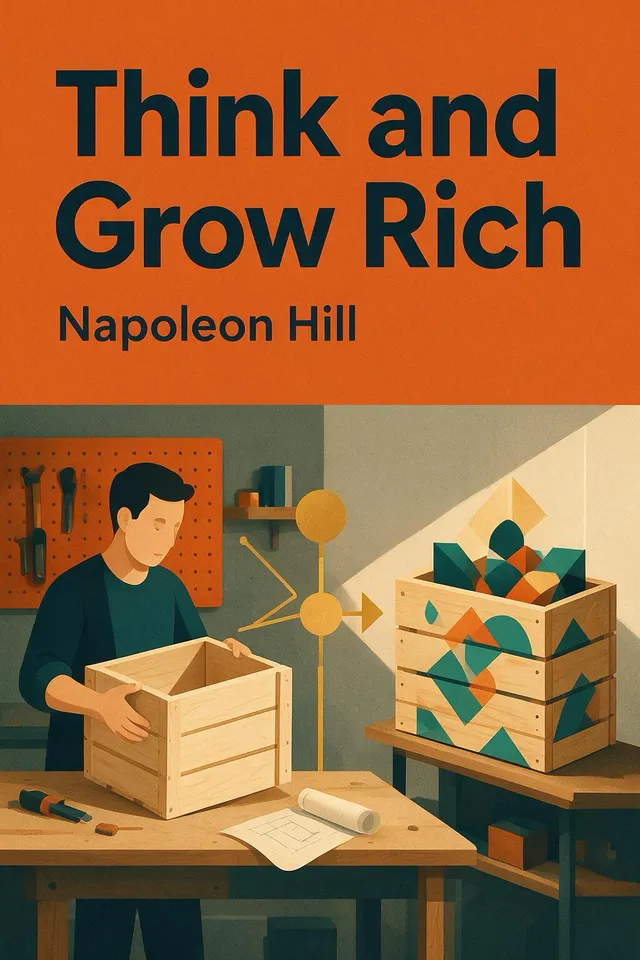
Think and Grow Rich
Think and Grow Rich asks how a dominant desire becomes achievement. Hill’s answer combines a definite aim, faith, autosuggestion, specialized knowledge, imagination, planning, decision, persistence, cooperative power, emotional discipline, and freedom from fear. The outline preserves that progression while distinguishing practical advice from the book’s metaphysical claims.