Belief, Ambition, and Change
Compare self-help perspectives on belief, identity, ambition, and personal transformation.
Books in this collection
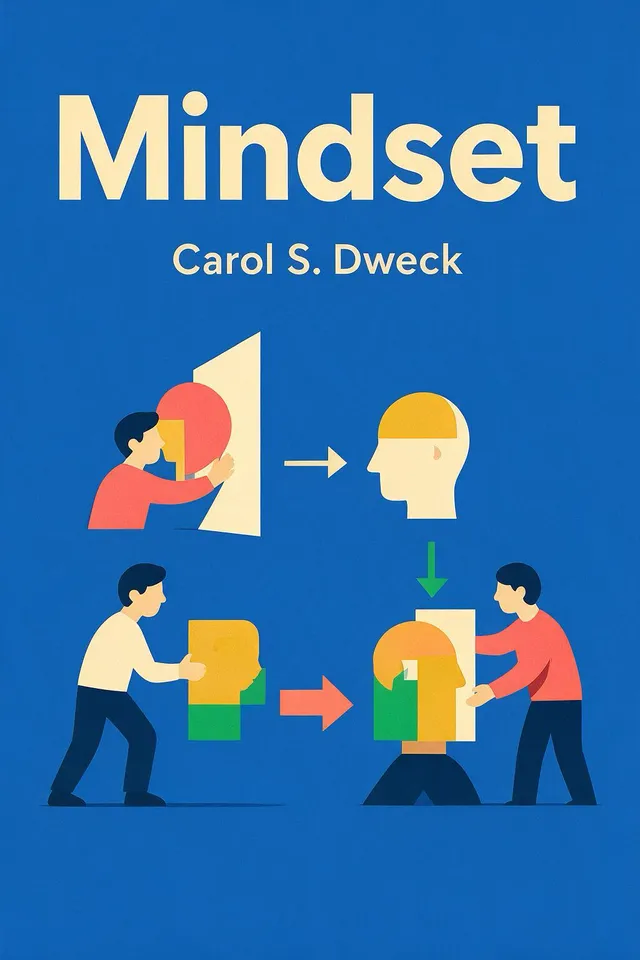
Mindset
Mindset asks how beliefs about whether abilities can change shape the way people learn, handle failure, work, lead, love, and teach. It presents fixed and growth mindsets as changeable tendencies, while showing that development requires effort, strategies, support, and honest feedback rather than unlimited promise.

Awaken the Giant Within
Awaken the Giant Within asks how people can change the patterns that shape their emotions, choices, and destiny. It links decisions, pain-and-pleasure associations, beliefs, language, values, identity, and conditioning to practical work in health, relationships, money, time, and contribution, offering a framework for turning insight into repeated action.

Unlimited Power
Unlimited Power asks how personal power becomes usable: can people learn to direct states, beliefs, physiology, strategies, and communication toward chosen results? It traces a practical arc from modeling and precise goals to rapport, values, persuasion, and contribution, emphasizing feedback, flexibility, and responsible action.
The Magic of Thinking Big
The Magic of Thinking Big asks how belief can become success rather than wishful thinking. It traces a practical sequence from replacing excuses and fear to enlarging possibilities, managing environments, acting, learning from defeat, setting goals, and leading through perspective, service, and respect. Its value lies in turning ambition into deliberate habits.

The Power of Positive Thinking
This book asks how faith-shaped thought can change a person’s response to fear, failure, illness, work, relationships, and grief. It links prayer, affirmations, visualization, expectation, calm, love, and practical effort, while qualifying its optimism with objective facts, medical cooperation, unavoidable suffering, and persistent practice.

Girl, Wash Your Face
Rachel Hollis examines the self-defeating stories people absorb about happiness, worth, relationships, motherhood, ambition, bodies, trauma, and identity. The book asks how to replace those lies with responsibility, honest self-knowledge, support, and persistent action, offering a practical framework for moving forward without requiring perfection.

Untamed
Untamed asks how people learn to mistake conformity, approval, and inherited roles for freedom—and how they can recover a self-directed life. Glennon Doyle connects emotional honesty, inner Knowing, imagination, truthful relationships, parenting, justice, and mental-health care into a framework for living with integrity while staying connected to others.
The Code of the Extraordinary Mind
Vishen Lakhiani’s framework asks how much of an ordinary life is inherited from culture—and how deliberately it can be redesigned. It moves from questioning social rules and rewriting beliefs and habits to cultivating present happiness, choosing meaningful goals, becoming resilient to judgment, and directing growth toward a personal quest.

The Secret
Rhonda Byrne’s The Secret asks whether a universal law of attraction makes dominant thoughts and feelings the source of lived circumstances. It moves from that claim to Ask–Believe–Receive, gratitude, and visualization, then applies the model to money, relationships, health, society, identity, and purpose. The outline separates the proposed mechanism from its practices and qualifications.

You Can Heal Your Life
Louise L. Hay’s You Can Heal Your Life asks how habitual beliefs, self-judgment, and unresolved emotion shape health, relationships, work, prosperity, and everyday experience. It presents self-love, forgiveness, affirmations, and repeated attention as practices for changing those patterns, while noting the limits of its personal mind-body framework.