Build a Business That Lasts
Explore the choices that shape durable companies, cultures, and strategies.
Books in this collection
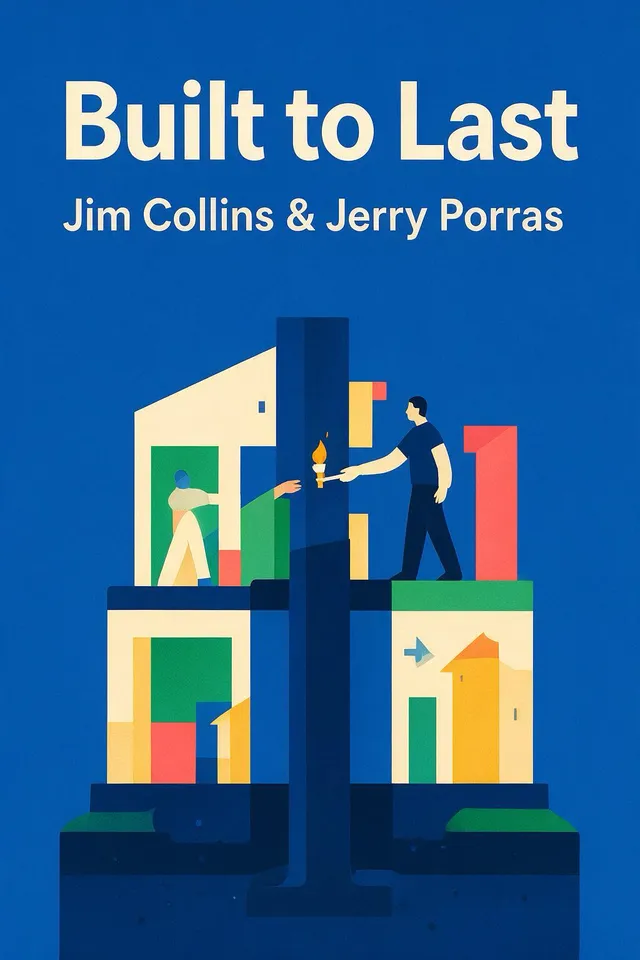
Built to Last
Built to Last examines why some companies remain exceptional across generations while comparable organizations fade. Its central question is how an institution can preserve authentic values and purpose without becoming rigid. The answer links enduring identity to bold goals, experimentation, leadership development, continuous improvement, and aligned systems—useful for understanding and designing resilient organizations.
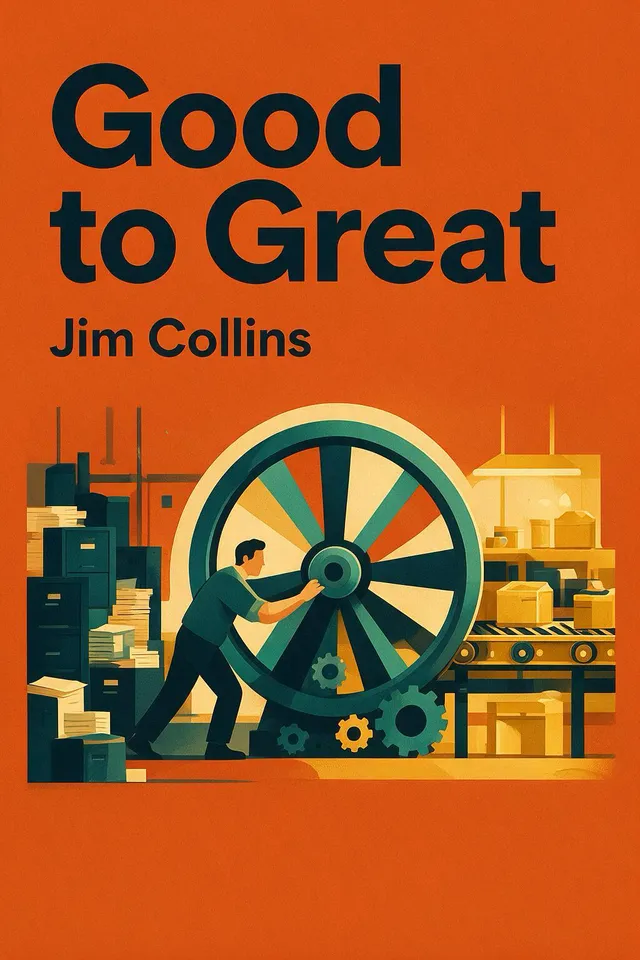
Good to Great
Good to Great asks why some established companies move from good performance to sustained greatness while comparable firms do not. It distills a research program into ideas about leadership, people, truth, focus, discipline, technology, and momentum, then considers how institutions endure and how people can find meaningful work.
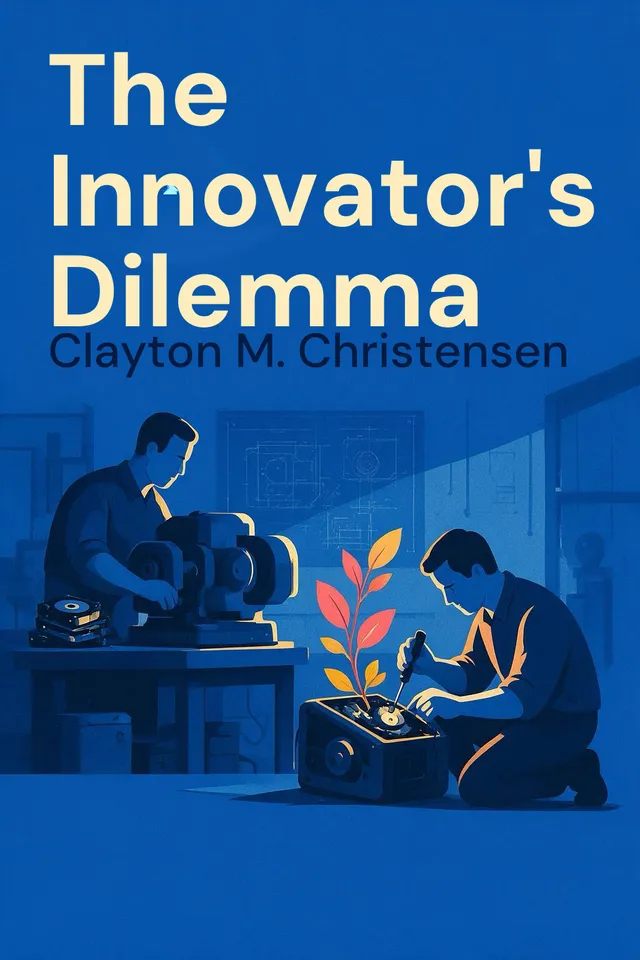
The Innovator's Dilemma
Clayton Christensen examines why admired companies can lose industry leadership while listening to customers, investing aggressively, and managing well. He asks how sustaining and disruptive innovation differ, then uses disk drives and other industries to show how markets, incentives, capabilities, and organizational design shape strategic choices.
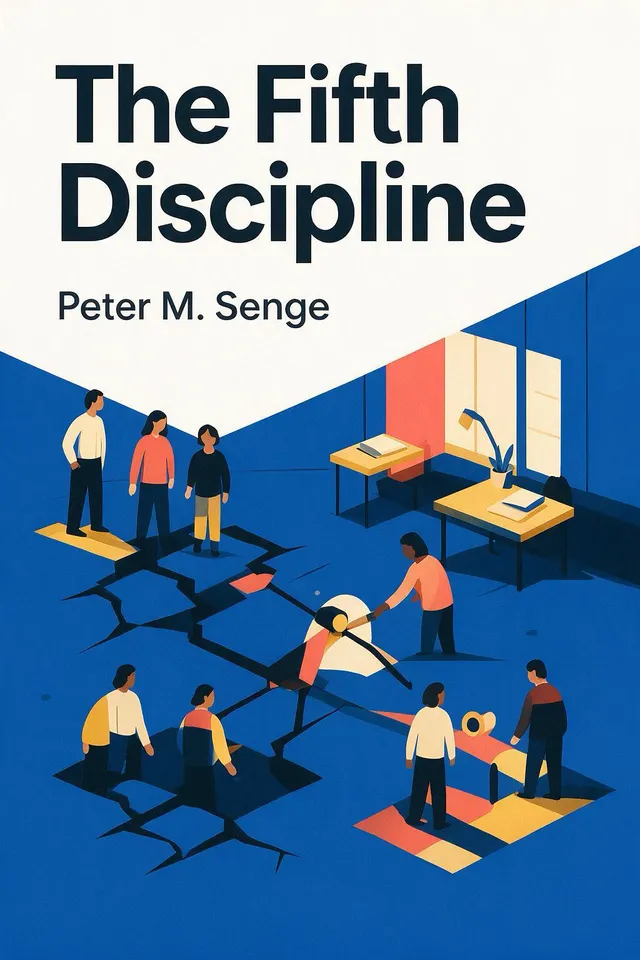
The Fifth Discipline
Peter Senge’s argument asks how organizations can create desired futures instead of reacting to events and repeating inherited failures. It connects systems thinking with personal mastery, mental models, shared vision, and team learning, then extends those ideas to leadership, organizational change, sustainability, and collective responsibility.
Conscious Capitalism
Conscious Capitalism asks how companies can remain profitable while serving the people and systems that sustain them. Its answer joins higher purpose, stakeholder integration, conscious leadership, and conscious culture and management into a practical account of trust, autonomy, responsibility, innovation, and long-term value creation.
The Infinite Game
The Infinite Game asks how leaders can keep business and other long-lived human pursuits moving when there is no final winner. It contrasts short-term scorekeeping with a Just Cause, then examines stewardship, trust, ethics, worthy rivals, adaptive change, and courageous decisions. The framework offers a way to judge choices by enduring purpose and consequences.
Delivering Happiness
Delivering Happiness traces Tony Hsieh’s path from childhood experiments and LinkExchange to Zappos, asking how profits, passion, purpose, and happiness can reinforce one another. It follows the company’s survival, customer service, culture, values, relationships, talent, and Amazon partnership, then distills three frameworks for applying happiness to work and life.
In Search of Excellence
Why do some large companies keep innovating and performing when rational plans, controls, and scale alone fall short? In Search of Excellence identifies eight connected practices and explains how they turn ordinary work into adaptive, sustained performance.
Start with Why
Start with Why asks why some leaders, companies, and movements inspire voluntary loyalty while others depend on short-term manipulation. It introduces the Golden Circle—WHY, HOW, and WHAT—and shows how purpose becomes a practical filter for trust, culture, innovation, communication, succession, and lasting success.