Build Habits That Stick
Turn good intentions into repeatable actions and routines.
Books in this collection
Atomic Habits
Atomic Habits explains how tiny repeated behaviors can produce outsized long-term results, while goals alone do not create progress. It asks how identity, environment, social context, friction, rewards, and review can be arranged so good habits become easier to repeat and bad habits easier to interrupt.
Tiny Habits
How can lasting behavior change become easier than relying on willpower? Tiny Habits treats change as a design problem: choose a behavior that fits real life, attach it to an existing routine, celebrate success, and iterate. The framework also explains how to loosen unwanted habits and coordinate change with other people.
The Power of Habit
Why do ordinary actions become automatic, and how can they be changed? The book follows cue–routine–reward loops through craving, willpower, workplaces, markets, social movements, and compulsions, offering a framework for recognizing patterns, testing replacements, and understanding how belief, context, and community make change durable.
How to Change
How to Change asks why good intentions so often fail and argues that behavior shifts when the obstacle is diagnosed and the environment is redesigned around it. It examines fresh starts, temptation, procrastination, forgetting, inertia, confidence, and social influence, showing how cues, commitments, habits, expectations, and norms can support durable change.
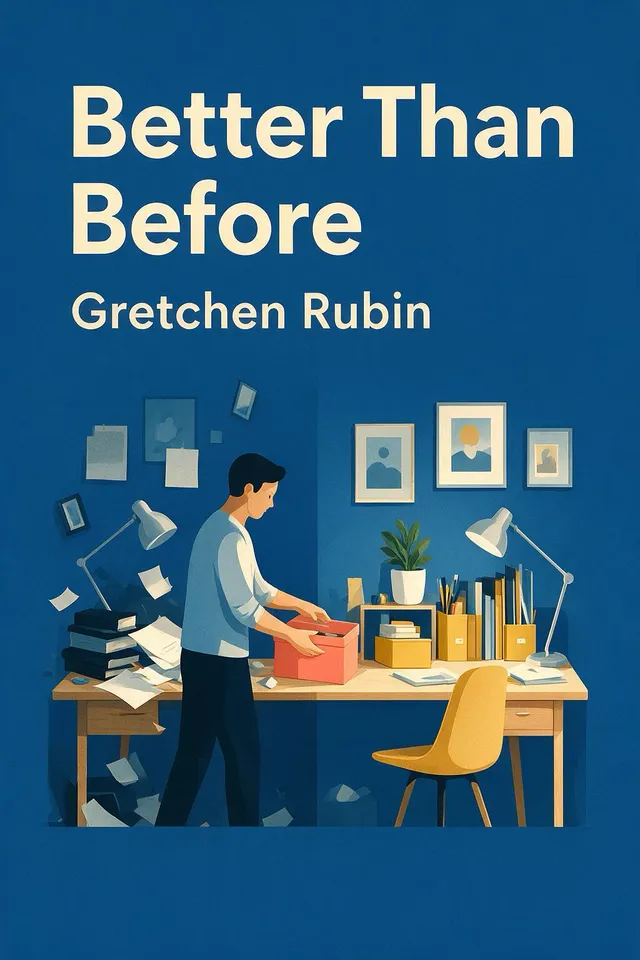
Better Than Before
Better Than Before examines how people build and sustain habits by matching strategies to individual tendencies, values, environments, and relationships. It asks why the same routine helps one person but fails another, and shows how self-knowledge can become practical, repeatable change.
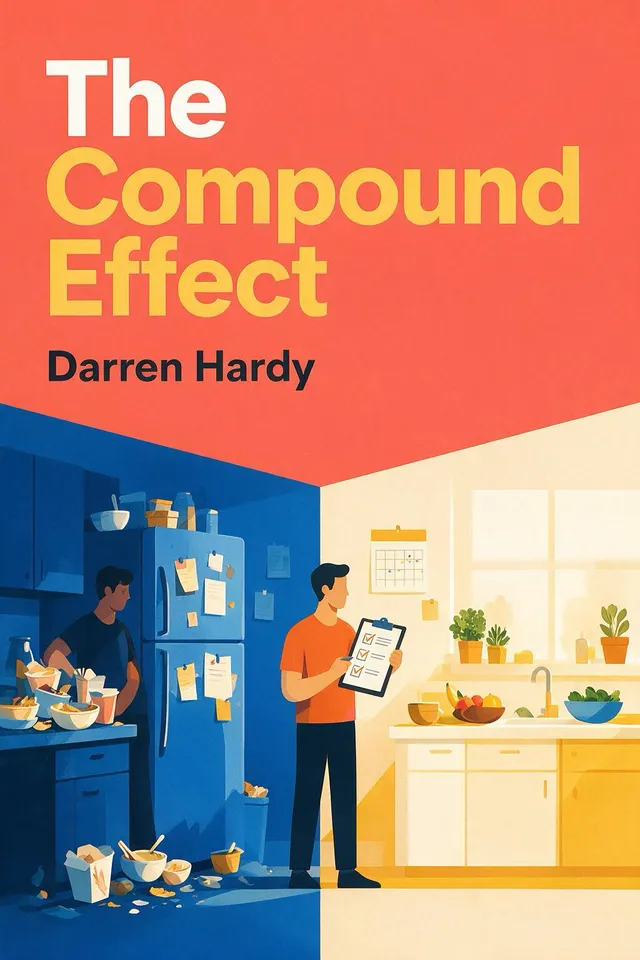
The Compound Effect
The Compound Effect explains how small, repeated choices accumulate into habits, momentum, and long-term progress or decline. It asks how a person can notice automatic behavior, take responsibility, and redirect that trajectory. The summary distills tools for tracking choices, designing routines, managing influences, and sustaining extra effort.

The Slight Edge
The Slight Edge asks why ordinary choices so often separate thriving from struggle. Jeff Olson argues that small actions, repeated long enough to compound, shape health, money, relationships, work, and happiness. The book turns that principle into practical guidance on habits, goals, learning, responsibility, and contribution.
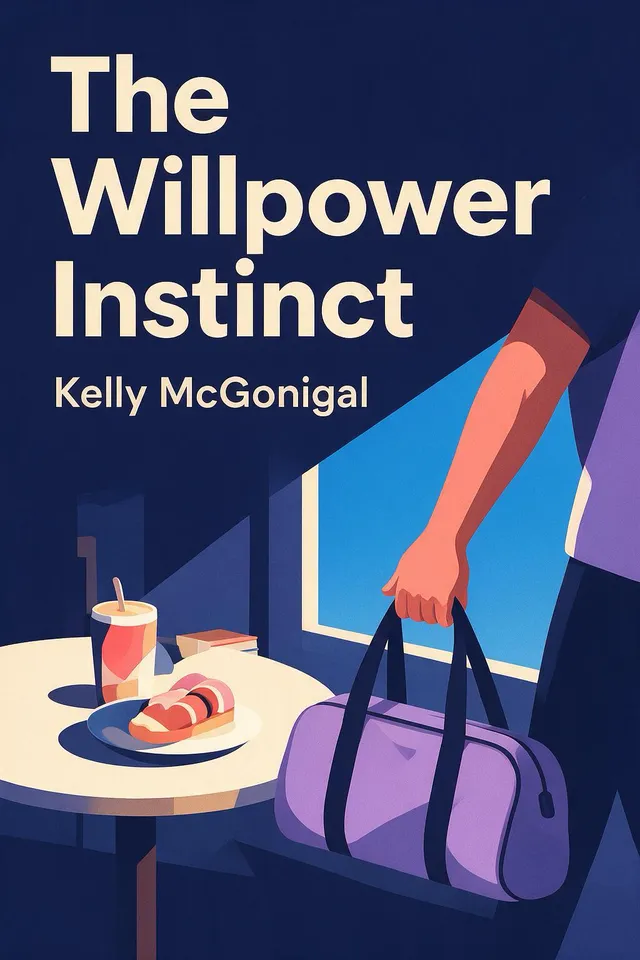
The Willpower Instinct
Why do we act against our own goals, and can self-control be trained? The Willpower Instinct maps the competing systems behind restraint, desire, stress, reward, time, and social influence, then turns that map into experiments for noticing impulses, designing better conditions, and choosing actions that serve longer-term aims.
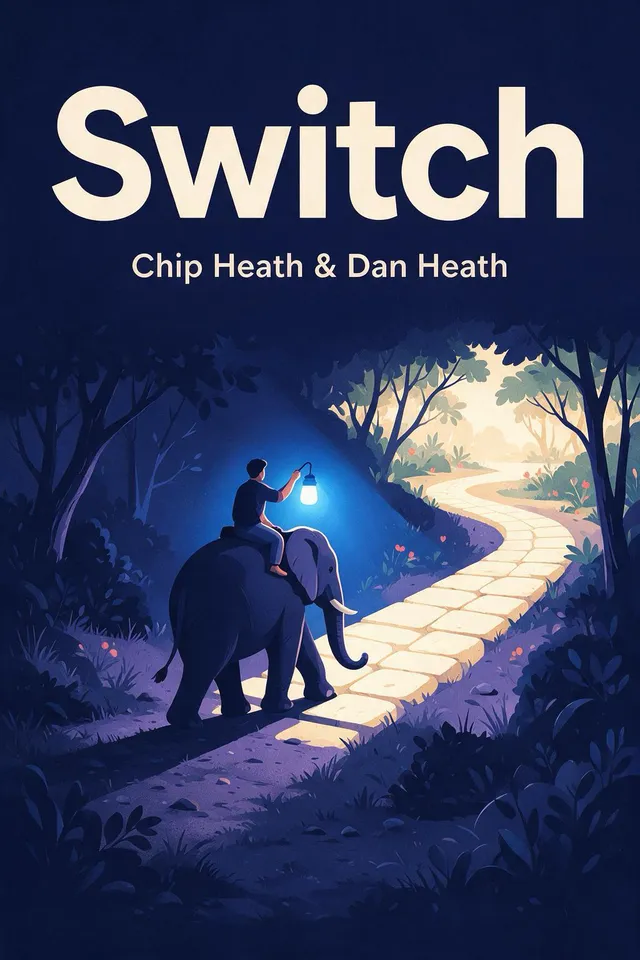
Switch
Switch explains why people and organizations struggle to change and asks how direction, emotion, and environment can work together. Its Rider–Elephant–Path framework turns that question into practical choices: find what works, make progress visible, redesign routines, and sustain new behavior through identity and social support.
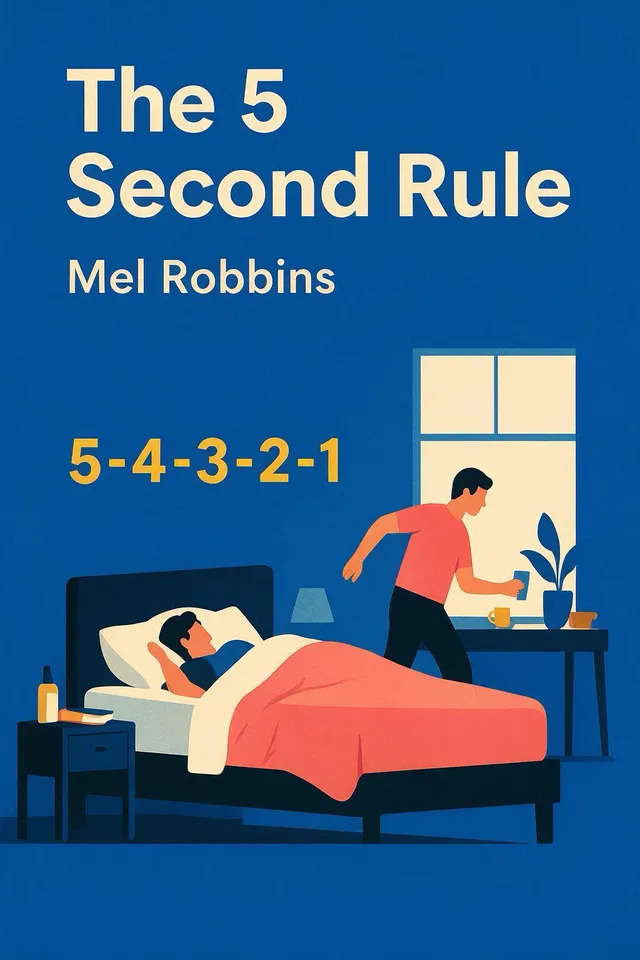
The 5 Second Rule
The 5 Second Rule asks how to act before hesitation becomes excuses, fear, or avoidance. Mel Robbins presents a backward five-count followed by movement as a repeatable cue for changing habits, managing worry, practicing everyday courage, and pursuing more honest, purposeful action.