Create Something Original
Develop original ideas, sustain a creative practice, and turn experimentation into meaningful work.
Books in this collection
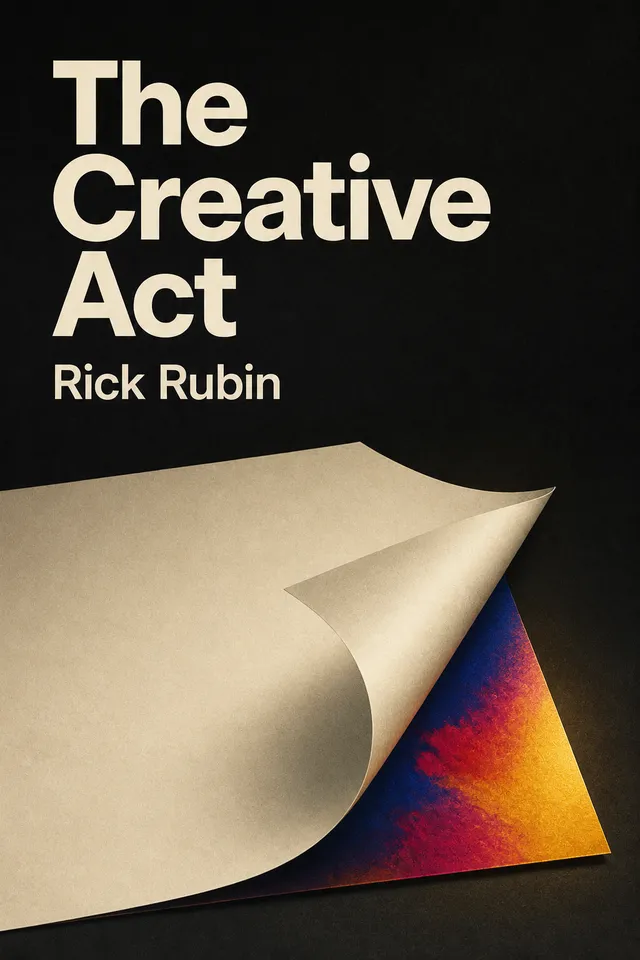
The Creative Act
The Creative Act treats creativity as a human way of perceiving, receiving, and shaping experience—not a rare talent. It asks how a maker can stay open to inspiration, develop skill, experiment, edit, collaborate, and release work without surrendering personal judgment, while art remains a way to connect people across time and language.
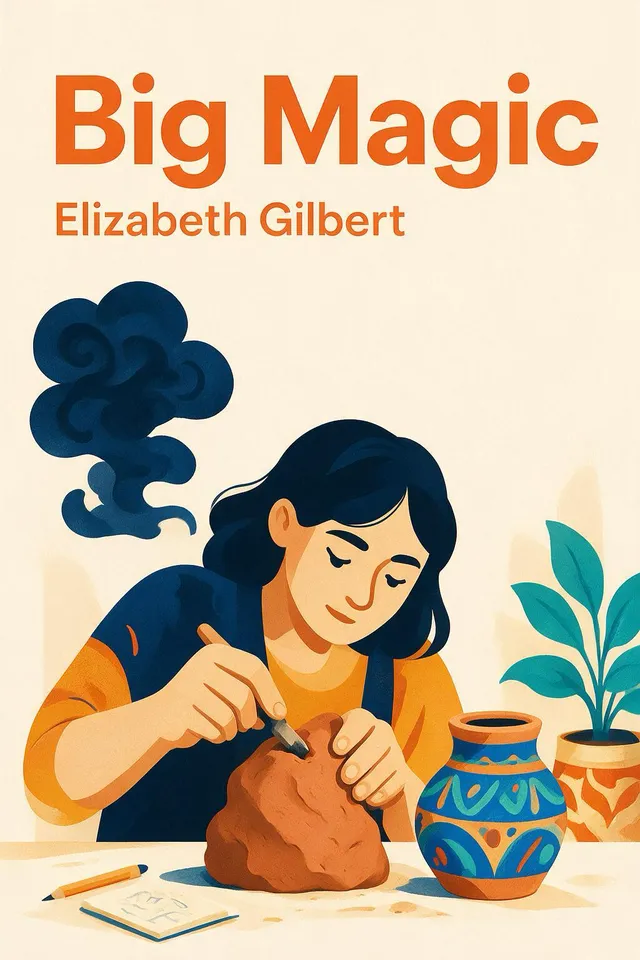
Big Magic
Big Magic asks how to live creatively without waiting for fearlessness, permission, perfect conditions, or guaranteed success. Elizabeth Gilbert treats creativity as both a human birthright and a collaboration with inspiration, then explores curiosity, disciplined practice, financial realism, play, persistence, and trust as ways to make and release work.
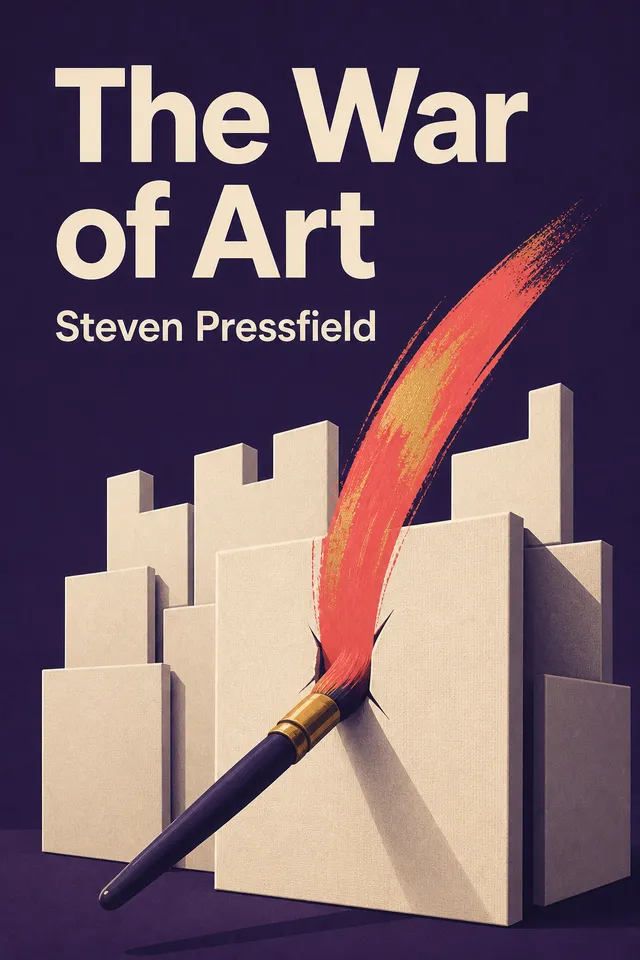
The War of Art
Steven Pressfield’s The War of Art asks why people resist meaningful creative work, how fear disguises itself as procrastination and self-sabotage, and what changes when a person turns professional. It offers a disciplined, spiritually open framework for beginning, sustaining, and giving one’s work to the world.
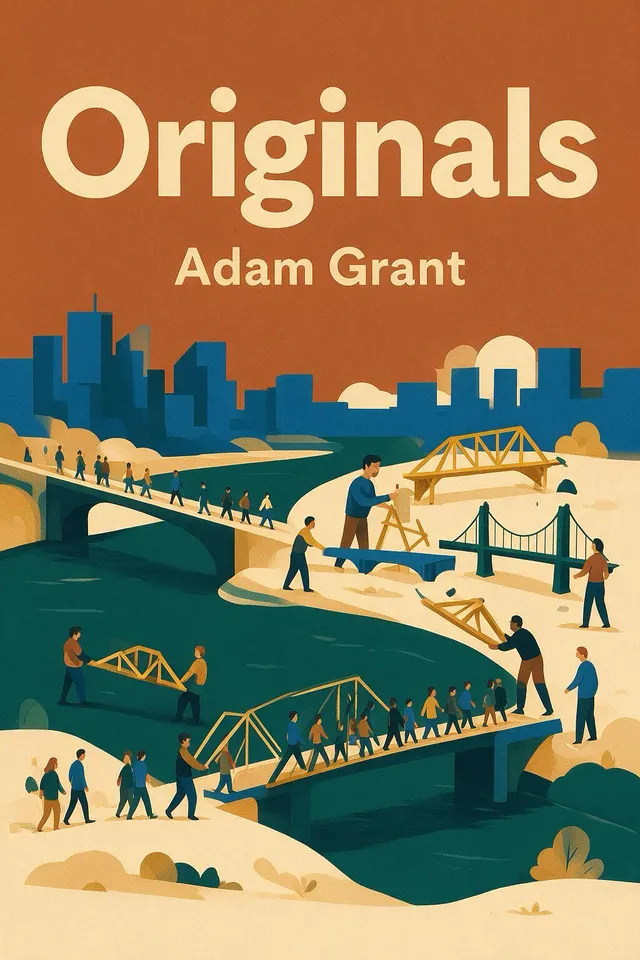
Originals
Originals asks how people can challenge defaults, develop ideas that are both novel and useful, and persuade others to adopt them. It connects creativity with risk management, timing, coalition-building, family influence, organizational dissent, and emotional regulation, offering a practical framework for turning unconventional thinking into durable change.

Loonshots
Loonshots examines why unconventional ideas are dismissed, mishandled, or transformed into breakthroughs. It asks how organizations can protect fragile product and strategy innovations while still executing established work. The book's value is a systems-based way to diagnose false failures, design incentives, and build conditions in which experimentation can survive and scale.
Linchpin
Linchpin examines how work changes when obedience and routine become easy to replace: what makes a person genuinely indispensable? It connects creativity, emotional labor, generosity, judgment, and the discipline of shipping to practical choices about contribution, fear, relationships, and meaningful work.
Bird by Bird
Anne Lamott’s Bird by Bird is a guide to the craft and inner life of writing. It asks how attention, memory, and lived experience can become truthful, vivid work despite fear, perfectionism, envy, isolation, revision, and uncertain publication—and offers small assignments, patient observation, community, and purpose beyond external success.
Mastery
Mastery asks how ordinary human capacities become exceptional judgment and original work. Robert Greene follows the path from recognizing a personal calling, through apprenticeship and social learning, to creative independence and intuitive command. The summary shows what each stage demands, what derails it, and why mastery remains a lifelong practice.
The Practice
The Practice asks how creators can keep making work when outcomes are uncertain. Seth Godin frames creativity as a repeatable practice of service: choose whom the work should help, make and share it, learn from difficulty and feedback, and develop skill without waiting for confidence or guarantees.
Creative Acts for Curious People
How can people become more creative when problems are uncertain and other people’s needs are unfamiliar? Sarah Stein Greenberg presents design as a learnable practice of observation, conversation, experimentation, reflection, and ethical choice. The book offers adaptable exercises for developing ideas, testing them with people, and considering the systems their work affects.

Awaken Your Genius
Awaken Your Genius examines how inherited identities, social conditioning, distracted attention, and borrowed certainty narrow a person’s choices. It asks how to recover independent judgment and distinctive creativity, then turn curiosity into purposeful action while adapting to uncertainty. The result is a practical framework for thinking, experimenting, creating, and changing course.
The Creative Thinking Handbook
How can people escape familiar thought patterns and solve unfamiliar problems? Griffiths and Costi frame creativity as a trainable discipline: define the real challenge, generate alternatives, test them with balanced judgment, and carry a choice into action. Their tools apply to personal decisions, teams, and organizational innovation.
Unlocking Creativity
Why do organizations praise creativity yet reject unfamiliar ideas? Michael A. Roberto explains six mindsets that constrain innovation and shows how iterative design, distinctive strategy, supportive team conditions, constructive dissent, and curious leadership can help people explore, test, and improve ideas.
Make Possibilities Happen
Make Possibilities Happen asks how ideas can move from possibility to finished work. Its practical framework connects trained attention, purpose and vision, curiosity, deliberate starts, sequenced action, adaptation to resistance, and purposeful completion, showing how to keep moving through uncertainty and learn from imperfect results.