Democracy Under Pressure
Examine how political institutions, community ties, moral disagreements, and concentrated power shape democratic life.
Books in this collection
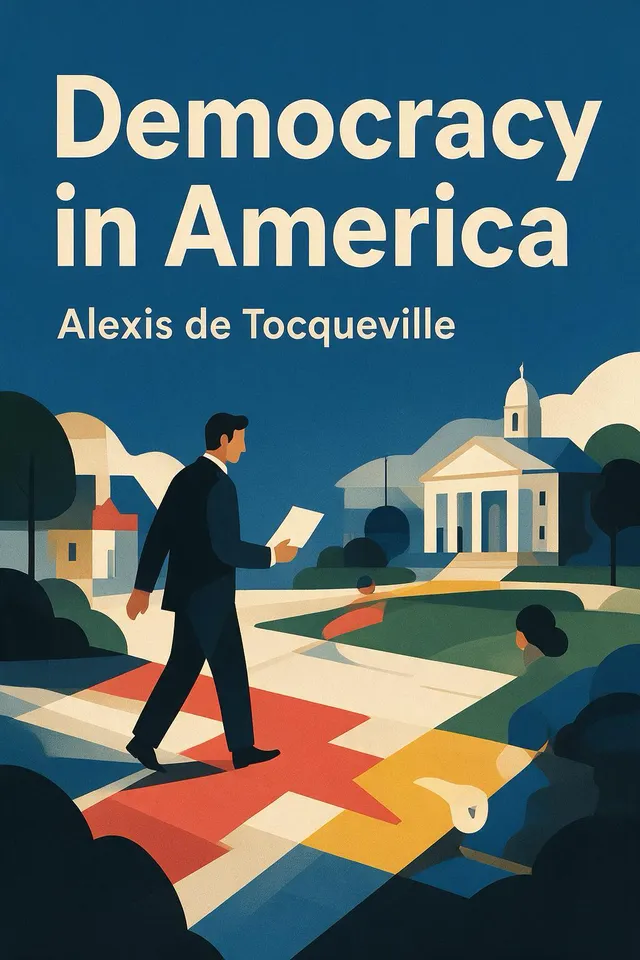
Democracy in America
Alexis de Tocqueville asks how equality reshapes political institutions, civic habits, culture, and private life—and why democracy can foster both liberty and dependence. This summary follows his argument from America’s colonial origins and local self-government through majority power, racial conflict, and centralization, offering a framework for understanding the conditions that sustain freedom.

Bowling Alone
Bowling Alone asks why Americans became less likely to join, trust, visit, volunteer, and act together after a period of civic growth. Putnam examines generations, media, work, mobility, and institutions as possible explanations, then shows what social capital makes possible and how inclusive community ties might be rebuilt.

The Righteous Mind
The Righteous Mind examines why moral judgments arrive quickly, why cultures and political camps treat different concerns as morally significant, and how humans cooperate through groups, rituals, and religion. Haidt connects intuition, moral foundations, and political identity to a practical question: how can disagreement become more informed, humane, and constructive?

The Coddling of the American Mind
The Coddling of the American Mind asks how well-intentioned protection can weaken resilience, distort judgment, and narrow inquiry. It traces the authors’ three Great Untruths from childhood and mental health through campus conflict, then considers practical ways to restore freer play, viewpoint diversity, and productive disagreement.
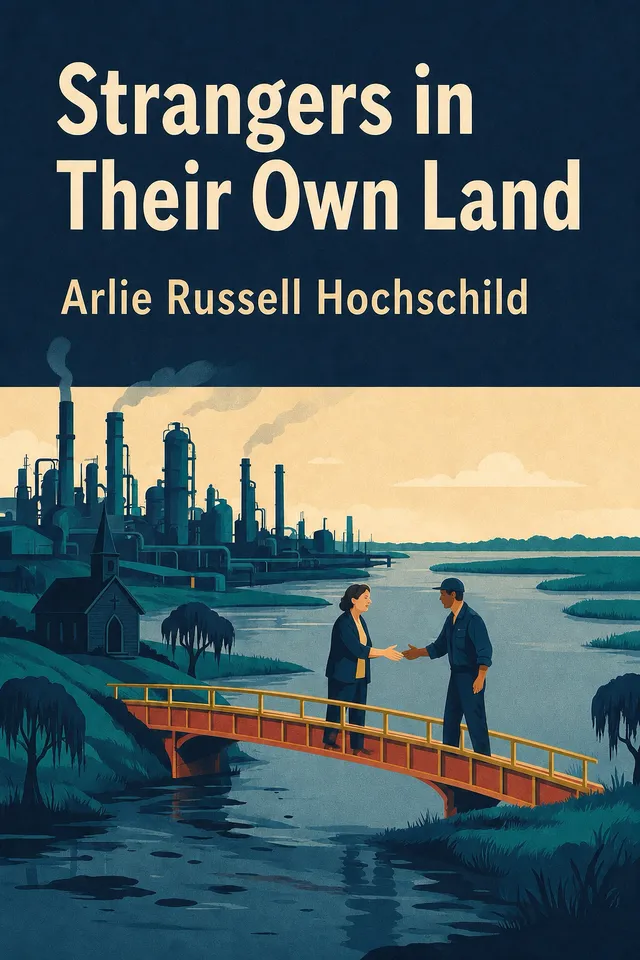
Strangers in Their Own Land
Why do people living with poverty, pollution, and dependence on government sometimes oppose regulation and public programs? Through Louisiana interviews, industrial disasters, and national evidence, Hochschild traces the emotions, histories, faith, and status fears behind this political paradox, then asks how empathy and issue-specific cooperation might reopen democratic conversation.
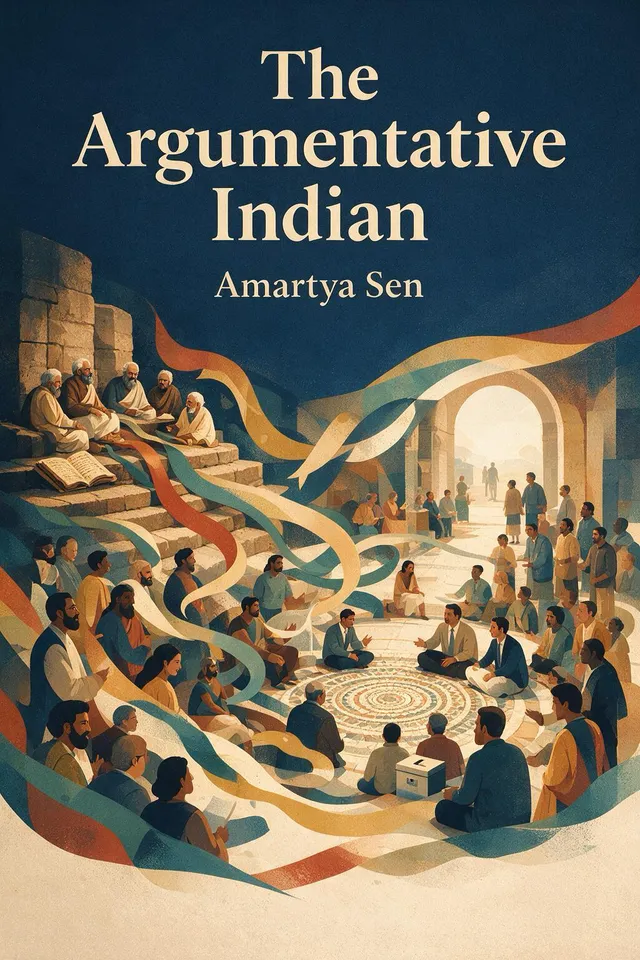
The Argumentative Indian
Amartya Sen examines how India’s traditions of debate, skepticism, and cultural exchange shape its democracy, secularism, identity, and development. The book asks whether a plural society can resist sectarian history, inequality, nuclear nationalism, and global stereotypes—and shows why public reasoning, agency, and evidence matter for collective choices.
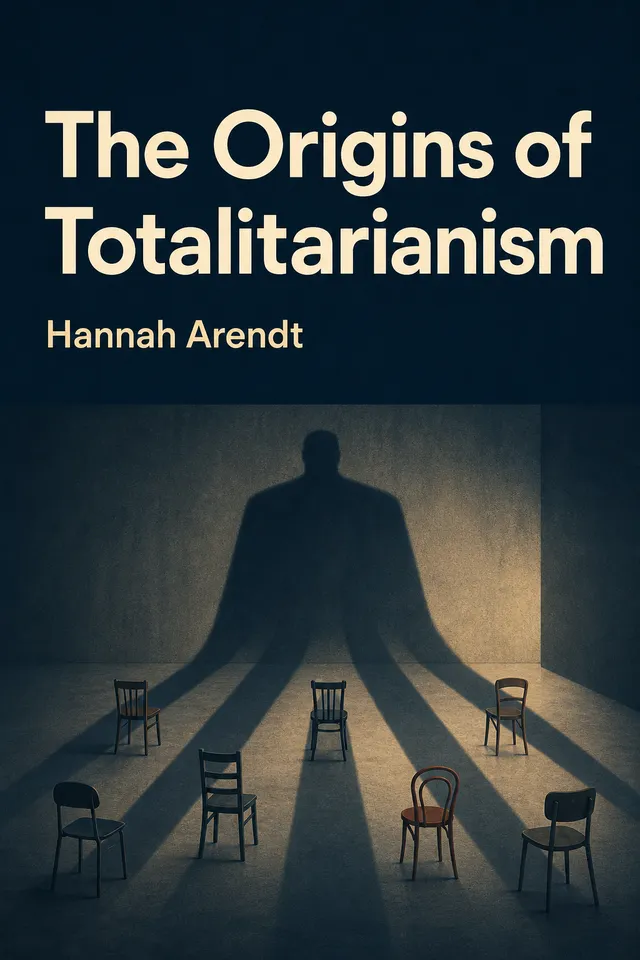
The Origins of Totalitarianism
How can a movement turn socially isolated people into instruments of total rule? This summary follows the account from mass atomization and propaganda to leader-centered organization, secret police, terror, and camps, clarifying how domination destroys shared reality and why freedom remains a capacity for new beginnings.
How Democracies Die
How Democracies Die asks how elected leaders can dismantle democracy from within, why parties and unwritten norms sometimes fail to restrain them, and how polarization turns legal powers into weapons. Its comparative framework helps readers recognize democratic danger and think about coalition-based ways to preserve and repair institutions.
On Tyranny
On Tyranny asks how ordinary citizens can preserve freedom when democratic institutions weaken and fear, falsehood, and conformity spread. Drawing on twentieth-century European history, it argues that liberty depends on active habits: resisting premature obedience, defending institutions, protecting truth, and building civic relationships.
The Shock Doctrine
Naomi Klein investigates how war, economic collapse, and natural disaster can become openings for rapid market reform, privatization, and corporate power. The summary asks how shock weakens democratic choice—and how historical memory, popular organization, and community-led reconstruction can help people regain control over markets and public life.