Desire, Distraction, and Reward
Explore wanting, habit loops, persuasive technology, and the search for self-control.
Books in this collection
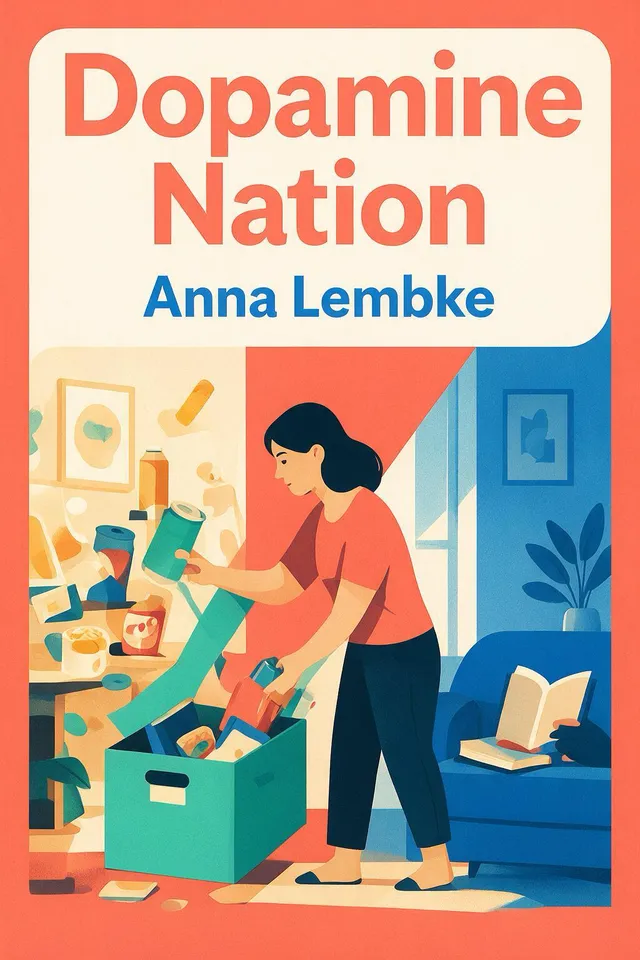
Dopamine Nation
Dopamine Nation asks why abundance and easy pleasure so often produce compulsion, anxiety, and pain. It connects addiction neuroscience to clinical stories and offers a practical path—abstinence, self-binding, measured discomfort, radical honesty, and supportive belonging—to recover a fuller capacity for ordinary life.

The Molecule of More
The book asks why humans keep pursuing what is absent, novel, or not yet possessed—even after getting what they wanted. It presents dopamine as a future-oriented engine of desire, control, creativity, and progress, then examines how attention, relationships, and embodied presence can restore satisfaction and balance.

The Hacking of the American Mind
Robert Lustig examines how modern life confuses short-lived pleasure with durable happiness. He follows that confusion through dopamine, serotonin, stress, food, technology, markets, and policy, then asks how connection, contribution, coping, and cooking might restore contentment and agency.

Hooked
Hooked explains how products turn recurring emotional discomfort into repeat behavior through triggers, easy actions, variable rewards, and user investment. It asks when behavior design helps people do what they value—and when it becomes manipulation—then offers a Bible app case study and a behavior-based method for testing habits and finding opportunities.

Digital Minimalism
Cal Newport’s Digital Minimalism asks how to use connected technologies without surrendering attention, solitude, conversation, or meaningful leisure. This audio-first summary follows the attention arms race, a values-based declutter, and practical ways to choose, constrain, and replace digital habits so technology serves a deliberately chosen life.

Indistractable
Indistractable asks why attention slips from chosen goals and how people can reclaim it. It explains the roles of internal discomfort, timeboxed values, external cues, and precommitments, then applies the framework to workplace culture, parenting, and intimate relationships—offering a practical way to protect attention in social settings.
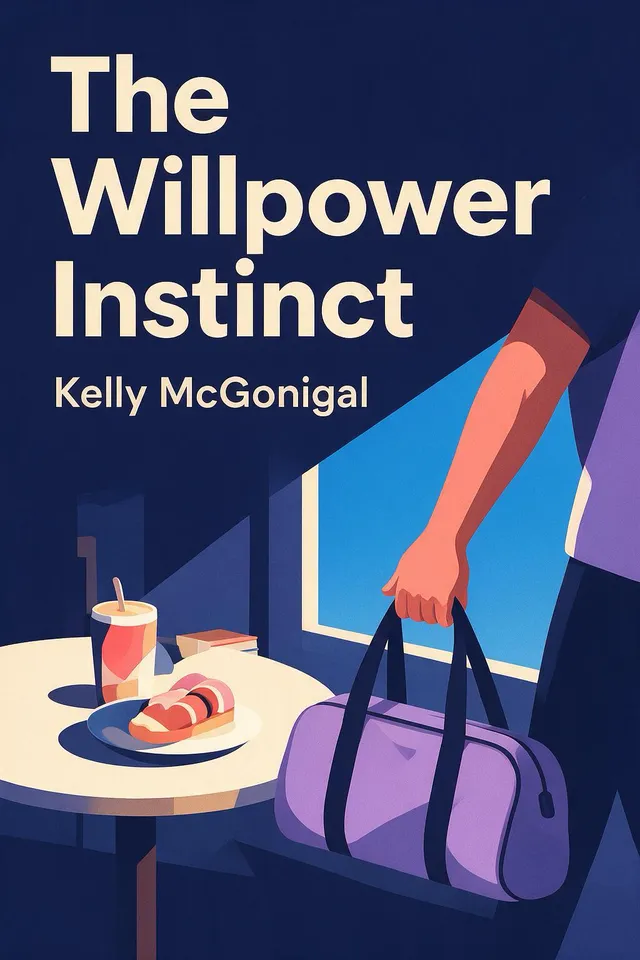
The Willpower Instinct
Why do we act against our own goals, and can self-control be trained? The Willpower Instinct maps the competing systems behind restraint, desire, stress, reward, time, and social influence, then turns that map into experiments for noticing impulses, designing better conditions, and choosing actions that serve longer-term aims.