Do Less, Do It Well
Rethink busyness, limits, rest, and the pace of a satisfying life.
Books in this collection
Slow Productivity
Slow Productivity examines why knowledge work turns visible busyness into a false measure of value, and asks how ambitious people can produce meaningful results without permanent overload. It develops three principles—do fewer things, work at a natural pace, and obsess over quality—then turns them into adaptable practices.
Four Thousand Weeks
Four Thousand Weeks asks how to live when a human lifespan is brief, demands are effectively unlimited, and no productivity system can create total control. It examines the costs of treating time as a resource and develops a practical philosophy of choosing, attending, resting, waiting, relating, and acting amid uncertainty and unfinished work.
Essentialism
Essentialism asks how to direct limited time and attention toward what matters most when choices, demands, and opinions multiply. McKeown’s method combines discernment, deliberate trade-offs, active elimination, and easier execution, then applies the same logic to personal priorities, daily focus, and leadership.
The 4-Hour Workweek
The 4-Hour Workweek asks how people can replace deferred retirement with a life organized around time, mobility, and chosen experiences. Ferriss’s DEAL framework—Definition, Elimination, Automation, and Liberation—connects dream-setting, selective productivity, automated cash flow, remote work, mini-retirements, learning, and service into a method for redesigning work and freedom.

Flow
Flow examines how people can improve the quality of life when circumstances cannot guarantee happiness. It asks how attention, challenge, skill, work, relationships, adversity, and purpose can organize consciousness into meaningful experience, while showing why flow's same power can become addictive or harmful. Its value is a framework for self-directed living.

Burnout
Burnout asks why caring, striving, and helping can leave people depleted even after an immediate problem ends. It distinguishes external stressors from the body’s unfinished stress response, then links recovery to flexible persistence, meaning, structural awareness, body acceptance, reciprocal connection, rest, and self-compassion.

Walden
Walden asks what a human life can become when inherited burdens, public opinion, and unnecessary consumption are tested against basic needs. Thoreau answers through a temporary cabin experiment, close attention to nature, and inward exploration, offering practical methods for freedom alongside tensions that resist simple imitation.
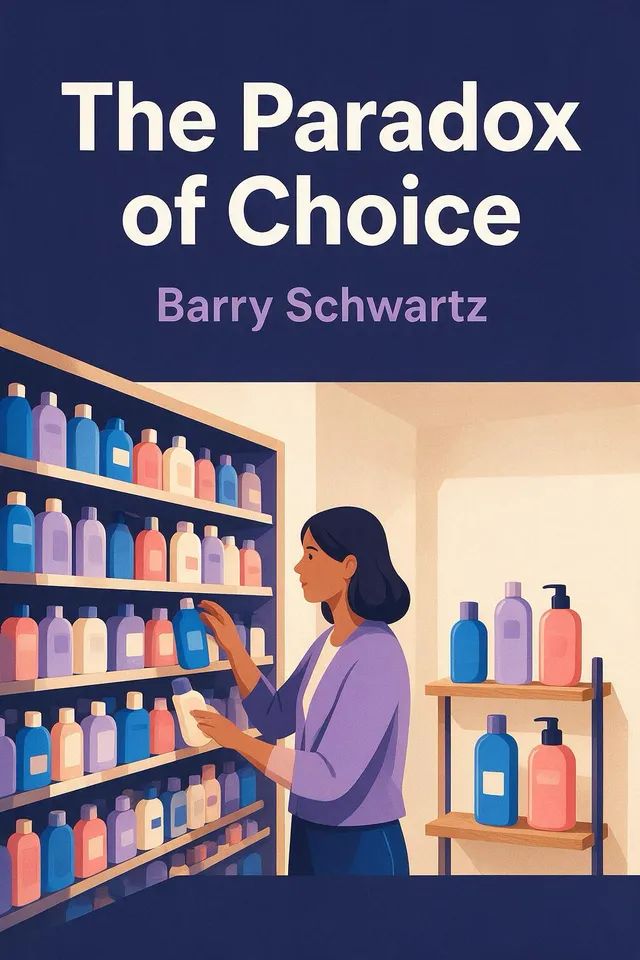
The Paradox of Choice
Barry Schwartz examines why the expansion of choice—from shopping and education to medicine and relationships—can increase autonomy yet also create overload, regret, comparison, and dissatisfaction. The book asks when more freedom stops helping and shows how satisficing, commitments, limits, and selective delegation can protect attention and well-being.
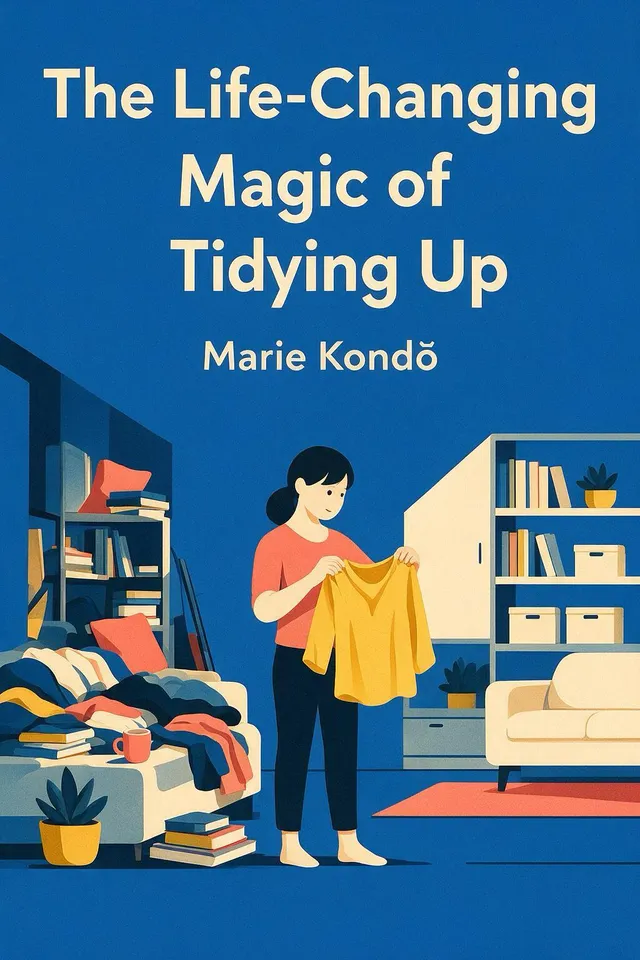
The Life-Changing Magic of Tidying Up
Marie Kondō’s method asks which possessions support the life you want and how your home can reflect that choice. This summary follows her discard-first, category-based process—from visualizing an ideal lifestyle and keeping what sparks joy to simple storage—and examines how sorting can clarify values and redirect attention toward meaningful work.