Empires, Nations, and Power
Explore how historians describe expansion, conflict, trade, political identity, and the changing fortunes of states across centuries.
Books in this collection
The Histories
Herodotus’s first four books ask how wars begin, empires rise, and power turns into ruin. Moving from Croesus and Cyrus through Egypt, Persia, Scythia, Kyrene, and Libya, this audio summary follows his comparisons of custom, geography, ritual, fortune, and evidence—showing how historical understanding grows through competing reports rather than certainty.
The History of the Peloponnesian War
Thucydides examines how Greek rivalries became a war between an expanding Athenian empire and a Spartan-led coalition, following the conflict through revolt, faction, diplomacy, Sicily, catastrophe, and recovery. Its central question is how power, fear, judgment, and chance turn insecurity into violence—and what that reveals about political life.
The Decline and Fall of the Roman Empire
Edward Gibbon asks how Roman power changed as Christianity, imperial administration, fiscal pressure, civil conflict, Persian rivalry, and Gothic migration reshaped the empire. This summary follows those interacting mechanisms while distinguishing documented episodes, conjecture, and later religious or political embellishment, giving listeners a compact map of his argument about decline.
A Distant Mirror
Barbara Tuchman follows Enguerrand de Coucy through late-medieval Europe to ask how plague, war, political fragmentation, social revolt, and religious crisis reshaped a society governed by chivalric and Christian ideals. The book’s value lies in testing grand historical explanations against individual choices, institutional failure, recurring human responses, and uncertain evidence.
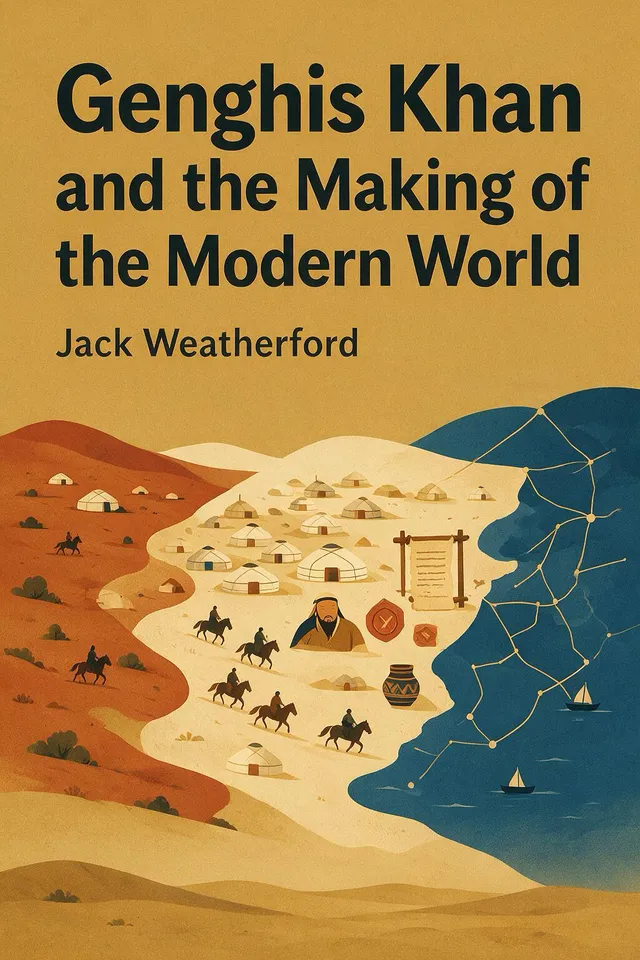
Genghis Khan and the Making of the Modern World
An audio-first summary of how Temujin became Genghis Khan, unified the steppe, and built an empire through mobility, merit, law, and selective cultural borrowing. It asks how conquest could produce both terror and a durable network of trade and knowledge—and what that network changed in Eurasia, Europe, and later historical memory.
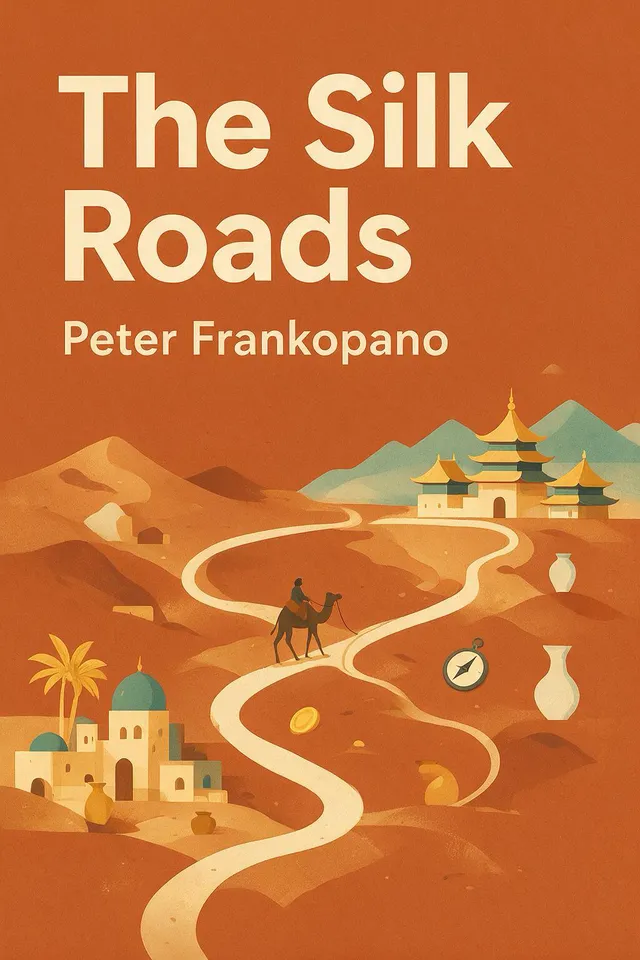
The Silk Roads
Peter Frankopan re-centers world history on the connected zone from the Mediterranean through Central Asia to China, asking how routes for trade, faith, war, disease, and resources redirected power. The summary explains Europe’s contingent rise and why Asia’s strategic centrality is returning.
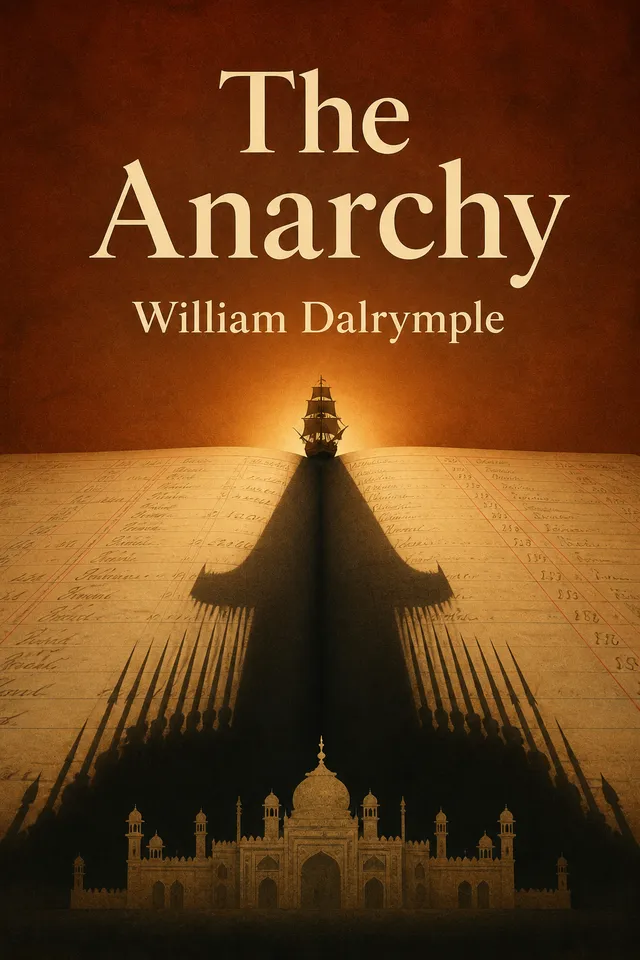
The Anarchy
The Anarchy follows the East India Company’s transformation from a trading venture into the power that displaced Mughal authority in India. It asks how finance, local alliances, military force, revenue extraction, and imperial legitimacy made corporate rule possible—and what famine, war, regulation, and resistance reveal about private power.
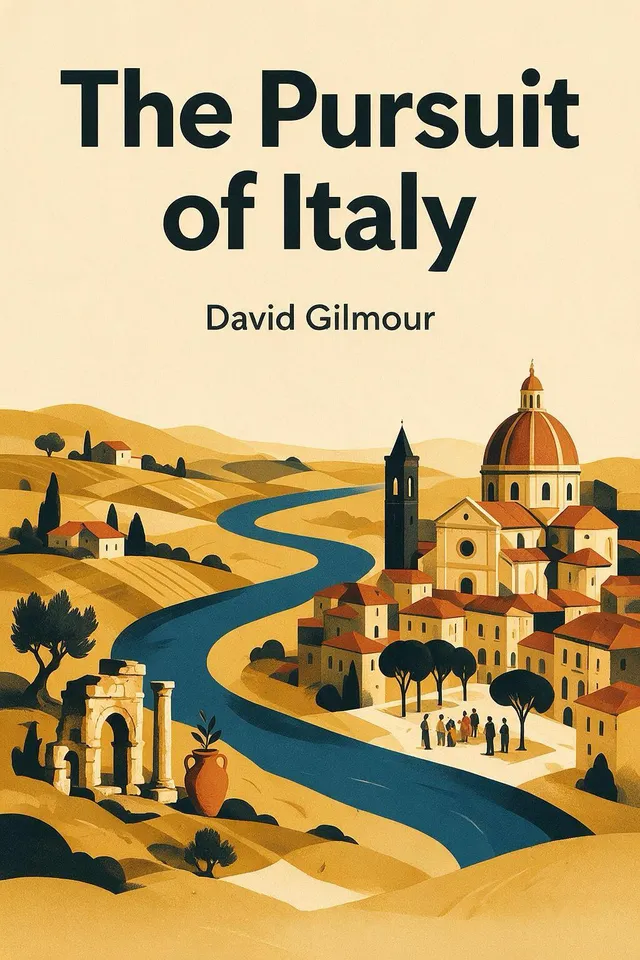
The Pursuit of Italy
David Gilmour asks whether Italy’s political unity was natural, necessary, or successful. Moving from geography, languages, and Roman and communal histories through unification, fascism, and the modern Republic, the book shows how regional loyalties shaped Italy—and why local civic life may have proved more resilient than the nation-state.