Faith and the Search for Meaning
Explore religious belief, sacred traditions, doubt, and the search for spiritual meaning.
Books in this collection
A History of God
How have Jews, Christians, and Muslims imagined God, and why have those ideas changed? Karen Armstrong traces the interplay of revelation, philosophy, mysticism, politics, and doubt, offering a historical framework for understanding religious language, competing claims to truth, and the relationship between faith and compassion.
The Power of Myth
The Power of Myth asks what myths do when inherited religions and rituals no longer organize modern life. Through creation stories, rites, heroes, love, the Goddess, the Grail, and images of eternity, it shows how metaphor connects personal change with nature, society, and mystery—and can guide a more conscious participation in life.
Confessions
Confessions follows Augustine from restless childhood, sexual and intellectual error, and attachment to mortal goods toward conversion, self-examination, and dependence on grace. It asks what makes a life truly happy and how a divided will returns to truth. Its intellectual value lies in joining autobiography to memory, time, creation, interpretation, and rest.

Pensées
How can people hunger for truth and happiness yet remain restless, divided, and unable to secure either? Pascal’s unfinished Pensées examines the limits of reason, the distortions of self-love and society, and the Christian answer in Christ, grace, Scripture, and the Church—clarifying how doubt, faith, and moral transformation fit together.
Mere Christianity
How can people recognize a moral law they repeatedly break, and what follows from that recognition? This concise account traces Lewis’s argument from shared moral experience through guilt, Christ’s rescue, Christian habits, and the transformation of human identity, showing how doctrine and daily moral practice belong to one connected question.
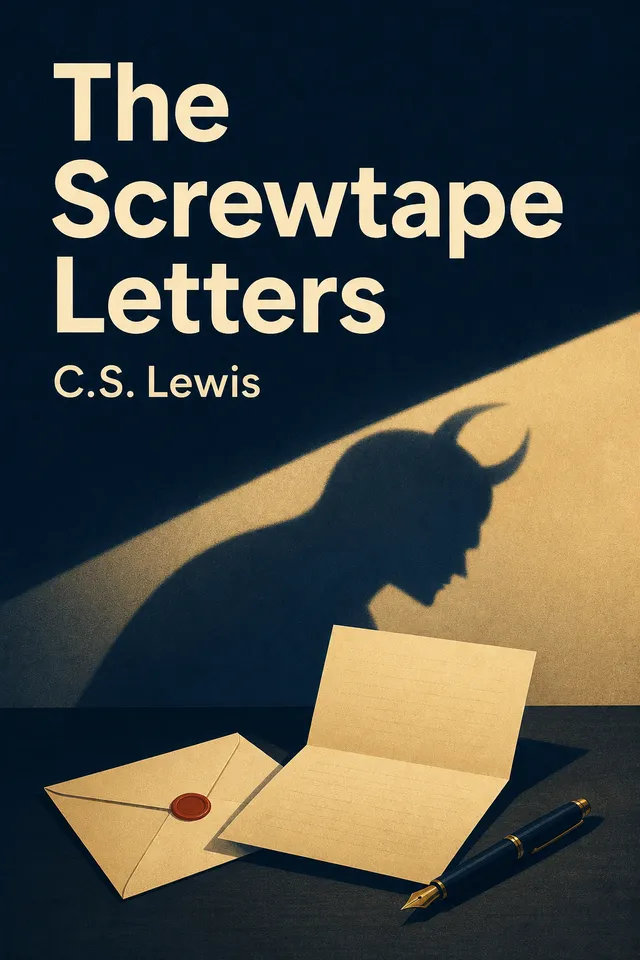
The Screwtape Letters
Through an ironic correspondence from an unreliable infernal perspective, the book asks how temptation turns attention, habits, pleasure, social belonging, and faith against themselves. It maps the counterforces—reality, humility, repentance, charity, prayer, and steady obedience—that restore moral agency in ordinary life.
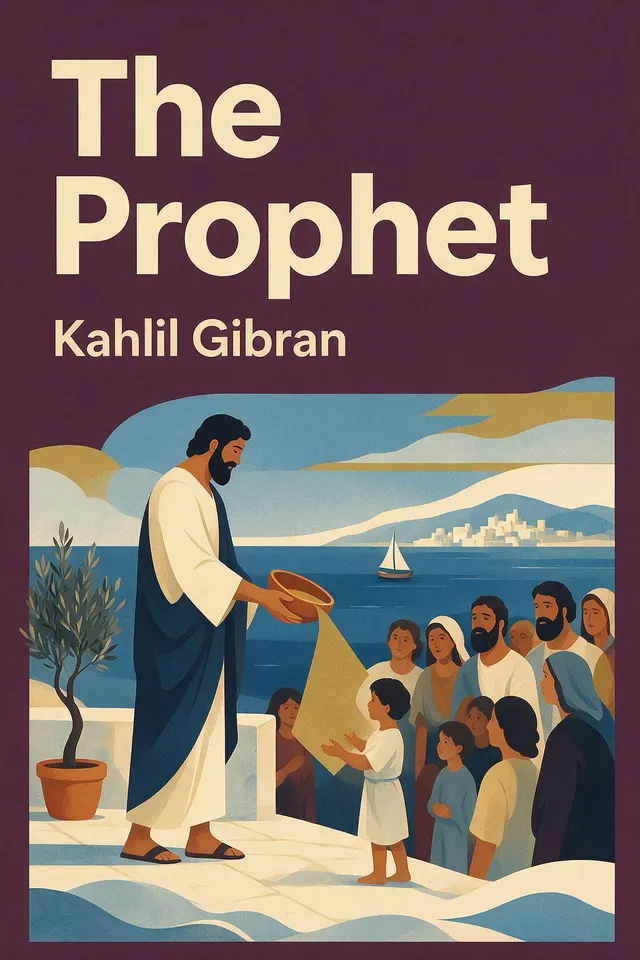
The Prophet
As Almustafa prepares to leave Orphalese, The Prophet asks how people can love without possession, work as part of shared life, hold joy and sorrow together, and meet death without losing their deeper unity. Its value is a poetic, experiential guide to spiritual wholeness in ordinary human choices.

Autobiography of a Yogi
Autobiography of a Yogi follows Mukunda from a devotional childhood through the search for a realized guru, disciplined Kriya practice, encounters with saints, and a mission of education and service. It asks how direct spiritual realization can loosen attachment, guide ordinary responsibility, and help East and West meet without abandoning their distinct strengths.
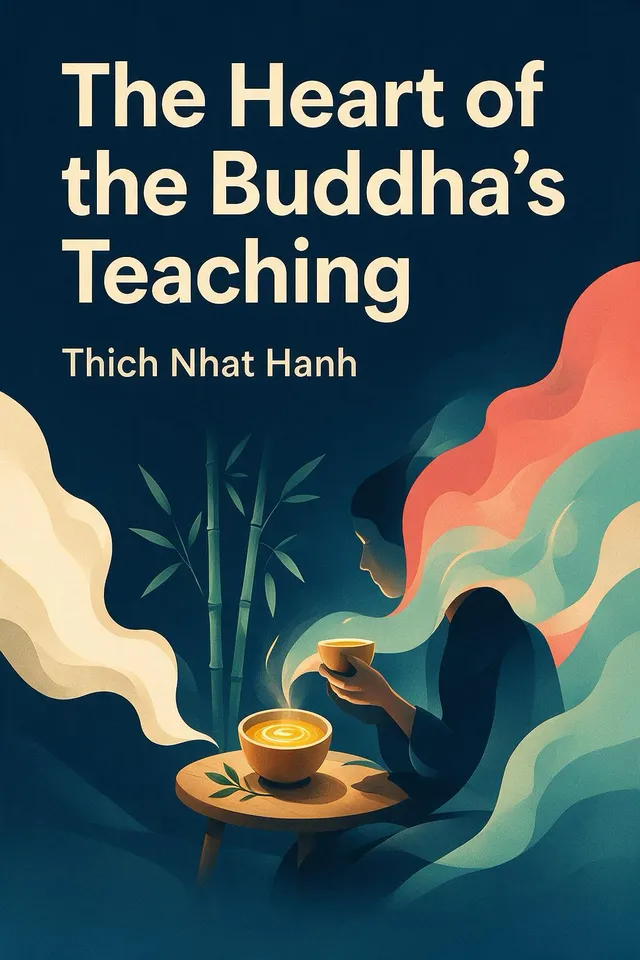
The Heart of the Buddha's Teaching
The Heart of the Buddha’s Teaching asks how suffering arises, how it can end, and what liberation looks like in ordinary life. It connects mindfulness, ethical action, compassion, interbeing, and meditation into a practical path for transforming personal pain while changing the conditions that sustain suffering in communities.
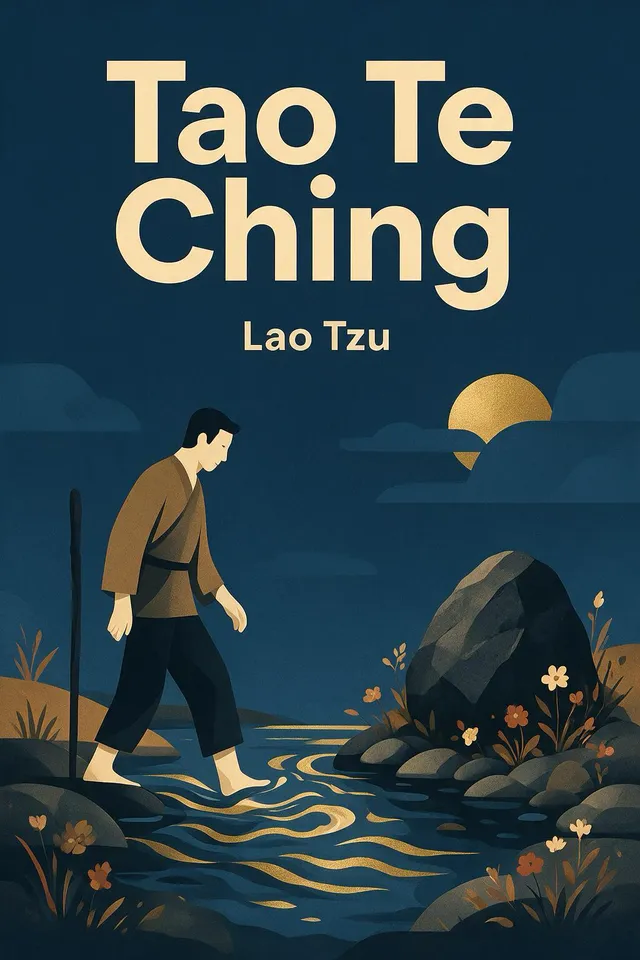
Tao Te Ching
Tao Te Ching asks how to live and govern when reality exceeds every fixed name. It explores whether yielding, humility, stillness, and enoughness can guide action more wisely than force, offering a framework for desire, leadership, conflict, and limits.
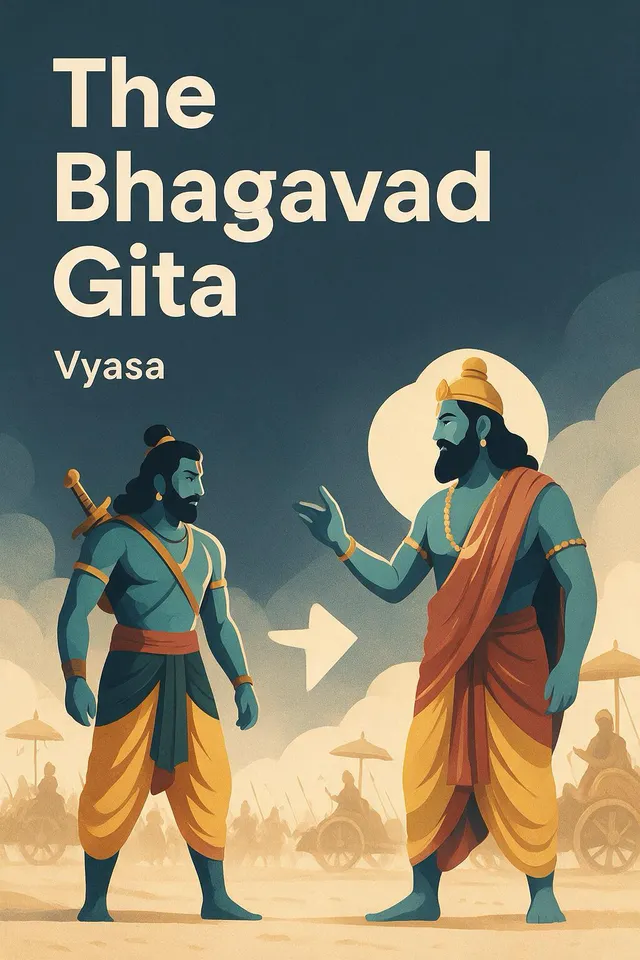
The Bhagavad Gita
On a battlefield, a warrior asks whether duty can be moral when it demands violence against kin. Krishna answers by joining a vision of the imperishable Self to disciplined action, meditation, devotion, and surrender. This summary traces how those paths address desire, suffering, and release from rebirth.
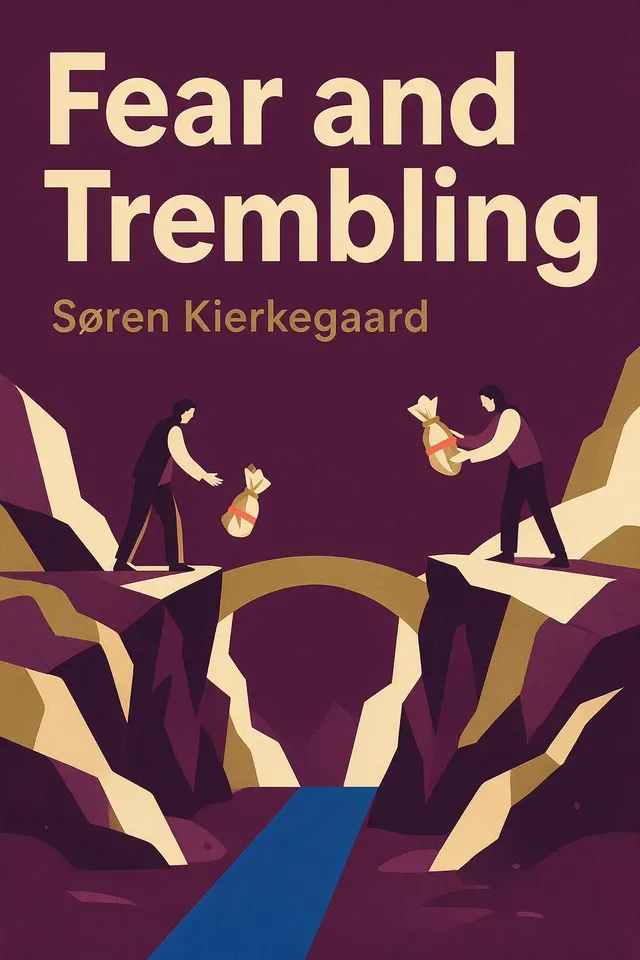
Fear and Trembling
Fear and Trembling asks what Abraham’s willingness to sacrifice Isaac reveals about faith when a divine command conflicts with universal ethics. Through poetic retellings, the double movement of resignation and faith, and debates over silence and duty, it offers a framework for distinguishing religious faith from resignation, tragic heroism, and aesthetic concealment.
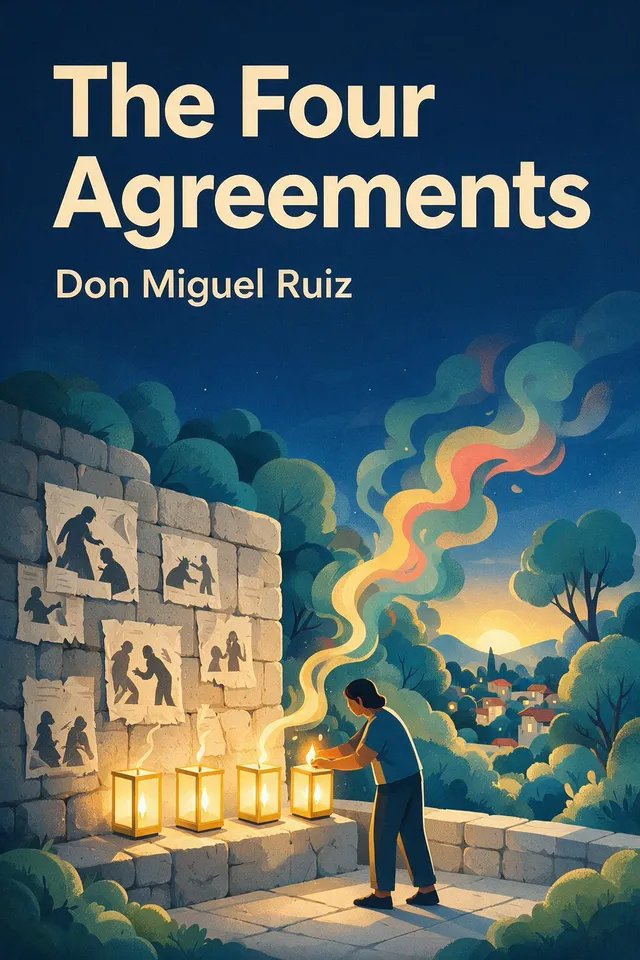
The Four Agreements
The book presents human suffering as the result of inherited agreements—fearful beliefs, judgments, and assumptions—that shape a personal dream. It asks how language and daily behavior can loosen that conditioning, and offers four practices for reclaiming self-trust, clearer relationships, emotional freedom, and a more loving way to inhabit life.

The Celestine Prophecy
The Celestine Prophecy presents a shift from material preoccupation to a spiritual worldview built on synchronicity, energy, and conscious relationships. It asks how people can recognize controlling patterns, receive guidance through questions and coincidences, and contribute to a cooperative, ecologically attentive future. Its value is a framework linking personal habits with cultural change.
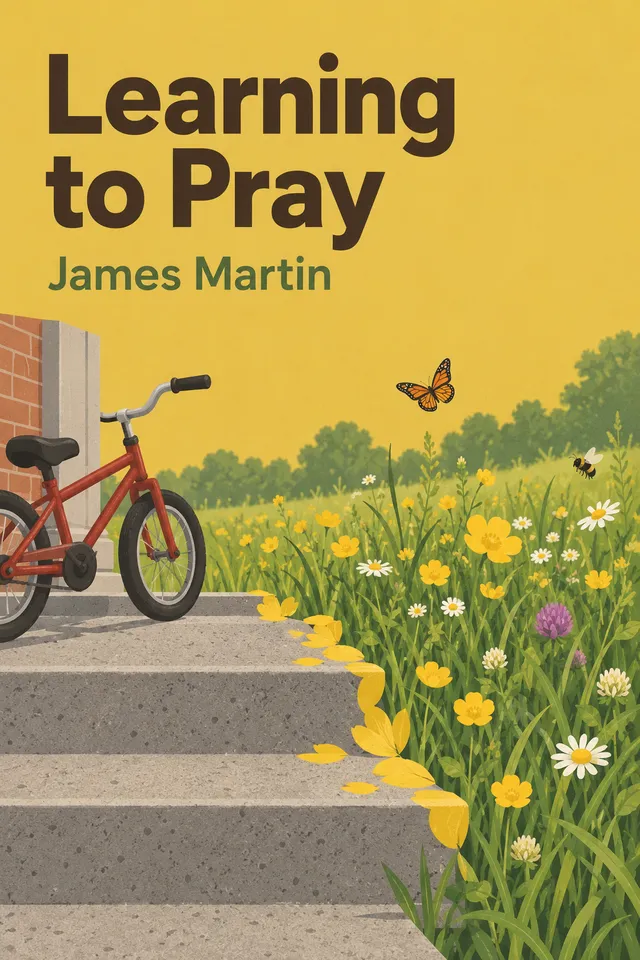
Learning to Pray
James Martin presents prayer as a relationship anyone can learn, beginning in desire and everyday moments rather than one required technique. He offers practical ways to ask, review a day, pray with familiar words, Scripture, imagination, silence, and nature, then considers how to discern inward experience, persist through difficulty, and carry prayer into action.
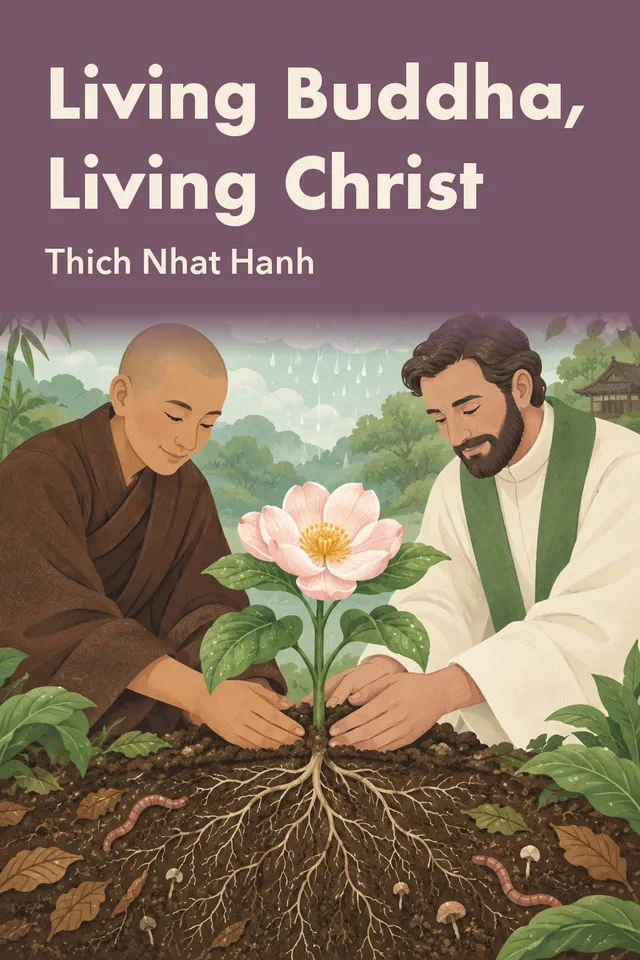
Living Buddha, Living Christ
Thich Nhat Hanh explores how Buddhists and Christians can meet across real differences while remaining rooted in their traditions. The book connects mindful breathing, deep listening, ethical conduct, and community with ways to transform suffering and encounter Buddha, Christ, and the ultimate in ordinary life.
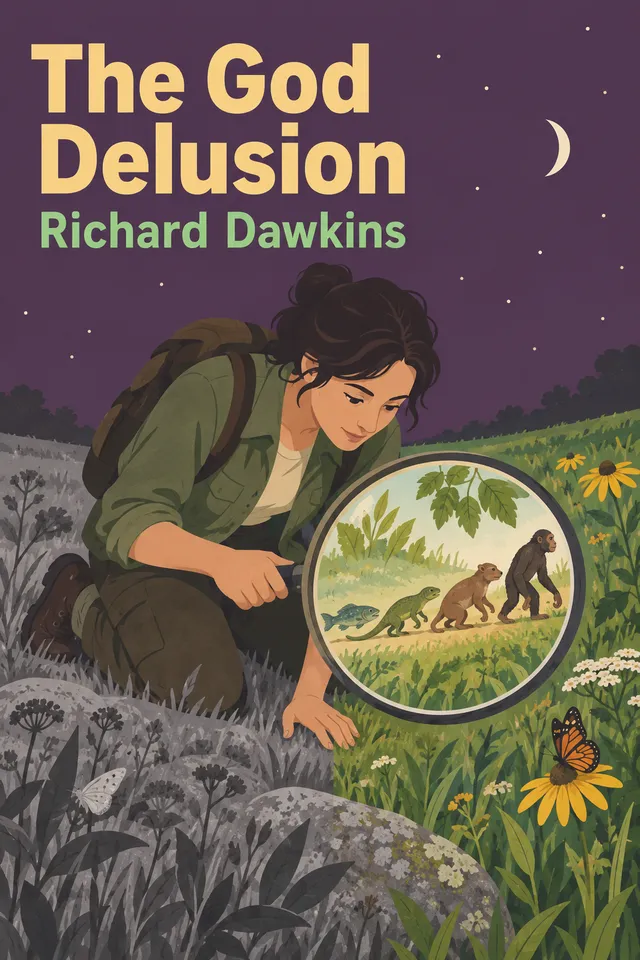
The God Delusion
Richard Dawkins asks whether a supernatural creator best explains the world, whether morality depends on God, and why religious belief persists. He tests arguments and experiences against scientific and evolutionary reasoning, then considers scripture, changing moral norms, religious authority over children, and secular sources of meaning and wonder.

The Four Loves
The Four Loves examines Affection, Friendship, Eros, and divine Charity, asking how human attachments can express goodness without becoming ultimate authorities. Lewis distinguishes need, gift, and appreciative attention, then traces how love can enlarge life, distort into control or idolatry, and be reordered through humility, fidelity, and grace. These distinctions clarify where to honor loyalty and where to resist its claims.
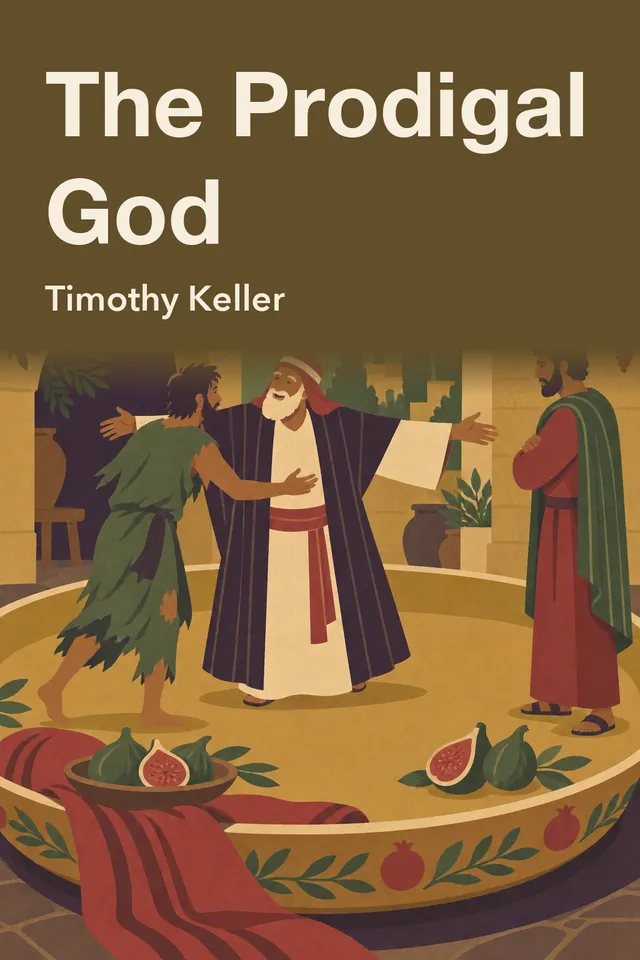
The Prodigal God
The book reads Jesus’ parable of the two sons as exposing both rebellion and respectable self-righteousness. It asks what it means to be lost, found, and brought home, tracing how costly grace reshapes repentance, hope, personal conduct, community, and care for vulnerable people.
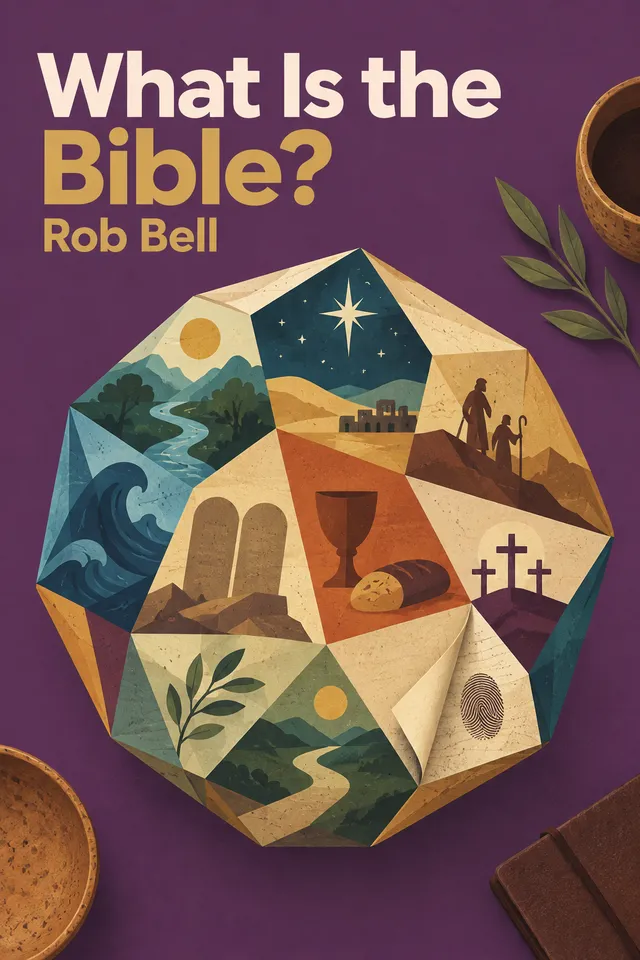
What Is the Bible?
Rob Bell asks what the Bible is and how it should be read. He presents it as a historically shaped library whose difficult, sometimes conflicting stories gain meaning through context, genre, and changing perspectives on God. Readers get questions for interpreting scripture and a practical test for whether new understanding leads to compassion and changed conduct.
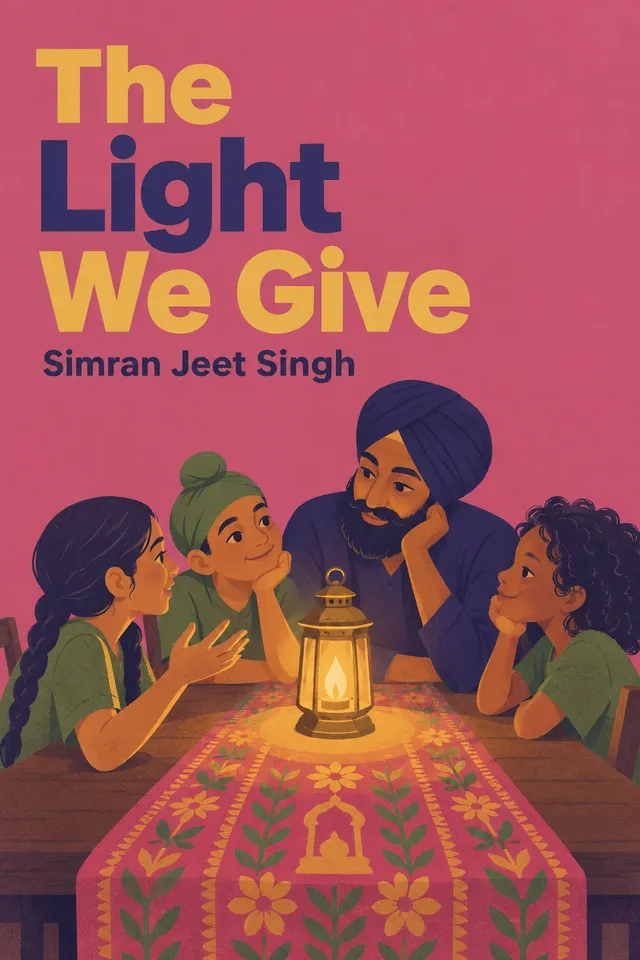
The Light We Give
Simran Jeet Singh traces how growing up visibly Sikh amid racism led him to reconsider how to respond to exclusion and how Sikh teachings might guide a life of justice. He develops practices of emotional honesty, gratitude, empathy across difference, love, values alignment, and seva, while preserving a central limit: compassion does not erase harm or replace accountability.