Find Your Writing Voice
From first drafts to revision, explore the craft and inner life of writing.
Books in this collection
On Writing Well
How can nonfiction make facts, places, institutions, memories, science, sport, art, and humor clear and alive? William Zinsser presents writing as a human craft: think clearly, choose precise words, shape the reader’s journey, report fairly, revise hard, and bring genuine curiosity to every subject.
Bird by Bird
Anne Lamott’s Bird by Bird is a guide to the craft and inner life of writing. It asks how attention, memory, and lived experience can become truthful, vivid work despite fear, perfectionism, envy, isolation, revision, and uncertain publication—and offers small assignments, patient observation, community, and purpose beyond external success.
On Writing
On Writing asks what makes a writer and how writing becomes clearer, truer, and more effective. Stephen King combines memoir with practical guidance on reading, practice, language, story, revision, publishing, addiction, recovery, and the place of art within a full life.
The Science of Storytelling
Why do some stories hold our attention and change how we see people? Will Storr connects storytelling to perception, curiosity, identity, and social emotion. His character-centered approach shows how flawed beliefs generate conflict, how language builds imagined worlds, and how writers can turn psychological insight into narrative choices.

The Storytelling Edge
The Storytelling Edge asks why some stories hold attention, build trust, and move people to act—and how organizations can use those effects without reducing storytelling to promotion. It connects narrative craft with practical frameworks for writing, audience development, data-informed content, and the organizational habits needed to sustain them.
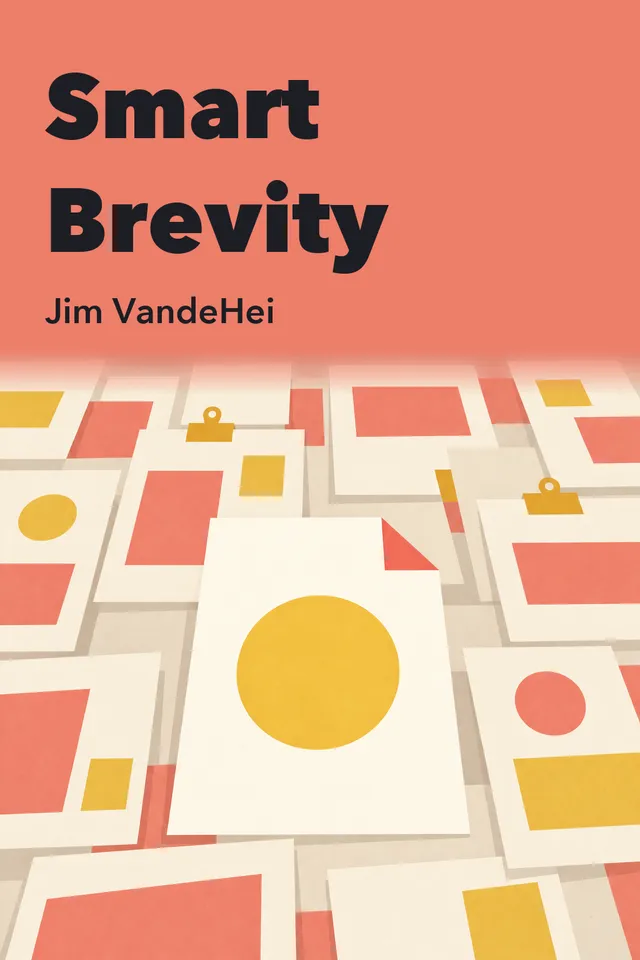
Smart Brevity
How can a message earn scarce attention without becoming shallow? Smart Brevity offers a reader-first method: identify the essential point, explain why it matters, and let people choose more detail. It applies that method to writing, newsletters, meetings, speeches, presentations, social posts, visual communication, and organizational leadership.
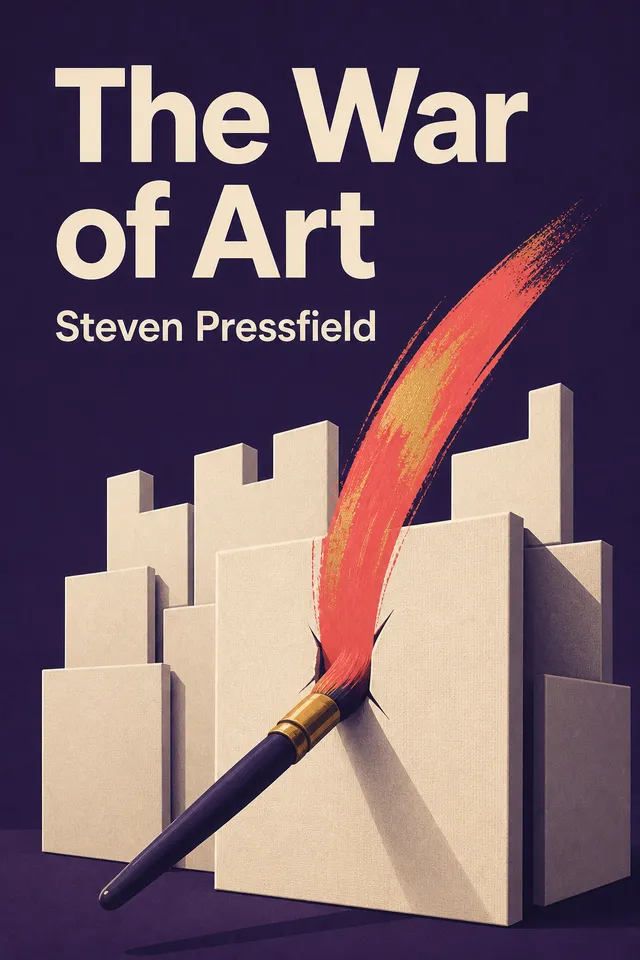
The War of Art
Steven Pressfield’s The War of Art asks why people resist meaningful creative work, how fear disguises itself as procrastination and self-sabotage, and what changes when a person turns professional. It offers a disciplined, spiritually open framework for beginning, sustaining, and giving one’s work to the world.
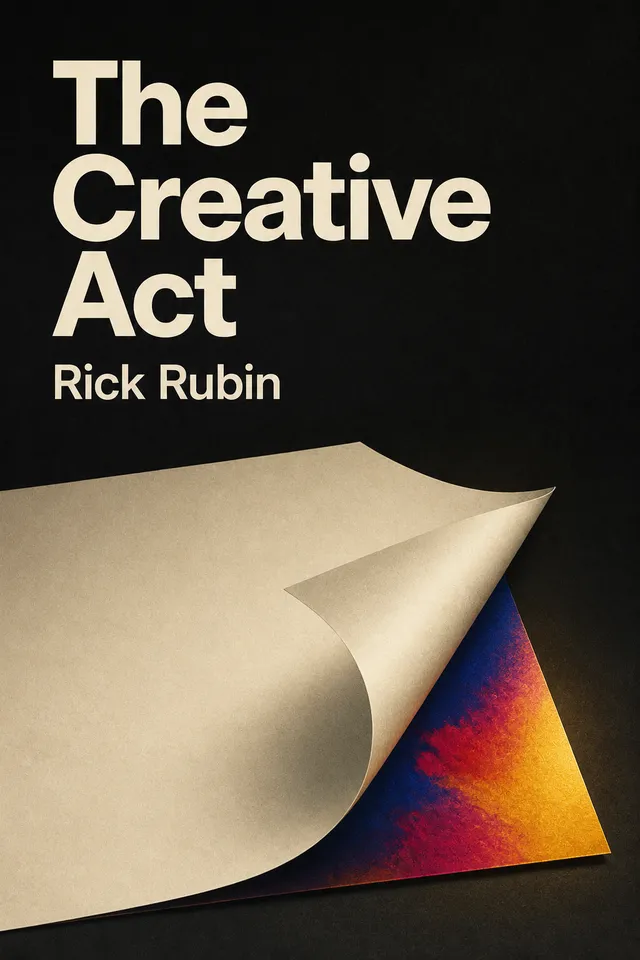
The Creative Act
The Creative Act treats creativity as a human way of perceiving, receiving, and shaping experience—not a rare talent. It asks how a maker can stay open to inspiration, develop skill, experiment, edit, collaborate, and release work without surrendering personal judgment, while art remains a way to connect people across time and language.
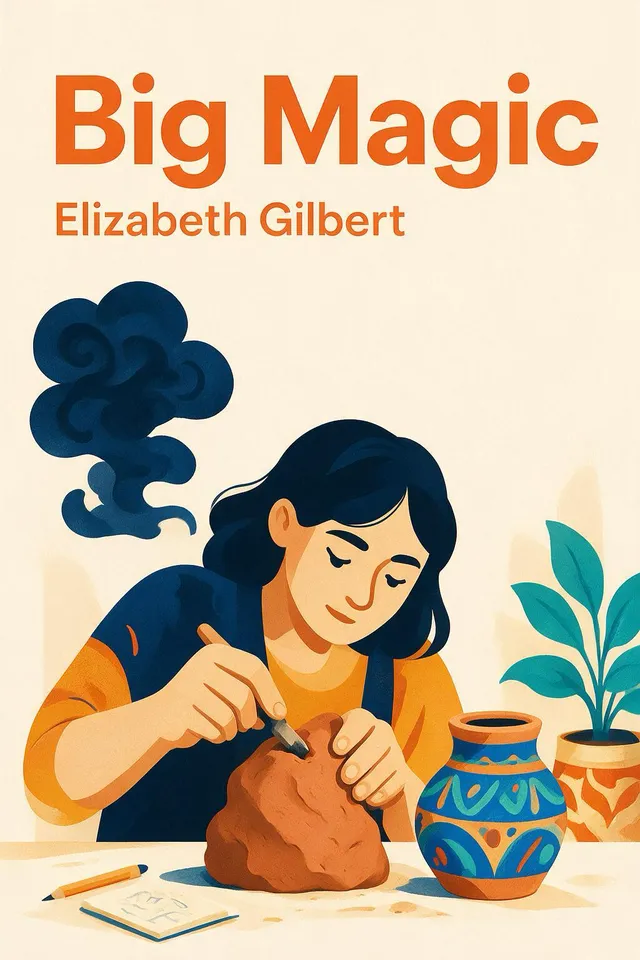
Big Magic
Big Magic asks how to live creatively without waiting for fearlessness, permission, perfect conditions, or guaranteed success. Elizabeth Gilbert treats creativity as both a human birthright and a collaboration with inspiration, then explores curiosity, disciplined practice, financial realism, play, persistence, and trust as ways to make and release work.