Get Things Done
Explore ways to organize tasks, priorities, and everyday routines.
Books in this collection
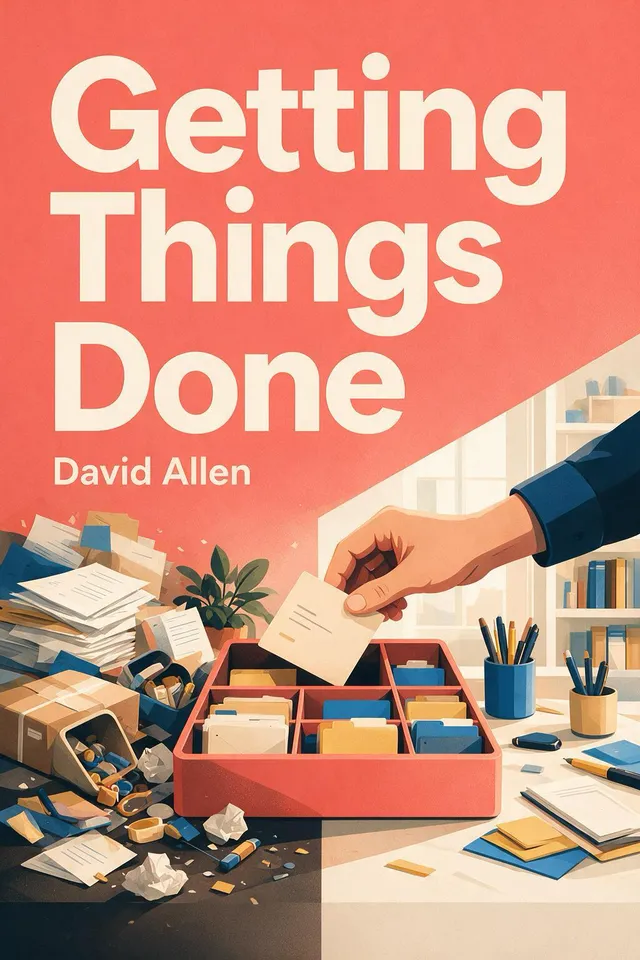
Getting Things Done
How can a person stay clear-headed when work, family, information, and promises keep multiplying? Getting Things Done presents a workflow for capturing open commitments, clarifying outcomes and next actions, organizing reminders, reviewing them, and choosing what to do. Its practical value lies in turning mental pressure into visible, renegotiable control.

Eat That Frog!
Eat That Frog! asks how people can make meaningful progress when demands exceed available time. Brian Tracy’s answer is a practical system for clarifying goals, ranking consequences, removing bottlenecks, preparing well, and finishing the hardest high-value task first—turning selective attention and repeated action into more reliable performance.
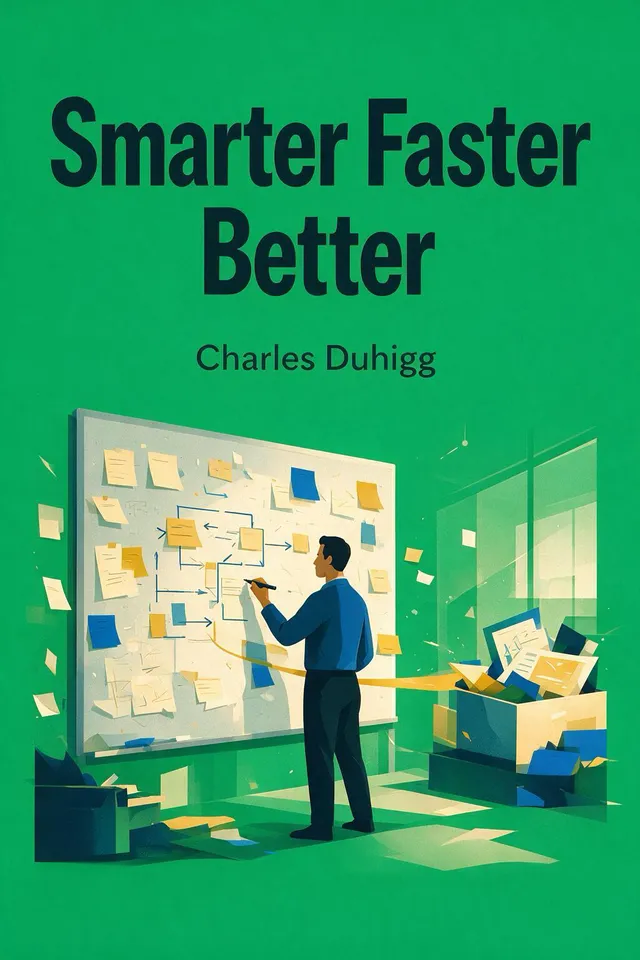
Smarter Faster Better
Smarter Faster Better asks how people and organizations can achieve meaningful results without equating productivity with busyness or sacrifice. Through cases in motivation, teamwork, focus, goals, management, decisions, innovation, and data use, it shows how choice, mental models, trust, uncertainty, creative recombination, and active learning shape better work and life.
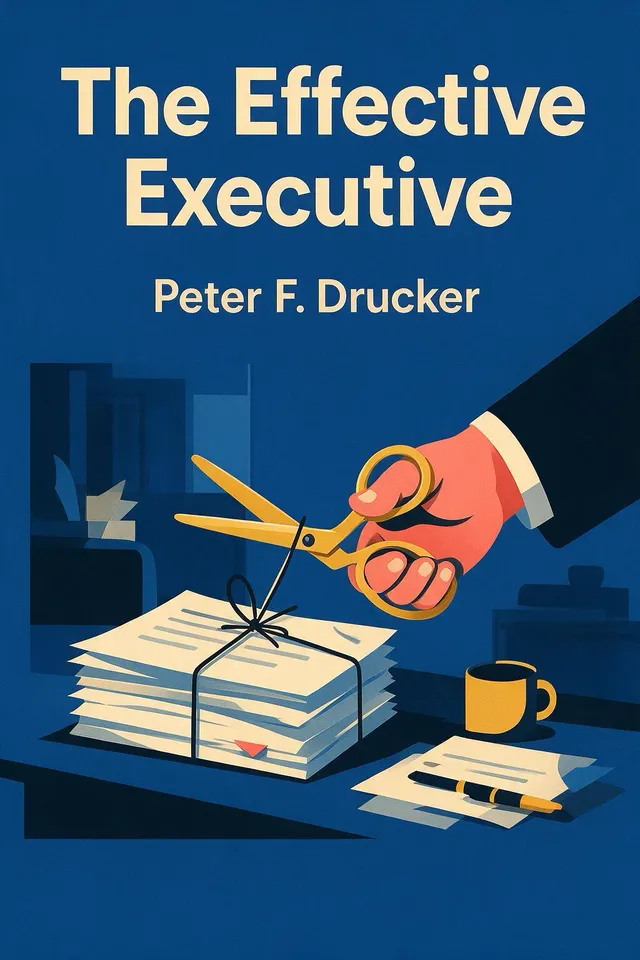
The Effective Executive
Peter F. Drucker asks how people in knowledge organizations can turn scarce time, specialized knowledge, and distributed responsibility into results. He presents effectiveness as a learnable discipline of contribution, strength, concentration, and decision-making, and connects it to organizational renewal, knowledge-worker productivity, and personal fulfillment.
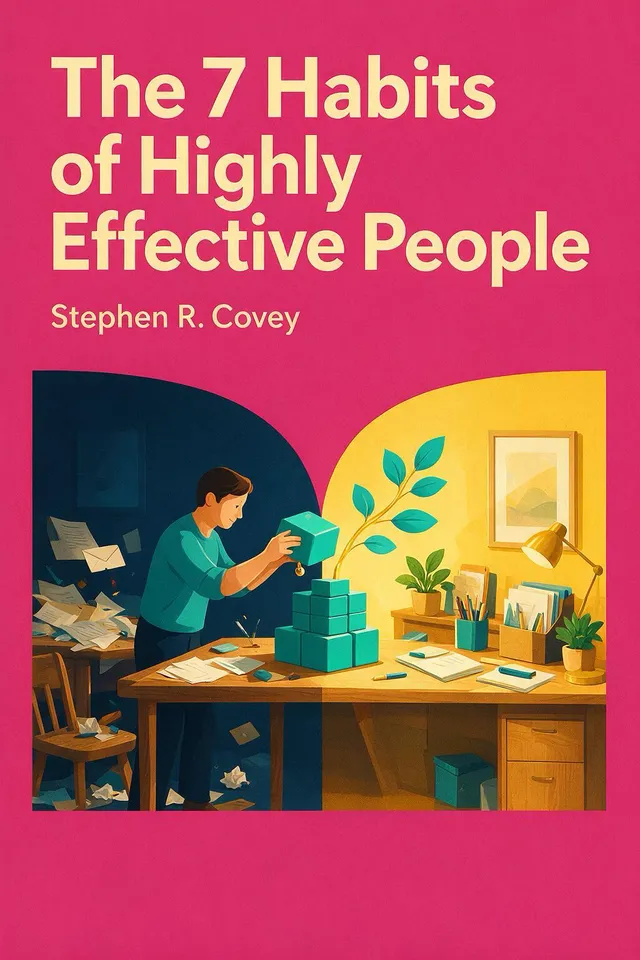
The 7 Habits of Highly Effective People
An adaptive outline for an audio-first summary of Stephen R. Covey’s framework for effectiveness. It asks how people can replace inherited or superficial approaches with principle-centered habits, then translate self-mastery into trust, mutual benefit, empathic communication, creative cooperation, and sustained renewal.

The Miracle Morning
Hal Elrod’s The Miracle Morning asks how deliberately using the first part of the day can help a person move toward a fuller, self-defined life. This summary explains the six S.A.V.E.R.S. practices, a snooze-proof waking sequence, flexible formats, and the 30-day process for turning intention into habit.
The 5 AM Club
Why do some people protect their best attention while others surrender it to distraction? The 5 AM Club presents an early-morning framework of movement, reflection, learning, habit formation, focused work, recovery, and service, asking how disciplined daily choices can turn potential into meaningful contribution.