How Humanity Got Here
Compare ambitious and sometimes conflicting accounts of human history, social development, violence, prosperity, and progress.
Books in this collection
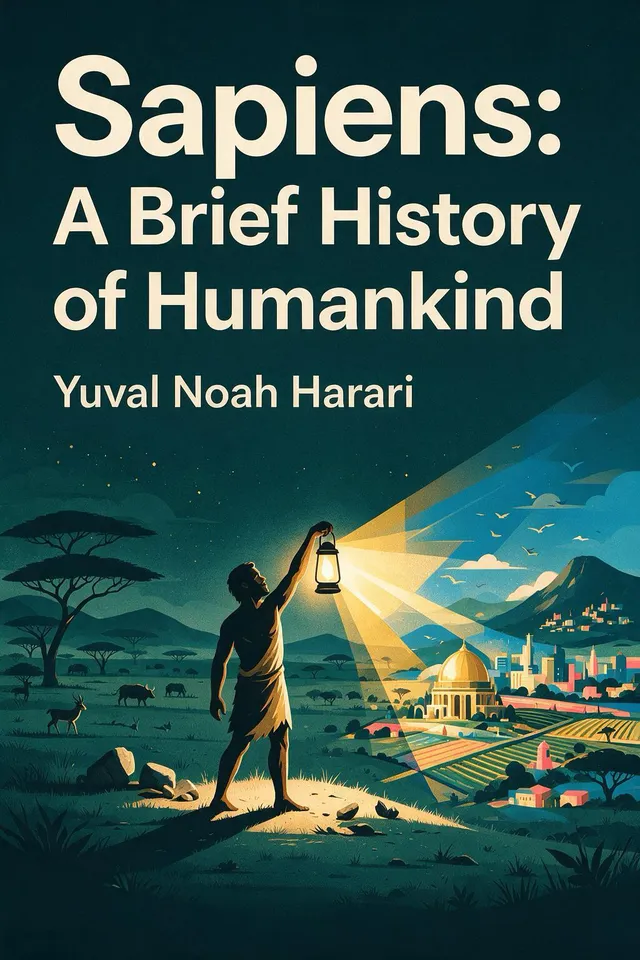
Sapiens: A Brief History of Humankind
Sapiens asks how an unremarkable ape became the dominant human species—and whether rising collective power improved individual life. It traces the Cognitive, Agricultural, and Scientific Revolutions through shared fictions, money, empire, religion, capitalism, and industry, then weighs modern progress against happiness, ecological cost, and the prospect of redesigning humanity.
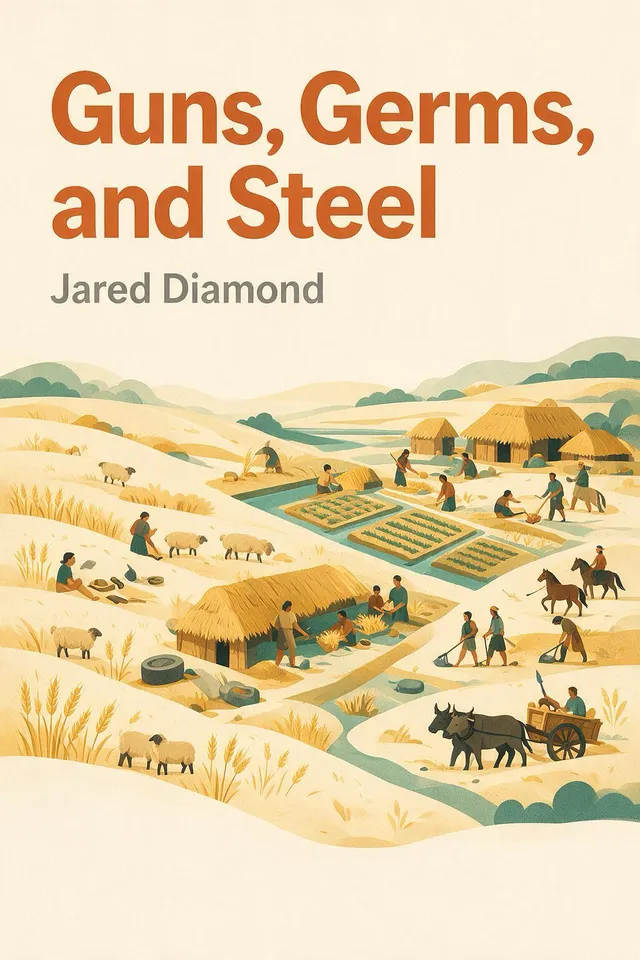
Guns, Germs, and Steel
Why did some human societies gain farming, states, writing, germs, and steel earlier than others? This summary follows the book’s environmental explanation from human settlement and domestication through disease, technology, conquest, and regional comparisons, while separating broad historical patterns from cultural contingency and unresolved questions.
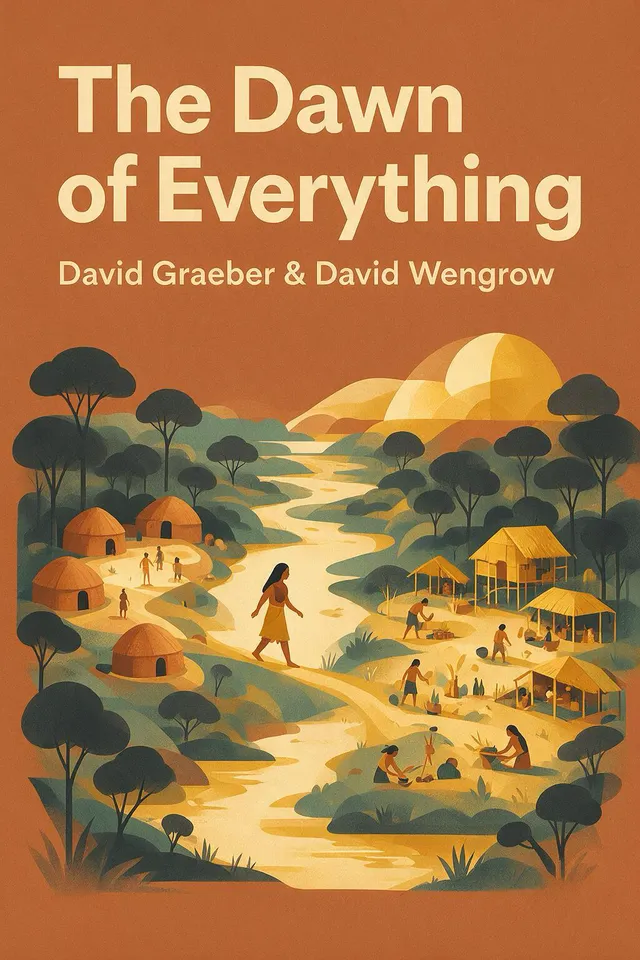
The Dawn of Everything
The Dawn of Everything asks why human history is so often told as a march from foraging to farming, inequality, cities, and states. Graeber and Wengrow assemble archaeological and Indigenous evidence to show how people repeatedly redesigned collective life—and why recovering those alternatives changes what we think is politically possible.

The Silk Roads
Peter Frankopan re-centers world history on the connected zone from the Mediterranean through Central Asia to China, asking how routes for trade, faith, war, disease, and resources redirected power. The summary explains Europe’s contingent rise and why Asia’s strategic centrality is returning.
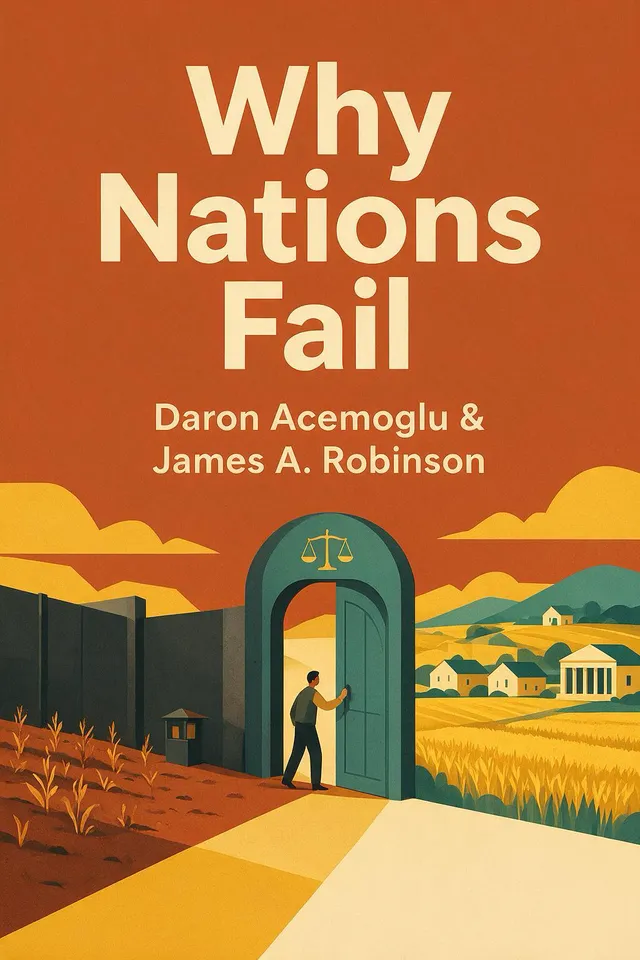
Why Nations Fail
Why do societies with similar geography and history become rich, poor, or trapped in coercion? Why Nations Fail argues that political power shapes economic institutions, incentives, and innovation. Its historical comparisons clarify persistent inequality and show why broad coalitions, accountable institutions, and empowered citizens matter for durable prosperity.
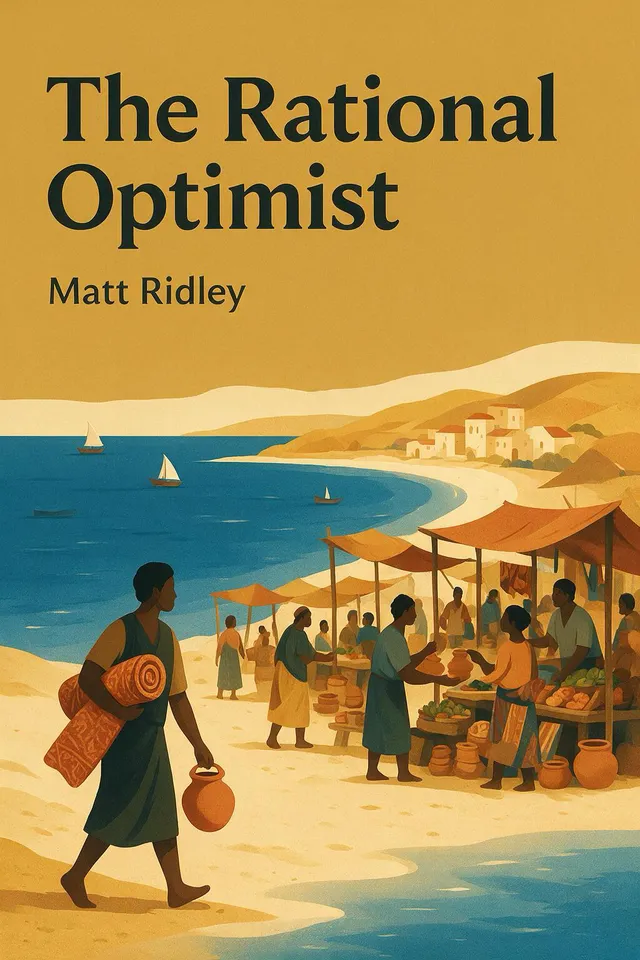
The Rational Optimist
The Rational Optimist asks why human living standards have risen despite scarcity, conflict, disease, and repeated forecasts of collapse. Matt Ridley traces progress to exchange, specialization, trust, institutions, energy, and cumulative innovation, then tests those mechanisms against population, agriculture, Africa, and climate. The result is a framework for judging change without denying risk or suffering.
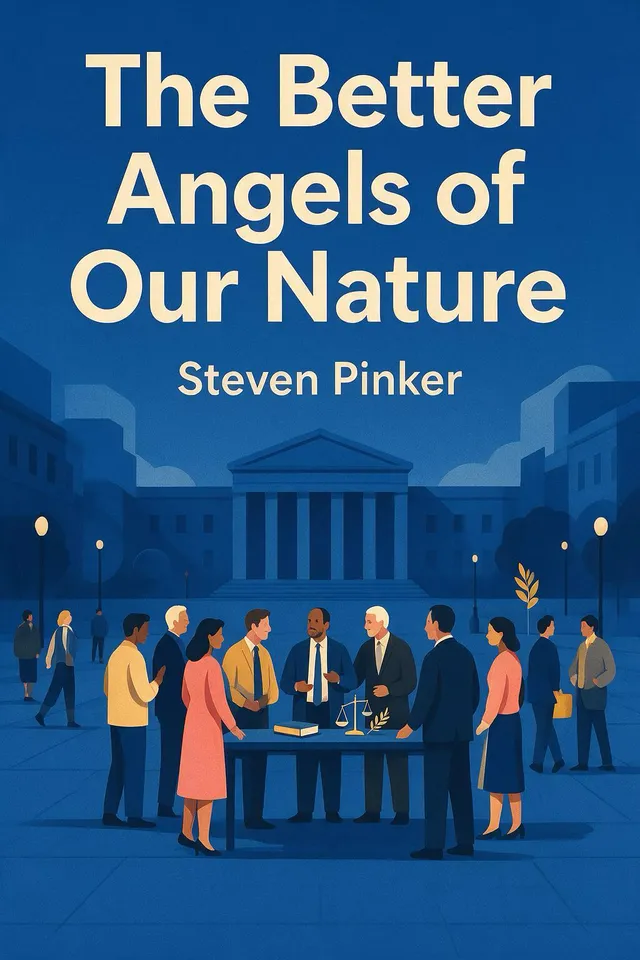
The Better Angels of Our Nature
Why has violence fallen across homicide, war, genocide, terrorism, and everyday life? Pinker combines historical records, quantitative comparisons, moral psychology, and institutional analysis to explain the decline, its reversals, and the fragile forces—law, commerce, empathy, reason, and expanding rights—that make peace possible.
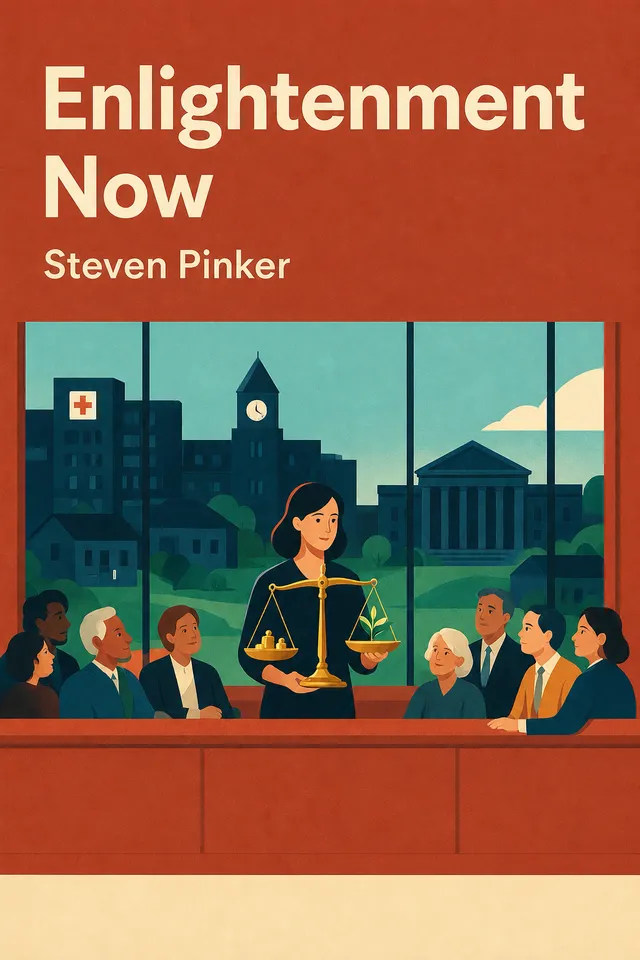
Enlightenment Now
Steven Pinker asks whether the modern world is genuinely getting better—and what made that improvement possible. Enlightenment Now traces progress through reason, science, humanism, institutions, and evidence across health, wealth, safety, rights, knowledge, happiness, and risk, offering a way to recognize gains without mistaking them for guarantees.
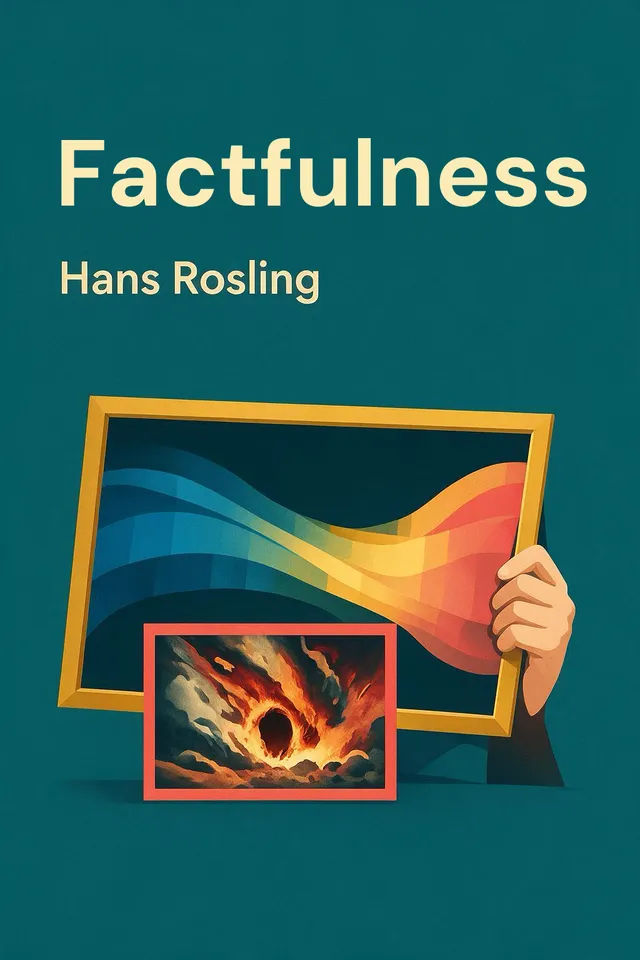
Factfulness
Factfulness asks why people misunderstand global conditions and how to replace dramatic, binary intuitions with a calmer, evidence-tested worldview. It links ten recurring instincts to practical habits: compare distributions, check trends and rates, put risks in proportion, update categories, question single causes, and act on serious problems with systems-aware judgment.