How Life Evolved
Follow explanations of evolution, inheritance, DNA, and cellular life from foundational arguments to later discoveries and debates.
Books in this collection
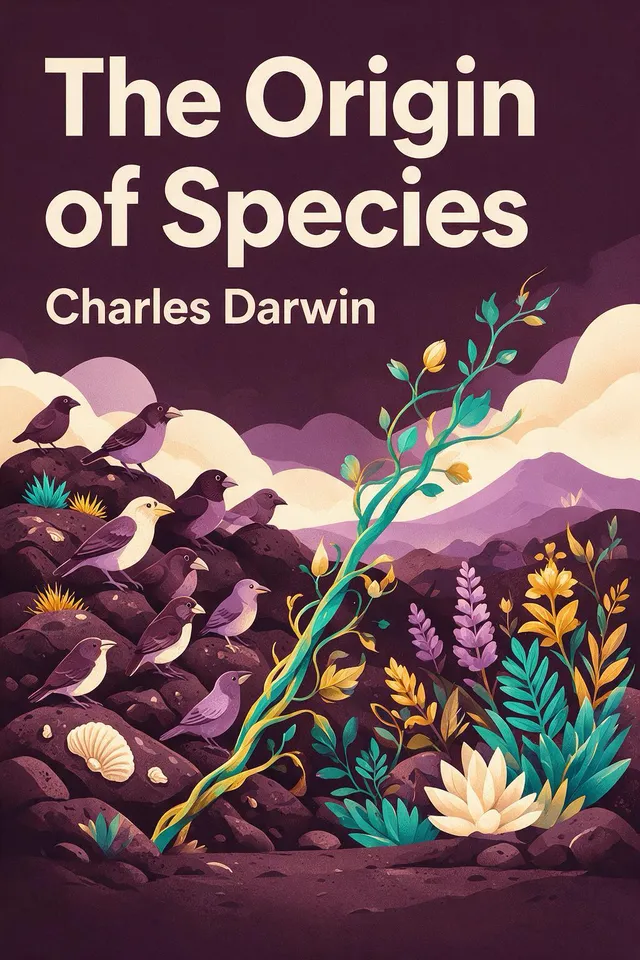
The Origin of Species
Why do species resemble one another yet fit different conditions? This audio summary follows Darwin’s case from domesticated variation and population struggle to natural selection, then tests it against instinct, hybrid sterility, fossils, geography, classification, embryology, and rudimentary organs. It shows how common descent can explain both adaptation and imperfection.
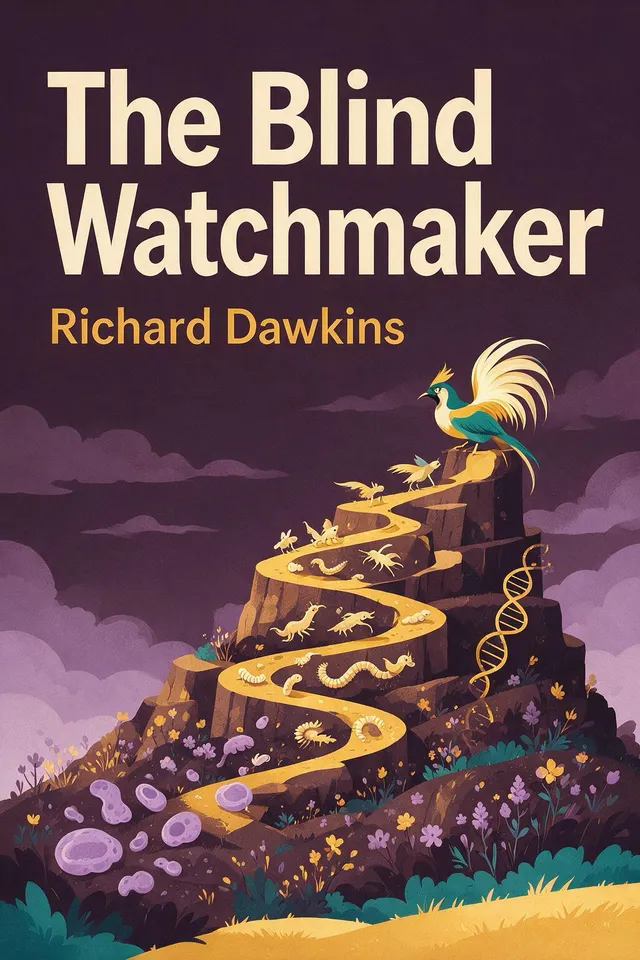
The Blind Watchmaker
How can living things look engineered if no engineer designed them? Richard Dawkins traces cumulative natural selection from inherited variation and viable intermediates to genes, origins, arms races, development, and common descent, showing how blind processes can produce adaptive complexity and offering a framework for judging rival explanations.
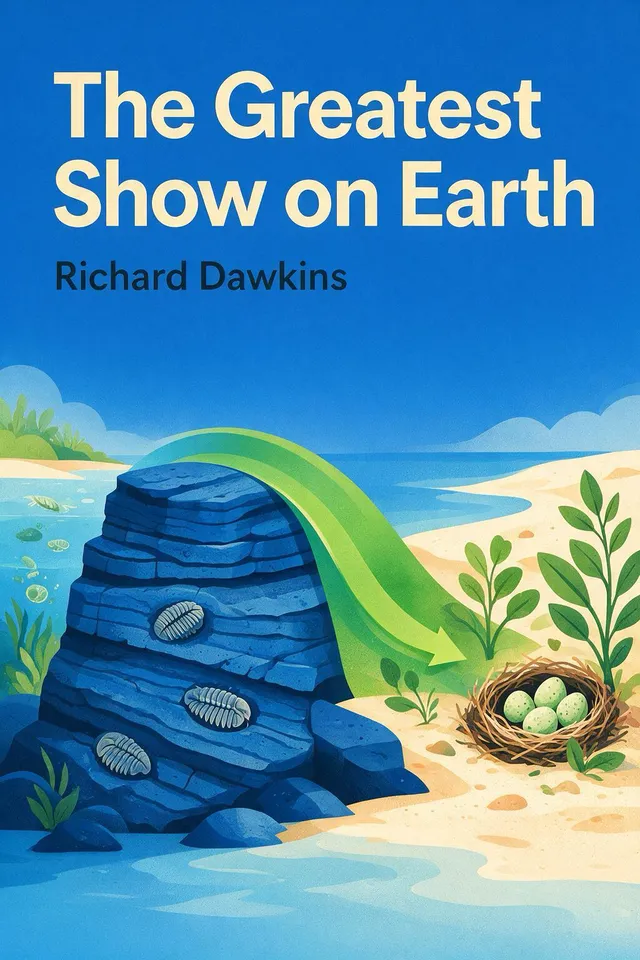
The Greatest Show on Earth
Richard Dawkins asks how we can know evolution happened and how natural selection turns inherited variation into adaptation. Drawing on geological clocks, living experiments, fossils, embryology, biogeography, anatomy, and molecular comparisons, the book builds a cumulative case for common descent and explains why life’s complexity coexists with historical imperfections.
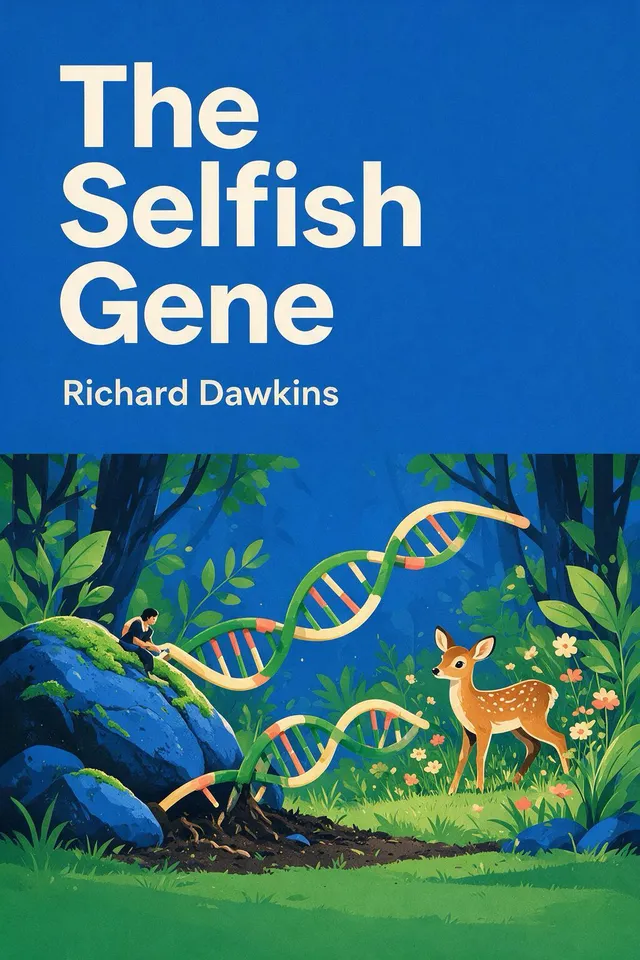
The Selfish Gene
The Selfish Gene asks how evolution can produce selfishness, altruism, cooperation, and culture when selection favors replicators. Dawkins follows that question from early self-copying molecules through genes, survival machines, kin and sexual conflict, reciprocal cooperation, memes, and effects beyond the body—offering a framework for separating evolutionary explanation from moral instruction.
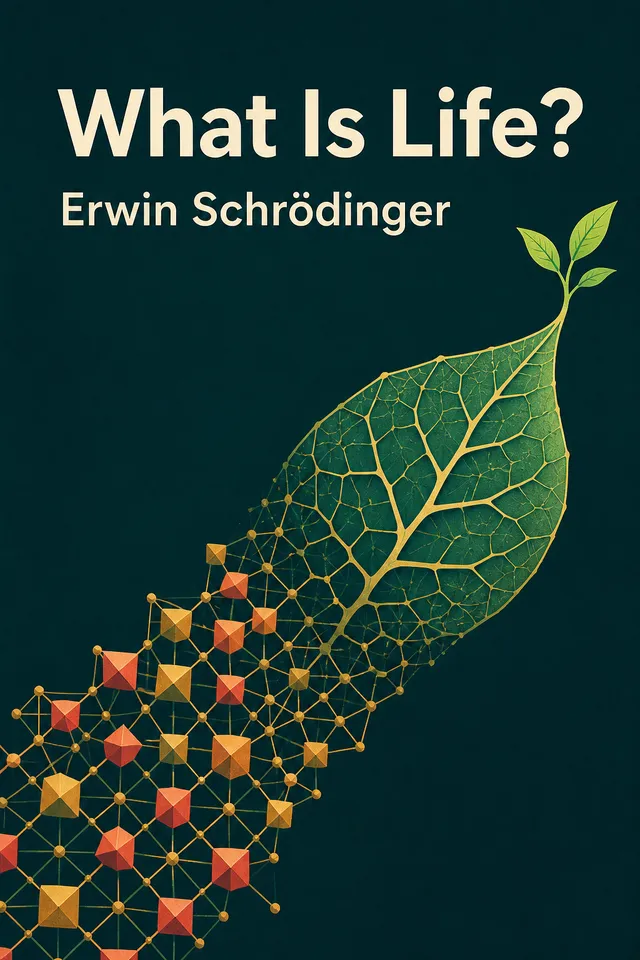
What Is Life?
Erwin Schrödinger asks how life preserves inherited form, changes across generations, and remains organized instead of approaching equilibrium. By connecting statistical physics and thermodynamics with chromosomes and genes, he develops a physical framework for understanding biological order as something both drawn from the environment and transmitted through molecular structure.
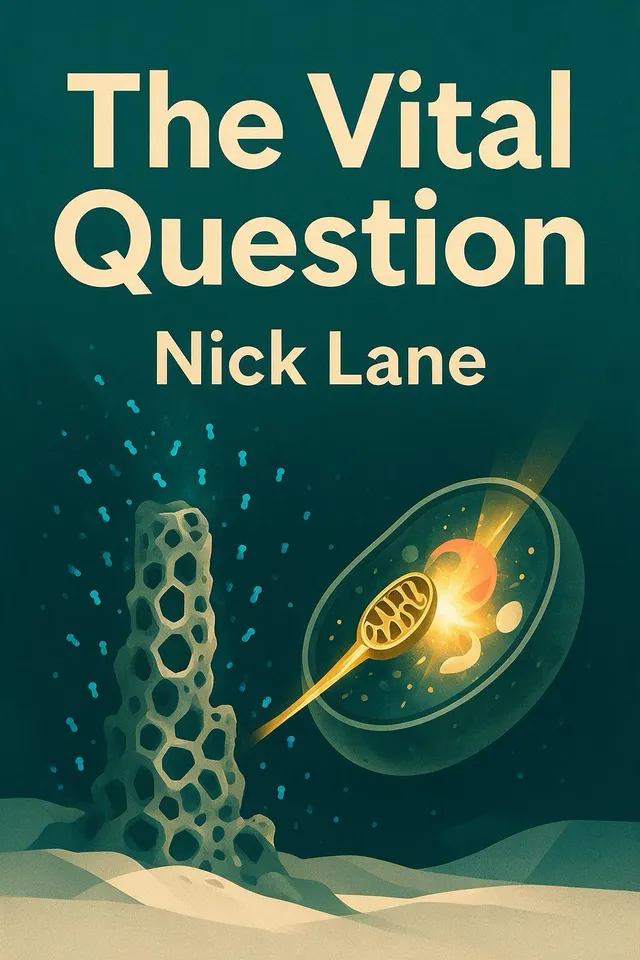
The Vital Question
Nick Lane asks why life universally turns chemical gradients into usable energy, why bacteria and archaea remained simple for billions of years, and why complex cells appeared only once. He links alkaline-vent chemistry, mitochondrial endosymbiosis, sex, ageing, and disease into a testable account of life’s origins and rarity.
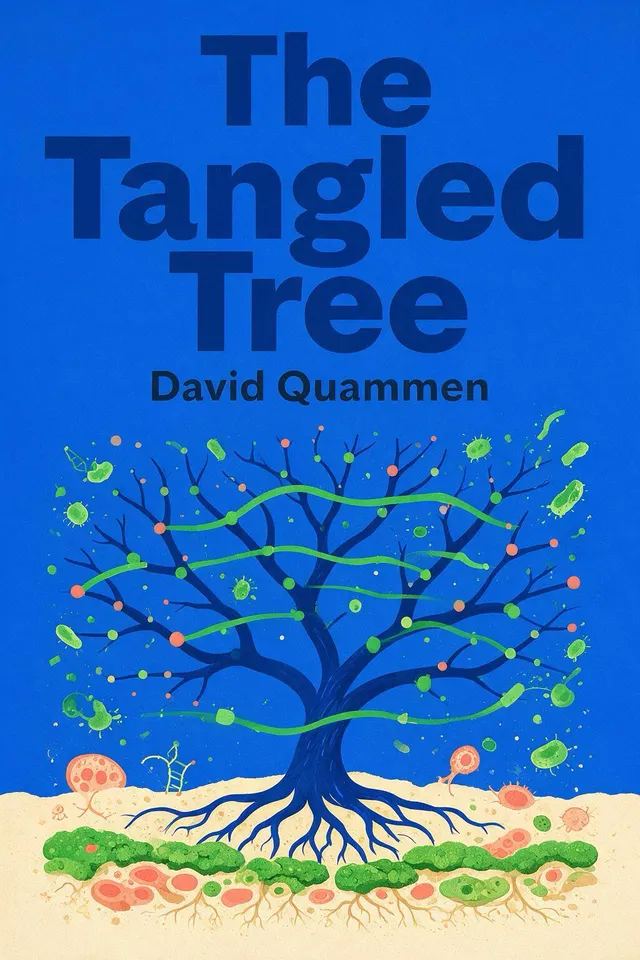
The Tangled Tree
How did the Tree of Life change when scientists compared molecules instead of appearances? The Tangled Tree follows Archaea, endosymbiosis, horizontal gene transfer, mobile DNA, microbial communities, and CRISPR, showing why evolution is both branching and networked—and what that means for species, human biology, antibiotics, and genome editing.
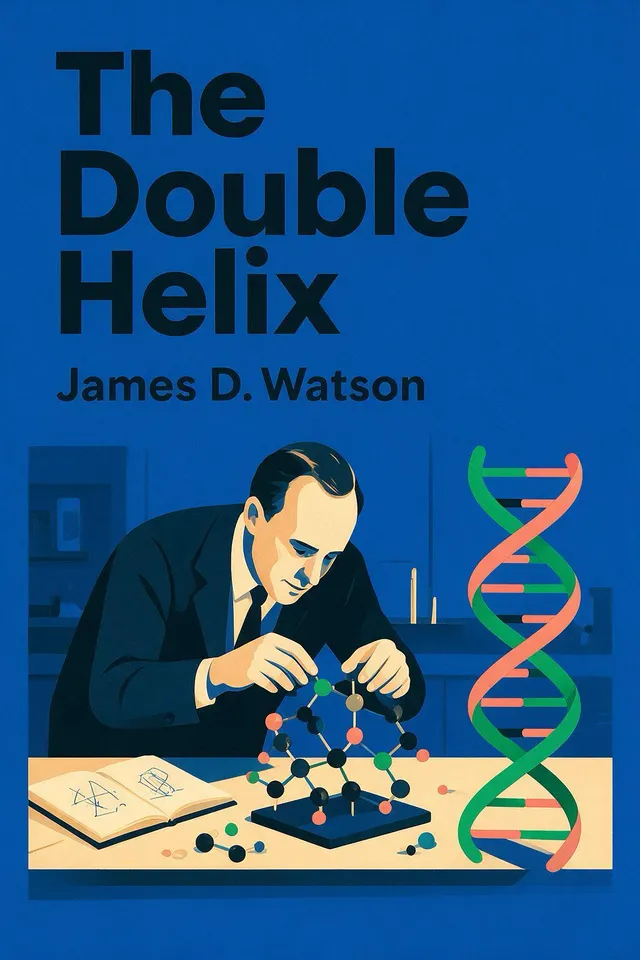
The Double Helix
James D. Watson’s memoir traces the race to explain DNA’s structure: how did fragmentary diffraction evidence, chemical clues, model building, rivalry, and collaboration converge on the double helix—and what do later disputes over credit and memory reveal about scientific discovery? The summary preserves both the reasoning and its human limits.
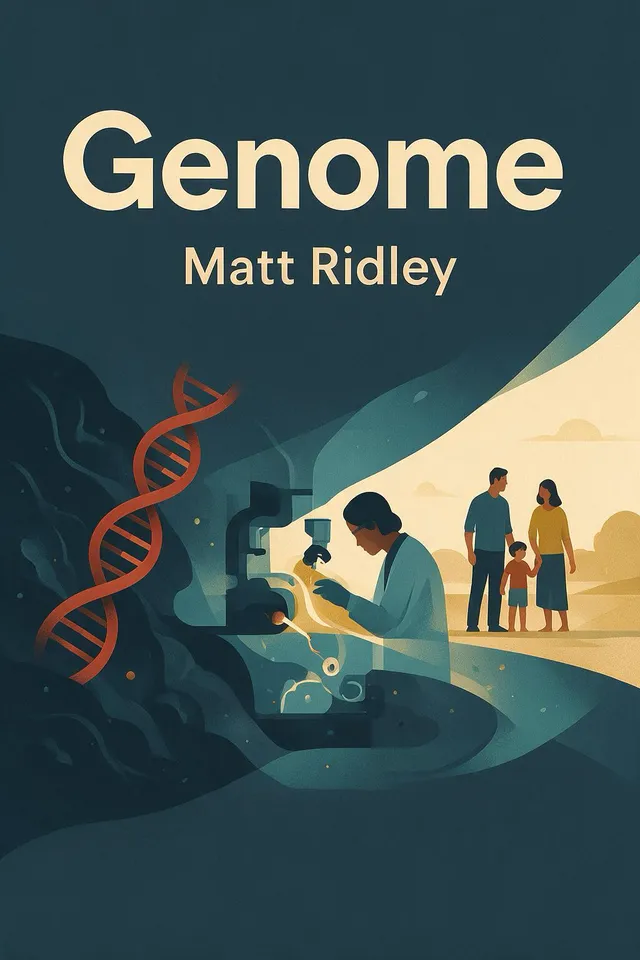
Genome
Genome follows the human genome from the chemistry of heredity through evolution, disease, behavior, ageing, biotechnology, and reproductive choice. It asks what genes can explain, where environment and history intervene, and how genetic knowledge should inform medicine and our understanding of freedom.
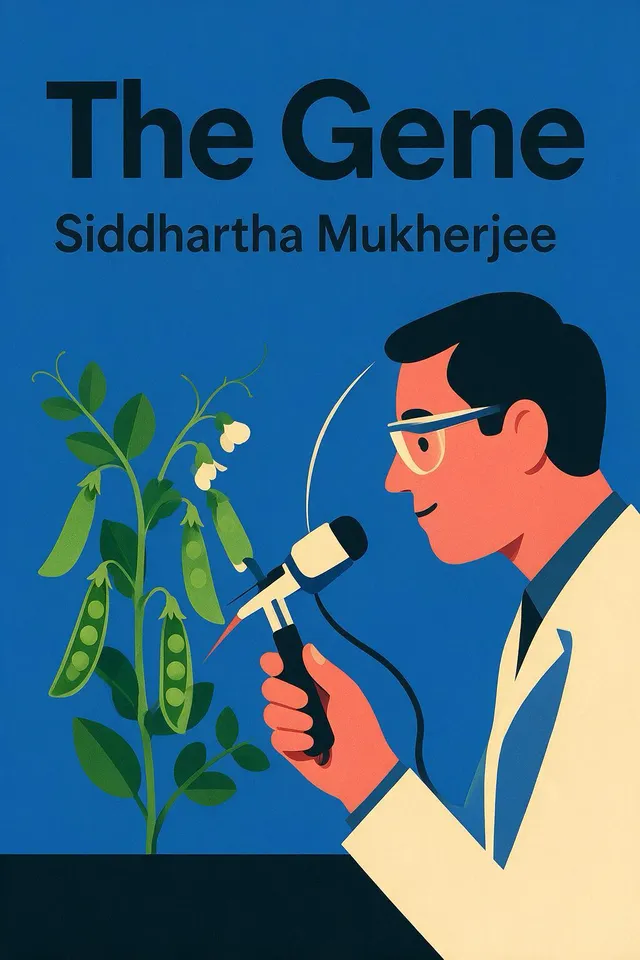
The Gene
The Gene follows heredity from ancient theories and Mendel’s peas through chromosomes, DNA, genome sequencing, gene therapy, diagnosis, and genome editing. Its central question is how genetic information becomes a living person—and what changes when people can read, select, or rewrite it. It distinguishes genetic influence from environment, chance, and social judgment while keeping genetic power’s risks in view.