How Money Shapes the World
Explore markets, incentives, inequality, and the choices behind economic life.
Books in this collection
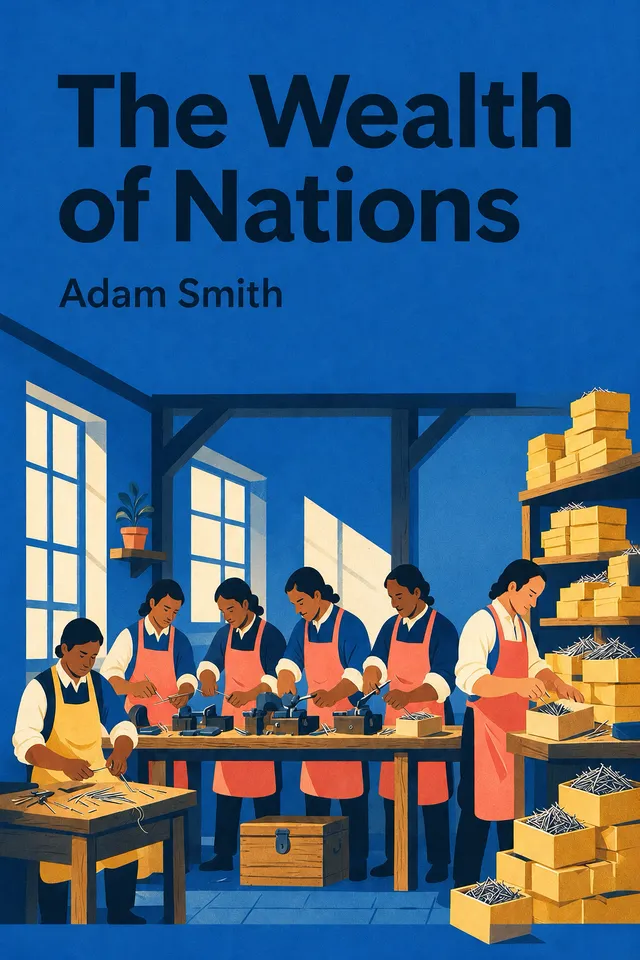
The Wealth of Nations
The Wealth of Nations asks how labor, exchange, land, and accumulated stock become broad material abundance. It traces division of labor, prices, wages, rent, banking, trade, and political institutions, showing how markets can support growth while privileges, insecure property, and misdirected capital obstruct it.
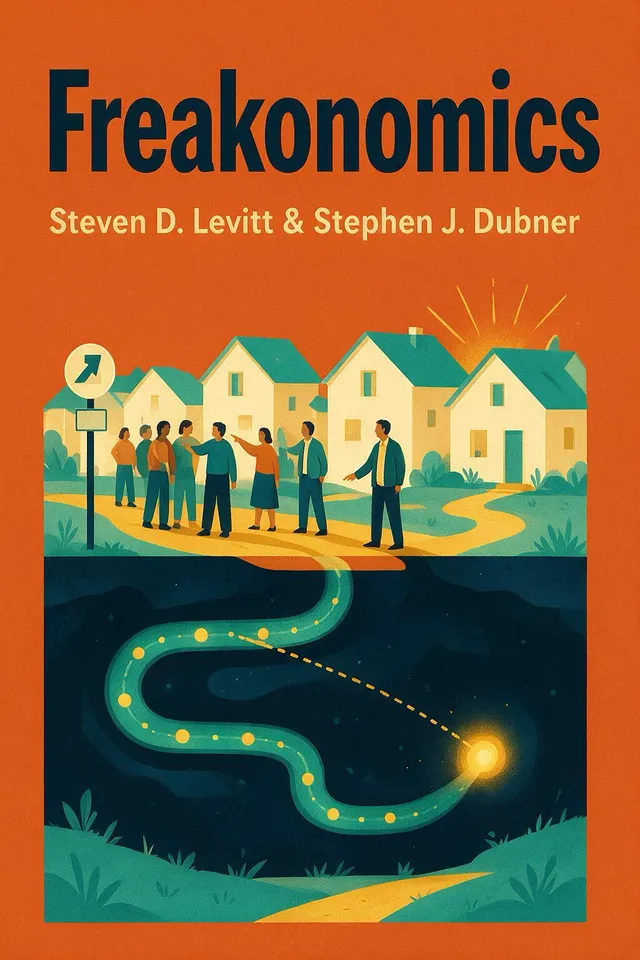
Freakonomics
Freakonomics asks how incentives, information gaps, and delayed causes shape cheating, crime, parenting, names, markets, and social behavior. Its intellectual value is a disciplined way to question conventional wisdom: compare stated beliefs with observed behavior, test correlation against causation, and separate empirical explanation from moral approval.
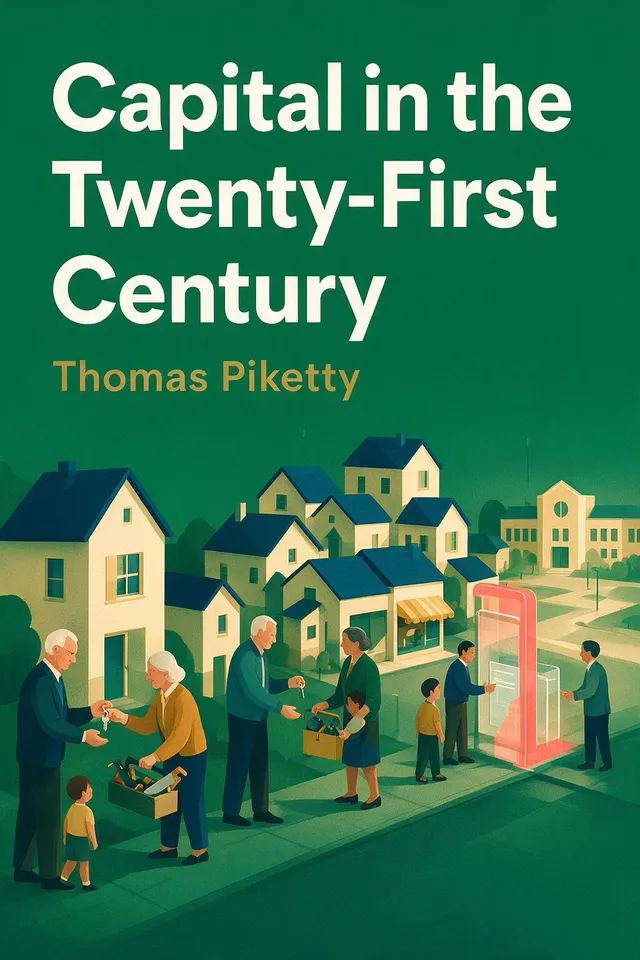
Capital in the Twenty-First Century
How do growth, saving, inheritance, and public policy determine who owns wealth? This summary follows Piketty’s historical framework from measuring income and capital through global concentration and the social state, clarifying why returns above growth can renew inherited power and why democratic institutions matter.
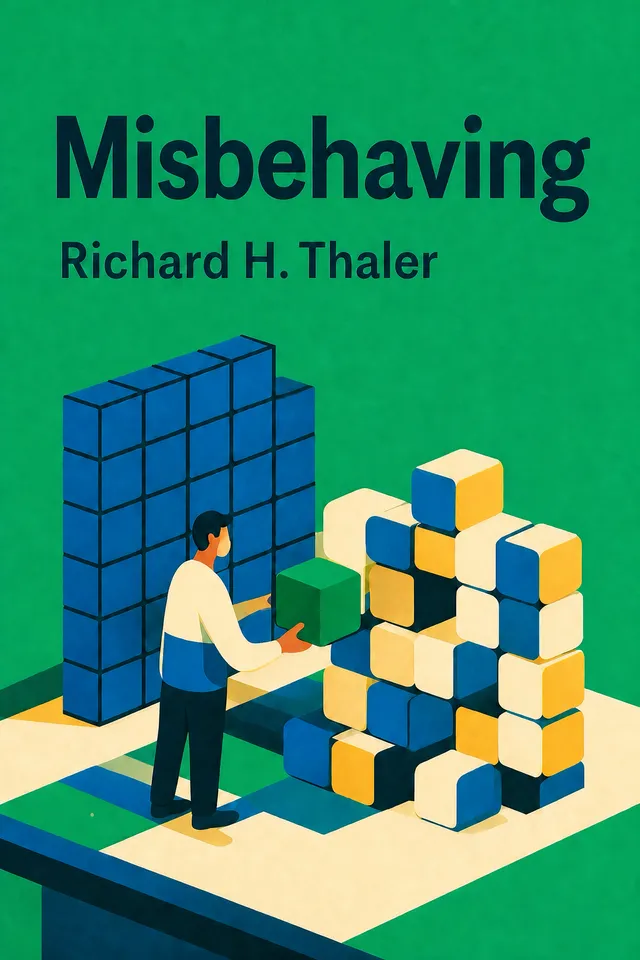
Misbehaving
Misbehaving asks what happens when economic models replace psychologically limited Humans with perfectly optimizing Econs. It follows Thaler from early anomalies through mental accounting, self-control, fairness, financial markets, behavioral policy, and nudges, showing how observed behavior can improve theory and decision design.
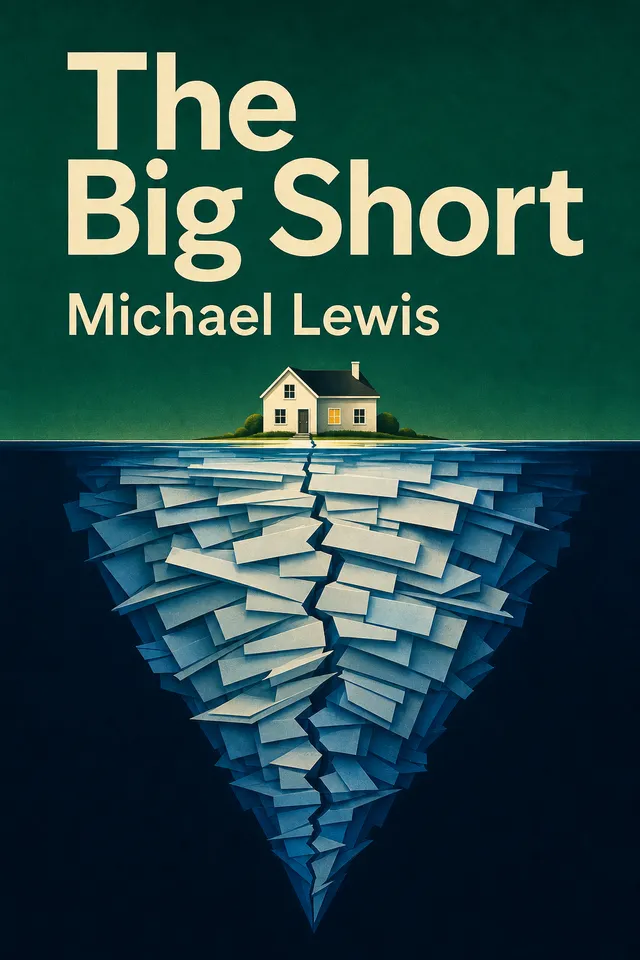
The Big Short
The Big Short traces how easy mortgage credit, opaque securitization, flawed ratings, and misaligned incentives turned a housing boom into a systemic financial gamble—and follows the few investors who recognized the danger early. It shows how to test consensus, models, collateral, incentives, and counterparties when apparent safety may be manufactured.
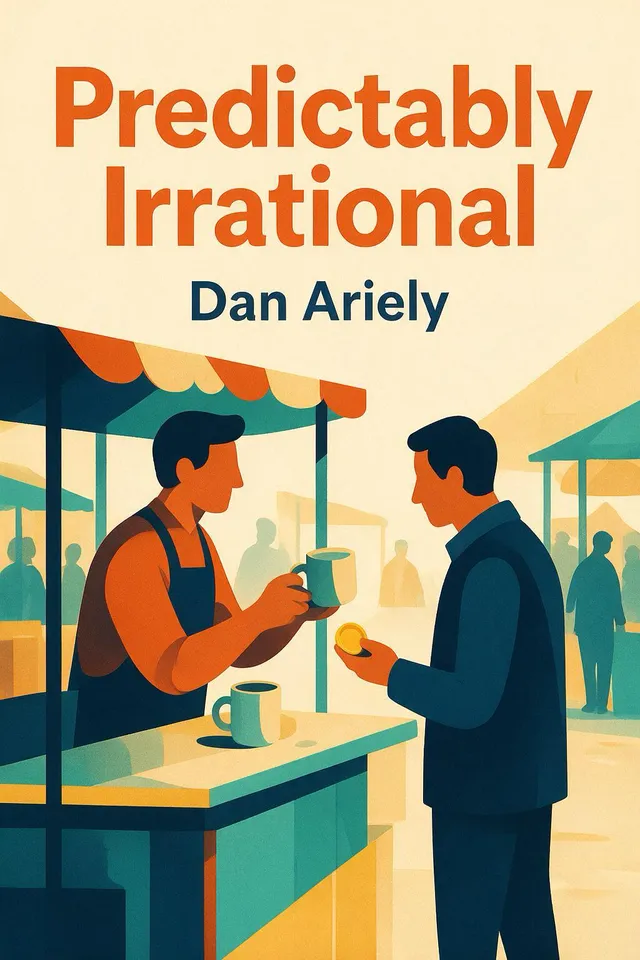
Predictably Irrational
Predictably Irrational examines why people repeatedly misjudge value, choice, effort, risk, experience, and honesty. It asks how comparisons, prices, emotions, expectations, ownership, and social signals redirect behavior, then considers how awareness, precommitment, technology, and choice architecture can bring decisions closer to our goals.
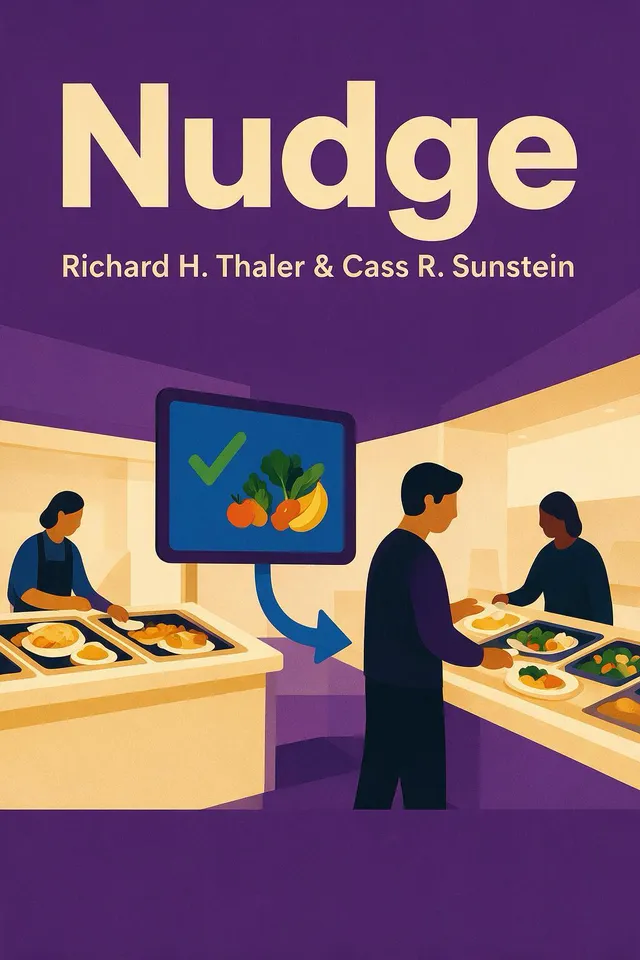
Nudge
Nudge examines how defaults, framing, feedback, incentives, and social context shape decisions made by fallible people. It asks how governments and private institutions can improve saving, health, education, markets, and public life while preserving freedom of choice—and offers practical criteria for responsible influence.
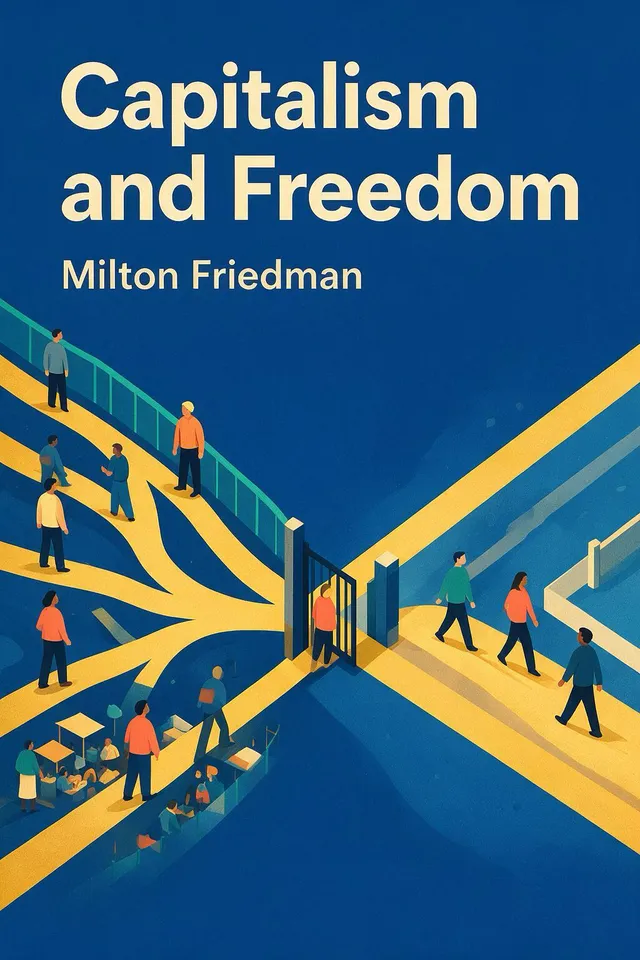
Capitalism and Freedom
Capitalism and Freedom asks how a society can coordinate economic life without surrendering individual choice. Friedman links competitive markets to political liberty, then tests that relationship through money, trade, education, discrimination, monopoly, occupational licensing, taxation, welfare, and poverty relief. The result is a framework for judging when government protects freedom—and when it expands coercion.