How Science Finds Things Out
Explore discovery, evidence, error, and the people who changed scientific understanding through new questions, tools, and observations.
Books in this collection
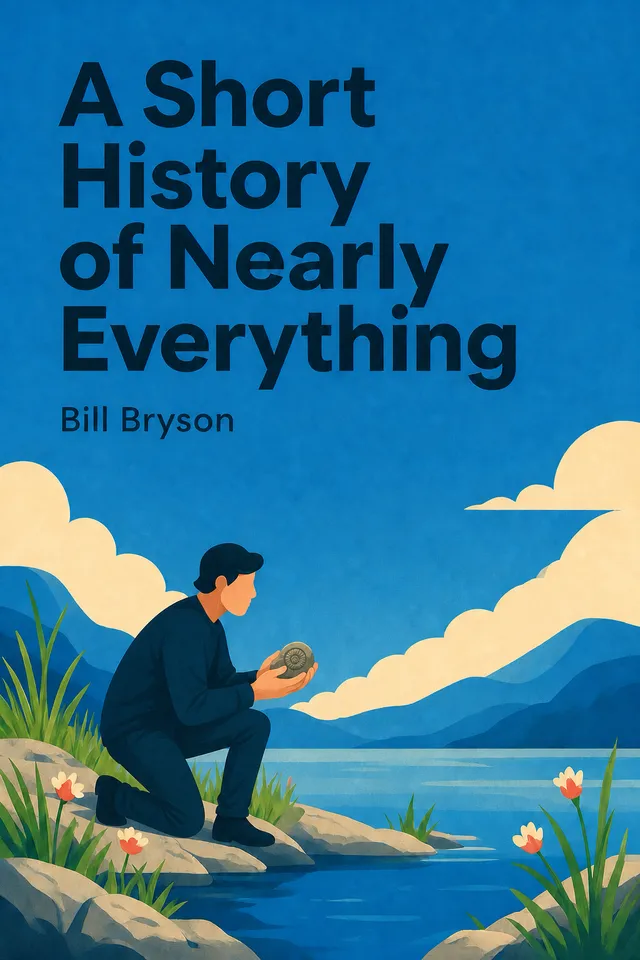
A Short History of Nearly Everything
From the Big Bang and the making of Earth to cells, evolution, and human origins, this journey asks how a habitable world and its astonishing diversity emerged from ordinary matter—and what our incomplete knowledge reveals about humanity’s fragile place and responsibility within it.
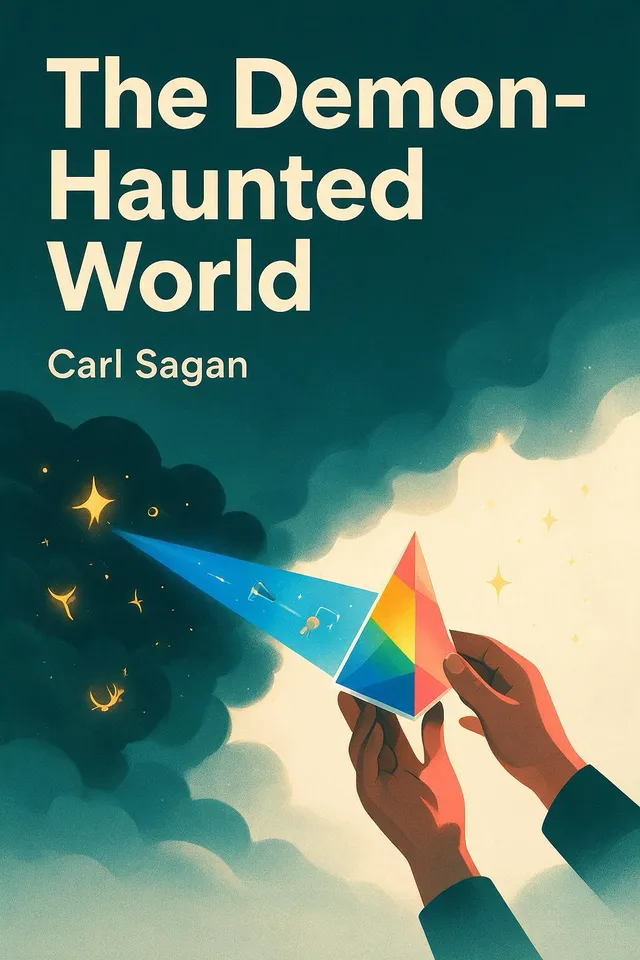
The Demon-Haunted World
The Demon-Haunted World asks how people can distinguish reliable knowledge from comforting stories in a technologically powerful society. Sagan joins wonder to skepticism, then traces the question through UFOs, memory, education, media, scientific responsibility, and democratic freedom. The practical value is a disciplined way to test claims without losing humane curiosity.
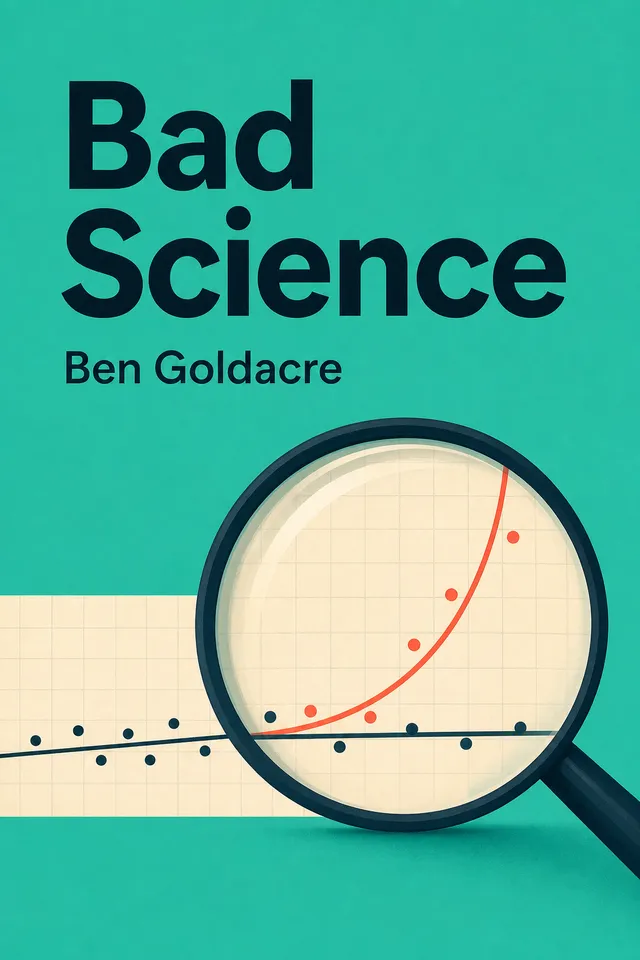
Bad Science
Bad Science examines how plausible stories, credentials, commercial incentives, weak trials, statistical errors, and sensational reporting turn uncertainty into medical certainty. It asks how to tell whether a treatment works, what placebos mean, and what is lost when evidence is distorted.
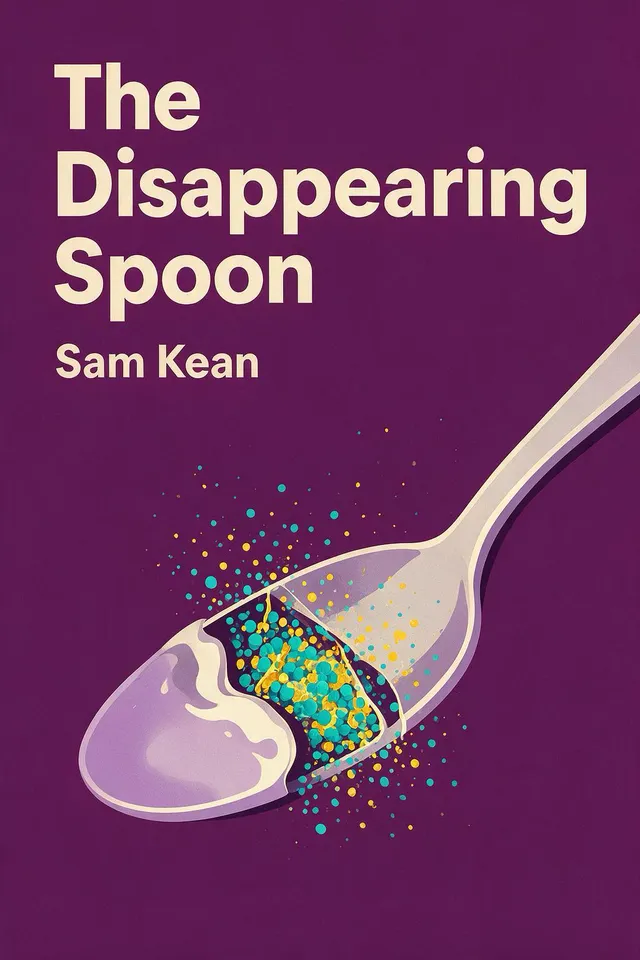
The Disappearing Spoon
Sam Kean uses the periodic table to ask how atomic structure becomes the chemistry of stars, bodies, technologies, money, art, and war—and how human judgment shapes what science knows. The resulting map helps readers connect chemical effects to practical consequences while keeping disputed evidence, danger, and uncertainty in view.
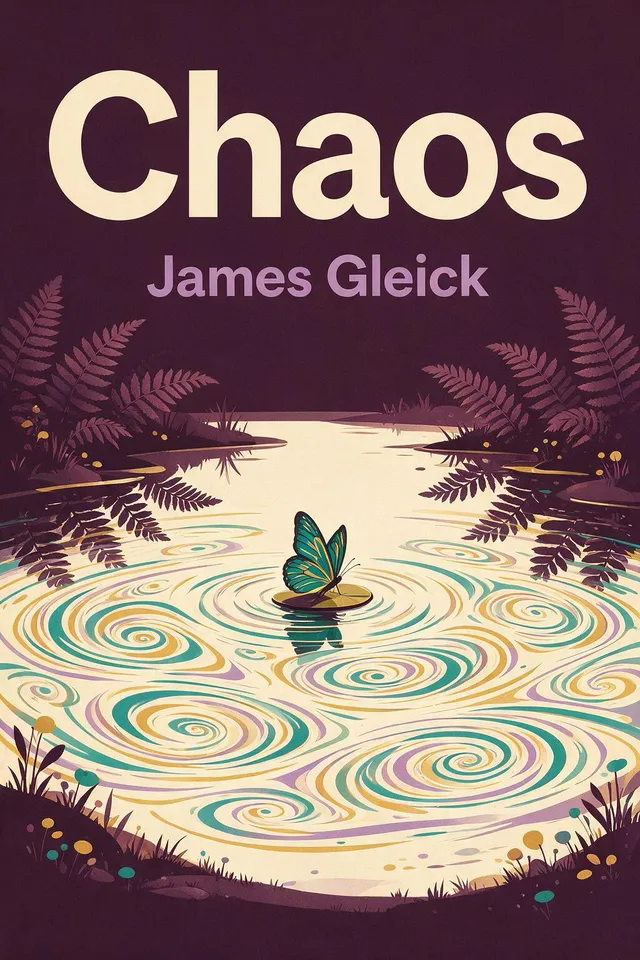
Chaos
James Gleick’s Chaos asks how deterministic systems—from weather and turbulent fluids to populations, markets, hearts, and fractal forms—can become unpredictable without becoming random. It explains sensitivity to initial conditions, strange attractors, scaling, and self-organization, showing how this framework reshapes scientific thinking about patterns, prediction, and complex systems.
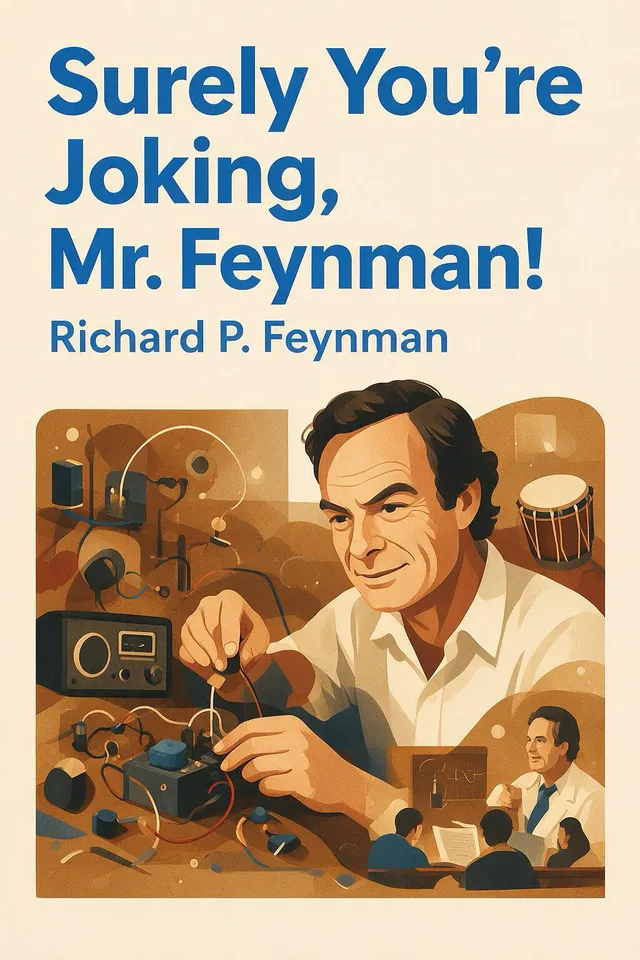
Surely You're Joking, Mr. Feynman!
An audio-first portrait of Richard Feynman’s curiosity, from childhood radios and social experiments through wartime engineering, teaching, physics, art, drumming, and scientific self-criticism. It asks how playful independence becomes reliable understanding—and how testing mechanisms, assumptions, and evidence keeps cleverness from becoming mere appearance.
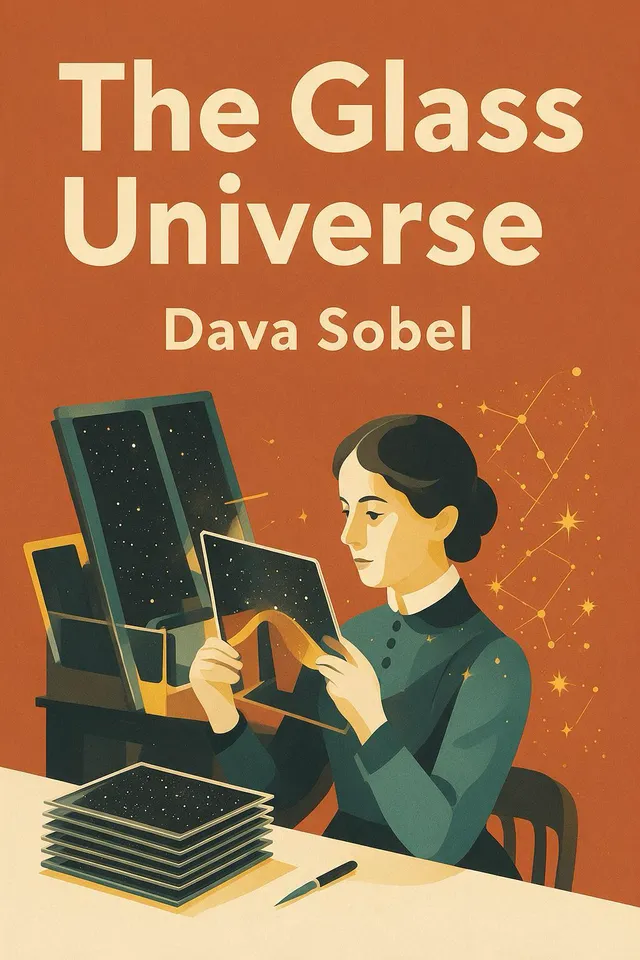
The Glass Universe
How did a nineteenth-century observatory turn glass plates into knowledge about stars—and make room for women to shape that knowledge? This summary follows spectral classification, variable stars, Leavitt’s distance relation, Shapley’s galactic map, and Payne’s stellar-atmosphere work, showing how routine measurement and institutional choices changed ideas of cosmic scale.
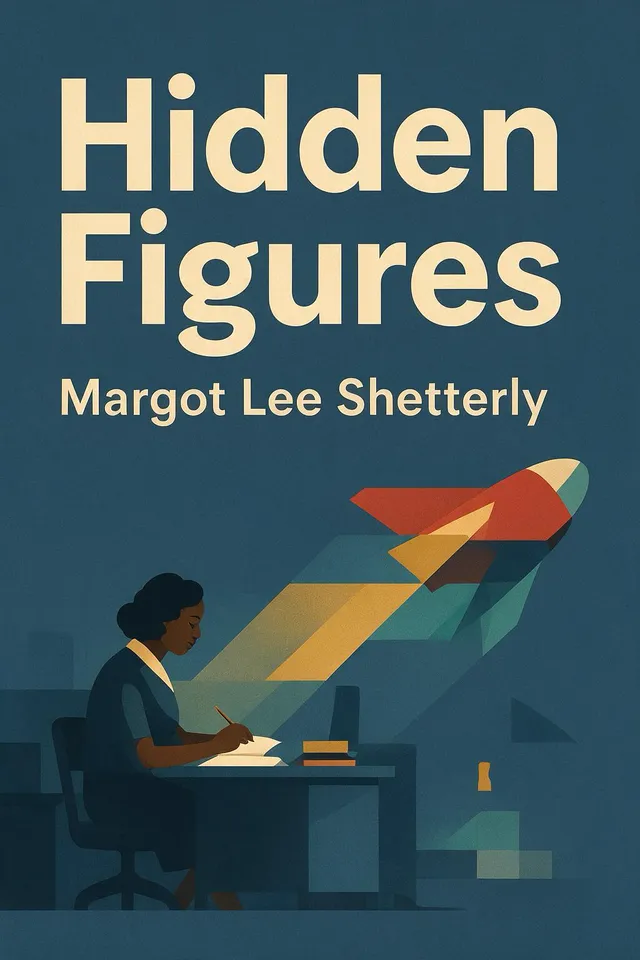
Hidden Figures
Hidden Figures traces how Black women and other female computers entered Langley during wartime, turned mathematical labor into advances in aviation and spaceflight, and navigated segregation, gender hierarchy, and technological change. It asks who gets counted as an innovator—and shows how institutions, mentors, and preparation make technical achievement possible.
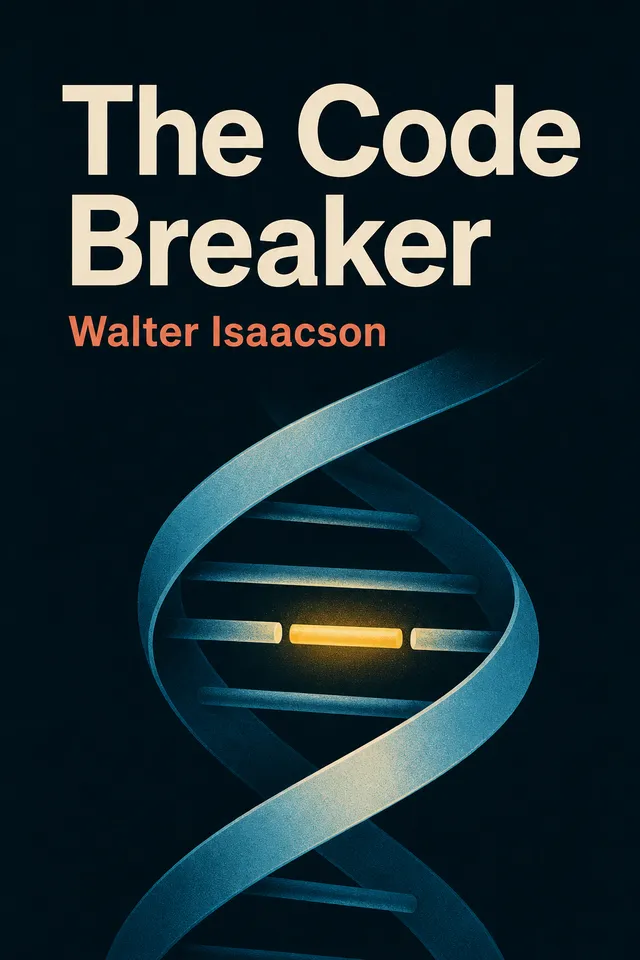
The Code Breaker
The Code Breaker traces how discoveries about DNA, RNA, and microbial immunity became CRISPR, a programmable system for editing genes and building diagnostics, therapies, and pandemic tools. It asks who should control a technology that can alter bodies, descendants, and society—and offers a way to think about evidence, limits, access, and collective responsibility.