Inside the Body and Medicine
Explore human biology, disease, medical research, and the scientific and ethical questions raised by understanding and changing bodies.
Books in this collection
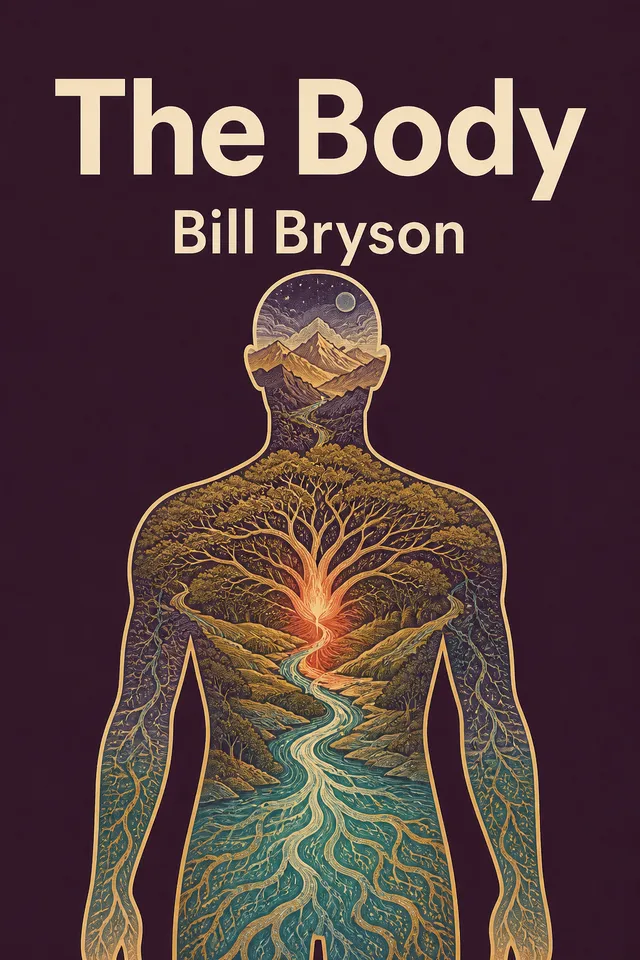
The Body
The Body asks how ordinary matter becomes a living, thinking, aging human—and why evolution leaves that achievement both exquisitely coordinated and full of awkward vulnerabilities. It links cells, microbes, organs, reproduction, disease, and medical practice into a single account of what the body can regulate, what medicine can repair, and what remains uncertain.
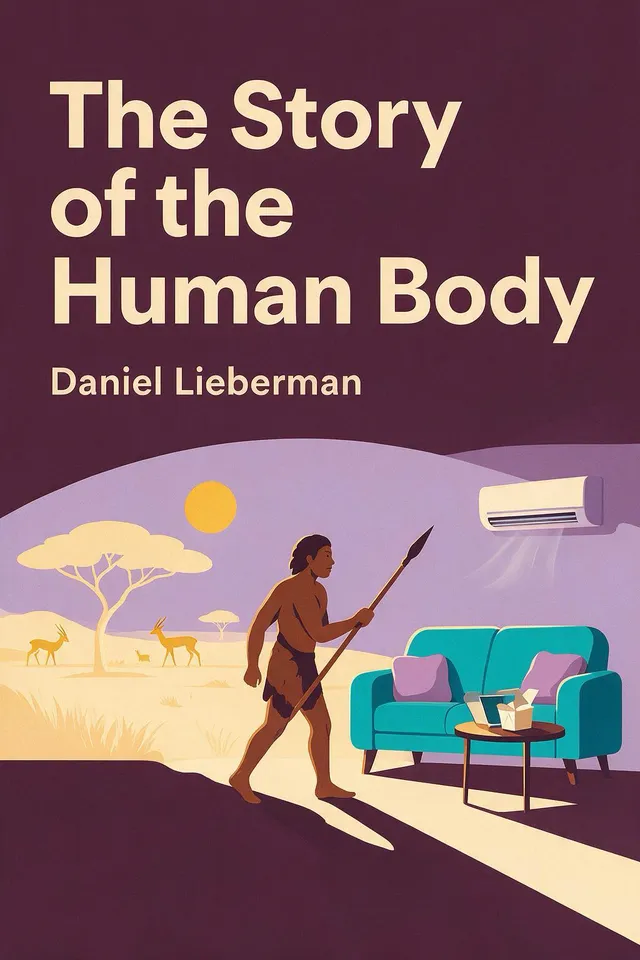
The Story of the Human Body
Why does a body shaped by scarcity, movement, and cooperation struggle with abundance, comfort, and inactivity? This book traces human evolution from bipedalism through culture, farming, and industrial life, then uses that history to explain mismatch diseases and consider how medicine, behavior, and environments can support better health.
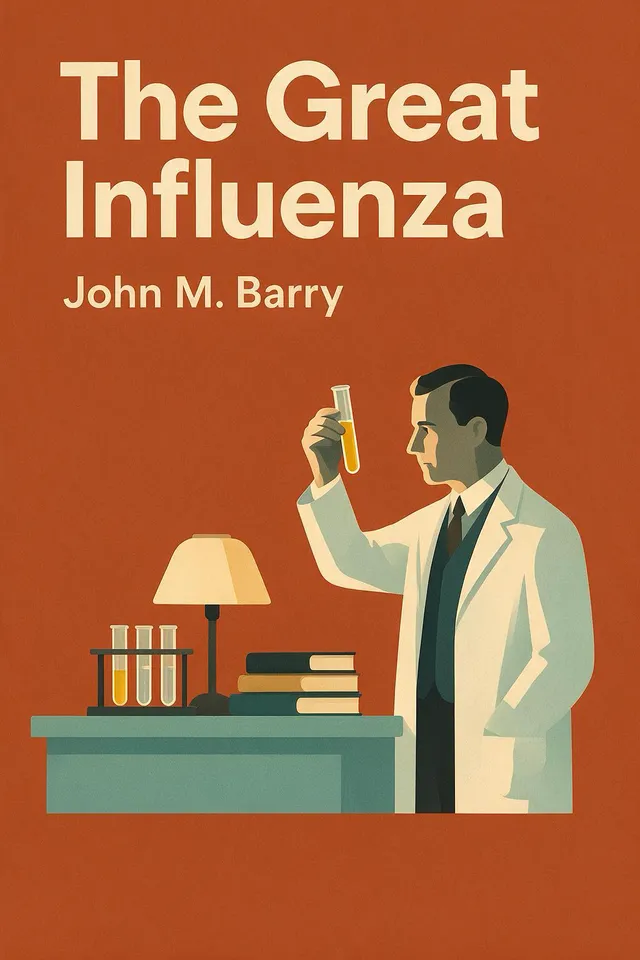
The Great Influenza
The Great Influenza is a history of the 1918 pandemic and the scientific transformation that preceded it. It asks how a modern medical system, a mobilized nation, and a fast-changing virus produced catastrophe—and what disciplined science, honest communication, and preparedness can learn from that failure.
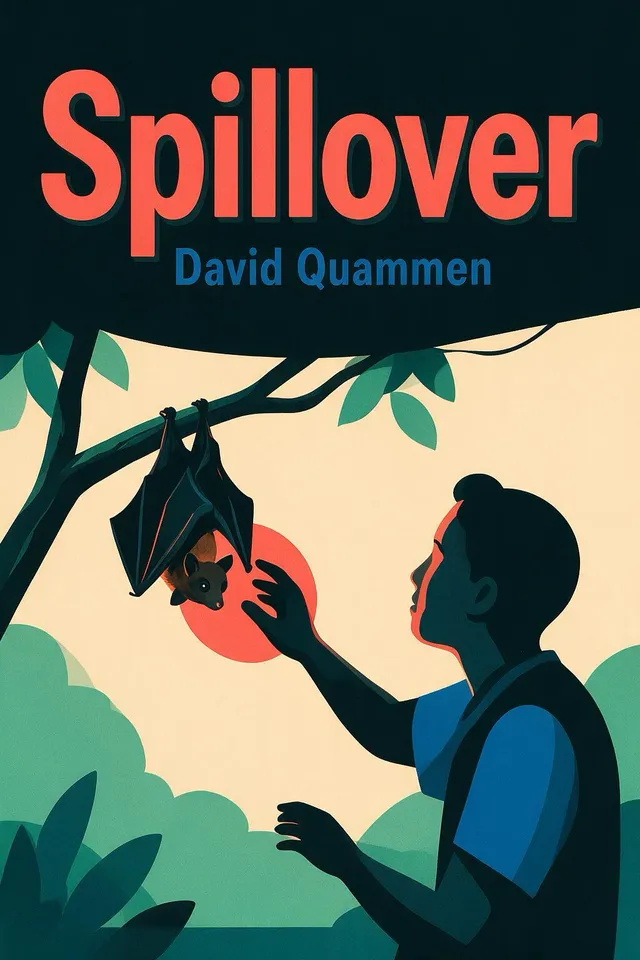
Spillover
Spillover traces how infections move between animals, people, and altered environments, asking why some cross-species jumps fade while others become epidemics or pandemics. Through Hendra, Ebola, SARS, malaria, Lyme disease, Nipah, influenza, and AIDS, it connects host ecology, evolution, human networks, and public-health preparedness into a way of thinking under uncertainty.
The Emperor of All Maladies
The Emperor of All Maladies traces cancer from ancient descriptions and cellular theories through surgery, chemotherapy, prevention, epidemiology, and targeted treatment. It asks why a disease rooted in normal growth remains so difficult to defeat, and shows how evidence, patient experience, public policy, and humility shape better care.
The Immortal Life of Henrietta Lacks
Rebecca Skloot traces Henrietta Lacks’s life, the taking of cervical cells without her informed permission, and her family’s struggle to understand HeLa’s scientific afterlife. The book asks how medical progress should balance public benefit with consent, privacy, ownership, and recognition, giving readers a human framework for thinking about biological research.
Stiff
Stiff examines what happens when human remains become tools for anatomy, forensic investigation, injury prevention, transplantation, and funeral practice. Its central question is how usefulness can coexist with consent, dignity, uncertainty, and grief, helping readers see why technical solutions to death are also ethical and cultural choices.
A Crack in Creation
A Crack in Creation explains how CRISPR emerged from a bacterial defense and became a programmable way to alter DNA in cells, crops, animals, and ecosystems. It asks when repairing disease becomes redesigning life, and how safety, equity, public consent, and global rules should shape that power.