Investigating Power and Harm
Follow investigations into institutions, fortunes, violence, and abuses whose consequences reached far beyond the people in charge.
Books in this collection
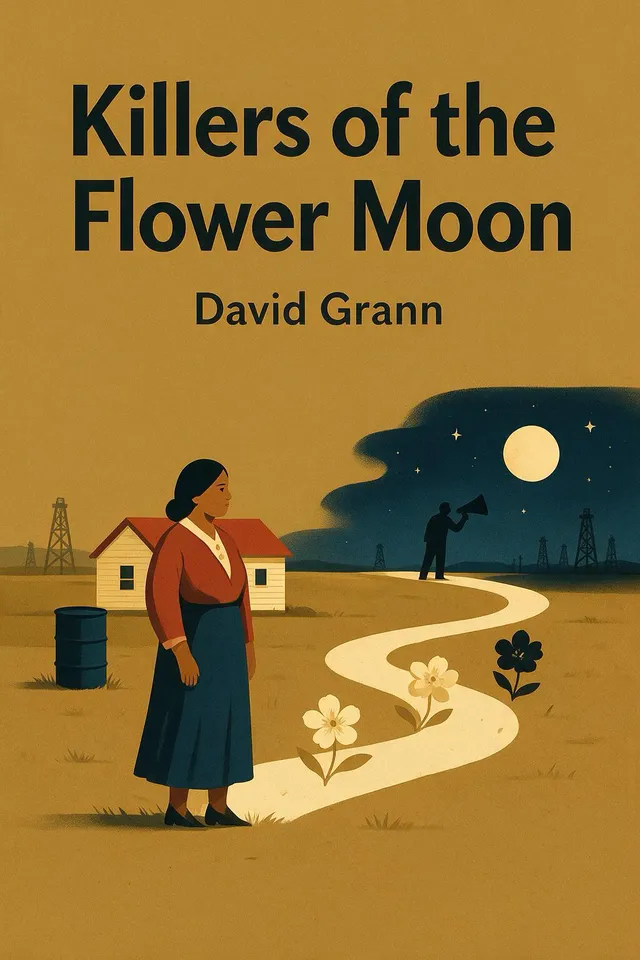
Killers of the Flower Moon
Killers of the Flower Moon examines how the Osage Nation’s oil wealth, created amid dispossession and made vulnerable by guardianship, became the setting for a campaign of murder. It follows the investigation that exposed part of William Hale’s network and asks what justice can recover when courts, records, and public memory leave much unresolved.
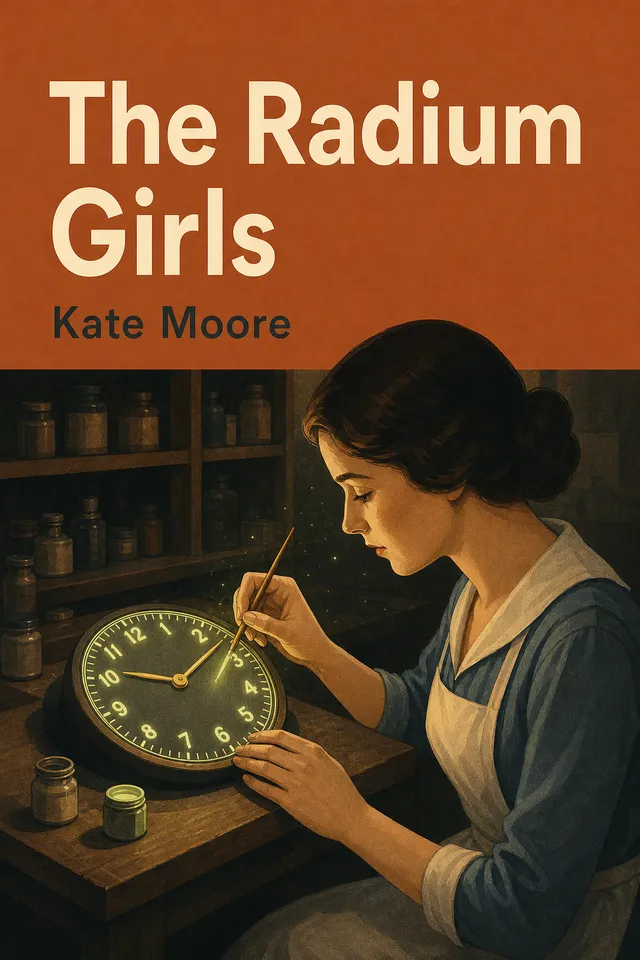
The Radium Girls
The Radium Girls follows young women who painted luminous watch dials and asks how a celebrated scientific wonder became a workplace catastrophe—and why warnings failed to protect them. It connects bodily harm to corporate secrecy, medical uncertainty, legal struggle, and the safety rules and public memory that followed.
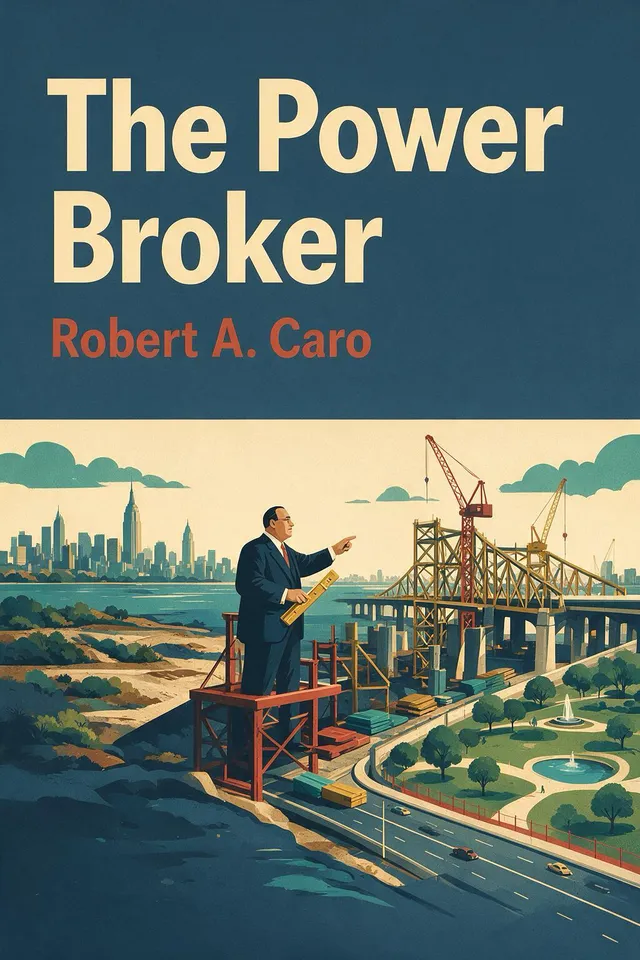
The Power Broker
How did Robert Moses, an unelected reformer, gain the authority to remake New York—and what did that authority cost? This concise account follows the machinery behind his parks, roads, public authorities, and urban renewal, weighing durable public works against displacement, exclusion, traffic, and weakened democratic oversight.
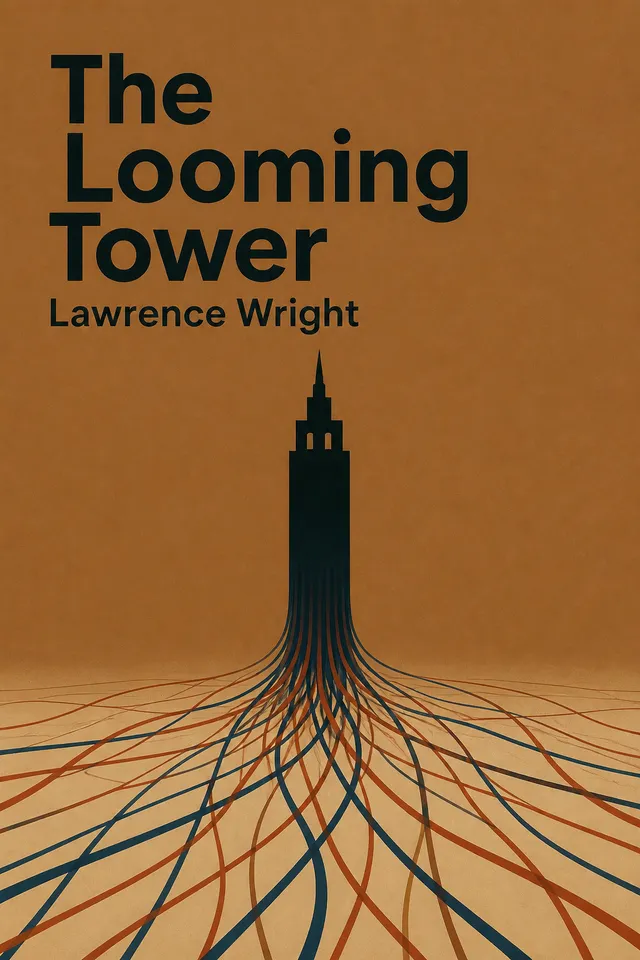
The Looming Tower
Lawrence Wright traces how Sayyid Qutb’s critique of modernity, Egyptian repression, Saudi religious politics, the Afghan jihad, and al-Qaeda’s organizational growth converged in the road to 9/11. Its central question is how ideology, money, sanctuary, and institutional failure transformed scattered militants into a transnational threat—and what that history reveals about prevention.

Say Nothing
Say Nothing follows the Troubles through Jean McConville’s disappearance, the Price sisters’ radicalization, IRA and British intelligence operations, and the Boston College tapes. It asks how political violence becomes ordinary, how silence protects movements while wounding families, and whether peace can endure without shared truth and accountability.
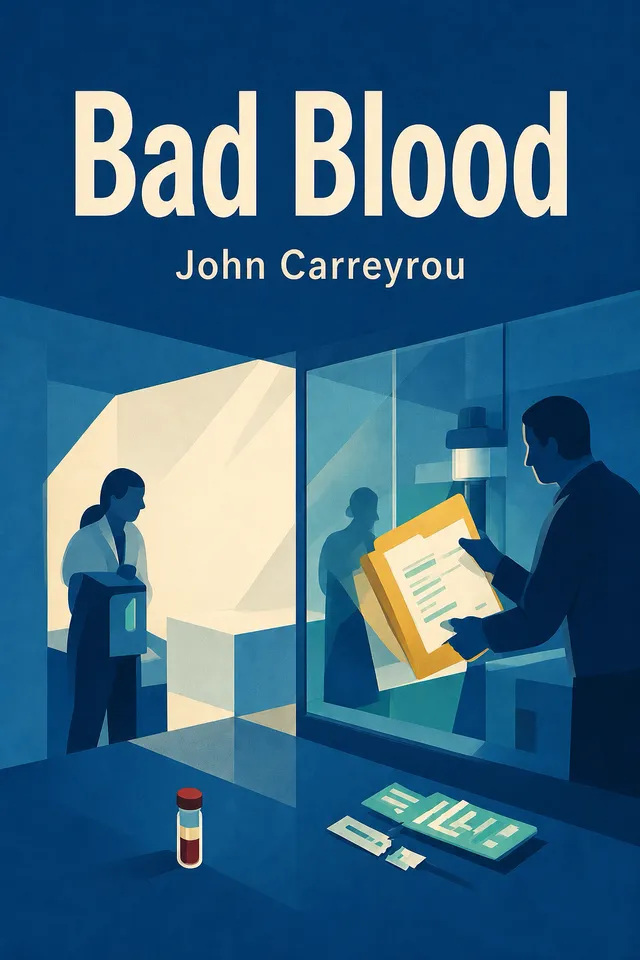
Bad Blood
Bad Blood follows Theranos from Elizabeth Holmes’s promise of painless, small-sample blood testing to its collapse under technical failures, secrecy, intimidation, and investigative scrutiny. It asks how a persuasive mission and prestigious backing displaced verification—and why medical technology demands stronger evidence than ordinary startup hype.
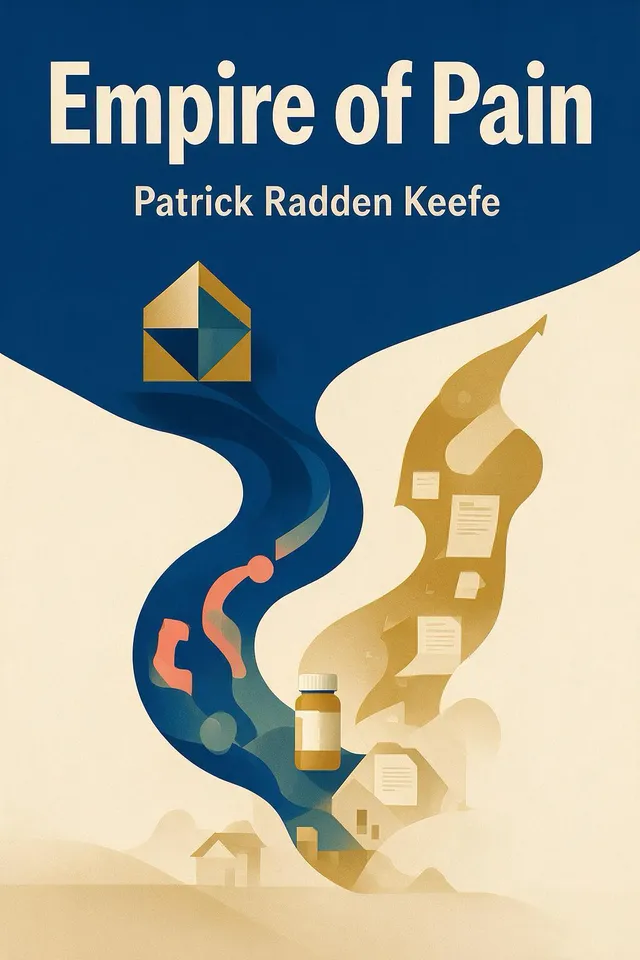
Empire of Pain
Empire of Pain traces the Sackler family from immigrant ambition and psychiatric research to pharmaceutical wealth, OxyContin, and public disgrace. It asks how medical authority, marketing, philanthropy, and private ownership turned pain treatment into a profitable system—and how victims, journalists, courts, and activists challenged the belief that money could erase harm, clarifying links between power, responsibility, and memory.