Lead a Team People Trust
Build trust, coach people, handle candid feedback, and create teams that work well together.
Books in this collection

The Culture Code
Daniel Coyle asks how groups turn individual talent into collective performance. The book traces three linked practices—building safety, sharing vulnerability, and establishing purpose—and shows how leaders can use repeated cues, candid feedback, shared routines, and clear behavioral rules to support dependable execution and creative work.
The Five Dysfunctions of a Team
Why can a capable executive team fail despite talent, resources, and strategy? This summary follows DecisionTech's repair effort and explains how vulnerability-based trust, candid conflict, commitment, accountability, and collective results form a linked framework for diagnosing and improving teamwork.

Leaders Eat Last
Why do some teams cooperate under pressure while others turn inward? Simon Sinek explores how leadership shapes trust, safety, and responsibility. Through workplace and military examples, the book connects human motivation with practical choices about incentives, authority, relationships, and the long-term care of an organization.

The Coaching Habit
The Coaching Habit asks how managers can help people think and act more independently without becoming bottlenecks. It presents seven questions, habit-design techniques, and attentive listening practices for turning everyday conversations into clearer challenges, wiser choices, and learning.

Radical Candor
Radical Candor asks how managers can care about people as whole human beings while still naming problems clearly. This summary follows the framework from trust and feedback through growth decisions, collaborative execution, team systems, and sustained practice, showing how candor can improve working relationships and collective results.

Multipliers
Multipliers asks why some leaders leave people sharper and more capable while others suppress the intelligence around them. Liz Wiseman’s five-discipline framework shows how to attract and grow talent, create space, issue meaningful challenges, debate consequential choices, and invest in ownership—turning leadership into a practice of multiplying capability.
Dare to Lead
Dare to Lead asks what makes courage usable in workplaces shaped by fear, shame, uncertainty, and competing priorities. Brené Brown’s framework links vulnerability, values, trust, empathy, curiosity, feedback, and recovery to practices for leading with clarity, accountability, and human connection.

The First 90 Days
The First 90 Days examines how leaders enter a new role, learn the organization, diagnose its situation, build credibility, align people and systems, and manage themselves. It asks how a vulnerable transition can become early momentum and lasting organizational value, offering a practical way to decide what to learn, whom to align, and what to change first.
First, Break All the Rules
First, Break All the Rules examines how managers turn individual talent into performance. It asks what to select for, which outcomes to define, how to build on strengths, and how to find a fitting role. The book offers the Four Keys and twelve workplace questions as tools for understanding engagement, performance, and career choices.
Trillion Dollar Coach
Trillion Dollar Coach examines how Bill Campbell helped ambitious teams turn talent, ego, and conflict into shared success. Its central question is how managers earn real leadership: through trust, coaching, team-first decisions, candid feedback, human care, and high standards. The value is a practical framework for humane, decisive teamwork.

Give and Take
Give and Take asks whether success is shaped by how people give, take, or exchange fairly. It follows generosity through networks, creative work, communication, and volunteering, then examines the boundaries and social practices that make giving sustainable. The result is a framework for understanding when helping others expands impact—and when it becomes costly.

Drive
Drive examines human motivation beyond biological drives and external rewards, asking what helps people learn, create, persist, and contribute. It contrasts control-based Motivation 2.0 with a Type I alternative organized around autonomy, mastery, and purpose, then applies that framework to work, compensation, education, exercise, and personal practice.
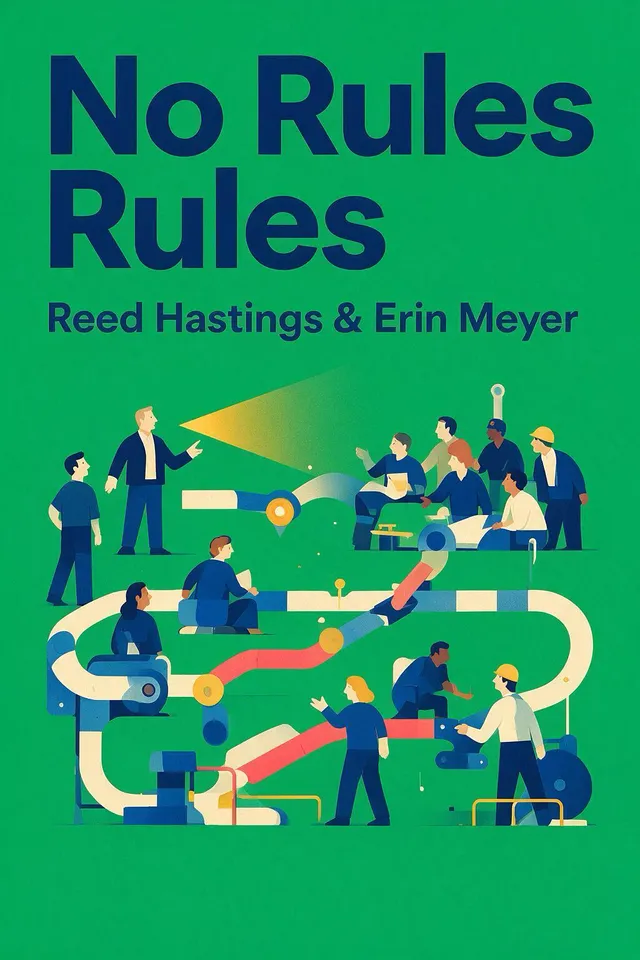
No Rules Rules
No Rules Rules examines how Netflix built a workplace around exceptional talent, candid feedback, transparency, and decentralized judgment. Its central question is when removing rules improves adaptation and innovation—and when freedom becomes chaos. The book’s practical value is a conditional framework for matching context, accountability, and cultural adaptation to the work.

Trust and Inspire
Trust and Inspire asks why leadership still relies on control when modern work depends on trust, collaboration, and human potential. Stephen M. R. Covey sets out three leadership stewardships—modeling, trusting, and inspiring—and shows how agreements and everyday practices can help people contribute and grow at work and at home.

When They Win, You Win
How can managers improve employee engagement while delivering results? Russ Laraway’s answer centers on Direction, Coaching, and Career. The book explains how to align daily work, give useful feedback, and connect employees’ aspirations to practical development steps.
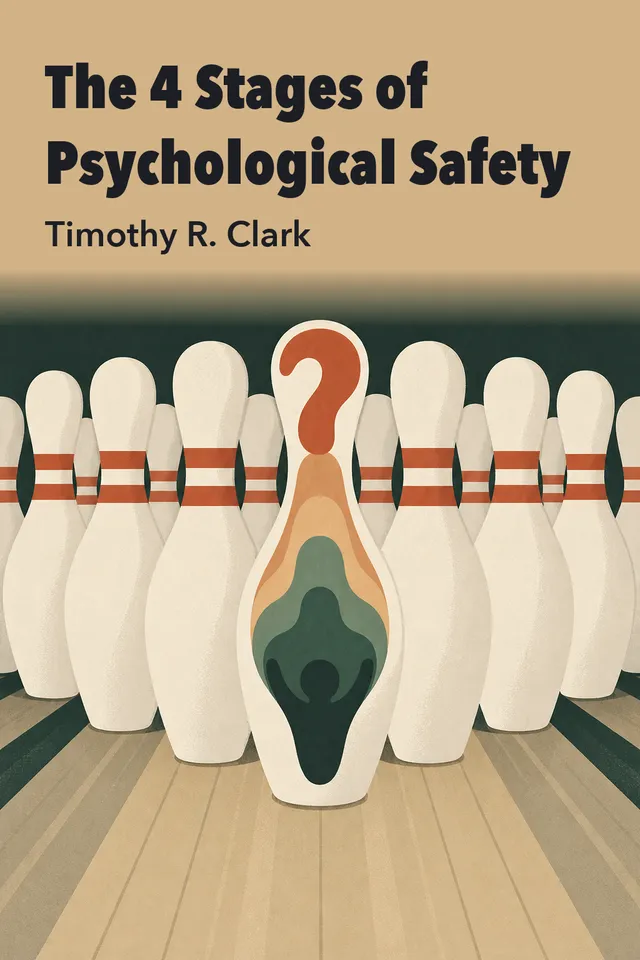
The 4 Stages of Psychological Safety
Timothy R. Clark’s framework asks how people move from belonging, to learning, to contributing, to challenging established practice. This summary explains the permissions and responsibilities behind each stage, shows how responses to mistakes and dissent shape participation, and offers ways to build candor while preserving accountability.

Teams That Work
Teams That Work explains how capability, cooperation, coordination, communication, shared cognition, conditions, and coaching combine to shape team effectiveness. It asks how a team can sustain performance through changing demands and offers research-grounded ways to diagnose problems, strengthen collaboration, and adapt practices to the team’s actual work.

Turn the ship around
L. David Marquet asks how a command organization can share decision authority while keeping people capable, aligned, and accountable. Through the USS Santa Fe’s turnaround, he explains practices for distributing control, building technical competence, clarifying goals, and helping people act on their judgment.
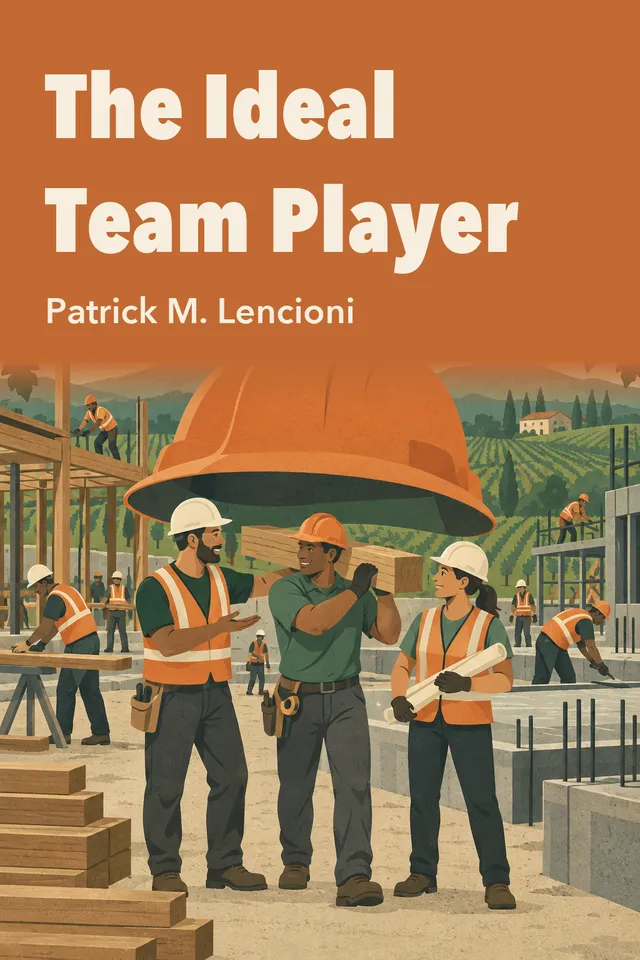
The Ideal Team Player
The Ideal Team Player asks what makes someone reliable in a team and how an organization can find and develop that capacity. It defines humility, hunger, and people smarts, then shows how to hire, assess, coach, and reinforce those qualities as everyday team practices.