Learn Anything Better
Use practice, feedback, and learning science to build skills that transfer into real life.
Books in this collection
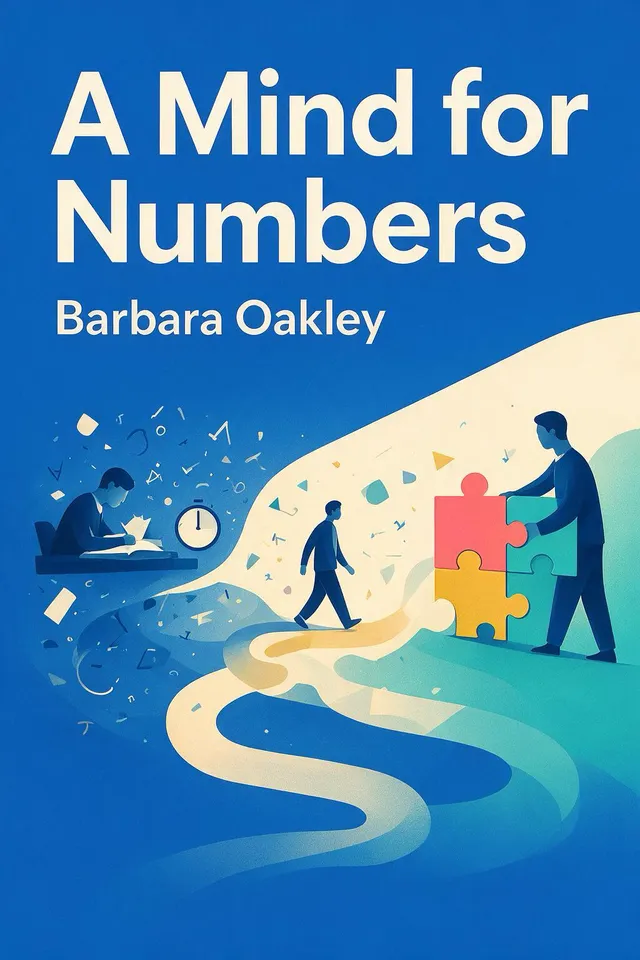
A Mind for Numbers
A Mind for Numbers asks whether mathematical and scientific ability is fixed or learnable. Barbara Oakley pairs her own retraining story with a practical account of focused and diffuse thinking, chunking, memory, practice, procrastination, and testing. The framework shows how to build durable understanding and more reliable recall through deliberate study.
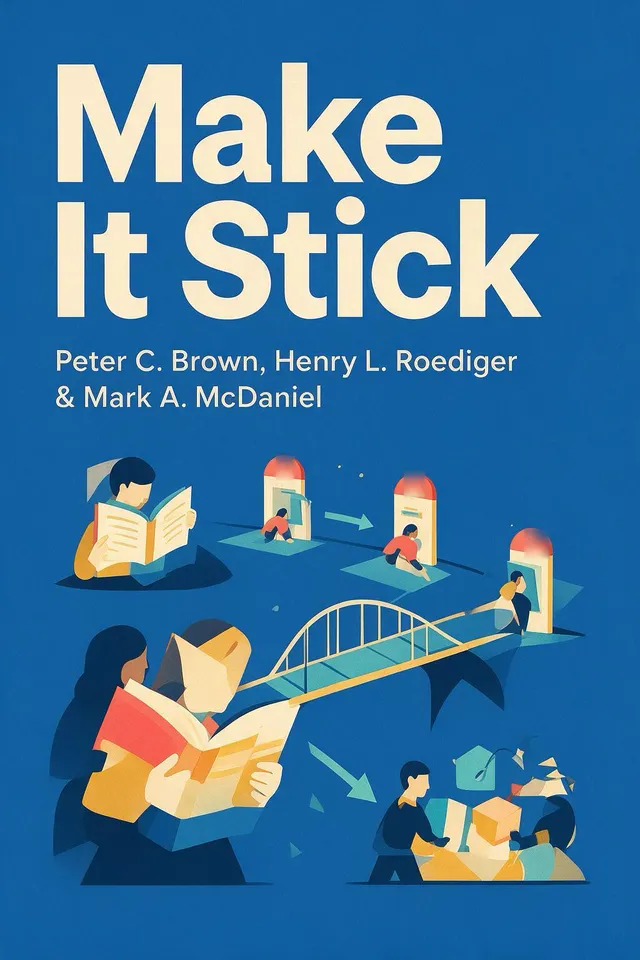
Make It Stick
Make It Stick asks why rereading, cramming, and other fluent-feeling habits produce fragile learning, and how retrieval, spacing, varied practice, reflection, feedback, and calibrated self-testing build durable knowledge. It connects memory research to classrooms, professional training, and everyday mastery, giving learners a framework for knowledge that transfers.
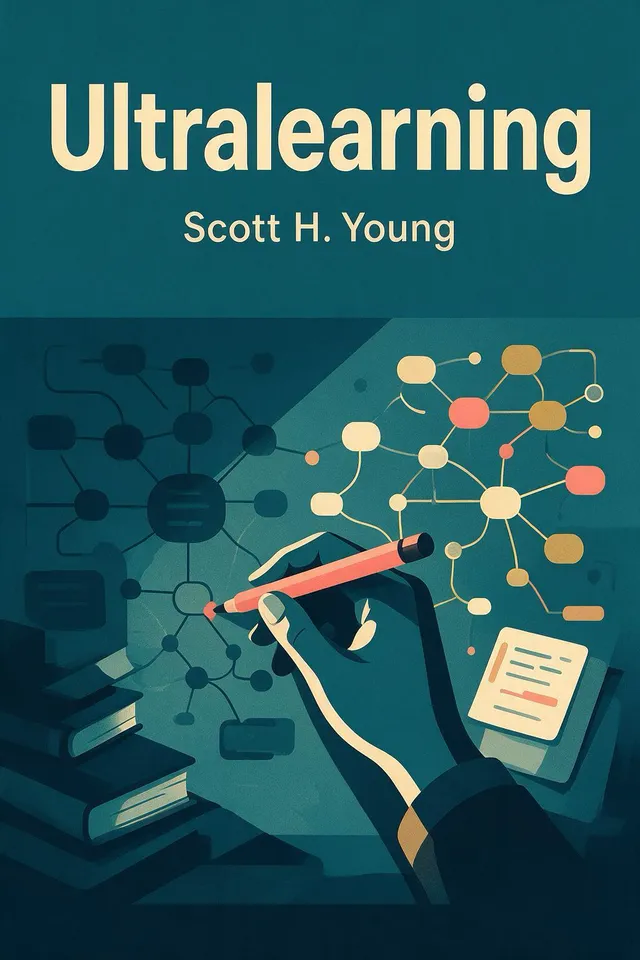
Ultralearning
Ultralearning asks how people can acquire difficult skills through intense, self-directed projects rather than passive study alone. It examines how to map a goal, focus attention, practice in context, retrieve and retain knowledge, build intuition, use feedback, and experiment—then shows how to evaluate, maintain, or extend what a project teaches.
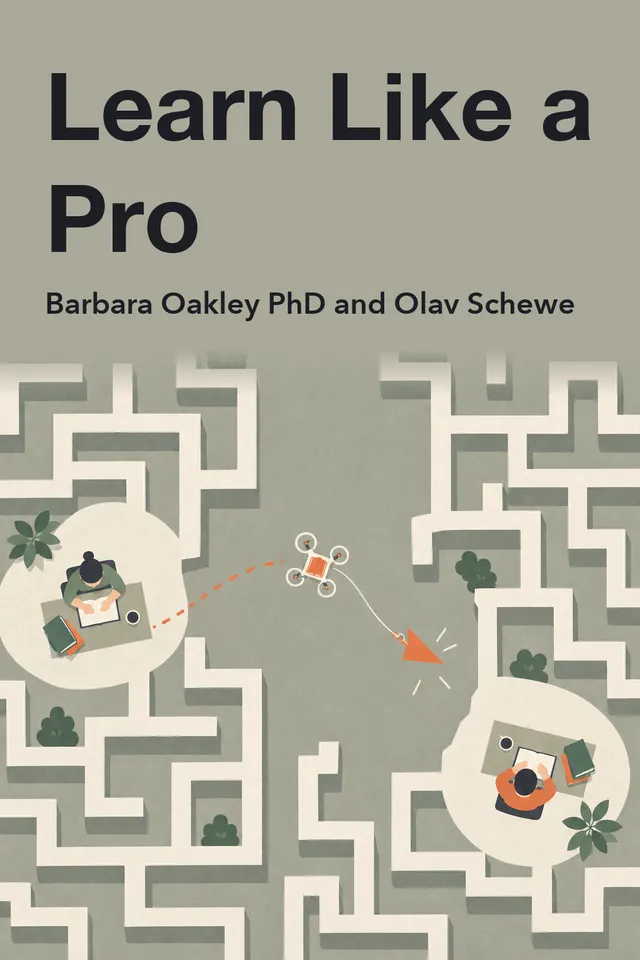
Learn Like a Pro
Learn Like a Pro asks how learners can replace guesswork and raw effort with methods that make studying more effective. It explains how to manage attention, overcome being stuck, strengthen memory, and build fluent skill through retrieval and varied practice. It then applies these ideas to motivation, reading, testing, and lifelong learning.

Get Better at Anything
Get Better at Anything asks how people build skills when knowledge is difficult to explain and experience alone can mislead. Scott H. Young examines learning from examples, adaptive practice, feedback, transfer, creativity, and uncertainty, offering methods for choosing challenges and improving performance in the settings where skills must work.
Peak
Peak asks how people develop abilities that seem like natural gifts. Anders Ericsson argues that focused, feedback-rich practice can expand performance by changing capacity and building domain-specific mental representations. The book applies this account to work, learning, and personal goals, while examining how age, biology, coaching, motivation, and social expectations shape results.

Hidden Potential
Hidden Potential examines why early performance can obscure later capability. Adam Grant connects productive discomfort, adaptive practice, feedback, temporary support, and social learning to growth, then asks how schools, teams, and selection systems can widen opportunity and recognize late bloomers. It offers a way to develop overlooked ability and judge progress in context.

Range
Range asks whether excellence is best built through an early, narrow head start or through broad exploration followed by focused practice. Drawing on sport, learning, careers, forecasting, science, and innovation, it shows when specialization helps, when it creates blind spots, and how adaptable thinking transfers across unfamiliar problems.
Mastery
Mastery asks how ordinary human capacities become exceptional judgment and original work. Robert Greene follows the path from recognizing a personal calling, through apprenticeship and social learning, to creative independence and intuitive command. The summary shows what each stage demands, what derails it, and why mastery remains a lifelong practice.
The Brain That Changes Itself
The Brain That Changes Itself asks whether the adult brain is fixed or continually remade by experience. Through cases of sensory substitution, learning, addiction, injury, pain, therapy, aging, and culture, it shows how practice can restore or redirect function—and how the same plasticity can entrench harmful habits and uneven trade-offs.
The Inner Game of Tennis
Why do technically trained players tighten up, overthink, and lose access to their best strokes? The book’s answer is an inner game of attention: quiet evaluative judgment, trust bodily learning, and stay with present facts. Its framework connects tennis practice with habit change, concentration, motivation, competition, and self-knowledge.

The Science of Rapid Skill Acquisition
Peter Hollins’s guide asks how to turn a chosen goal into a skill through deliberate work. It explains how to break a skill into high-impact parts, practice with recall and spaced variation, check understanding and mistakes, and arrange social and physical conditions that support continued effort.

The Performance Paradox
Eduardo Briceño asks why repeated effort can keep people busy without helping them improve. He explains how to combine learning with performance, use mistakes and feedback well, and build habits, teams, and organizations that support development while delivering results.

The Extended Mind
Annie Murphy Paul asks why thinking should be treated as brainbound when bodily signals, movement, natural and built spaces, external representations, and other people can participate in cognition. The book offers a practical framework for improving judgment, attention, learning, creativity, expertise, and collective problem-solving by designing these extensions deliberately.