Life at a Turning Point
Follow people who reconsidered what mattered after loss, illness, a difficult conversation, or a deliberate break with convention.
Books in this collection

Tuesdays with Morrie
When Mitch Albom returns to his dying former professor Morrie Schwartz, their Tuesday meetings become a course on the meaning of life. The book asks whether love, attention, family, and responsibility can displace status and fear, offering a lived framework for facing dependence, grief, aging, forgiveness, and death.
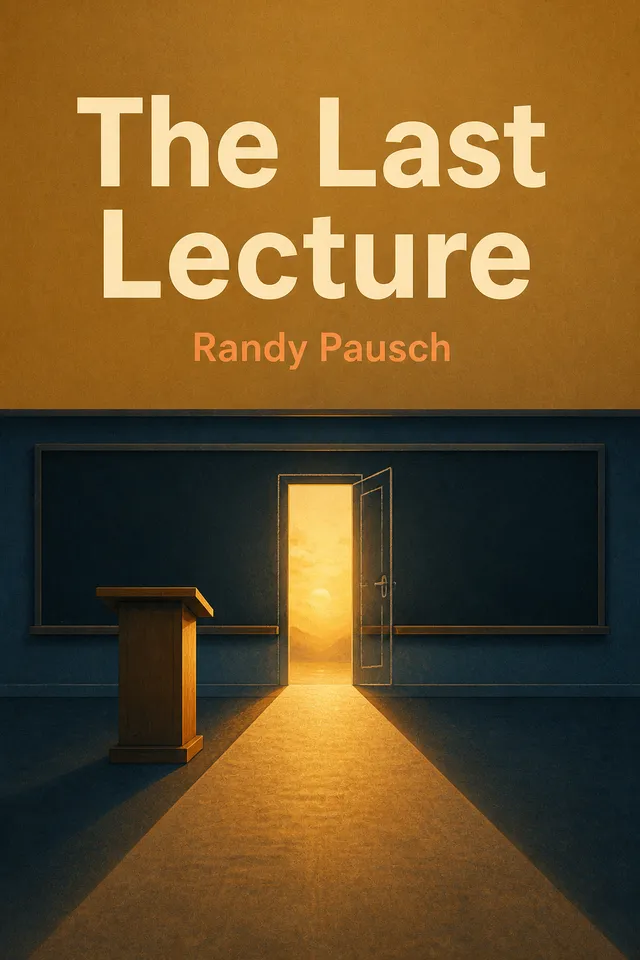
The Last Lecture
The Last Lecture follows Randy Pausch as terminal illness turns time, parenting, and legacy into urgent questions: how can someone keep living well while preparing loved ones for absence? Through stories about dreams, feedback, work, marriage, caregiving, and gratitude, it asks how daily conduct can become a durable inheritance.
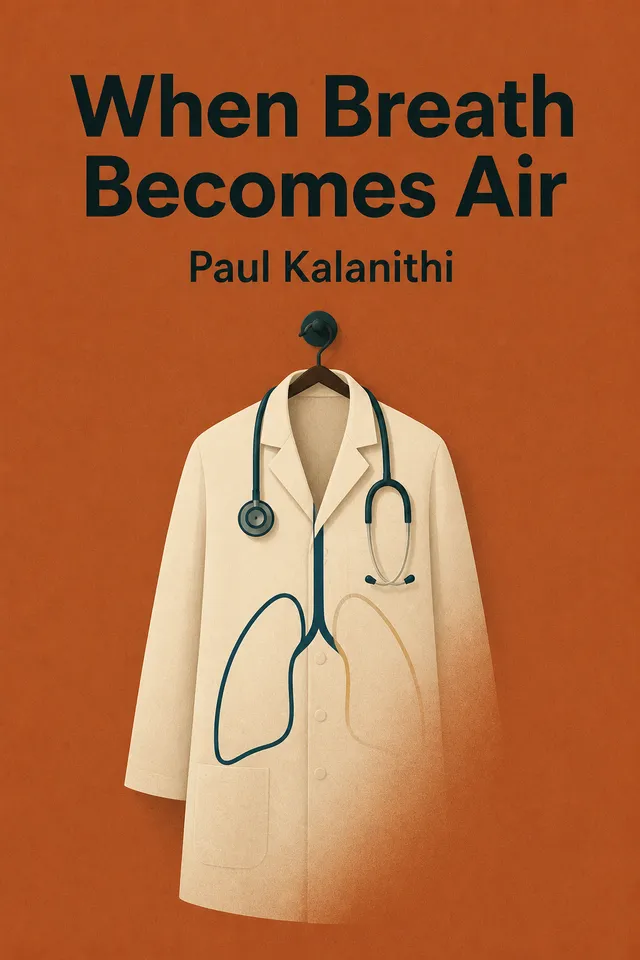
When Breath Becomes Air
Paul Kalanithi’s memoir follows a neurosurgeon who becomes a lung-cancer patient just as his career and marriage seem to be taking shape. It asks how to live, love, and practice medicine under a finite future, using family, literature, faith, and clinical experience to examine what makes a life meaningful.
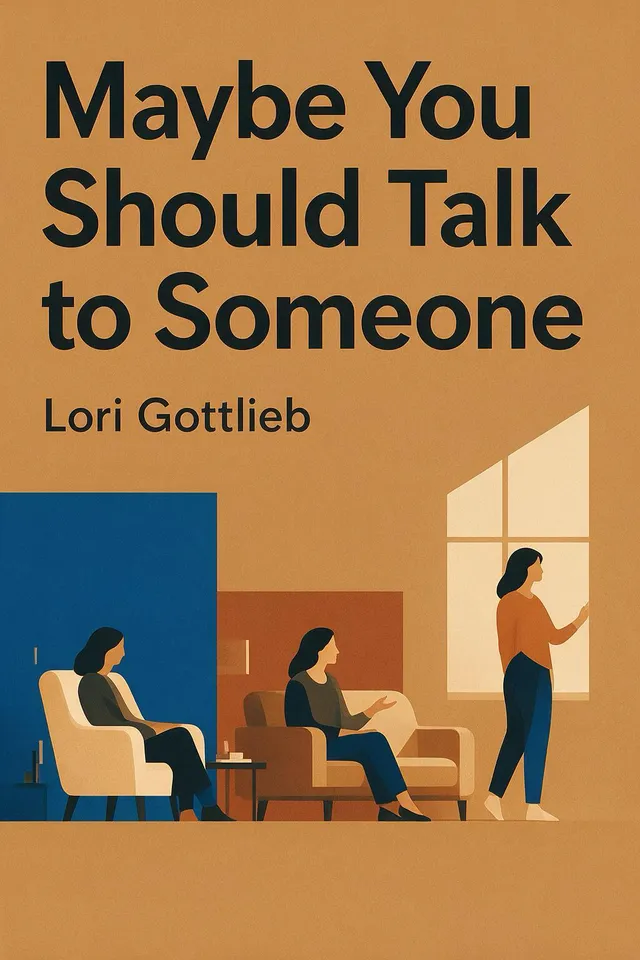
Maybe You Should Talk to Someone
Lori Gottlieb asks how people change, using her own therapy after a breakup and stories of patients facing grief, illness, addiction, family conflict, and mortality. The book argues that honest relationship, self-understanding, responsibility, and openness to uncertainty can loosen defensive patterns and help people live meaningfully with what cannot be undone.

Eat, Pray, Love
This memoir follows a woman rebuilding a life after divorce, depression, and an obsessive relationship. Through pleasure in Italy, devotion in India, and balance in Indonesia, it asks how a person can recover agency, encounter the sacred, and remain open to love without surrendering the self.
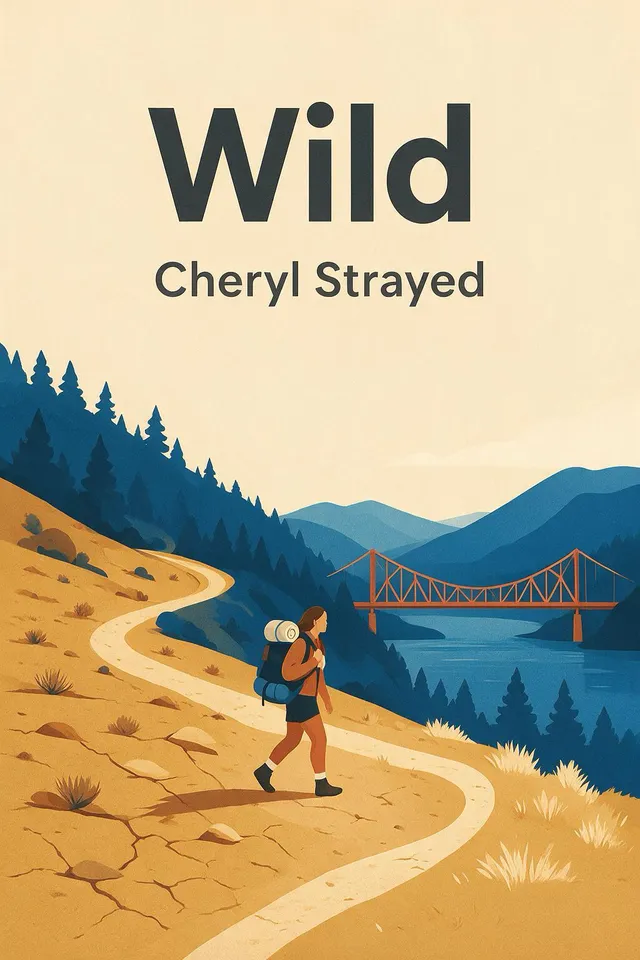
Wild
Wild follows Cheryl Strayed’s solo walk from the Mojave Desert toward the Bridge of the Gods after her mother’s death, heroin use, and divorce. It asks how a scattered life can be inhabited again, tracing wilderness, bodily endurance, strangers, memory, and writing as imperfect routes through grief toward renewed belonging.
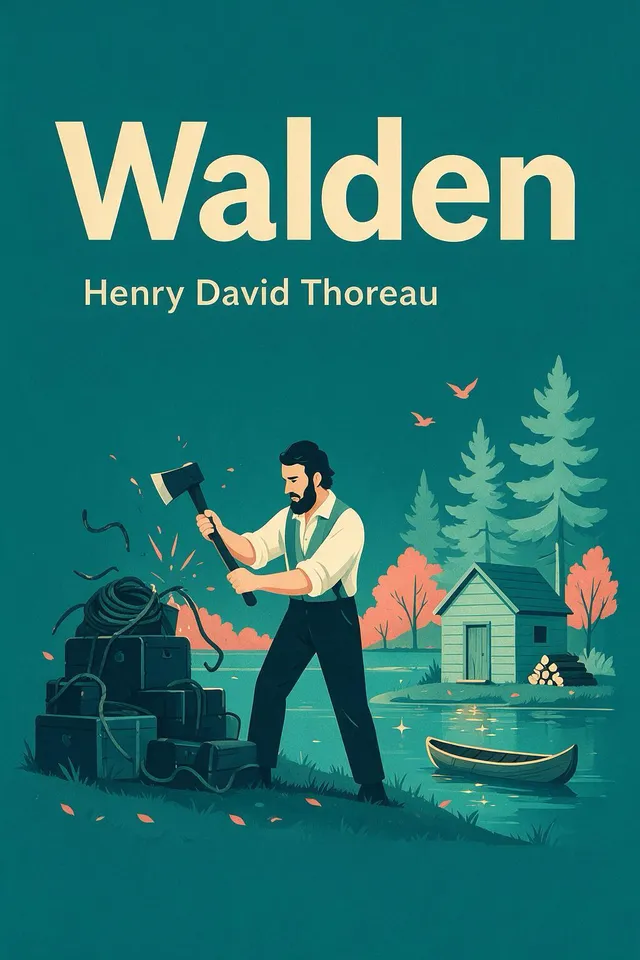
Walden
Walden asks what a human life can become when inherited burdens, public opinion, and unnecessary consumption are tested against basic needs. Thoreau answers through a temporary cabin experiment, close attention to nature, and inward exploration, offering practical methods for freedom alongside tensions that resist simple imitation.