Living Longer, Living Well
Compare ideas about aging, longevity, movement, sleep, and daily health.
Books in this collection
Outlive
Outlive asks how to extend not only lifespan but the years of physical, cognitive, and emotional capability. Its framework links chronic-disease prevention, metabolic and cardiovascular risk, exercise, nutrition, sleep, and emotional health, then turns uncertain science into individualized choices for changing the trajectory of aging.
The Blue Zones
The Blue Zones investigates why Sardinia, Okinawa, Loma Linda, and Costa Rica’s Nicoya Peninsula produced unusually long-lived populations. It asks what their food, movement, purpose, faith, family, and social ties can teach about extending healthy, independent years—and how to adapt those patterns without mistaking association for proof.
Lifespan
Lifespan asks whether aging must be accepted as inevitable or can be treated at its biological source. David Sinclair links healthspan to a stress-response network and epigenetic information, then examines lifestyle, drugs, reprogramming, precision medicine, and the social choices needed to make longer lives healthier, fairer, and sustainable.
Younger Next Year
Younger Next Year asks whether the decades after menopause must mean decline. It argues that much functional decay is lifestyle-sensitive, then connects exercise, strength, food, money, menopause, relationships, purpose, and play into a practical philosophy for staying capable and engaged in later life.
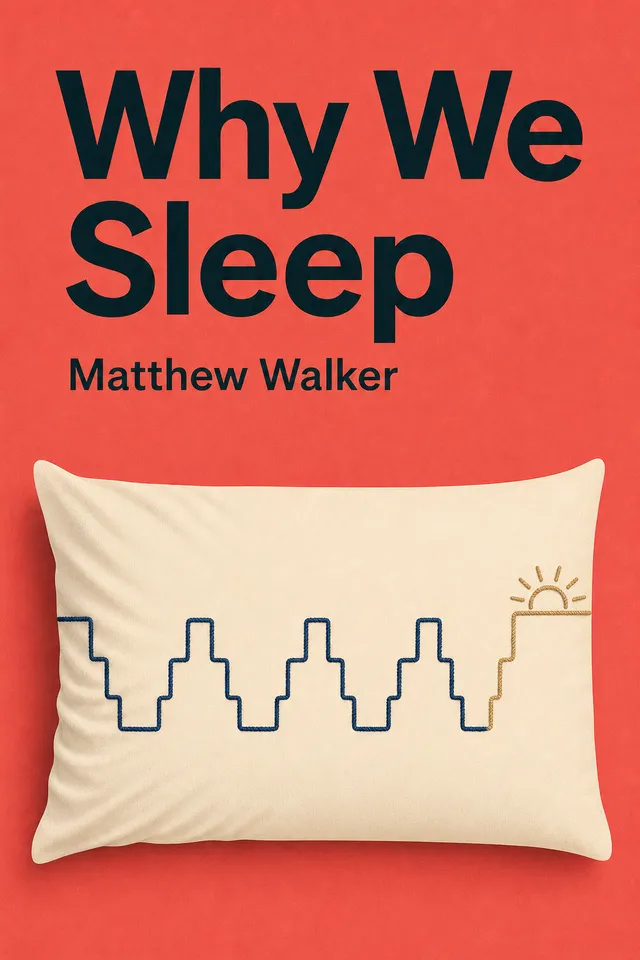
Why We Sleep
Why We Sleep examines what sleep does, how circadian timing and accumulating sleep pressure organize it, and what happens when modern life fragments it. It connects sleep with memory, emotion, health, development, and dreaming, then considers practical and institutional changes that could restore sleep’s place in daily life.
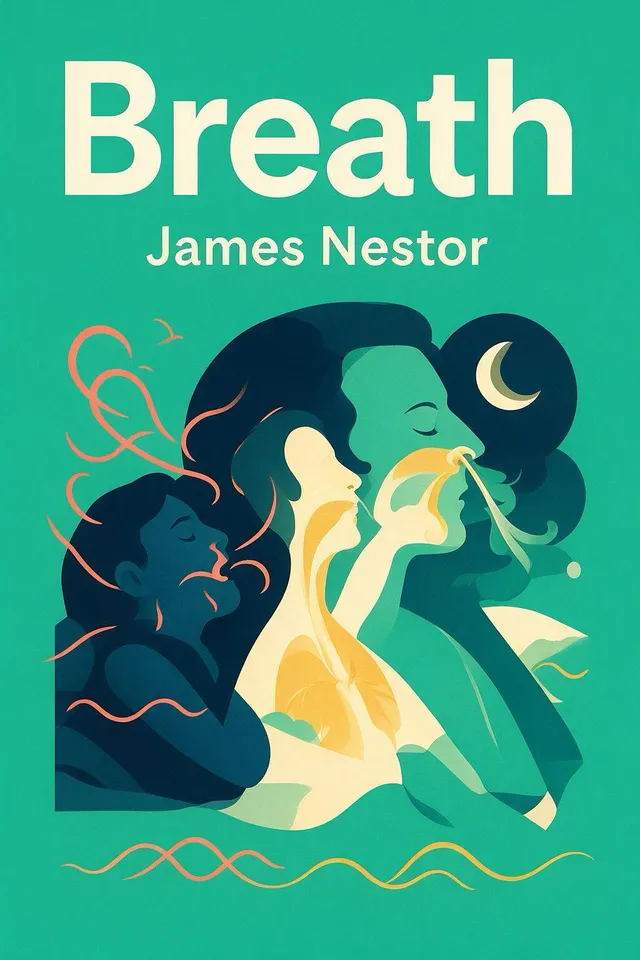
Breath
Breath examines how the route, pace, volume, and shape of breathing may affect sleep, exercise, stress, airway development, and emotional experience. It asks whether an automatic function can be retrained, then maps the book’s experiments, historical traditions, physiological theories, practical techniques, and warnings into a compact framework for judgment.
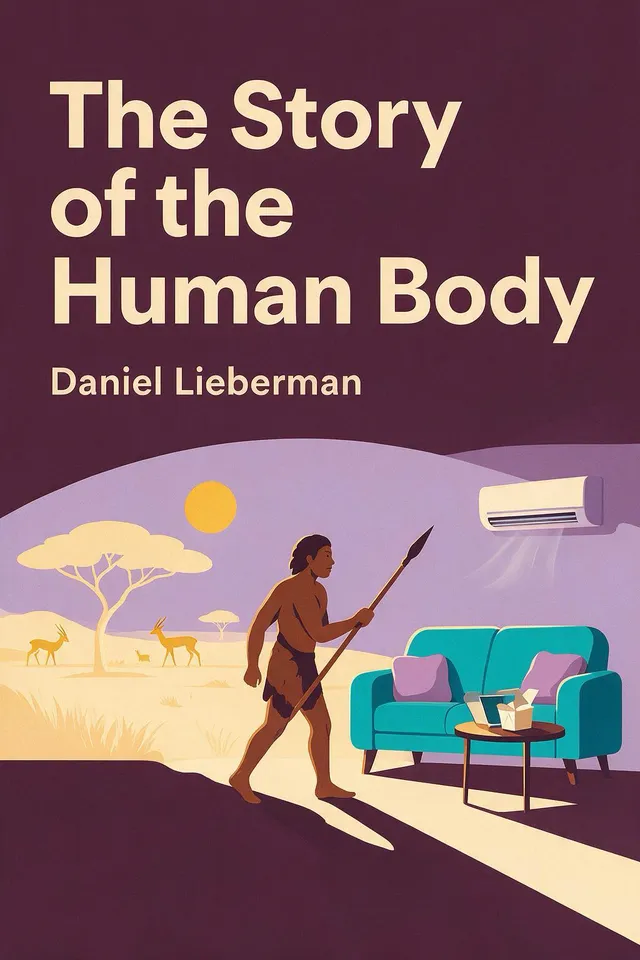
The Story of the Human Body
Why does a body shaped by scarcity, movement, and cooperation struggle with abundance, comfort, and inactivity? This book traces human evolution from bipedalism through culture, farming, and industrial life, then uses that history to explain mismatch diseases and consider how medicine, behavior, and environments can support better health.
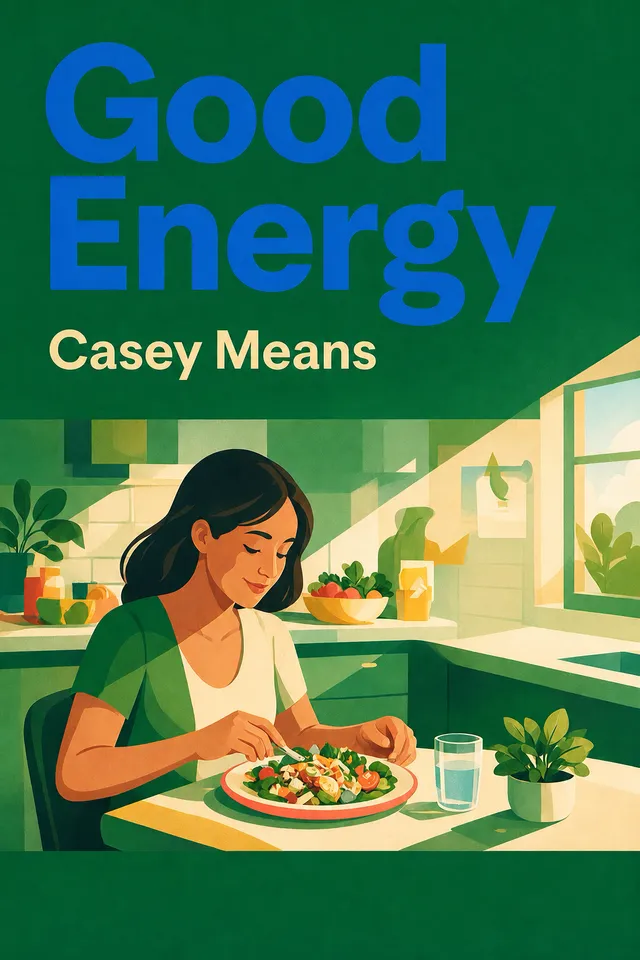
Good Energy
Good Energy presents metabolism as a cellular-energy framework and asks how food, sleep, movement, light, stress, and chemical exposure shape health. It pairs a critique of fragmented chronic care with symptom and biomarker tracking, whole-food principles, a four-week behavior plan, and practical recipes for acting on the framework.
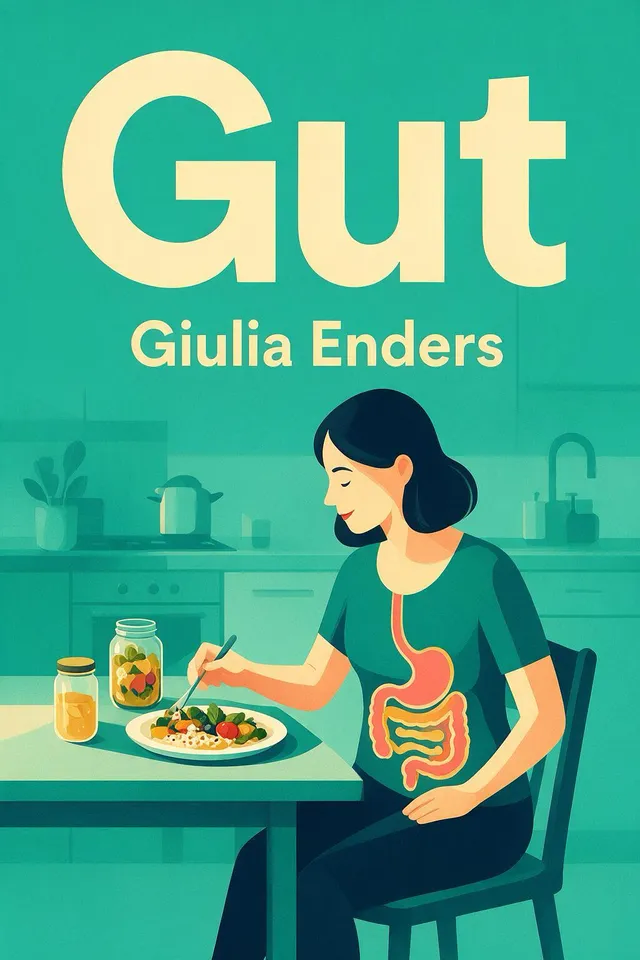
Gut
Giulia Enders examines the gut as an active organ linked to digestion, immunity, microbes, and the brain. This summary asks how food becomes usable, why digestive symptoms arise, how microbial communities develop and act, and what proportionate habits can support them without mistaking early evidence for certainty.