Living with Life's Big Questions
Compare philosophical and spiritual responses to freedom, mortality, meaning, identity, and the limits of a human life.
Books in this collection
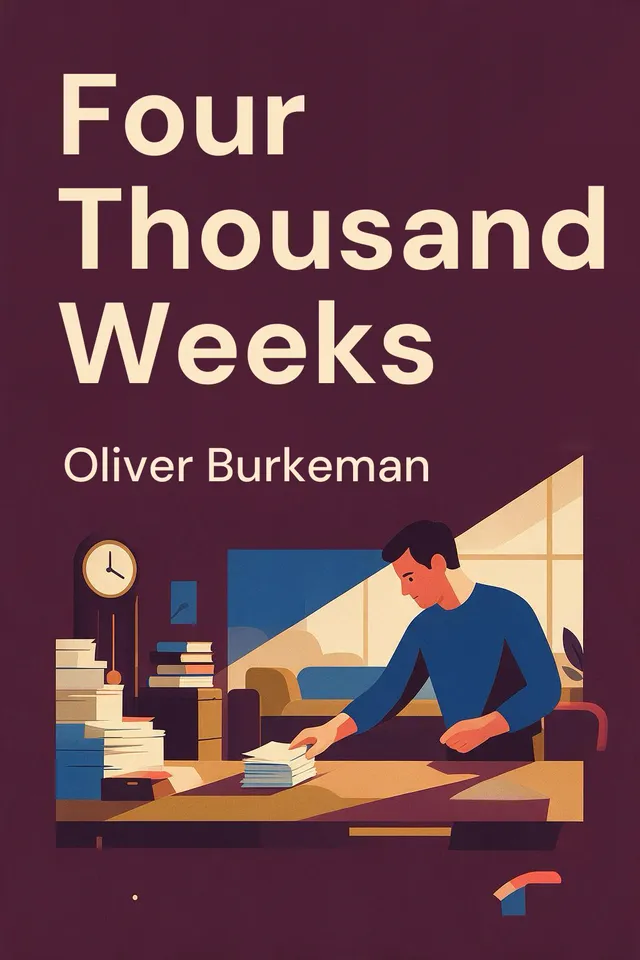
Four Thousand Weeks
Four Thousand Weeks asks how to live when a human lifespan is brief, demands are effectively unlimited, and no productivity system can create total control. It examines the costs of treating time as a resource and develops a practical philosophy of choosing, attending, resting, waiting, relating, and acting amid uncertainty and unfinished work.
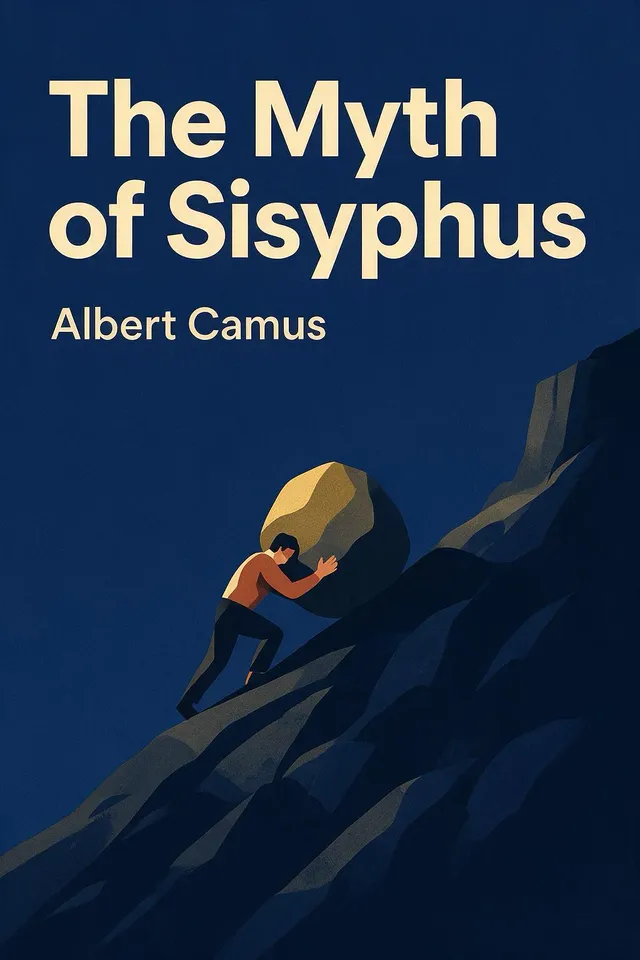
The Myth of Sisyphus
Why does life feel empty when human beings demand meaning from an uncomprehending world? Camus examines suicide, philosophical escape, revolt, freedom, passion, love, action, art, and Sisyphus to argue that lucid attention to mortality can become a way of living—and even a source of defiant happiness.
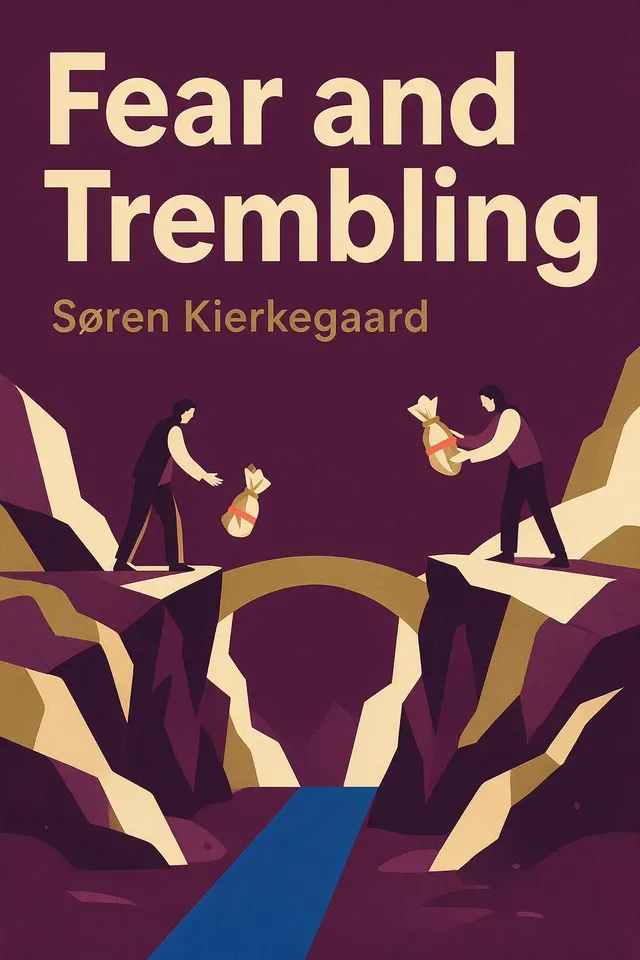
Fear and Trembling
Fear and Trembling asks what Abraham’s willingness to sacrifice Isaac reveals about faith when a divine command conflicts with universal ethics. Through poetic retellings, the double movement of resignation and faith, and debates over silence and duty, it offers a framework for distinguishing religious faith from resignation, tragic heroism, and aesthetic concealment.
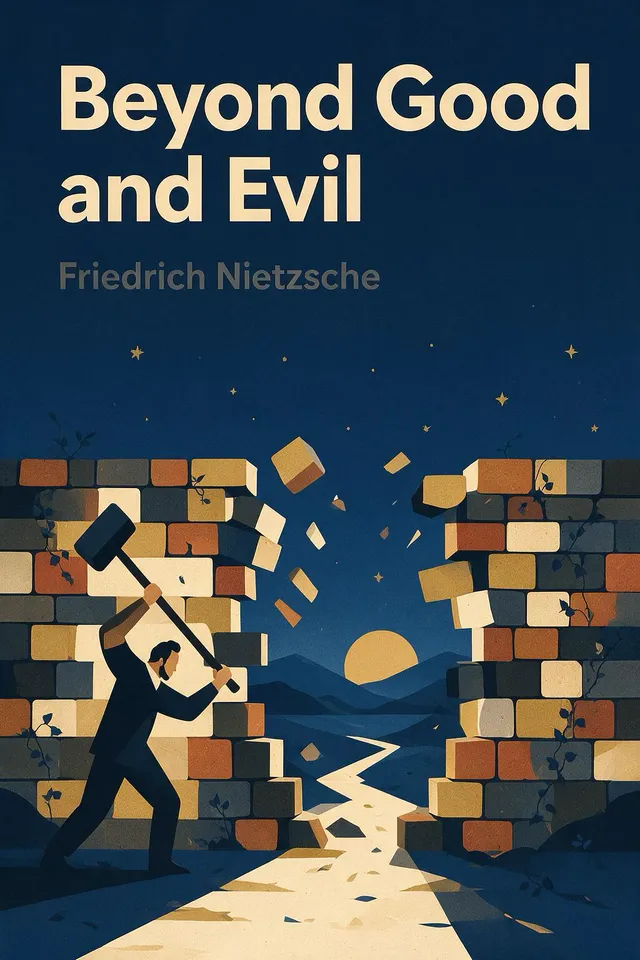
Beyond Good and Evil
Beyond Good and Evil asks what lies beneath philosophy’s claims to truth and morality. Nietzsche traces how instincts, religion, discipline, scholarship, social identity, and rank shape values, offering a demanding lens for testing inherited judgments and imagining freer forms of thought before a Dionysian closing meditation on transformation.
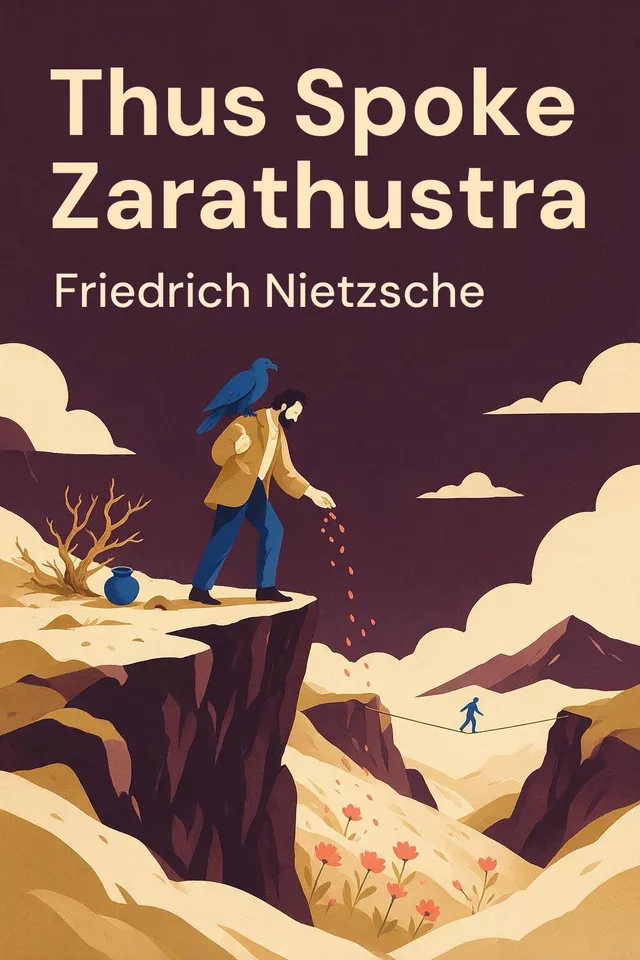
Thus Spoke Zarathustra
Through Zarathustra’s speeches, parables, songs, and failures, the book asks how people can live and create after inherited religious and moral certainties lose their authority. It offers a demanding way to think about self-overcoming, earth-fidelity, solitude, value creation, and eternal recurrence without reducing them to a final creed.
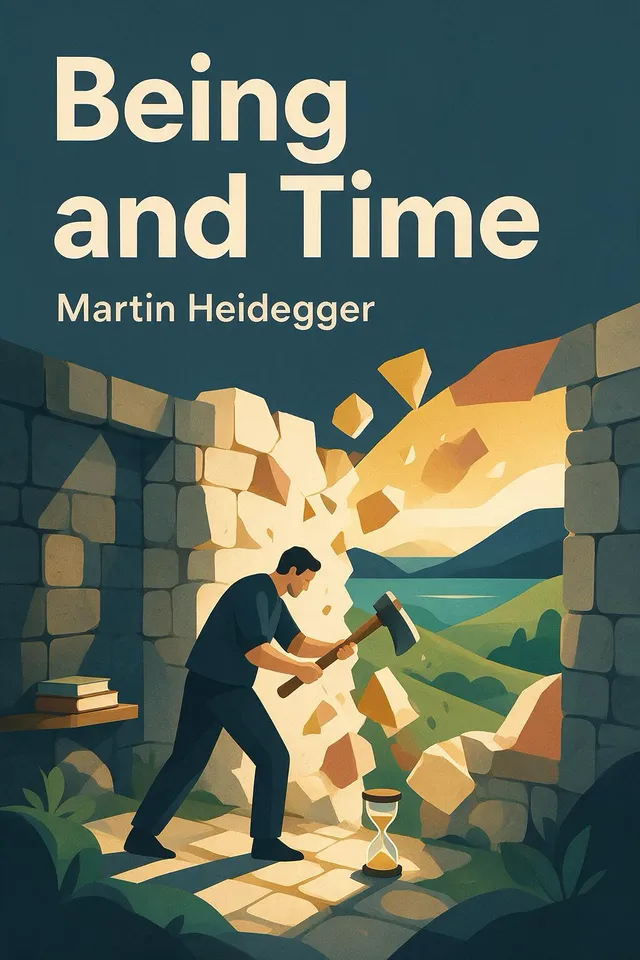
Being and Time
Martin Heidegger’s Being and Time asks how the meaning of Being can be recovered when inherited frameworks obscure it. This summary follows Dasein’s being-in-the-world, everydayness, anxiety, authenticity, language, and time, showing how human existence can disclose—and conceal—the world it inhabits.
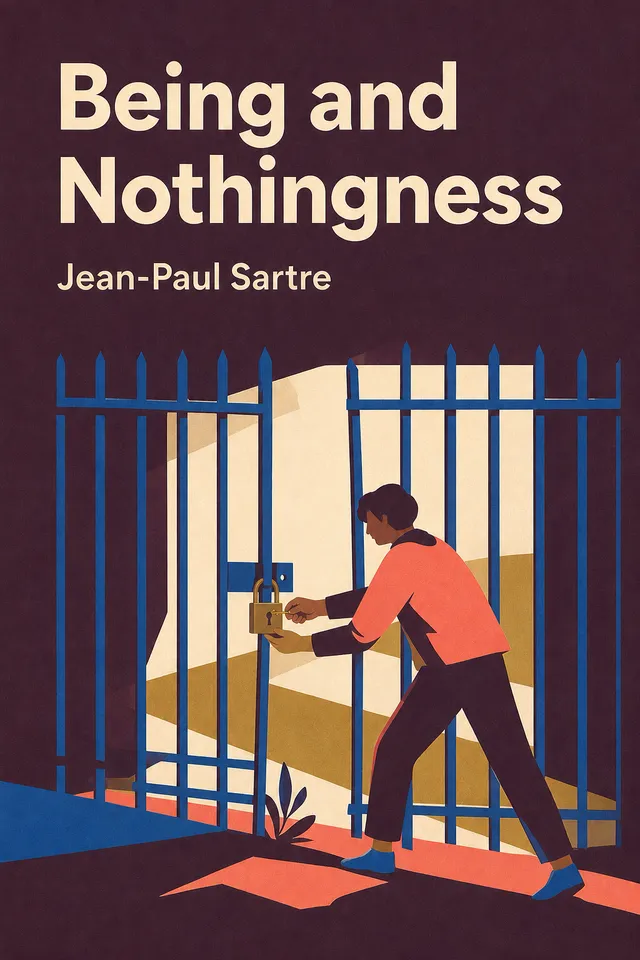
Being and Nothingness
Jean-Paul Sartre’s Being and Nothingness asks how consciousness can be free while embodied, situated, temporal, and exposed to other people. It distinguishes being-in-itself from the for-itself, then follows nothingness through bad faith, desire, action, responsibility, possession, and the unfinished problem of ethics.
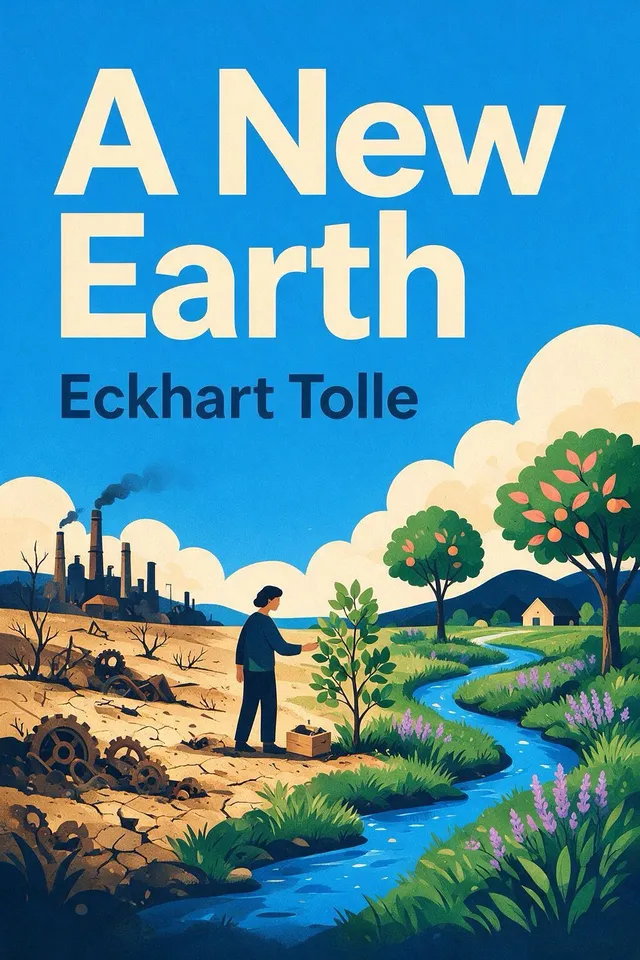
A New Earth
A New Earth examines the source’s diagnosis of humanity’s inherited suffering, violence, greed, and ecological damage, then asks whether changing consciousness can change the world. It presents egoic identification with thought, possessions, roles, and groups as a root mechanism, and Presence as a path toward freer relationships, work, and collective action.