Make Peace with Money
Rethink earning, saving, spending, and your own definition of enough.
Books in this collection
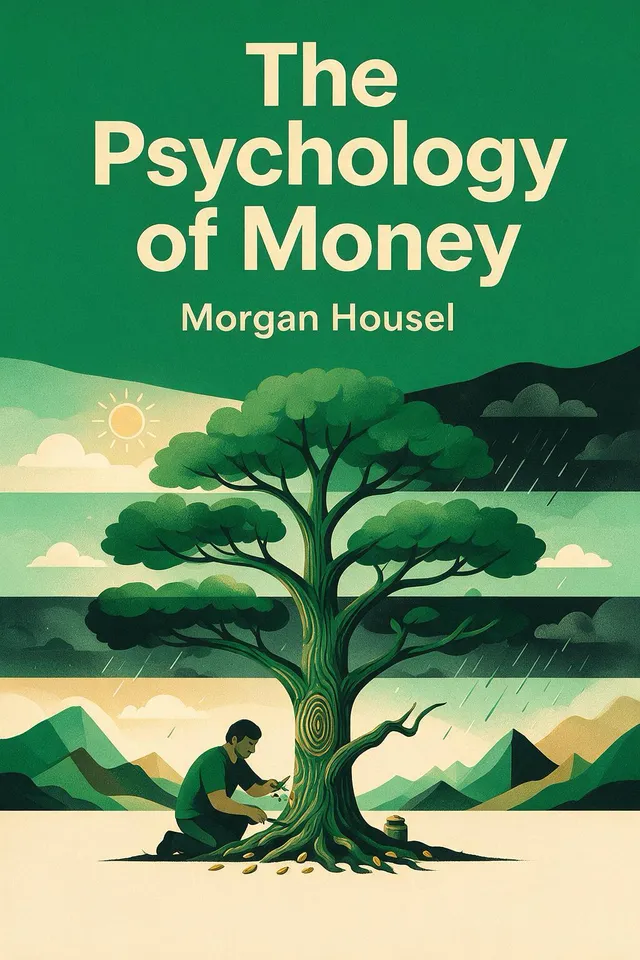
The Psychology of Money
Why do people make money choices that seem irrational, and how can they build wealth without risking what matters most? Morgan Housel examines personal history, luck, compounding, saving, time autonomy, uncertainty, changing goals, and economic expectations, then turns those ideas into a framework for durable financial behavior.
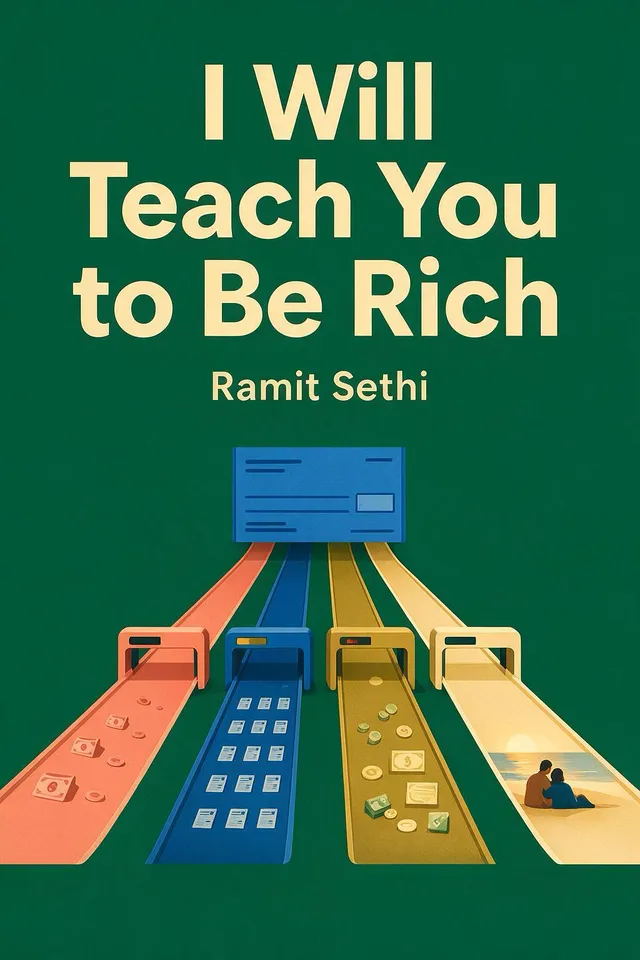
I Will Teach You to Be Rich
Ramit Sethi’s framework for making money serve a personally defined rich life asks how readers can reduce costly debt, build low-fee accounts, automate saving and investing, spend deliberately, and handle major choices about work, relationships, cars, and homes. Its practical value is a repeatable system of small actions, trade-offs, and long-term habits.
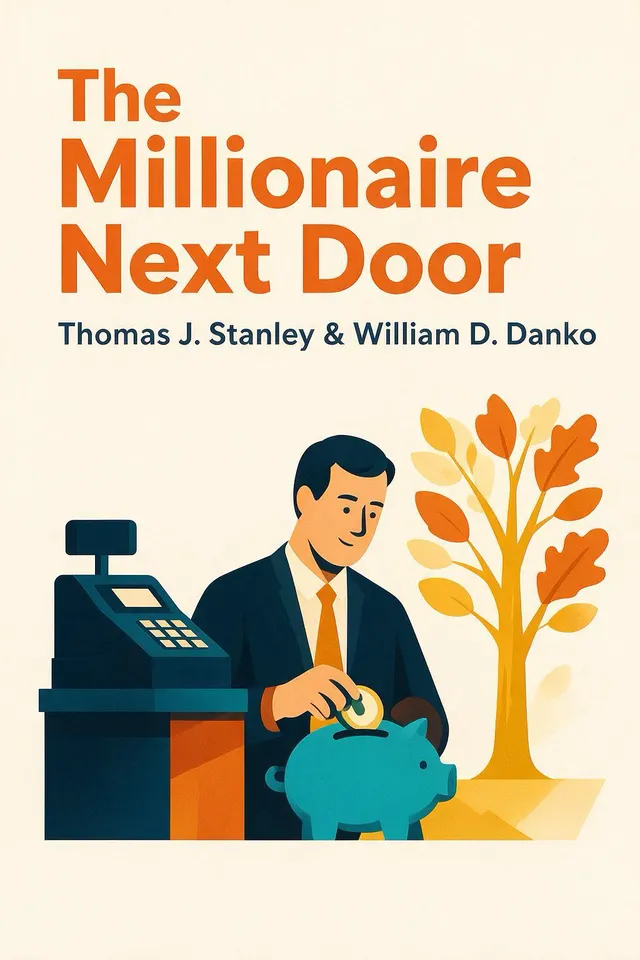
The Millionaire Next Door
The Millionaire Next Door asks why some American households build substantial net worth on ordinary incomes while higher earners remain financially fragile. Drawing on survey research and case studies, it examines frugality, planning, investing, consumption, work, and family transfers, offering a framework for distinguishing visible affluence from durable financial independence.

Die With Zero
Die With Zero asks how people can convert limited work, money, health, and time into a fuller life instead of postponing enjoyment until opportunities disappear. Bill Perkins’s framework covers experience timing, memory, spending down wealth, giving while alive, life seasons, and calculated risk, offering practical ways to make deliberate trade-offs.
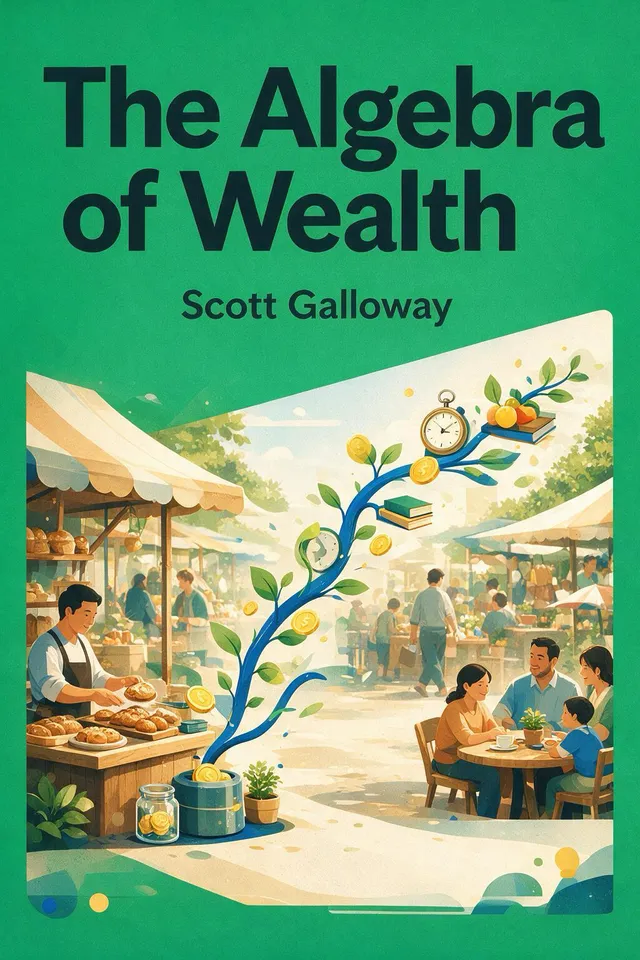
The Algebra of Wealth
Scott Galloway’s framework asks how people can turn work, restraint, time, and investment into economic security rather than endless consumption. It connects character, career fit, compounding, budgeting, diversification, and tax-aware choices, then returns to the purpose of wealth: preserving options and making more room for relationships and care.
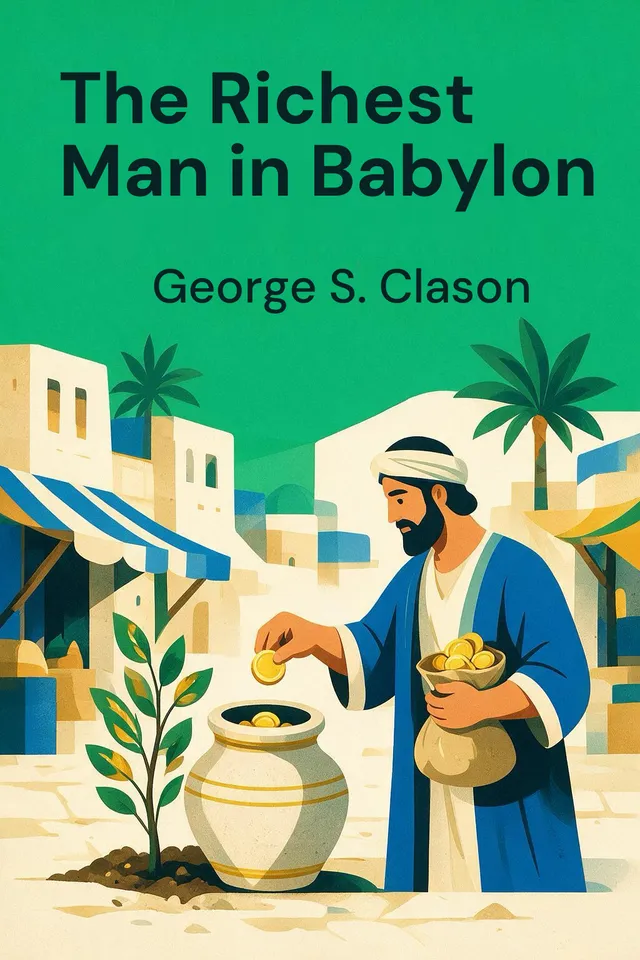
The Richest Man in Babylon
Through stories set in ancient Babylon, this book asks how people can acquire, protect, and grow wealth. It links saving, deliberate spending, productive investment, debt repayment, useful work, and decisive action into a practical study of financial self-command.
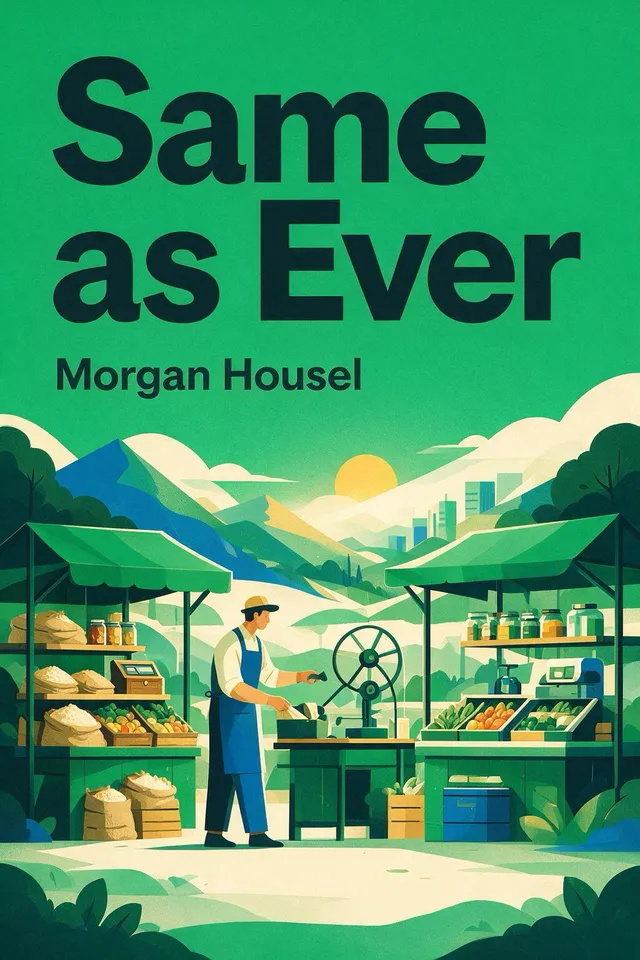
Same as Ever
Same as Ever asks what remains reliable when technology, markets, and politics change. Morgan Housel argues that recurring human motives, uncertainty, incentives, expectations, and compounding matter more than precise forecasts. This audio-first summary turns those ideas into practical ways to prepare, endure, adapt, and think clearly.
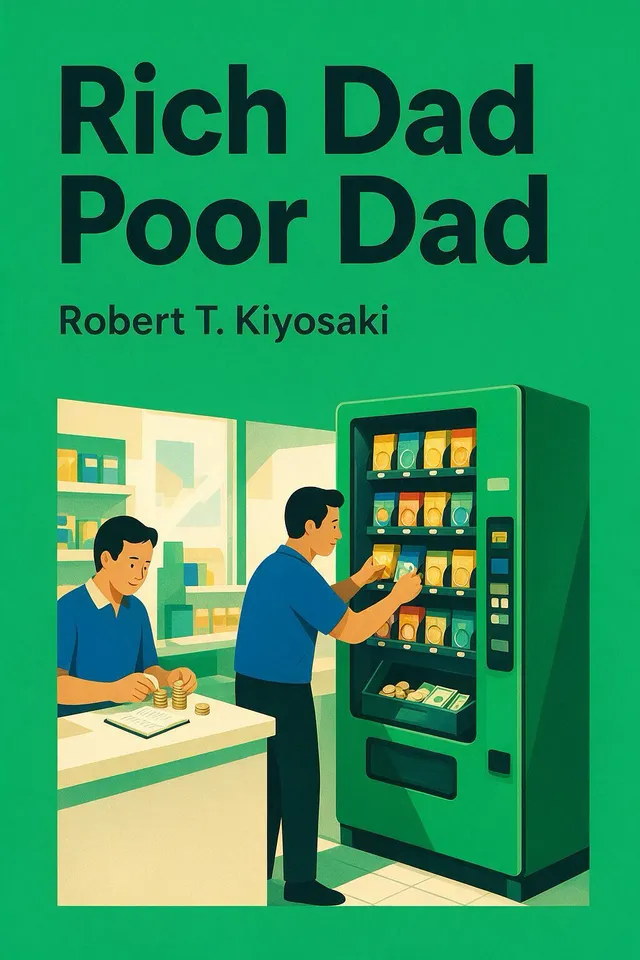
Rich Dad Poor Dad
Rich Dad Poor Dad contrasts two approaches to money: trading time for wages and building financial understanding, assets, and ownership. It asks why education and higher earnings can coexist with financial insecurity, then maps cash flow, risk, skills, and the conversion of earned income into portfolio or passive income.
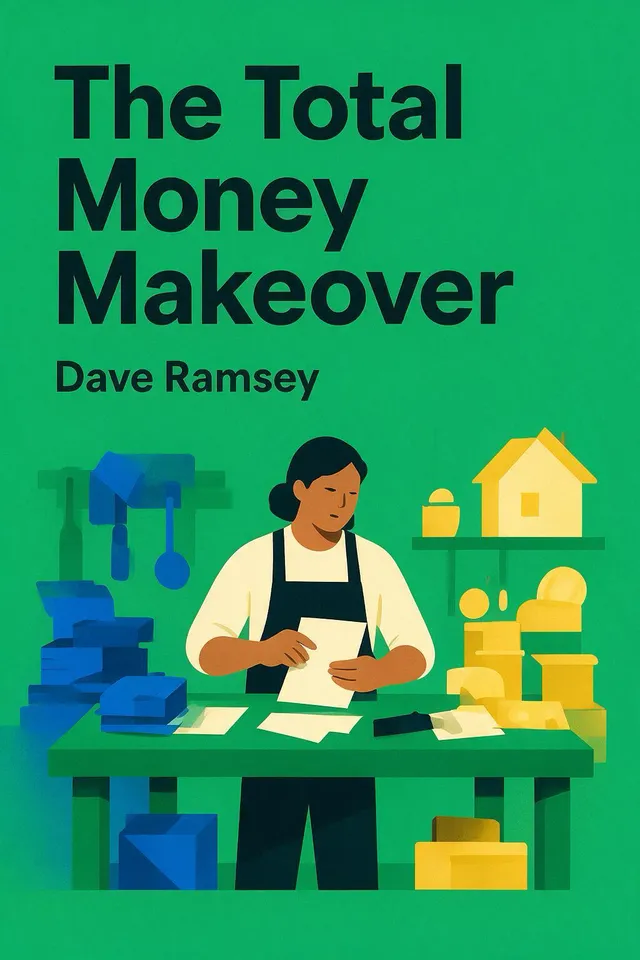
The Total Money Makeover
How can a household move from denial, debt, and paycheck-to-paycheck vulnerability to financial control? The book’s answer is a behavior-first sequence: face the numbers, budget, build emergency reserves, eliminate debt, invest, fund education, pay off the home, and use resulting wealth for enjoyment and giving.