Meet the Living World
Discover the lives, senses, partnerships, and ecological connections of organisms beyond the familiar human viewpoint.
Books in this collection
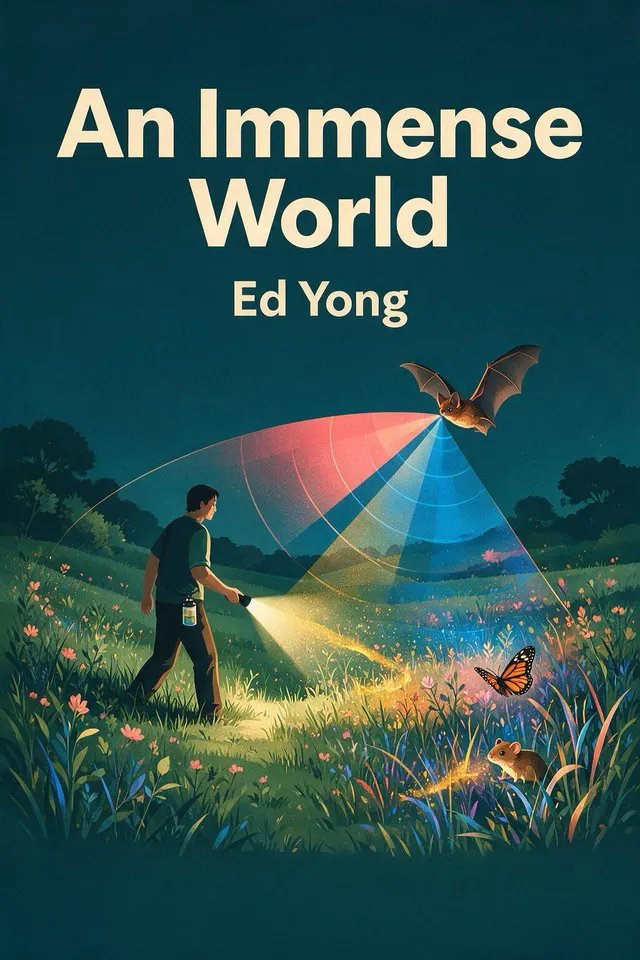
An Immense World
How can the same physical world become radically different to different animals? An Immense World examines smell, light, color, pain, heat, touch, vibration, sound, echolocation, electricity, magnetism, and multisensory integration, then asks how human light and noise reshape those perceptual habitats. Its value is a more careful, less human-centered understanding of other species.
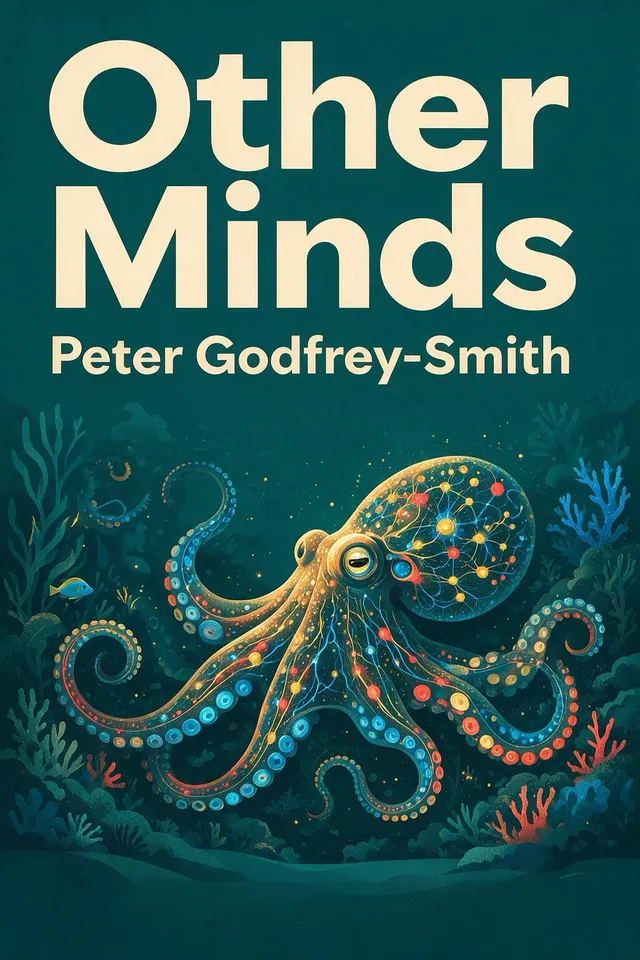
Other Minds
Other Minds asks how subjective experience emerged from living matter and what cephalopods reveal about minds built along a separate evolutionary path. It traces sensing, nervous systems, embodiment, consciousness, communication, language, aging, and social ecology, offering a comparative way to understand intelligence without assuming one human-like design.
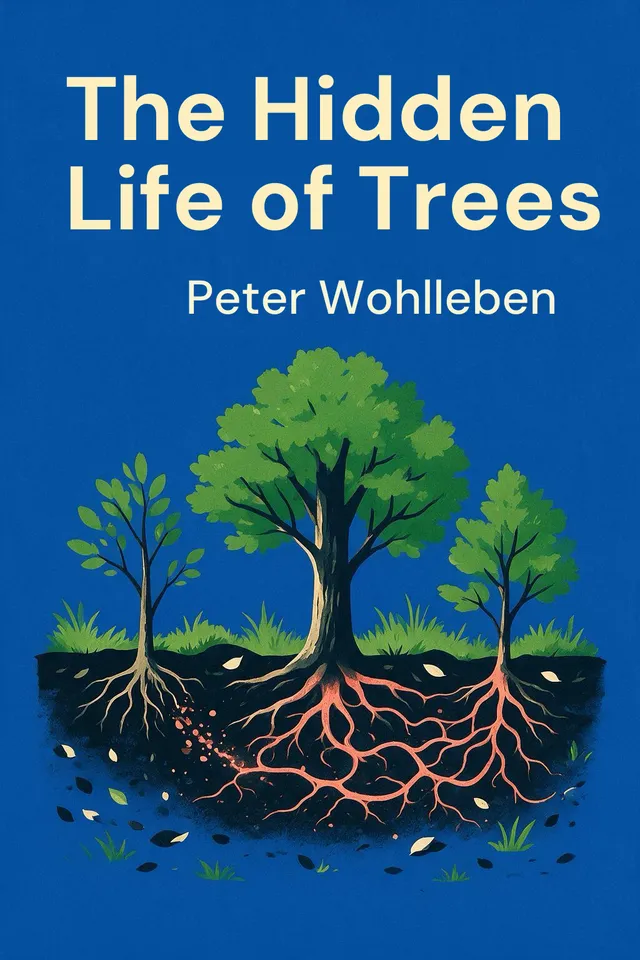
The Hidden Life of Trees
The book asks what trees do beyond growing: how communication, cooperation, competition, soil, fungi, seasons, and disturbance make forests resilient, and why isolation and simplified management weaken them. Its value is a systems-level way to understand trees as living communities rather than interchangeable timber.
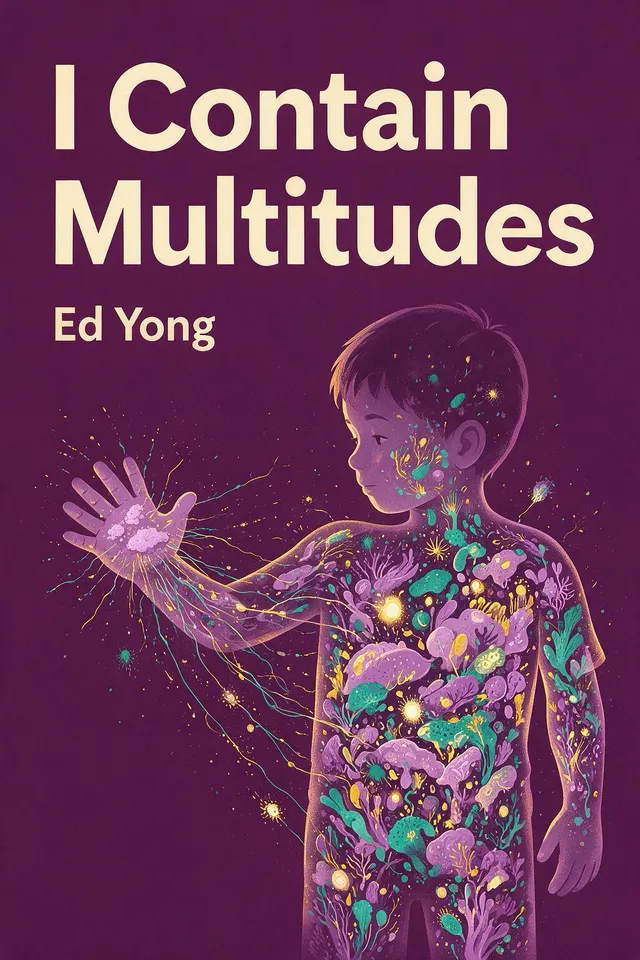
I Contain Multitudes
What if an animal is less a sealed individual than a living consortium? I Contain Multitudes follows microbes that build bodies, educate immunity, expand diets, shape evolution, and sometimes cause disease. It offers a practical way to understand health and intervention as ecological problems, not single-germ stories.
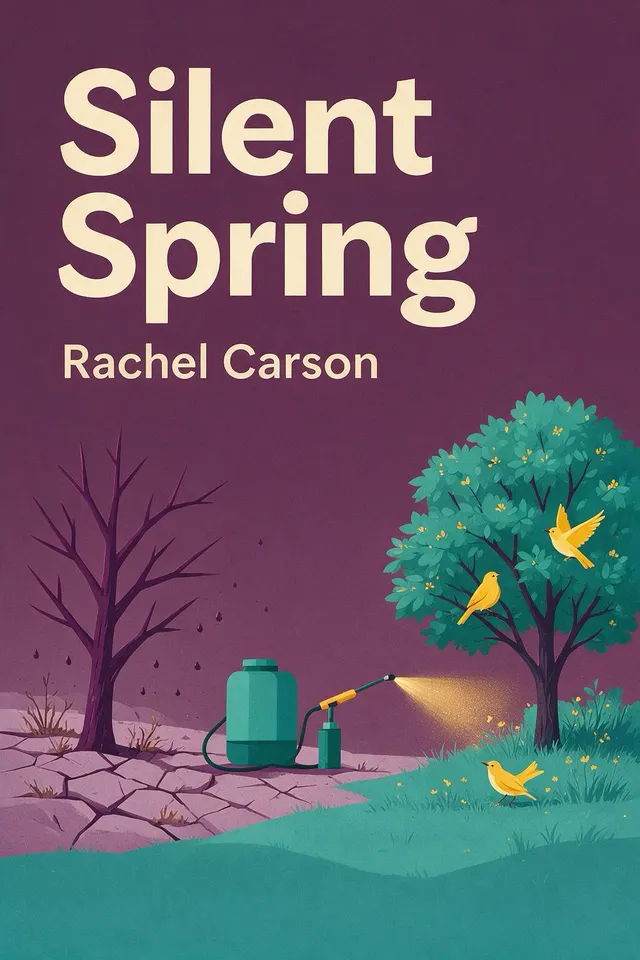
Silent Spring
Silent Spring examines what happens when modern societies use persistent chemicals to control pests without accounting for ecological interdependence. It asks whether short-term control justifies risks to water, soil, wildlife, human health, and future generations, and points toward selective, biological, and ecologically informed alternatives.
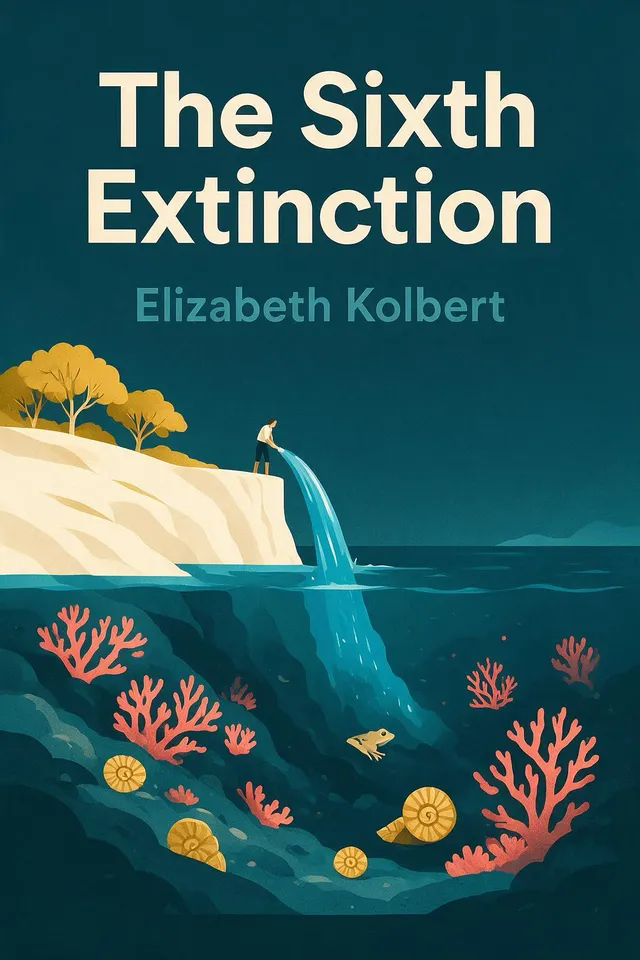
The Sixth Extinction
This book asks whether human activity is driving a sixth mass extinction. Moving from fossil discoveries and ancient catastrophes to amphibians, oceans, forests, invasions, megafauna, and conservation, it examines how rapidly life can adapt—and what it means that one species is reshaping the evolutionary future of all the others.
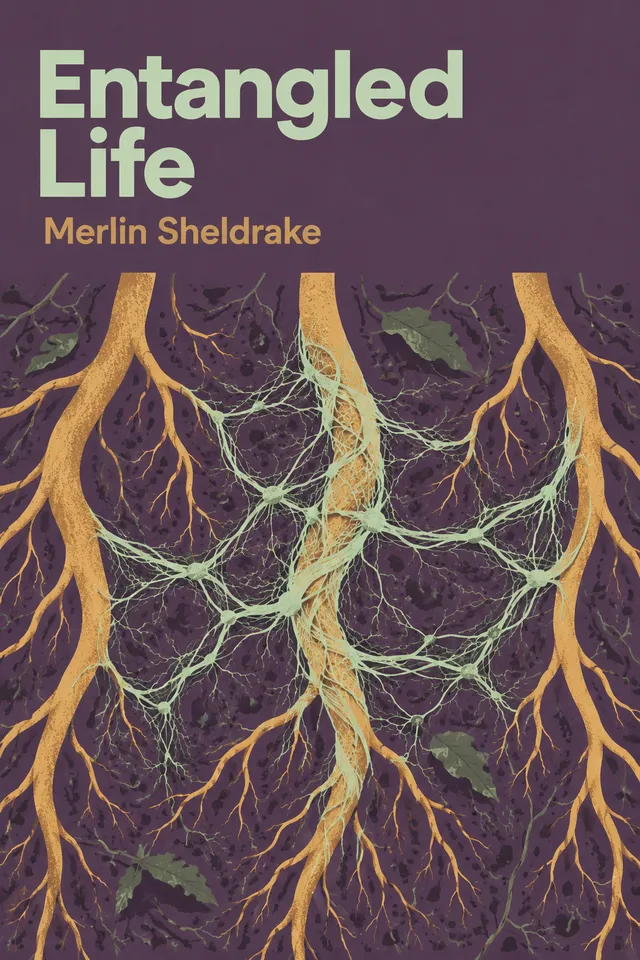
Entangled Life
Entangled Life asks how fungi sense, build networks, form partnerships, redirect animal and human behavior, and transform matter—and what these lives reveal about individuality, intelligence, and ecology. This summary explains the mechanisms through vivid cases, practical applications, and clear limits on what current evidence can establish.
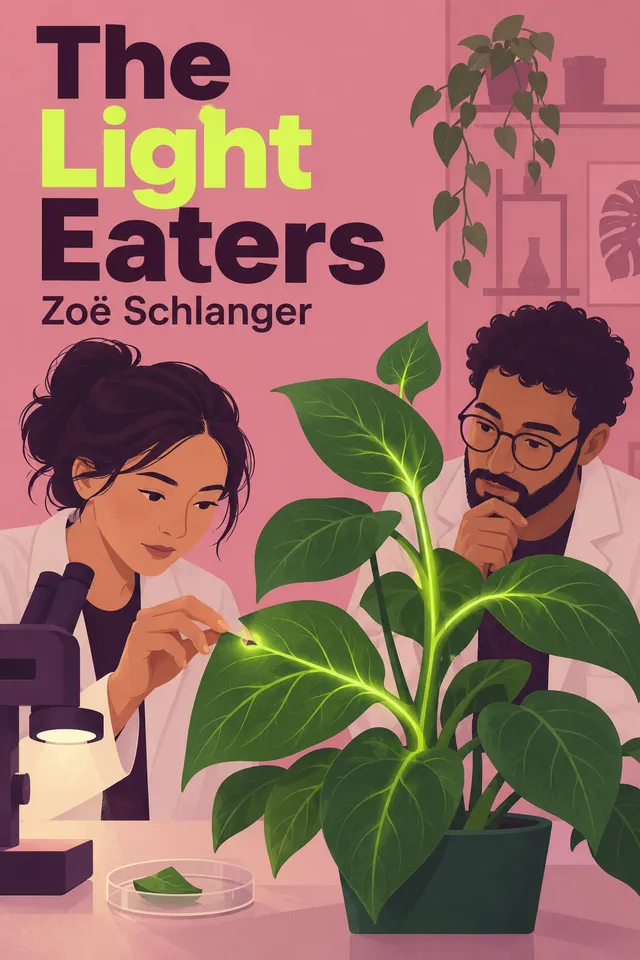
The Light Eaters
How do plants sense, signal, remember, learn, and adapt without animal-style brains—and what should those abilities mean to us? This account follows evidence from electrical and acoustic responses to mimicry, social life, and inherited plasticity, while marking where explanations remain contested and how a relational view can inform ecological and ethical choices.
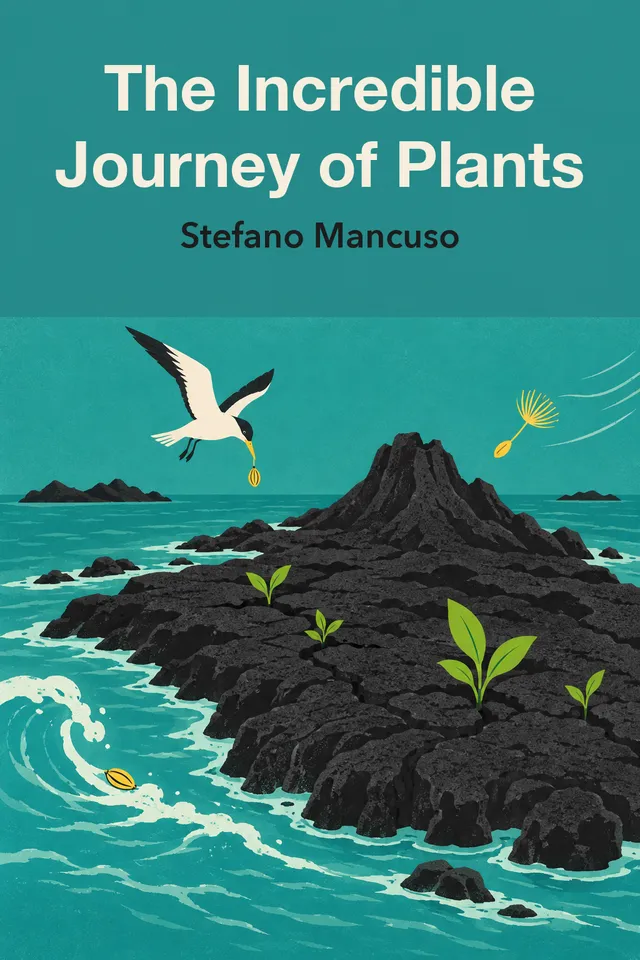
The Incredible Journey of Plants
How do rooted organisms travel, survive upheaval, and persist across centuries? Stefano Mancuso answers through histories of island colonization, escaped plants, ocean journeys, ancient seeds, solitary trees, and lost animal partners. These cases clarify how dispersal works, why resilience depends on relationships, and how human transport or ecological change can unsettle them.
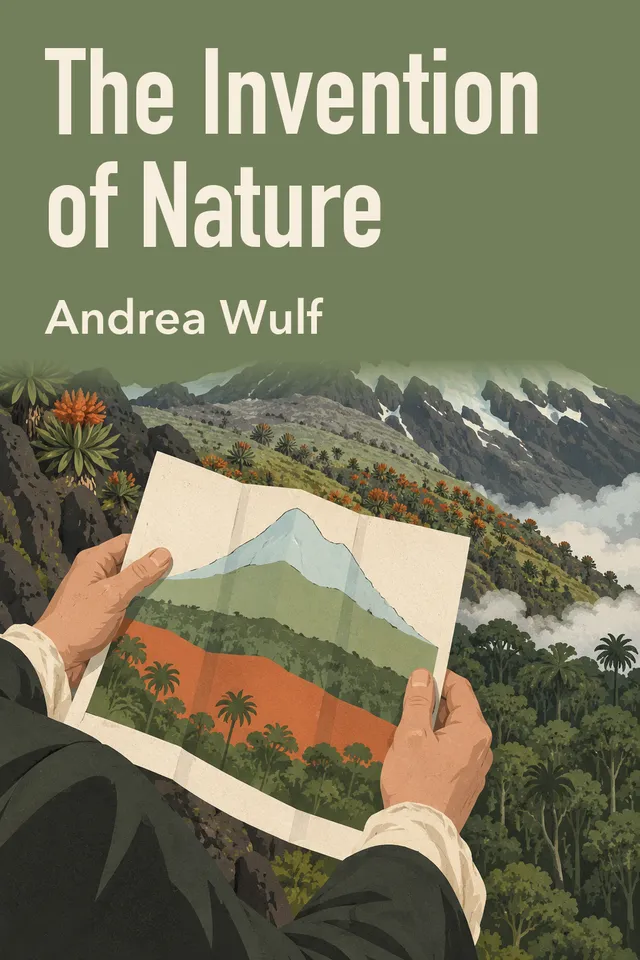
The Invention of Nature
Andrea Wulf traces how Alexander von Humboldt formed a view of nature as a connected, changing whole by joining measurement, comparison, sensory experience, and imagination. The book follows that approach from South American fieldwork into political debate, evolutionary thought, ecology, art, and conservation, showing how human choices belong within the natural systems they alter.