Parenting & Family
Build secure relationships, understand children, and support their growing independence.
Books in this collection
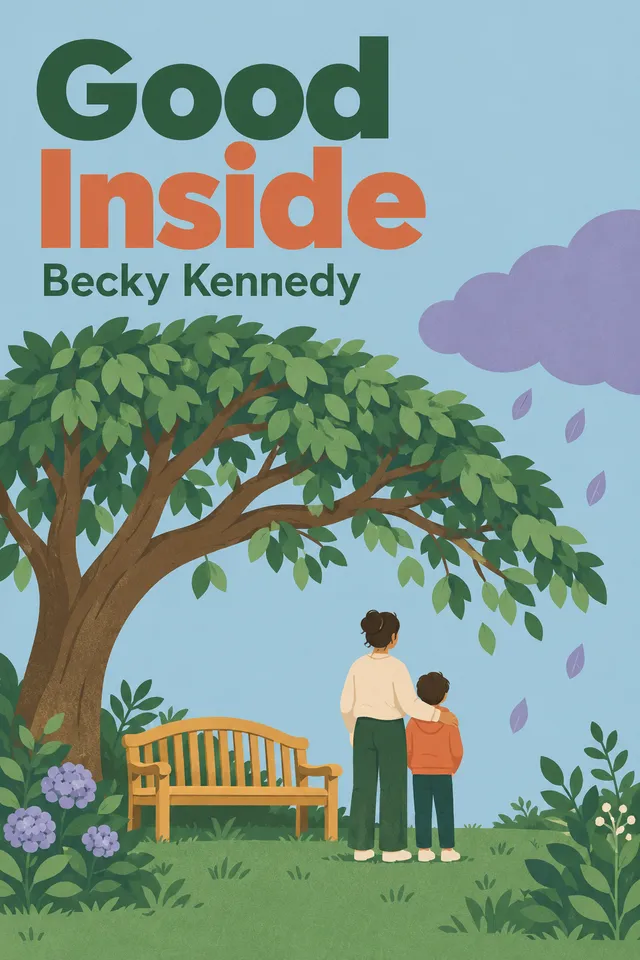
Good Inside
Good Inside asks how parents can meet difficult behavior without sacrificing either authority or connection. Its framework treats behavior as a window into feelings and unmet needs, separates a child’s goodness from conduct, and offers ways to validate, set limits, repair ruptures, and build resilience in family life.
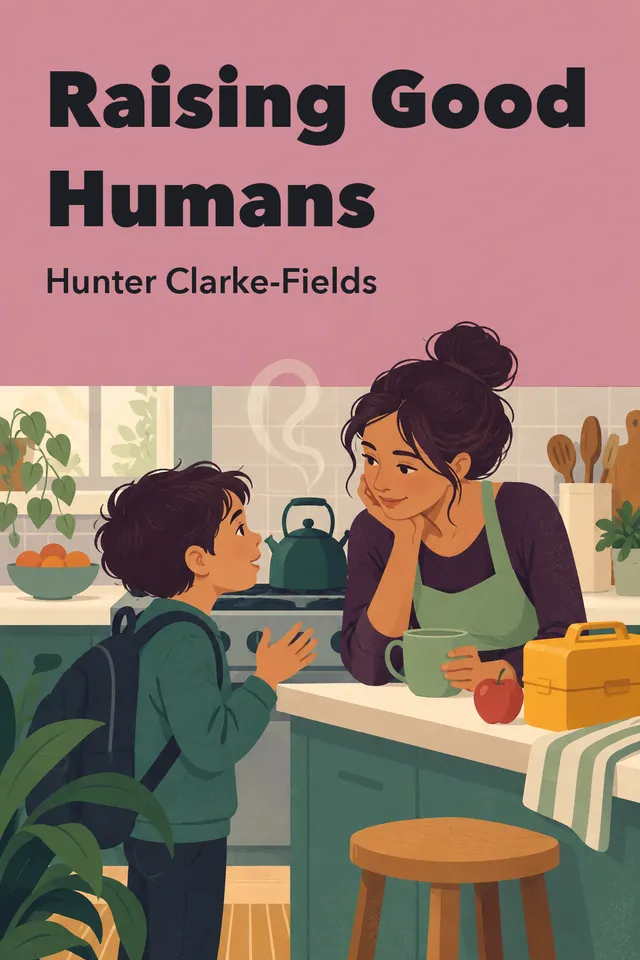
Raising Good Humans
How can parents respond with care when stress pushes them toward anger? Hunter Clarke-Fields connects mindfulness and emotional awareness with practical communication skills. Learn how to recognize triggers, listen to children, express needs, resolve conflicts, and build household habits that support cooperation while preserving boundaries.
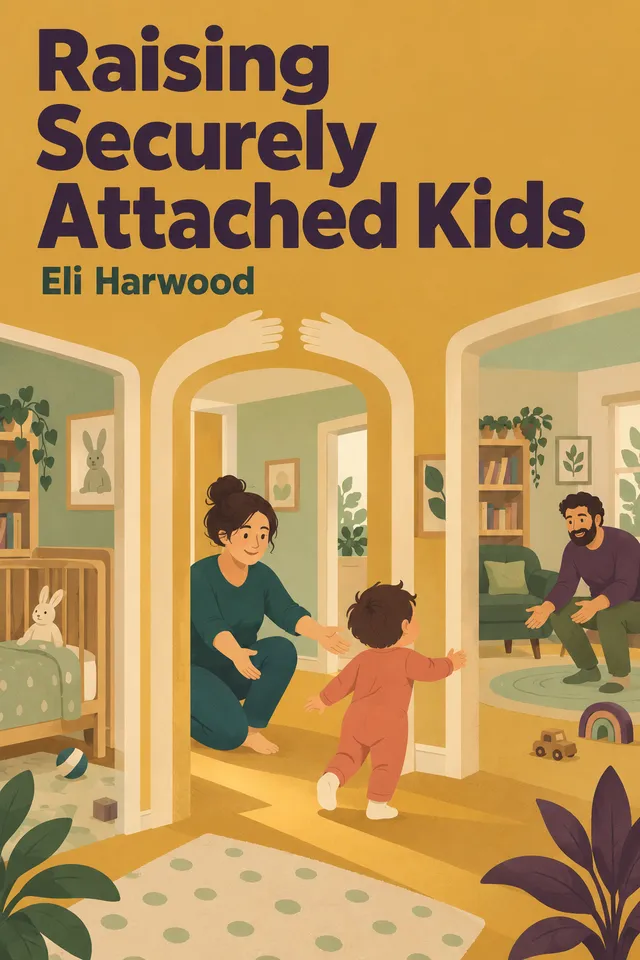
Raising Securely Attached Kids
Eli Harwood presents secure attachment as a reliable source of comfort and a base from which children can explore. The book asks how parents can build that bond in daily life, offering ways to respond to feelings, set limits, repair conflict, discuss difficult topics, and support independence while examining how caregivers’ own histories shape their reactions.
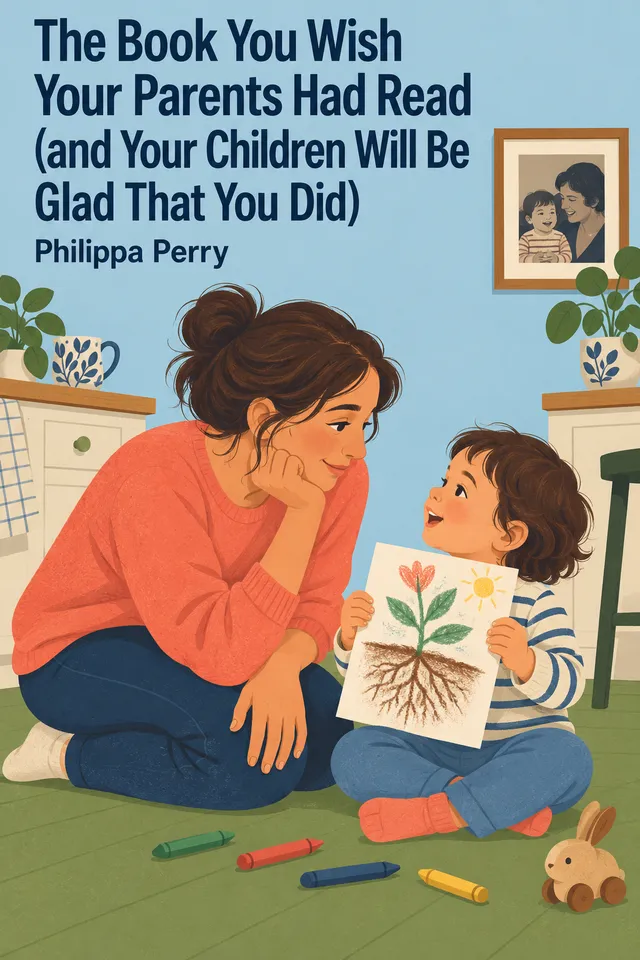
The Book You Wish Your Parents Had Read (and Your Children Will Be Glad That You Did)
Philippa Perry’s relational guide to parenting asks how our own childhoods shape the way we respond to children, and how attention, emotional honesty, repair, boundaries, play, and respect can build security from pregnancy through adulthood. Its value lies in replacing perfectionism with practical ways to understand and reconnect.
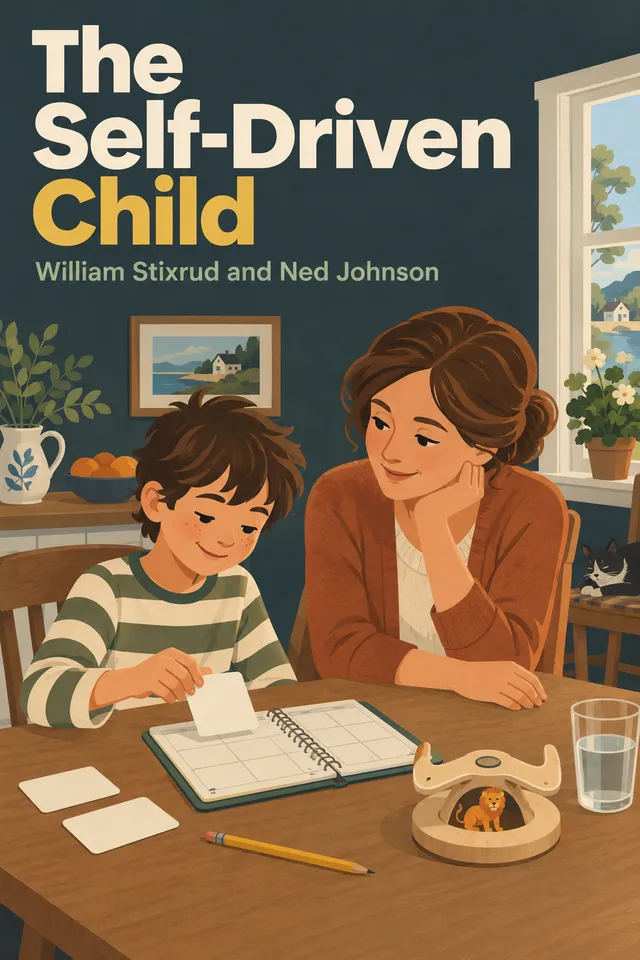
The Self-Driven Child
Why do capable children lose motivation, struggle under pressure, or resist help—and how can parents support them without taking over? Stixrud and Johnson argue that a child’s sense of control shapes stress, learning, and independence. The book offers practical ways to share decisions, reduce pressure, support motivation and rest, and prepare for school, technology, tests, and adulthood.
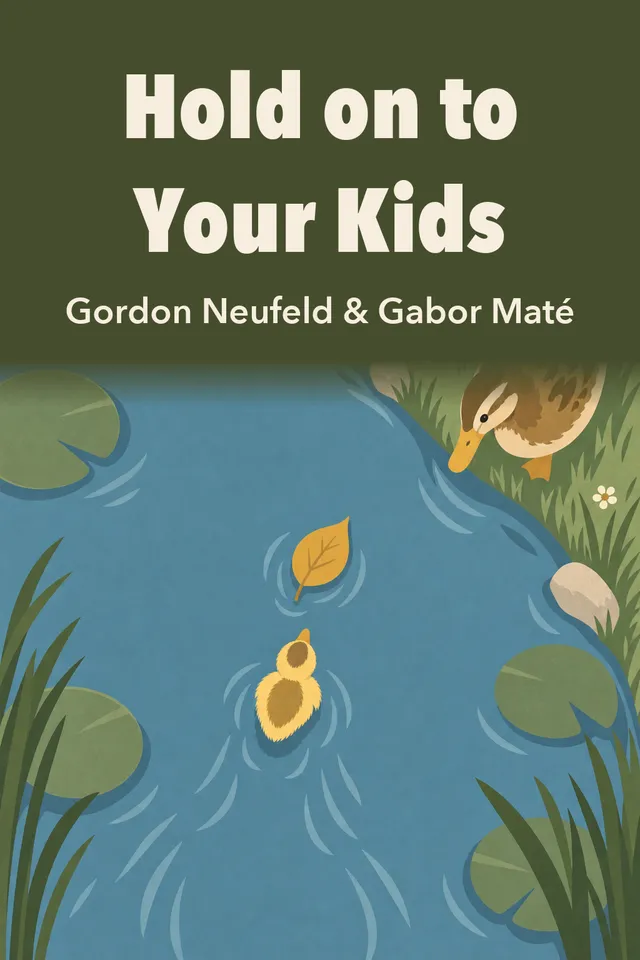
Hold on to Your Kids
Hold on to Your Kids argues that children rely on attachment to caring adults for direction, learning, and maturation, and that peer orientation can displace this guidance. It explains how attachment shapes parental authority, vulnerability, behavior, and schooling, then offers ways to reconnect, discipline without rupture, and build a wider circle of responsible adults.
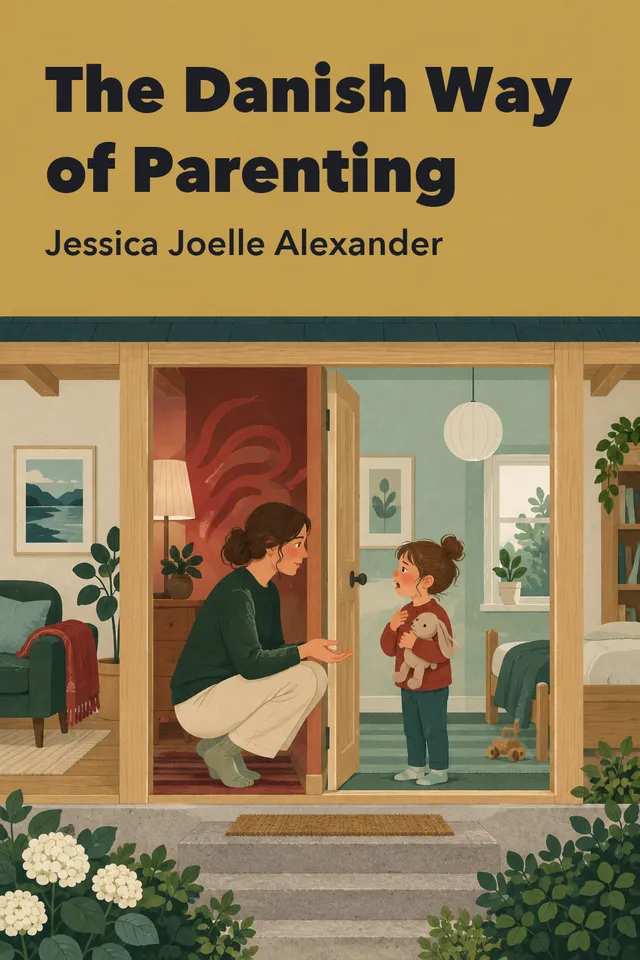
The Danish Way of Parenting
How can everyday parenting help children grow more resilient, empathetic, and self-reliant? The book introduces PARENT—play, authenticity, reframing, empathy, no ultimatums, and togetherness—and traces how these practices shape children's learning, relationships, and family life.
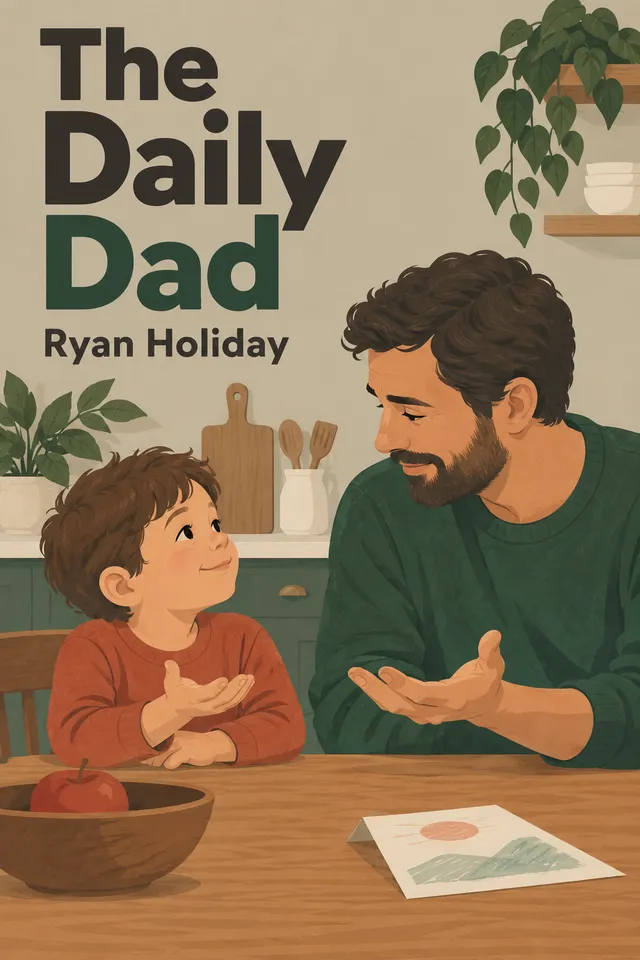
The Daily Dad
The Daily Dad asks how parents can shape children’s character through example, sustain unconditional love, and stay close while helping children become themselves. Its daily meditations turn that question into practices for self-control, encouragement, curiosity, resilience, and attention to family life.
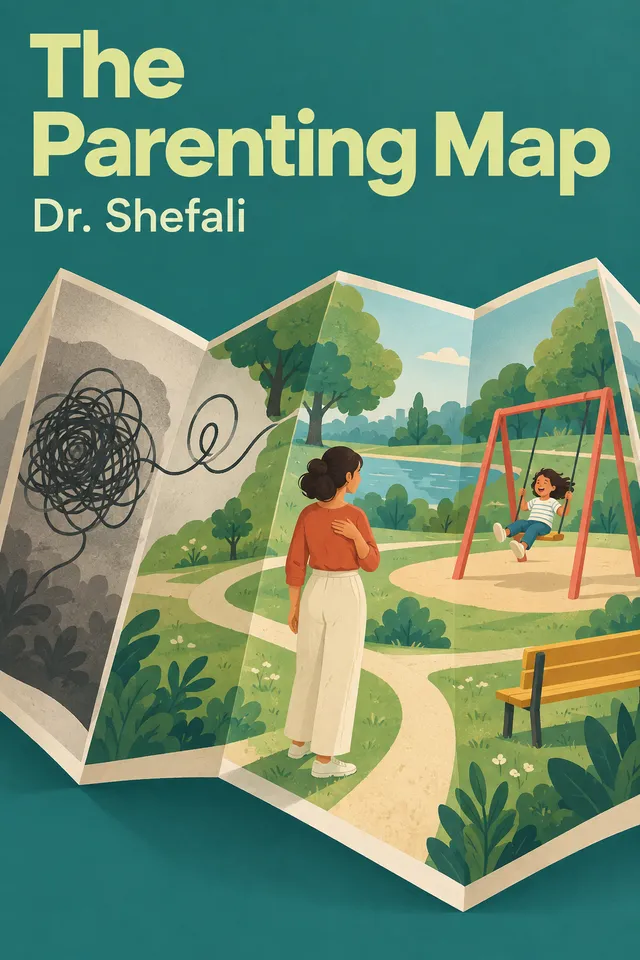
The Parenting Map
How can parents guide children without making them extensions of their own fears and expectations? Dr. Shefali’s conscious parenting framework connects parental self-awareness with practical ways to understand behavior, respond to emotions, negotiate boundaries, and support children’s growing autonomy.
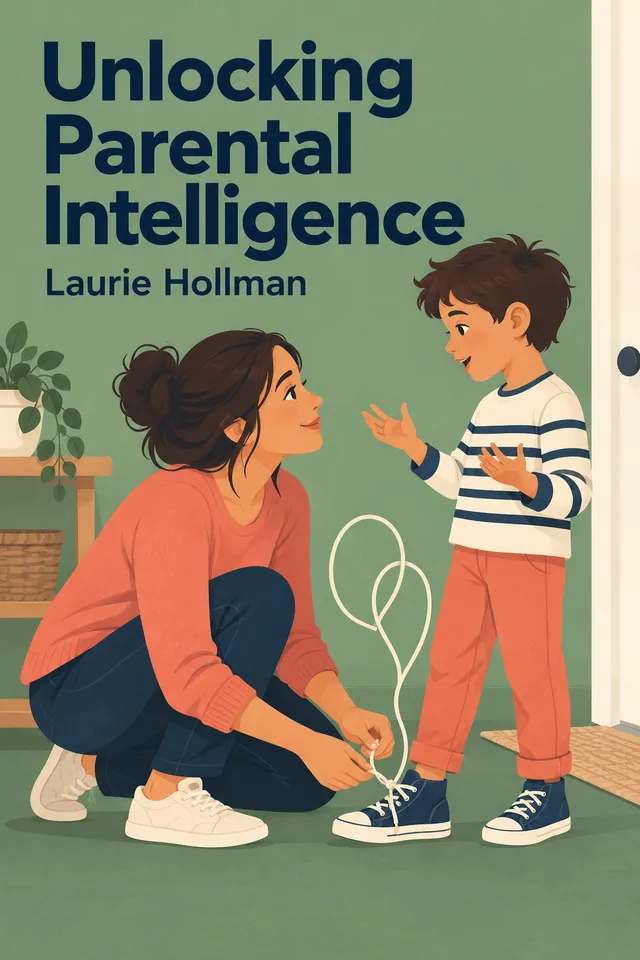
Unlocking Parental Intelligence
Laurie Hollman presents parental intelligence as a way to look beneath a child’s behavior, examine how a parent’s own history shapes interpretation, and use a flexible five-step process to understand development and solve problems. Family stories show how this approach can support communication, autonomy, and repair.
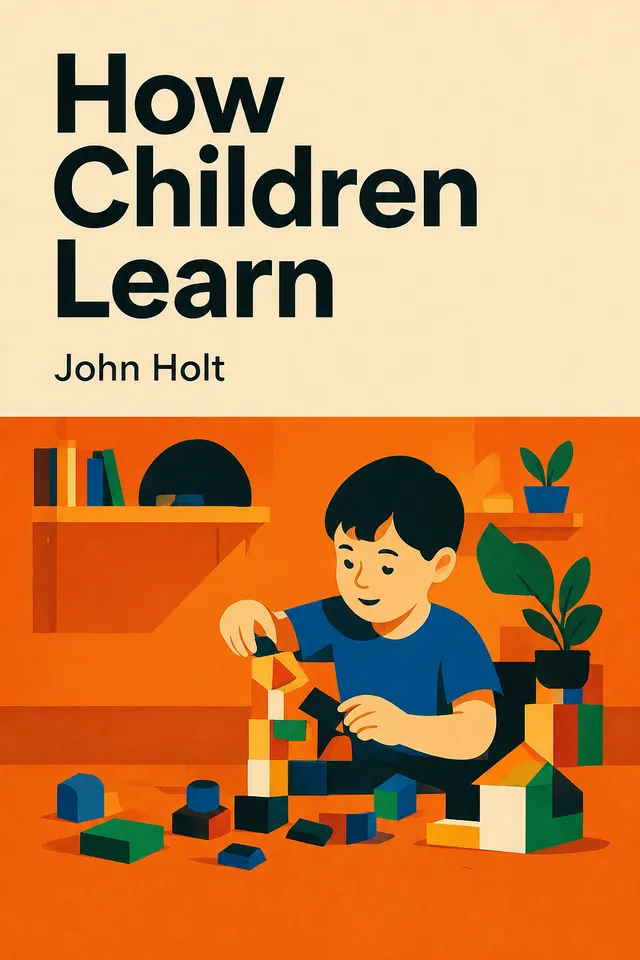
How Children Learn
How Children Learn examines how children build understanding through curiosity, play, language, reading, hands-on work, and imagination. Its central question is whether education should direct them toward fixed skills or protect their own investigations. The book offers a way to observe learners, reduce fear, and support independent judgment.
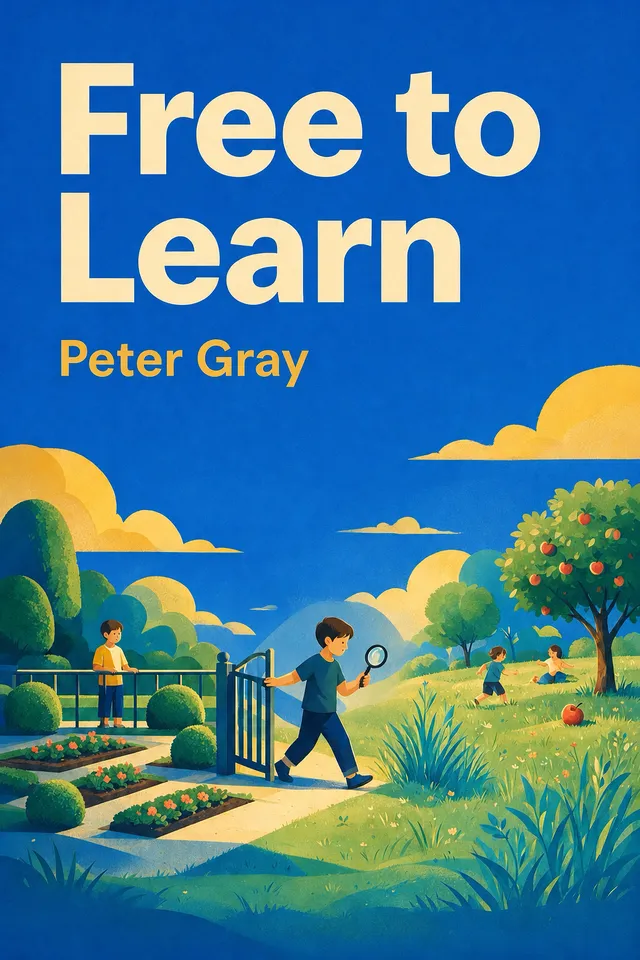
Free to Learn
Free to Learn asks why children’s freedom to play, explore, and direct their learning has narrowed, and what that loss means for motivation, well-being, and responsibility. Drawing on hunter-gatherer childhoods, psychological research, Sudbury Valley, age mixing, and parenting examples, it considers how communities might restore self-directed education.
The Anxious Generation
Why did adolescent anxiety, depression, self-harm, and disconnection rise as childhood moved from free play toward smartphones? Jonathan Haidt examines the developmental tradeoffs behind that shift, distinguishes girls’ and boys’ pathways, and proposes coordinated ways for families, schools, governments, and technology companies to restore play, independence, community, and healthier digital boundaries.
The Coddling of the American Mind
The Coddling of the American Mind asks how well-intentioned protection can weaken resilience, distort judgment, and narrow inquiry. It traces the authors’ three Great Untruths from childhood and mental health through campus conflict, then considers practical ways to restore freer play, viewpoint diversity, and productive disagreement.
Emotional Intelligence
Emotional Intelligence asks why intellectual ability alone does not determine how people think, relate, work, or recover. Daniel Goleman traces emotional intelligence from brain circuitry through self-awareness, regulation, motivation, empathy, and social skill, then examines how family life, trauma, health, and schools shape these capacities and how they can be strengthened.
Adult Children of Emotionally Immature Parents
Why can a child feel alone despite being cared for, and why do those early adaptations persist into adult relationships? This summary explains emotional immaturity, the roles and coping styles it elicits, and a practical path toward self-trust, protective boundaries, and reciprocal connection.