Rethink What You Eat
Explore contrasting views on food, eating patterns, and metabolic health.
Books in this collection
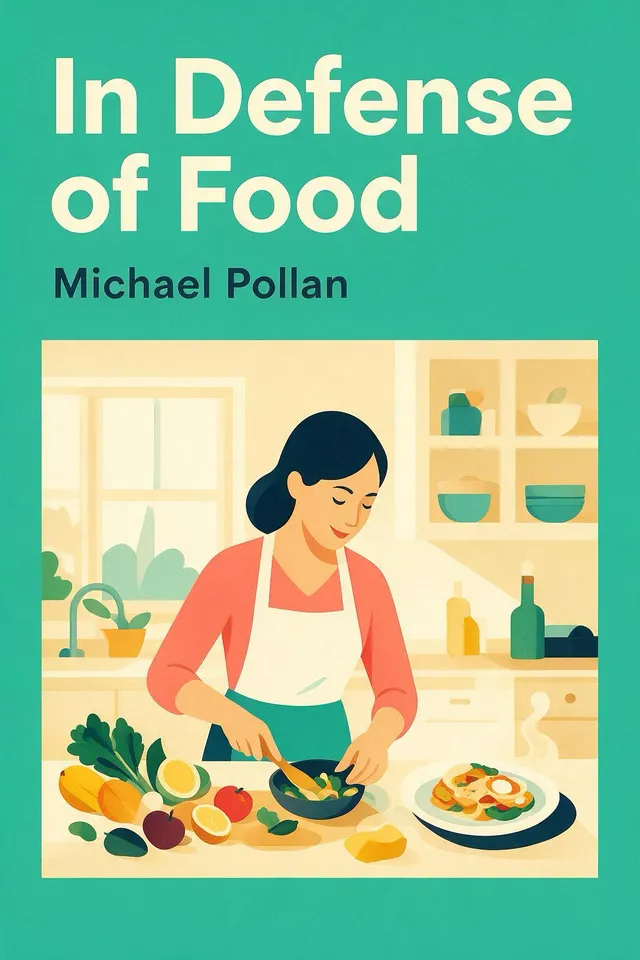
In Defense of Food
Michael Pollan examines why modern eaters became more confused as nutrition advice multiplied. The book asks whether health is best pursued by tracking nutrients or by returning to recognizable foods, cultural knowledge, ecological relationships, and dietary patterns. It ends with flexible guidance for shopping, cooking, sharing meals, and eating mostly plants in moderation.
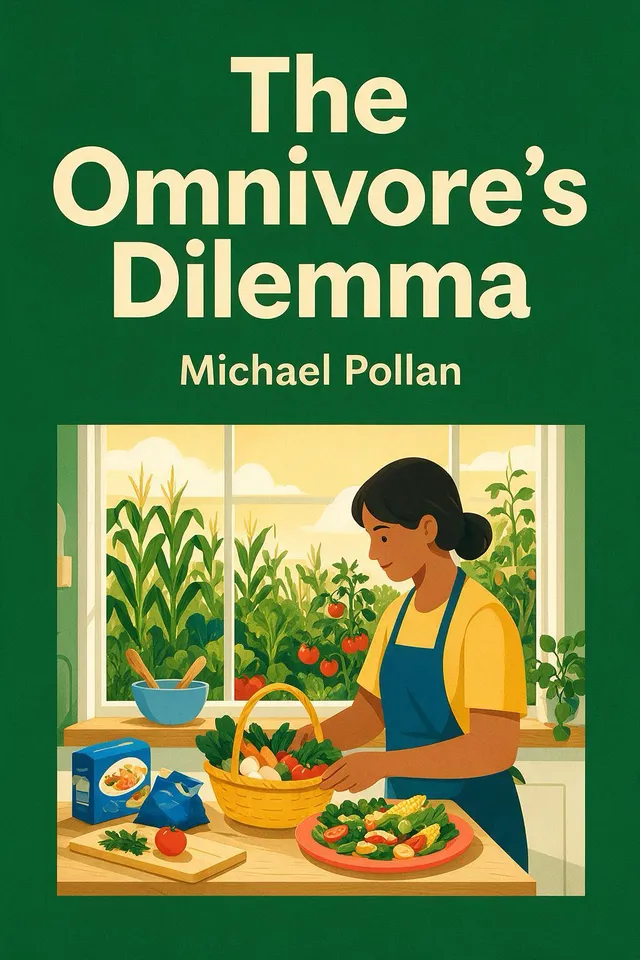
The Omnivore's Dilemma
Michael Pollan follows food from cornfields and feedlots through processing, organic and local farms, hunting, gathering, and a shared meal. He asks why abundance can make eating more confusing, then examines how provenance, ecological costs, animal lives, culture, and personal choices shape a more responsible—and more pleasurable—way to eat.
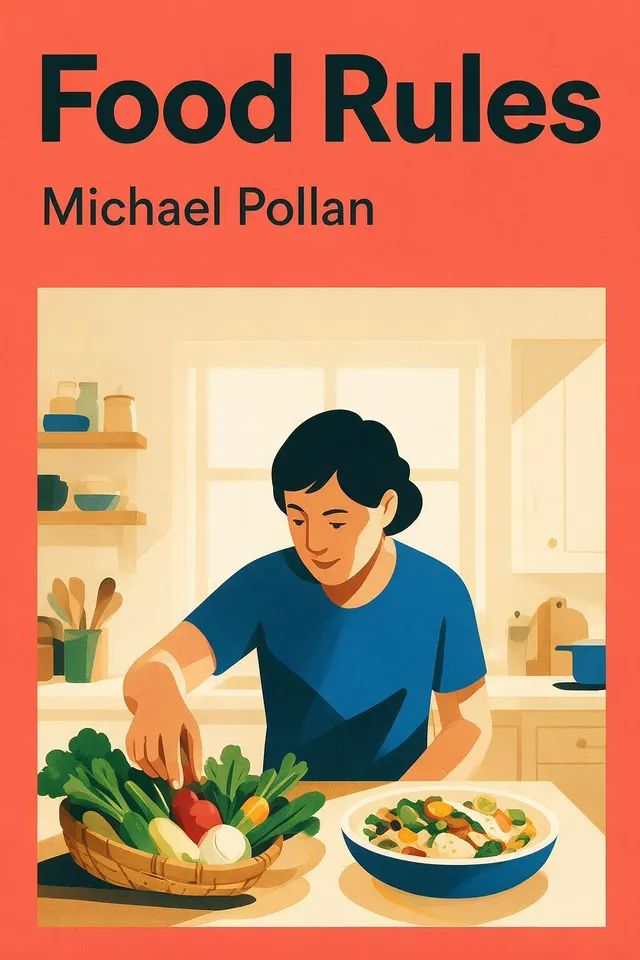
Food Rules
Food Rules asks how to eat well amid conflicting nutrition advice and an industrial food supply. Michael Pollan’s answer is a practical framework: identify real food, make plants central, and use slower, more social, flexible habits to reduce excess while recovering pleasure and judgment at the table.
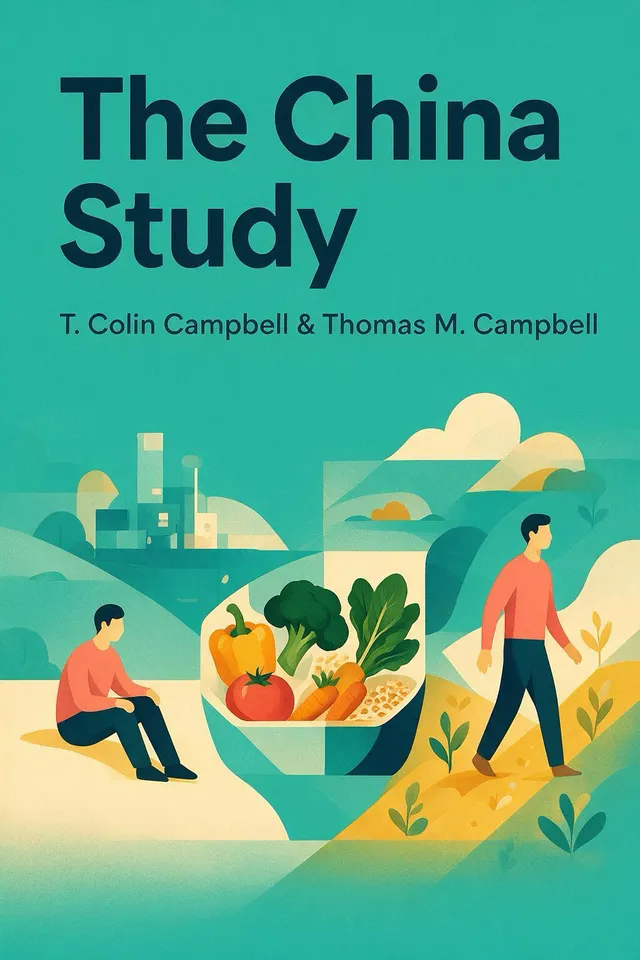
The China Study
The China Study follows T. Colin Campbell’s argument that chronic disease is shaped less by isolated nutrients or genetic fate than by whole dietary patterns. It traces his animal experiments, the China Study, and later disease evidence, then asks how readers can eat, judge uncertainty, and navigate institutions that shape nutrition advice.
How Not to Die
How Not to Die asks which everyday choices shape the diseases that most often shorten life. Drawing on nutrition, movement, medical trade-offs, and the Daily Dozen, it argues that a predominantly whole-food, plant-centered pattern can prevent or sometimes improve chronic illness—while requiring evidence limits, safety, and clinical care.
Why We Get Fat
Why We Get Fat asks whether obesity is a failure of calorie balance or a disorder of fat regulation. Gary Taubes develops a carbohydrate-and-insulin explanation, tests it against historical, physiological, and clinical evidence, and considers what carbohydrate restriction might mean in practice, including its uncertainties and cautions.
The Obesity Code
The Obesity Code asks why obesity persists despite calorie restriction and exercise advice. It presents obesity as a multifactorial, hormonally regulated problem centered on insulin and insulin resistance, then connects food processing, stress, sleep, and meal timing to weight regulation. The final framework covers whole-food choices, fasting, and practical qualifications.
The Plant Paradox
Steven R. Gundry’s The Plant Paradox asks why foods often labeled healthy might, in the book’s account, interact with lectins, gut microbes, and modern exposures to promote illness and weight gain. This summary traces that argument and explains the proposed phased diet, fasting, supplements, and meal-planning response.
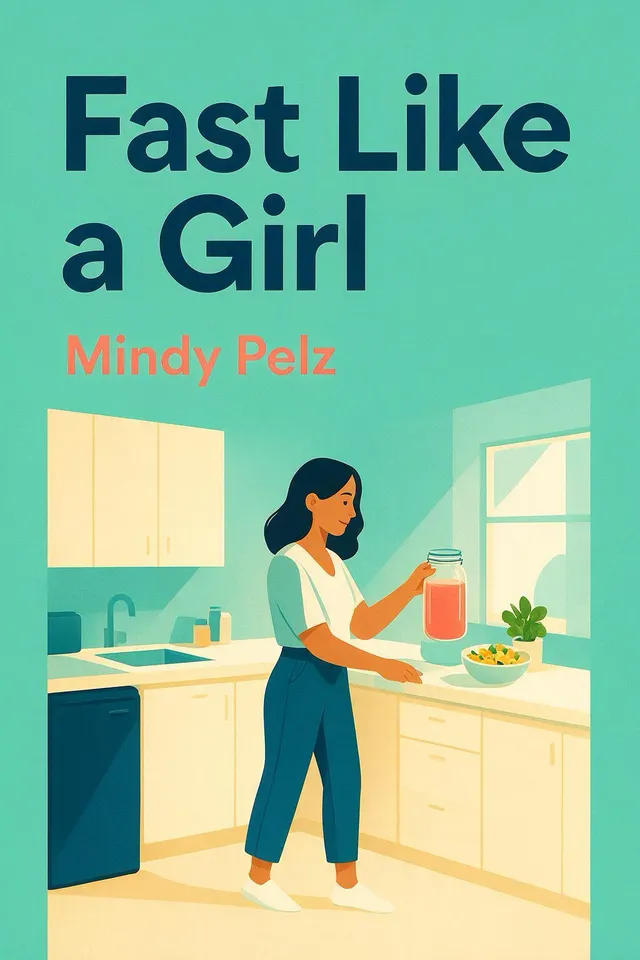
Fast Like a Girl
Fast Like a Girl asks whether fasting can support women’s health without treating every body as the same. It presents Mindy Pelz’s model of metabolic switching, hormone-timed fasting, food cycling, and a 30-day reset, while emphasizing self-observation, flexibility, community, and caution around medical conditions.