Rethink Your Career
Examine your strengths, ambitions, and the kind of working life you want.
Books in this collection

Range
Range asks whether excellence is best built through an early, narrow head start or through broad exploration followed by focused practice. Drawing on sport, learning, careers, forecasting, science, and innovation, it shows when specialization helps, when it creates blind spots, and how adaptable thinking transfers across unfamiliar problems.
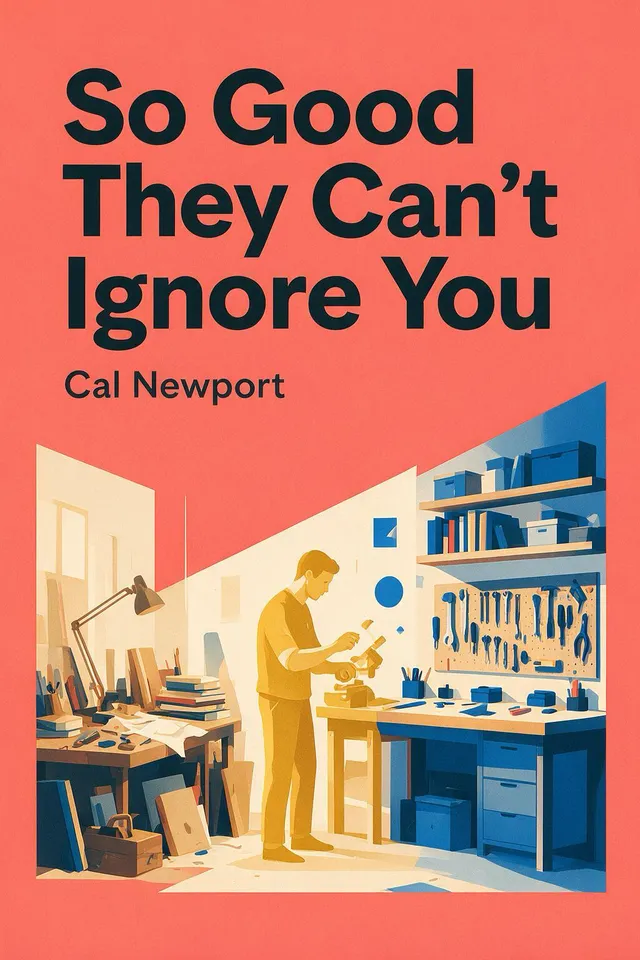
So Good They Can't Ignore You
Why do satisfying careers so often emerge without a clear calling? Cal Newport challenges passion-first advice and traces a practical sequence: develop rare skills, accumulate career capital, exchange it for sustainable control, and test meaningful missions through patient experiments. The framework clarifies how to work toward better work.

Linchpin
Linchpin examines how work changes when obedience and routine become easy to replace: what makes a person genuinely indispensable? It connects creativity, emotional labor, generosity, judgment, and the discipline of shipping to practical choices about contribution, fear, relationships, and meaningful work.

Drive
Drive examines human motivation beyond biological drives and external rewards, asking what helps people learn, create, persist, and contribute. It contrasts control-based Motivation 2.0 with a Type I alternative organized around autonomy, mastery, and purpose, then applies that framework to work, compensation, education, exercise, and personal practice.

Now, Discover Your Strengths
Why do people and organizations spend so much effort repairing weaknesses instead of developing distinctive talents? Now, Discover Your Strengths explains how talents combine with knowledge and skills to form strengths, how StrengthsFinder surfaces recurring themes, and how those themes can inform self-understanding, careers, management, and organizational design.

The Defining Decade
The Defining Decade asks why the twenties matter when adulthood is delayed and uncertain. It connects work, relationships, brain development, personality, fertility, and time perception, showing how informed commitments and concrete action build options while drift can quietly narrow them.

From Strength to Strength
Arthur C. Brooks asks why professional decline can arrive before we expect and why achievement can make it harder to accept. He maps a second curve built on wisdom, relationships, spirituality, service, and vulnerability, offering a framework for turning changing abilities into a more meaningful form of success.
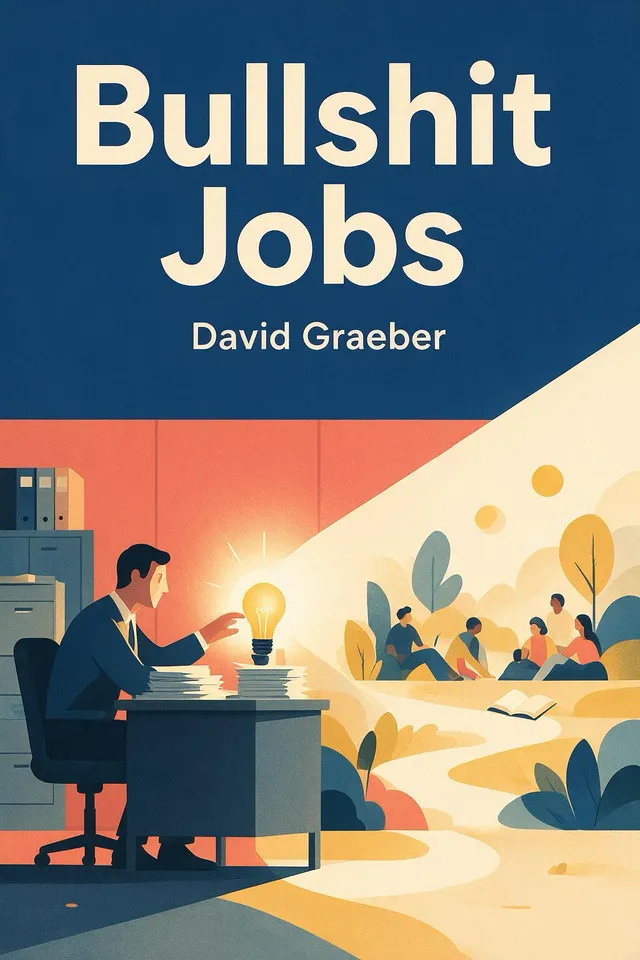
Bullshit Jobs
Bullshit Jobs asks why modern economies preserve paid work that employees regard as pointless, unnecessary, or harmful. Graeber maps its organizational forms, traces its psychological and political costs, explains how managerial power and work morality sustain it, and considers shorter hours and unconditional income as routes toward greater agency.

Designing Your Life
Designing Your Life asks how to shape meaningful work and a satisfying life without waiting for one perfect calling. It offers a practical design process for assessing the present, clarifying work and life values, tracking engagement, generating possible futures, testing them through prototypes, and learning from choices and setbacks.

The Good Enough Job
The Good Enough Job asks how work can matter without becoming a person’s whole identity. Simone Stolzoff examines how calling, achievement, workplace belonging, long hours, and status shape that relationship, then considers personal, workplace, and policy choices that make room for a life beyond work.
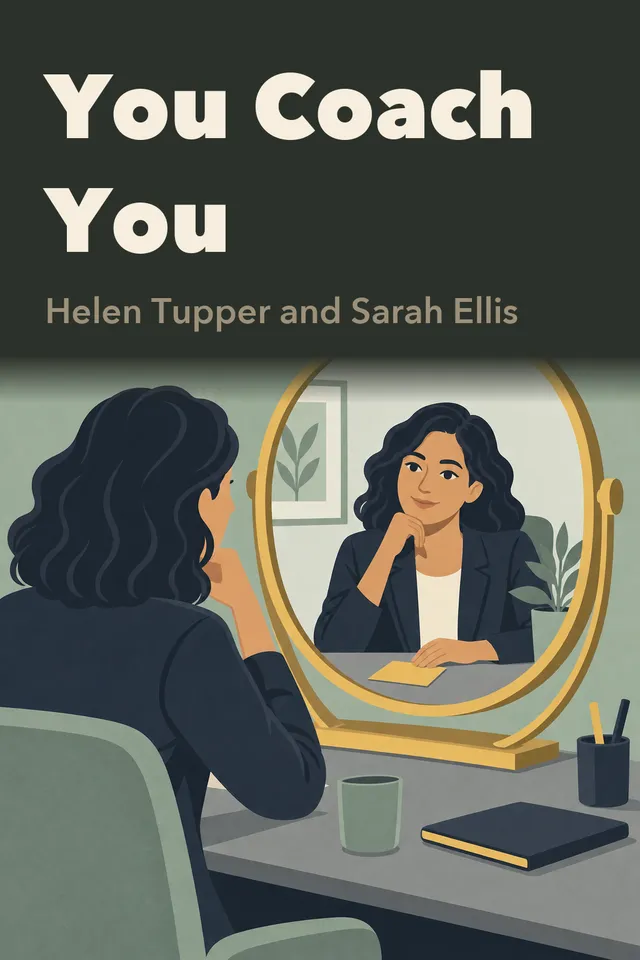
You Coach You
This book asks how people can steer an unpredictable career when expert coaching is not always available. It teaches a repeatable self-coaching practice of reflection, listening, useful questions, and action, then applies it to resilience, time, self-belief, relationships, progression, and purpose while keeping other people’s support in the picture.

The Purpose Myth
Charlotte Cramer asks why paid work is expected to provide not only income but identity, contribution, and growth. She argues that meaningful projects alongside a job can meet needs work leaves unmet, and offers a practical path from choosing a problem through testing, building, sharing, and reflecting.

Lean In
Lean In examines why women remain underrepresented in leadership despite expanded opportunity, then asks how confidence, career choices, shared domestic responsibility, workplace design, and collective action can change that pattern. It offers a practical lens for pursuing meaningful goals while recognizing bias, unequal care, and limits on individual choice.