Set Boundaries, Stay Connected
Explore autonomy, family expectations, self-acceptance, and limits in relationships.
Books in this collection
Set Boundaries, Find Peace
Set Boundaries, Find Peace asks how people can protect time, well-being, and relationships without withdrawing from connection. It traces overwhelm, resentment, burnout, and conflict to unclear limits, then offers a practical sequence—notice the need, say it directly, tolerate discomfort, and follow through—in family, romance, friendship, work, and digital life.

Adult Children of Emotionally Immature Parents
Why can a child feel alone despite being cared for, and why do those early adaptations persist into adult relationships? This summary explains emotional immaturity, the roles and coping styles it elicits, and a practical path toward self-trust, protective boundaries, and reciprocal connection.
The Let Them Theory
The Let Them Theory asks how to stop losing energy to other people’s choices, opinions, and emotions. Mel Robbins pairs acceptance with deliberate self-direction, then applies the framework to stress, comparison, friendship, influence, healing, dating, and love so readers can make clearer boundaries and choices.

The Courage to Be Disliked
An audio-first guide to Adlerian psychology’s answer to a central question: how can people become free and happy without controlling others or living for approval? It follows the move from past-determined stories to chosen action, respectful education, community, friendship, work, and deliberate love.
Daring Greatly
This summary asks how people can risk being seen without letting shame, perfectionism, or scarcity govern their lives. It follows Brown’s argument that vulnerability enables courage and connection, then applies Wholehearted practices to relationships, institutions, leadership, and parenting.
The Gifts of Imperfection
Brené Brown examines how to live wholeheartedly when shame, perfectionism, comparison, and fear encourage hiding, overwork, and disconnection. The book asks whether worthiness can be claimed before achievement, then maps practices of vulnerability, compassion, gratitude, creativity, rest, meaningful work, and joyful expression that make authentic connection more possible.

Untamed
Untamed asks how people learn to mistake conformity, approval, and inherited roles for freedom—and how they can recover a self-directed life. Glennon Doyle connects emotional honesty, inner Knowing, imagination, truthful relationships, parenting, justice, and mental-health care into a framework for living with integrity while staying connected to others.

I'm Glad My Mom Died
Jennette McCurdy’s memoir examines how a childhood organized around her mother’s cancer, approval, and acting ambitions shaped performance, body control, fame, grief, and substance use. It asks what remains when pleasing a parent no longer supplies identity, and follows recovery as the difficult work of reclaiming agency while holding love and harm together.
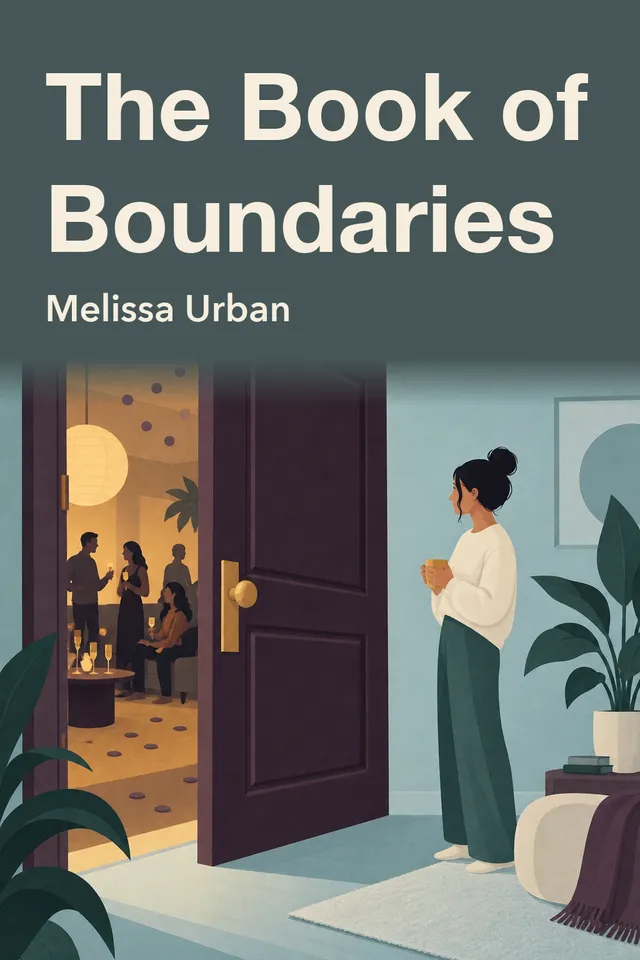
The Book of Boundaries
Boundaries are limits that protect safety, health, energy, and relationships by defining your response to another person’s behavior rather than controlling them. The book asks how to state and hold those limits, applying the practice to work, family, friendship, romance, co-parenting, food, sensitive conversations, and personal habits.
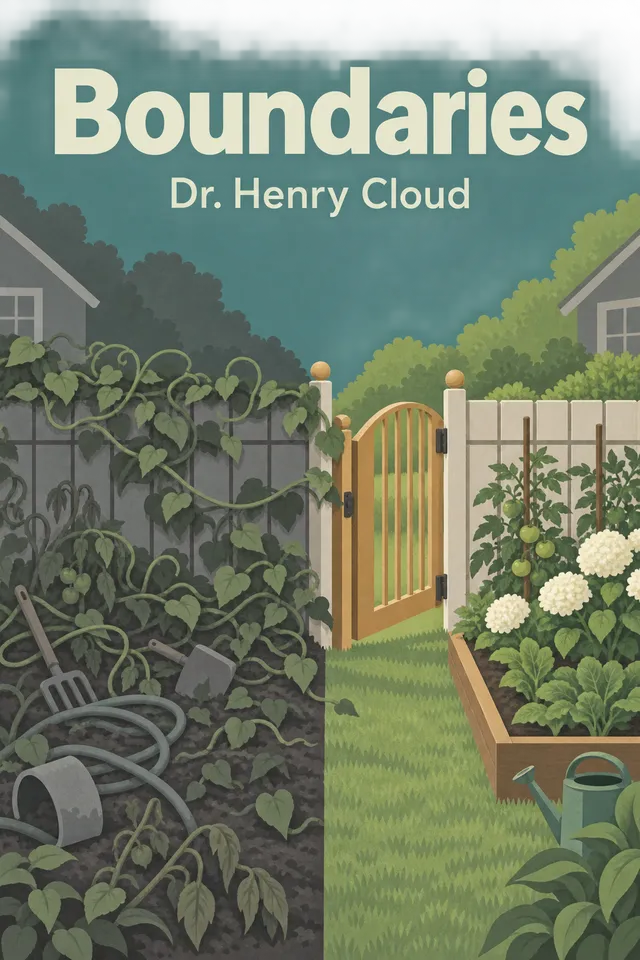
Boundaries
How can you care for others without taking over their lives or neglecting your own? Boundaries presents a Christian framework for personal responsibility, loving limits, and freely chosen commitment. Its practical methods address family, friendship, marriage, parenting, work, and the inner obstacles that make saying no difficult.

It's Not You
How do harmful narcissistic relationships undermine self-trust, and what helps people recover? Ramani Durvasula explains patterns of manipulation, attachment, and self-blame, then explores acceptance, grief, boundaries, and rebuilding identity. The focus is on practical recovery, including when family, work, or other constraints make continued contact necessary.