Start Something of Your Own
Explore how founders test ideas, build businesses, and confront early challenges.
Books in this collection
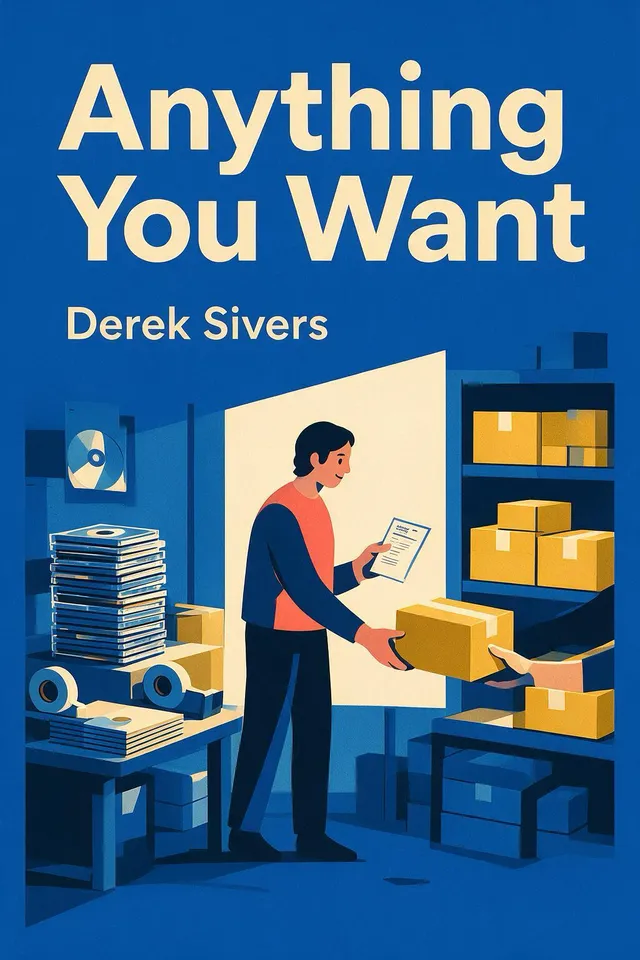
Anything You Want
Derek Sivers’s account of building CD Baby asks what a business is for when money, scale, and status compete with happiness and usefulness. It follows a practical path from small customer-led experiments to human service, honest promises, delegation, and a deliberately chosen business shape.
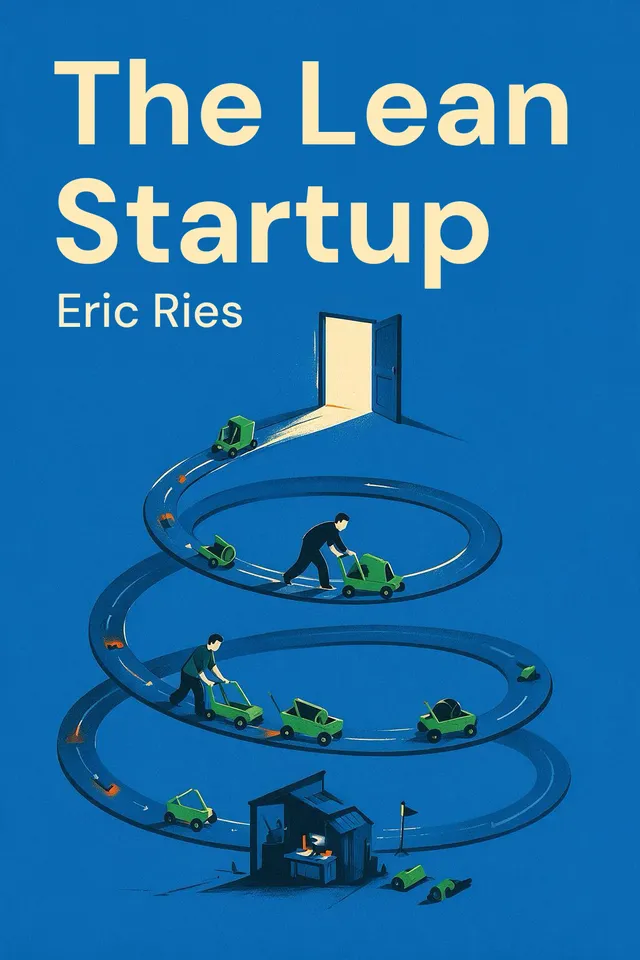
The Lean Startup
The Lean Startup asks how people can build new products and organizations when customers, markets, and outcomes are uncertain. It presents a disciplined cycle of hypotheses, small experiments, customer evidence, metrics, and pivots, giving readers a way to separate useful learning from waste and sustain innovation as organizations grow.
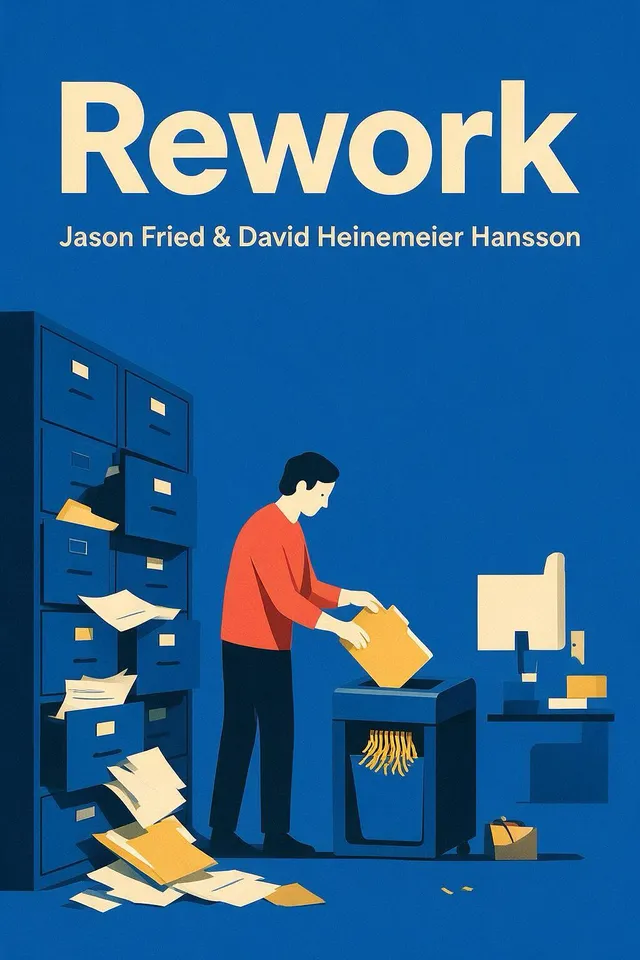
Rework
Rework asks how a small company can do meaningful work, become profitable, and stay adaptable without defaulting to growth, outside funding, bureaucracy, or heroic hours. Fried and Hansson offer experience-based principles for solving real problems, narrowing products, launching early, earning attention, hiring carefully, serving customers, and building trust.
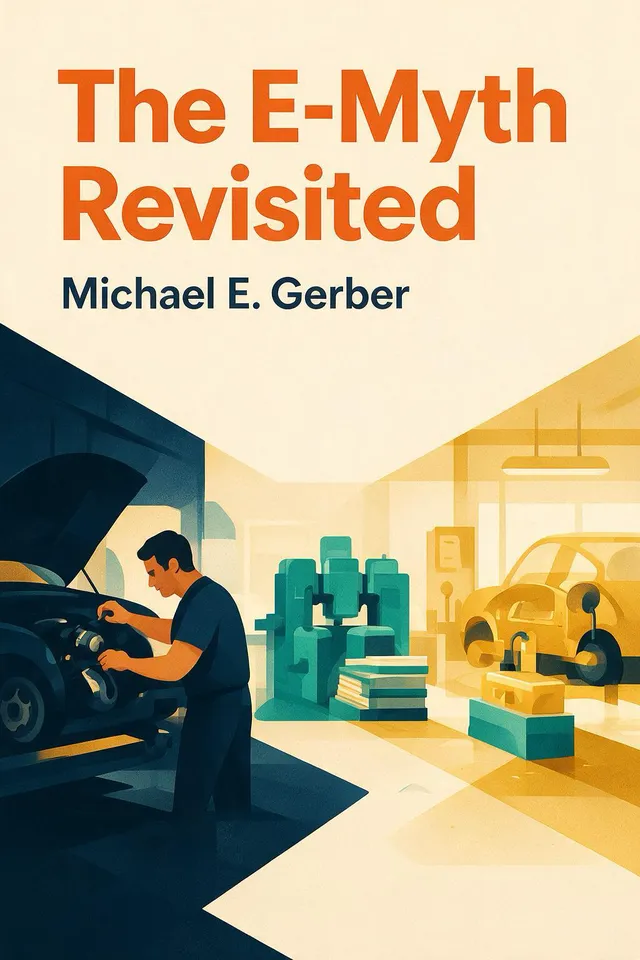
The E-Myth Revisited
Why do skilled technicians who start small businesses so often become trapped by work they once loved? The book answers by treating the business as a designed system: define the life and customer promise first, then build repeatable people, marketing, and operating practices that let the company grow beyond its owner.

Zero to One
Zero to One asks how people can create genuinely new technology and durable businesses instead of copying what already exists. It connects contrarian thinking, monopoly, long-term planning, secrets, team design, distribution, and human–computer complementarity, then asks how deliberate creation can make the future better.
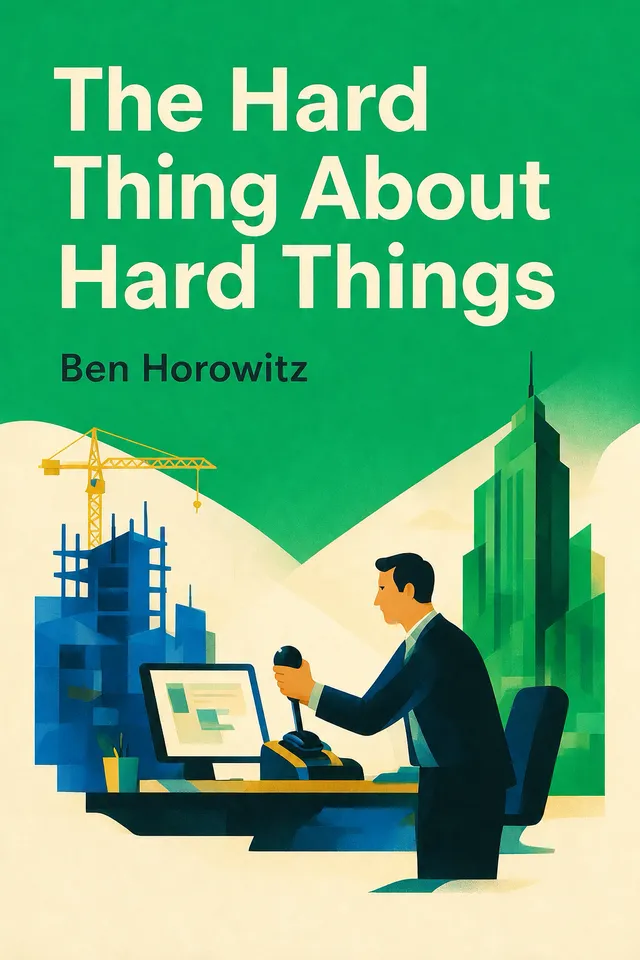
The Hard Thing About Hard Things
Ben Horowitz’s account of building Netscape, Loudcloud, and Opsware asks what leaders should do when no option is good: how can they face fear, preserve trust, build capable organizations, decide under uncertainty, and recognize when persistence should yield to a sale? Its value lies in turning hard-won experience into usable questions, not formulas.
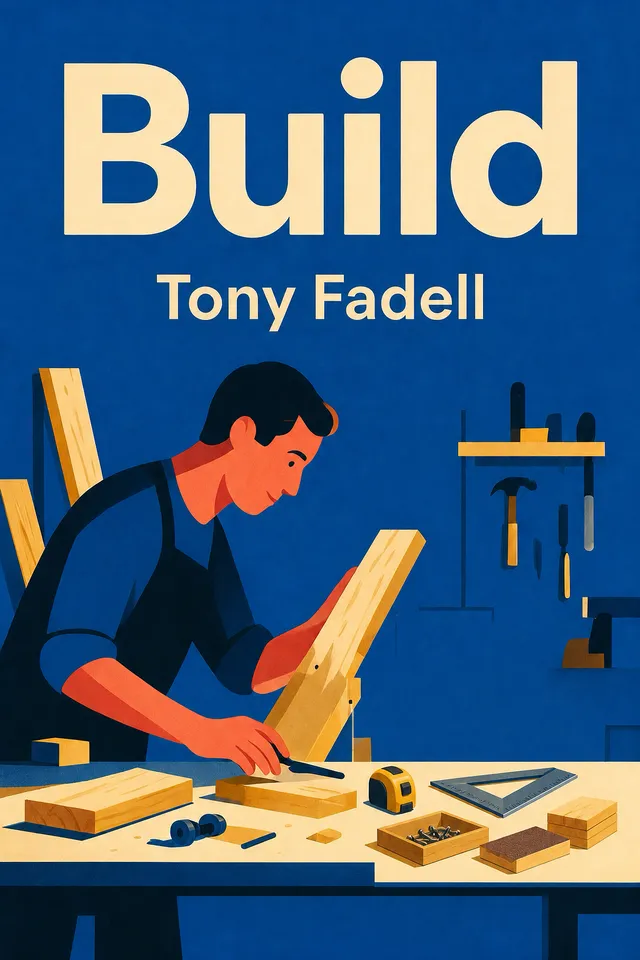
Build
Build is Tony Fadell’s experience-based guide to creating yourself, products, companies, teams, and leadership. It asks how to learn through failure, choose problems customers truly need, turn vision into execution, and know when to persist, adapt, or leave—offering practical principles for building better work and organizations.

Shoe Dog
Shoe Dog follows Phil Knight from a Stanford paper about importing Japanese running shoes through Nike’s public debut and his later reckoning with the company’s cost. It asks how a fragile, debt-dependent venture survives unreliable partners, legal and regulatory threats, flawed products, and family strain—and what persistence, luck, trust, and judgment can teach about meaningful work.