The American Experiment
Trace American political ideals and institutions through founding arguments, historical turning points, and lives inside the presidency.
Books in this collection
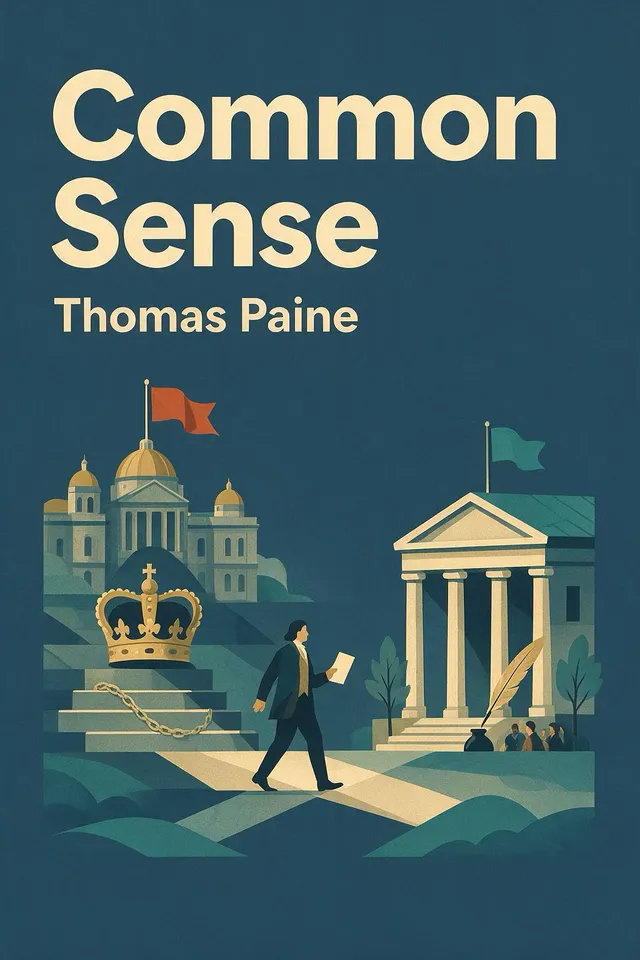
Common Sense
Thomas Paine’s Common Sense asks whether a people can remain free under a distant hereditary crown. It moves from the origins and limits of government to the case for American independence, a Continental constitution, and practical self-defense, offering a framework for judging authority by rights, accountability, and public welfare.
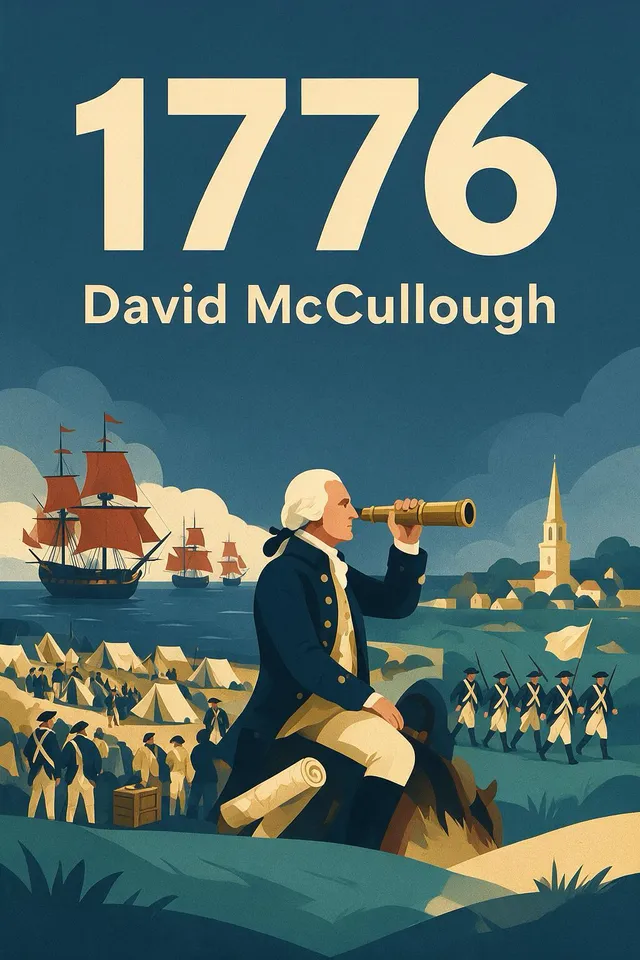
1776
David McCullough’s 1776 follows the American Revolution’s first year from Britain’s determination to suppress rebellion through the crises at Boston, New York, and New Jersey. It asks how an improvised army survived overwhelming odds, and what leadership, logistics, morale, and contingency reveal about political change.
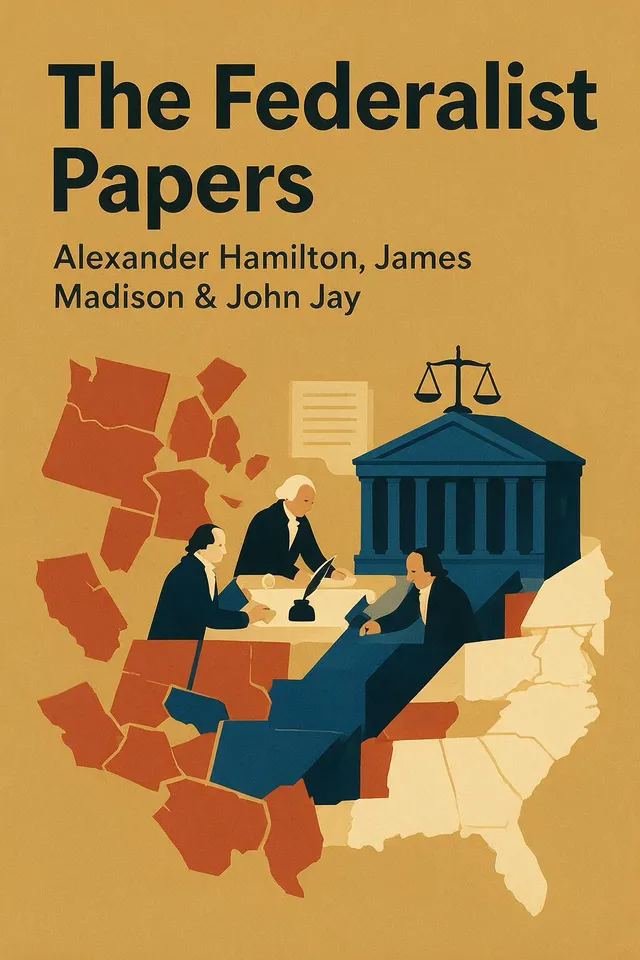
The Federalist Papers
The Federalist Papers asks how a free people can preserve union without giving government enough power to destroy liberty. It traces the dangers of disunion, defends national capacity, and explains representation, executive energy, judicial independence, and checks and balances. The appended founding documents sharpen the constitutional framework these essays defend.
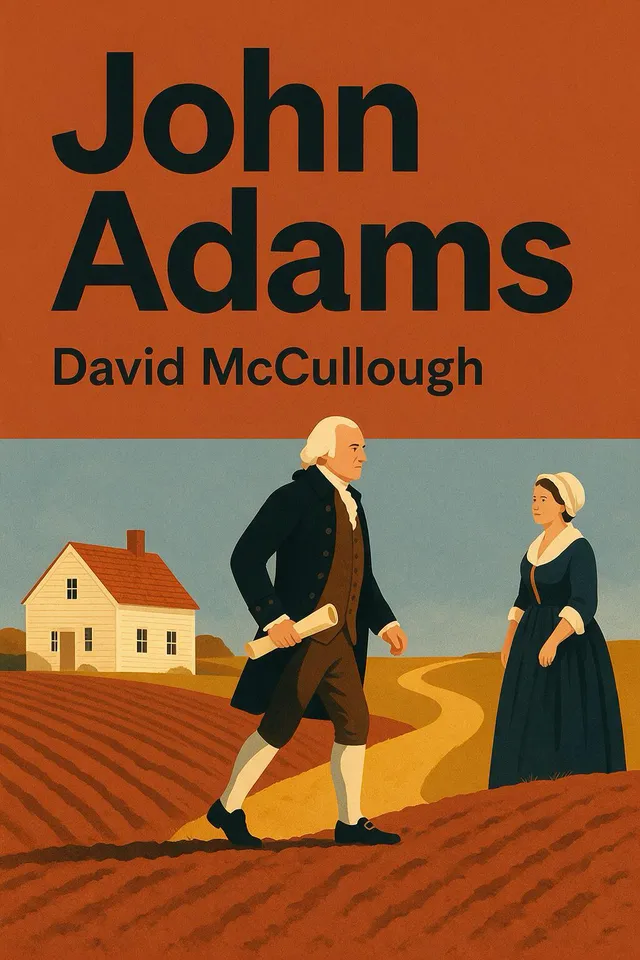
John Adams
David McCullough’s biography follows John Adams from a New England farm through revolution, diplomacy, the vice presidency, the presidency, and retirement. It asks how private discipline, marriage, constitutional design, and political independence shaped a statesman—and what war, faction, slavery, and defeat revealed about republican ideals.
Alexander Hamilton
Alexander Hamilton traces how an orphaned Caribbean immigrant became a revolutionary soldier, constitutional architect, and builder of American finance and federal power. It asks how national capacity can protect liberty—and how ambition, secrecy, faction, slavery, and personal honor can undermine the statesman who creates it.
Team of Rivals
How did Abraham Lincoln defeat stronger rivals, turn them into a working cabinet, and lead a divided republic through civil war? Team of Rivals traces the relationships, political choices, military crises, emancipation debates, and reconstruction dilemmas that shaped his leadership, offering a study of judgment under pressure.
Truman
Truman follows a Missouri farm boy through family hardship, World War I, machine politics, Senate oversight, and an unexpected presidency. It asks how an ordinary, flawed man made decisions about atomic war, the Cold War, Korea, and civil rights—and offers a framework for judging leadership when duty, uncertainty, and loyalty collide.
These Truths
These Truths asks how the United States could claim equality, natural rights, and self-government while practicing conquest, slavery, exclusion, and coercion. Its history connects institutions, movements, media, and technology to the recurring struggle over who belongs to the people and how democracy decides what is true.
Becoming
Michelle Obama’s memoir follows her from a Chicago childhood and demanding education through marriage, motherhood, campaigns, the White House, and life after office. It asks how identity remains open to change when love, race, institutions, loss, and public scrutiny intervene—and what disciplined, collective action can make that growth useful.
A Promised Land
Barack Obama traces the path from a divided childhood and Chicago organizing to the presidency, asking how American ideals can become durable change amid racial history, economic crisis, war, and political resistance. The memoir offers a grounded study of coalition-building, institutional limits, presidential judgment, and the human costs of public service.