Training, Grit, and Performance
Explore physical training, practice, teamwork, resilience, and the inner experience of performance.
Books in this collection

Born to Run
Christopher McDougall investigates why ordinary running so often injures modern bodies while the Rarámuri of Mexico’s Copper Canyons run extraordinary distances in sandals. Through science, race reporting, and an uneasy cross-cultural search for Caballo Blanco, the book asks what endurance, technique, community, and freedom reveal about why humans run.
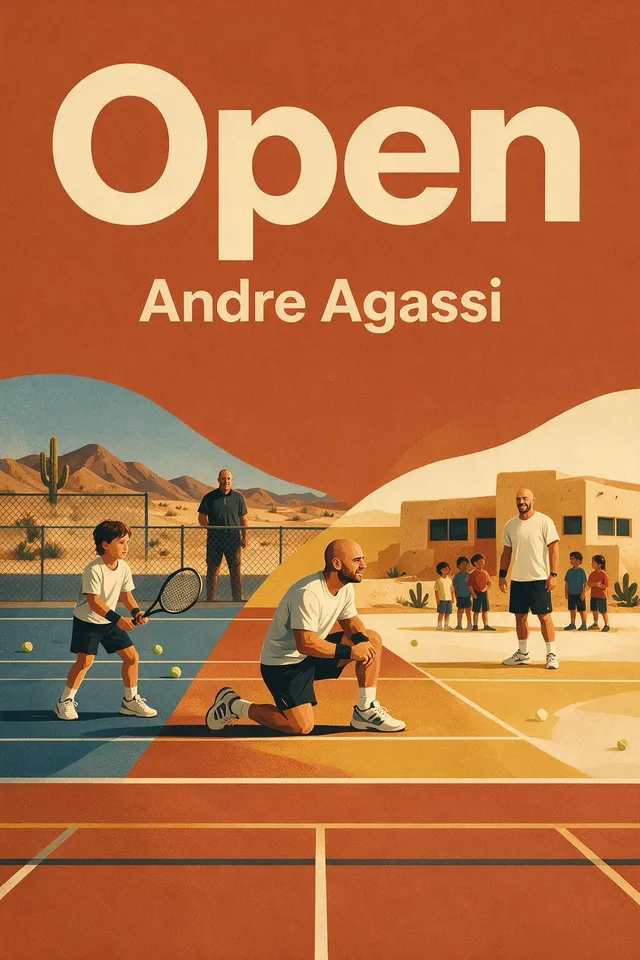
Open
Open asks how a life built around a game can become a life chosen on one’s own terms. Through Andre Agassi’s father-driven childhood, rebellion, injuries, rivalries, collapse, comeback, family, and school, it traces how discipline and love turn competitive success into service—and how retirement changes, rather than ends, that work.
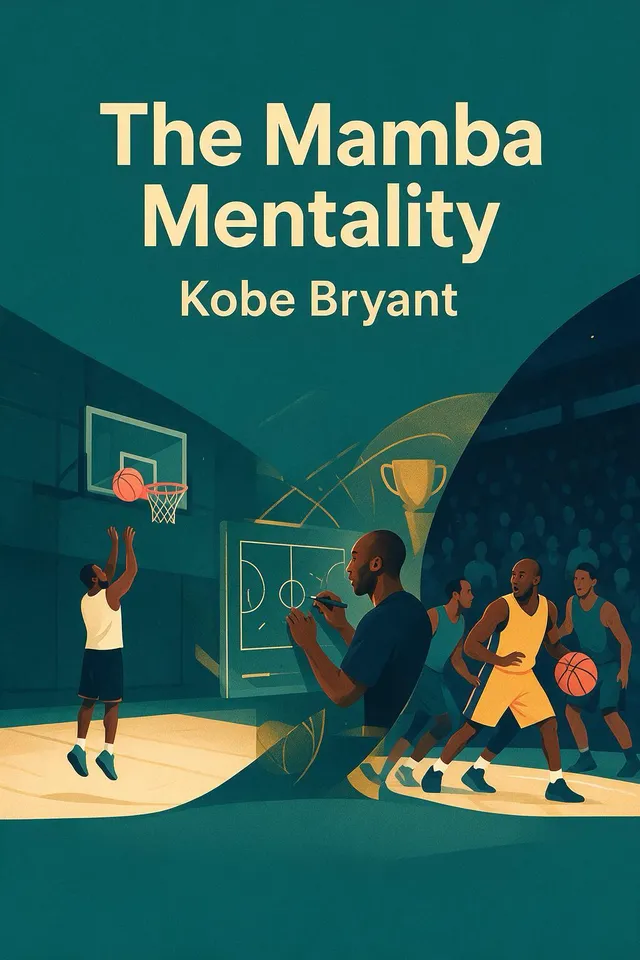
The Mamba Mentality
The Mamba Mentality examines how Kobe Bryant turns love of basketball into a disciplined, adaptive practice of preparation, technical study, and opponent-specific decision-making. It asks what sustained excellence demands, and traces how competitive standards can become teamwork, resilience, and teaching.
The Inner Game of Tennis
Why do technically trained players tighten up, overthink, and lose access to their best strokes? The book’s answer is an inner game of attention: quiet evaluative judgment, trust bodily learning, and stay with present facts. Its framework connects tennis practice with habit change, concentration, motivation, competition, and self-knowledge.
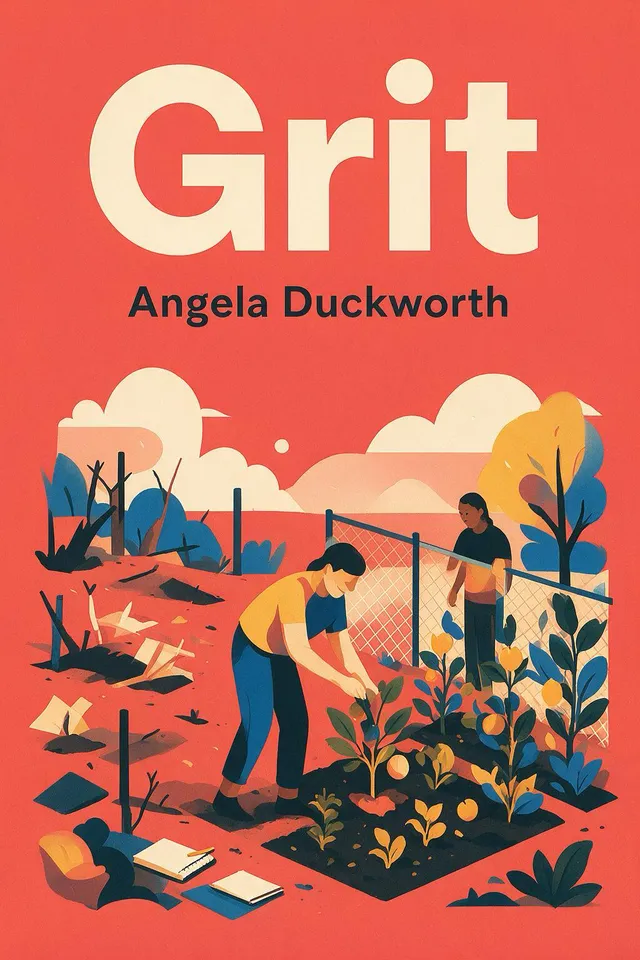
Grit
Grit asks why some people persist toward difficult goals through setbacks—and how that persistence can develop. Duckworth defines grit as sustained passion and perseverance, then traces its growth through interest, deliberate practice, purpose, hope, relationships, and culture, while placing it among other virtues and distinguishing wise persistence from stubbornly pursuing every goal.
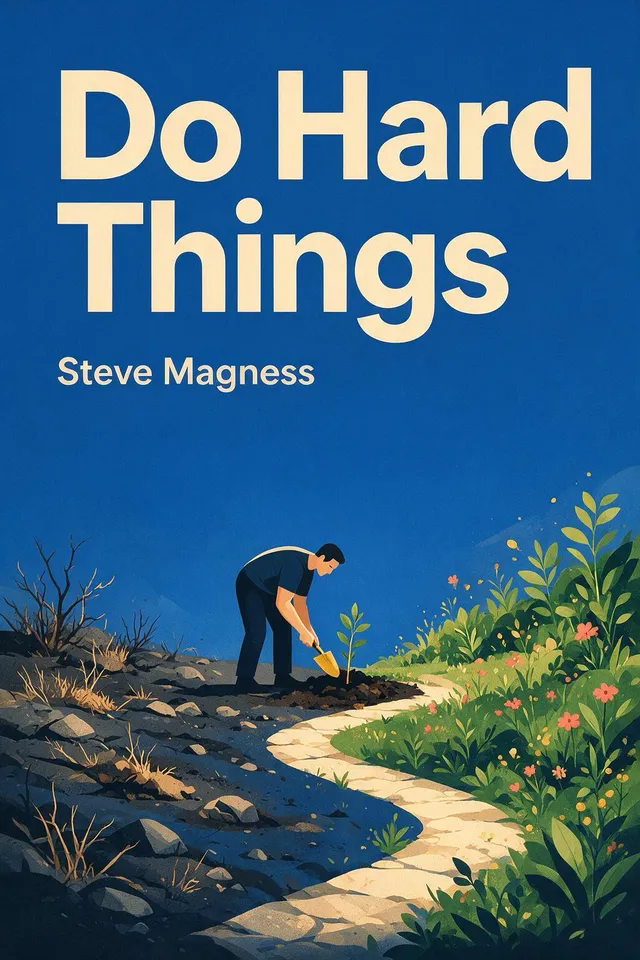
Do Hard Things
Do Hard Things asks what genuine toughness looks like when fear, fatigue, pain, and uncertainty are real. It replaces stoicism and brute-force persistence with accurate appraisal, emotional awareness, flexible choice, supportive conditions, and meaning—helping readers decide when to persist, adapt, or stop.
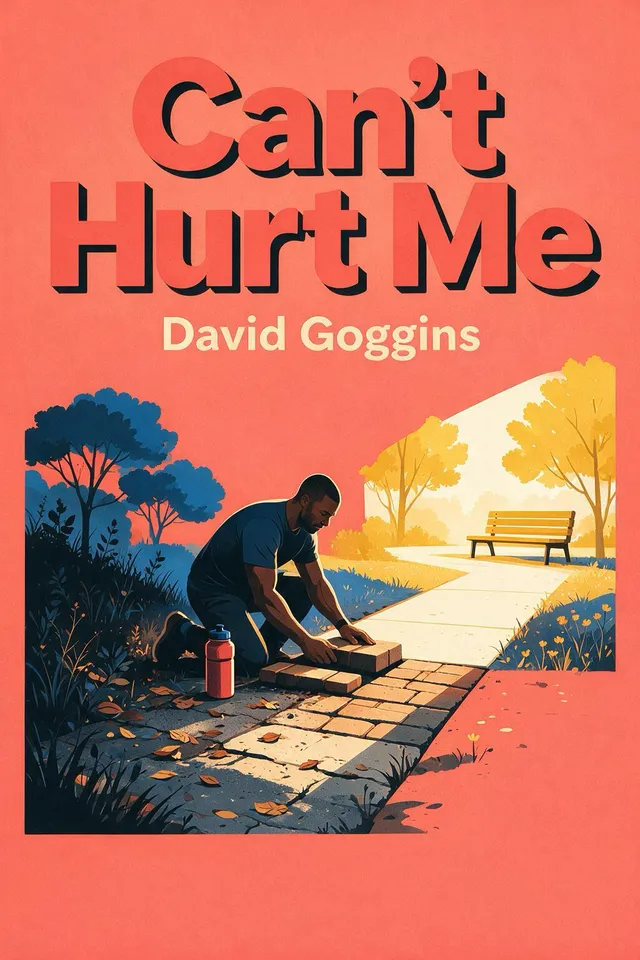
Can't Hurt Me
David Goggins traces how childhood abuse, racism, fear, and self-deception shaped his life, then examines the practices he used to pursue military and endurance goals: radical accountability, deliberate discomfort, preparation, and honest learning from failure. The central question is how far disciplined self-mastery can expand agency without denying injury, health, or human cost.

The Boys in the Boat
Daniel James Brown’s account follows Joe Rantz and the University of Washington crew from Depression-era insecurity to the 1936 Berlin Olympic final. It asks how separate, unequal individuals become one boat—and what that victory means when the Games are staged by a dictatorship.
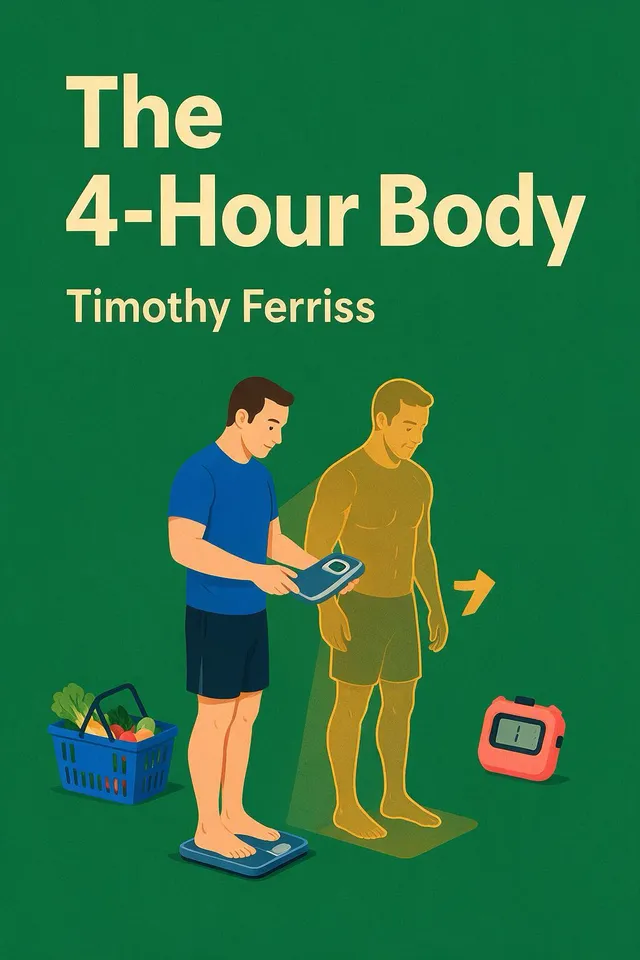
The 4-Hour Body
The 4-Hour Body asks how measurement, small interventions, and self-experimentation might reshape fat, muscle, performance, sleep, sex, and health. It offers practical protocols alongside skepticism about adherence limits, biological variation, imperfect evidence, and risk.