Understanding AI
Explore how authors explain machine learning, intelligent systems, and the questions raised by more capable AI.
Books in this collection
The Master Algorithm
The Master Algorithm asks whether one learning procedure could turn data into useful knowledge across science, business, machines, and everyday decisions. It maps five traditions—symbolic, neural, evolutionary, Bayesian, and analogical—then tests their possible synthesis against generalization, scale, privacy, work, and human control.
The Age of AI
The Age of AI examines how machines that learn, discover patterns, and act beyond explicit human rules could change knowledge, platforms, security, and human identity. It asks how people can remain responsible when AI expands capability while obscuring reasoning, and offers a framework for deciding when to partner with, oversee, or limit it.
Life 3.0
Life 3.0 asks how increasingly capable artificial intelligence could alter work, power, war, human purpose, consciousness, and the long-term future of life. It explains why intelligence can arise in many physical substrates, compares possible post-AGI futures, and offers concepts for choosing safer, more flourishing outcomes.
The Singularity Is Near
Ray Kurzweil asks what happens when exponential technological progress carries intelligence beyond biology. The book connects computing, brain reverse engineering, genetics, nanotechnology, and robotics to longer life, altered identity, cosmic expansion, and serious risks—offering a framework for judging both the promise and governance of a possible human-machine Singularity.
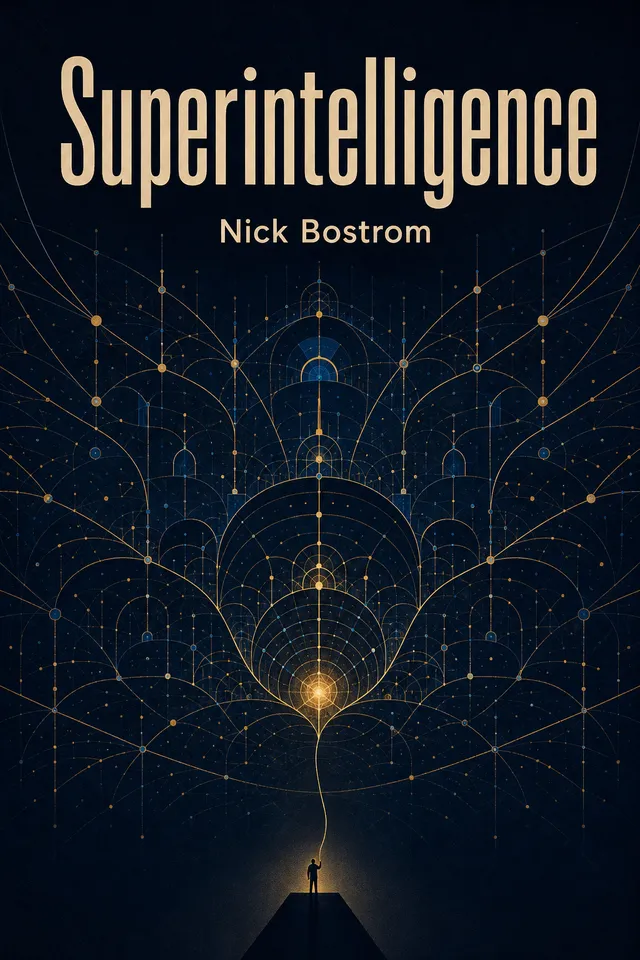
Superintelligence
Superintelligence examines how machine intelligence might surpass humanity, how quickly that transition could unfold, and whether its goals can remain under human control. It connects technical pathways and strategic power to value specification, economic change, and the choices that could make a beneficial or catastrophic future more likely.
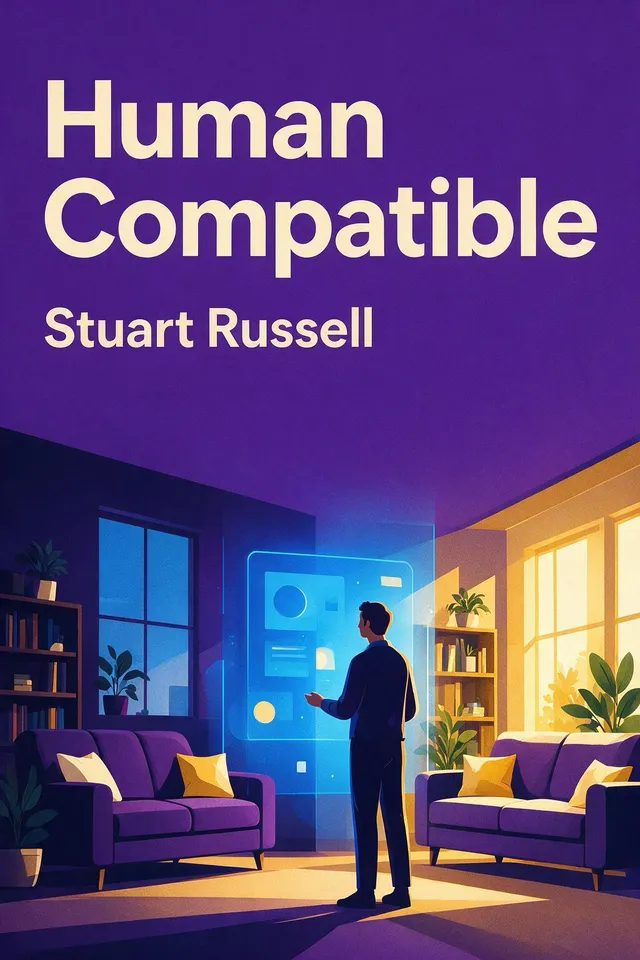
Human Compatible
Human Compatible asks how machines that may surpass human intelligence can remain beneficial rather than become dangerous. It explains why fixed objectives fail, surveys social and economic risks, and develops preference-learning, deference, corrigibility, governance, and human-autonomy ideas for keeping AI aligned with people.
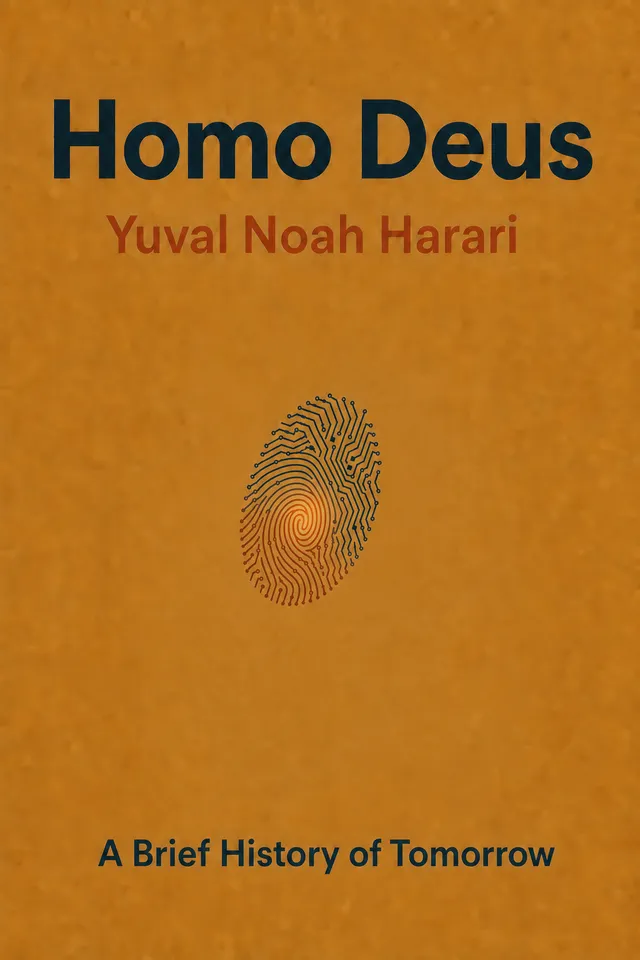
Homo Deus
Homo Deus follows humanity’s shift from managing famine, plague, and war to pursuing longer life, happiness, and godlike capabilities. It explains how cooperation, stories, science, humanism, and economic growth organize society, then asks whether biotechnology, artificial intelligence, and data-driven systems may make human autonomy—and humans themselves—less central.

Gödel, Escher, Bach
How can finite rules produce meaning, creativity, and a mind that seems to look back at itself? Gödel, Escher, Bach traces that question through formal systems, Bach’s music, Escher’s art, DNA, brains, and AI, giving readers a way to compare truth, interpretation, and consciousness across levels.
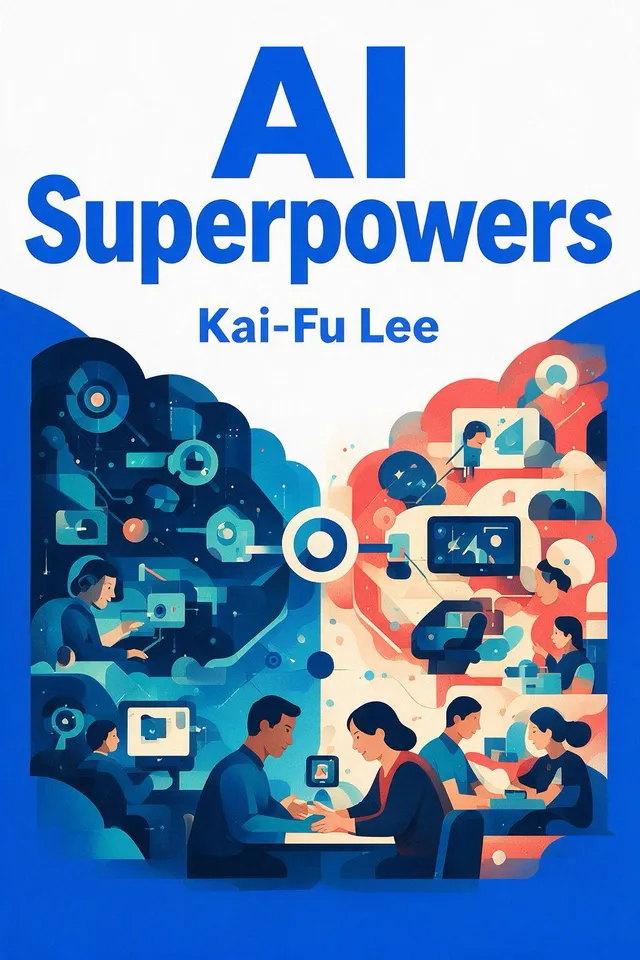
AI Superpowers
Kai-Fu Lee traces AI from deep-learning breakthrough to mass implementation, asking why China and the United States developed different advantages. He then examines automation’s effects on work, inequality, and meaning, and considers how policy, business, and human relationships might shape a more humane coexistence with intelligent machines.
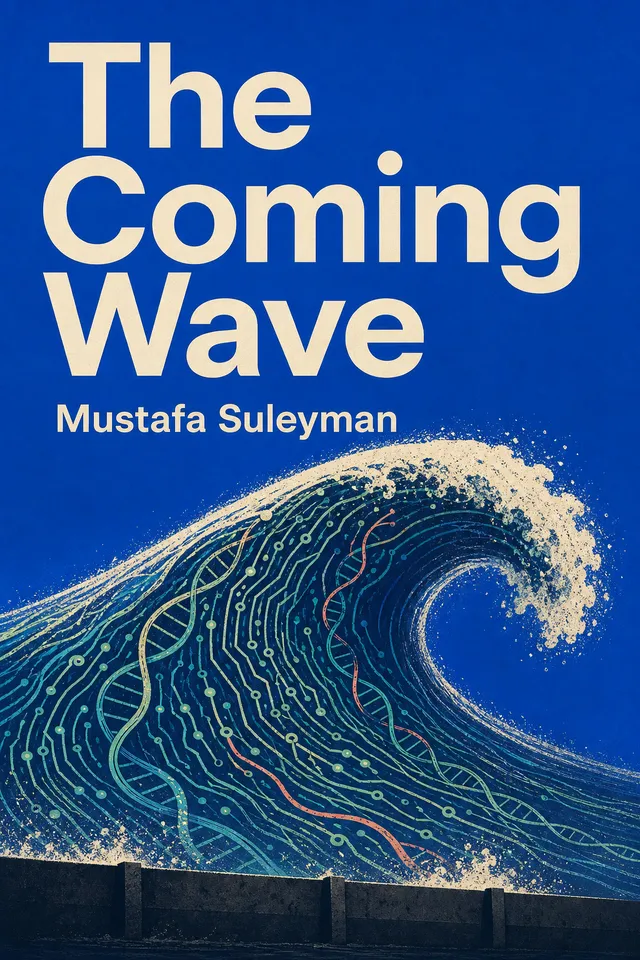
The Coming Wave
The Coming Wave examines AI, synthetic biology, and related technologies as they become more capable, cheaper, and easier to deploy. It asks how humanity can preserve their benefits while containing misuse, accidents, instability, and loss of control, offering a framework for understanding the technical, political, and institutional choices involved.