Voices of Courage
Read personal accounts and biographies of people confronting oppression, injustice, war, and the struggle to be heard.
Books in this collection
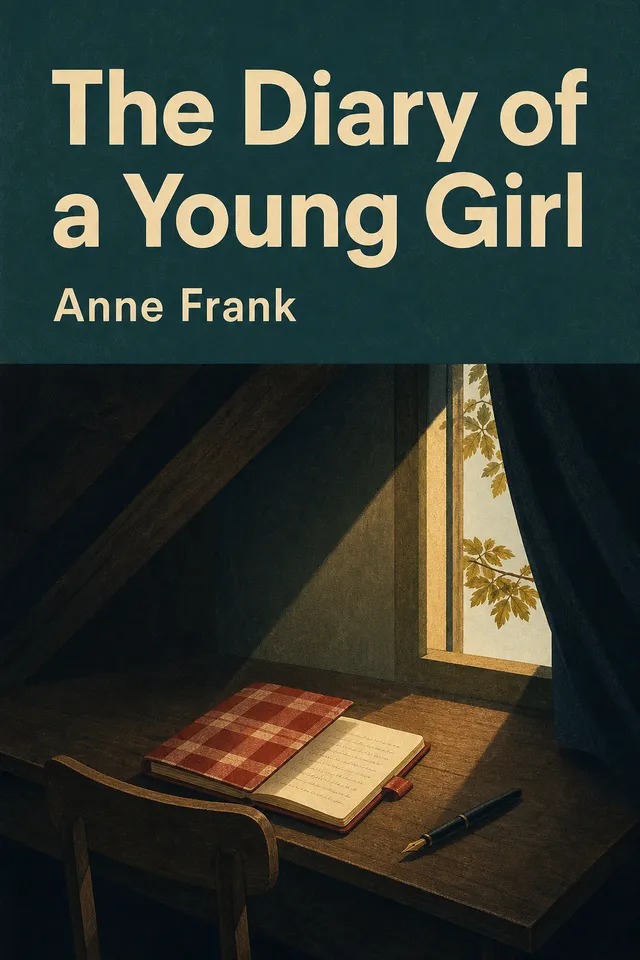
The Diary of a Young Girl
Anne Frank’s diary asks how a young person can preserve identity, intimacy, moral judgment, and hope while living in hiding under persecution. Its value lies in showing both the practical systems of survival and the inner work required to remain human within prolonged fear and confinement.
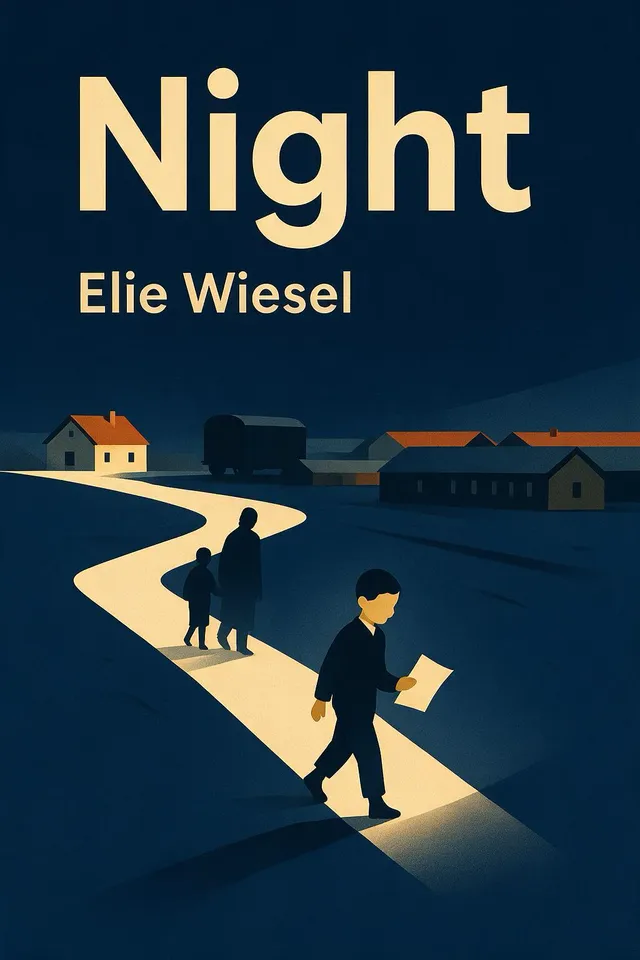
Night
Night follows a religious Jewish boy from Sighet into deportation, the camps, and liberation, asking what remains of faith, identity, family, and moral agency under organized annihilation. Read alongside the supplied criticism, the memoir becomes a study of testimony: how silence, language, memory, and responsibility shape what survivors can tell and readers must do.
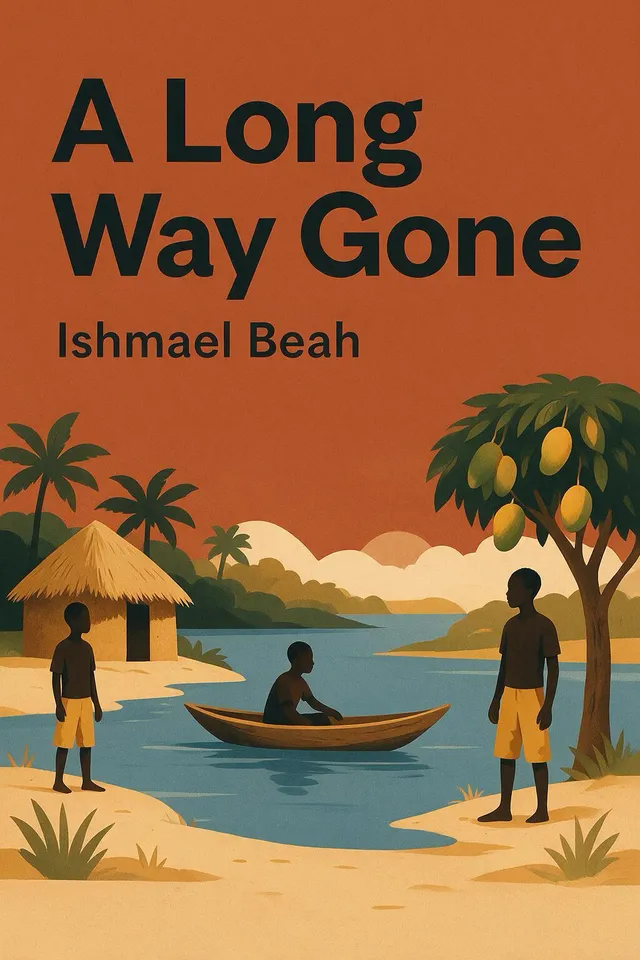
A Long Way Gone
A Long Way Gone follows Ishmael Beah from ordinary childhood in Sierra Leone through displacement, coercive recruitment, drug-fueled combat, rehabilitation, and an uncertain return to civilian life. It asks how war turns children into soldiers—and whether family, care, memory, and public testimony can make another life possible, offering a framework for understanding recruitment, trauma, and recovery.
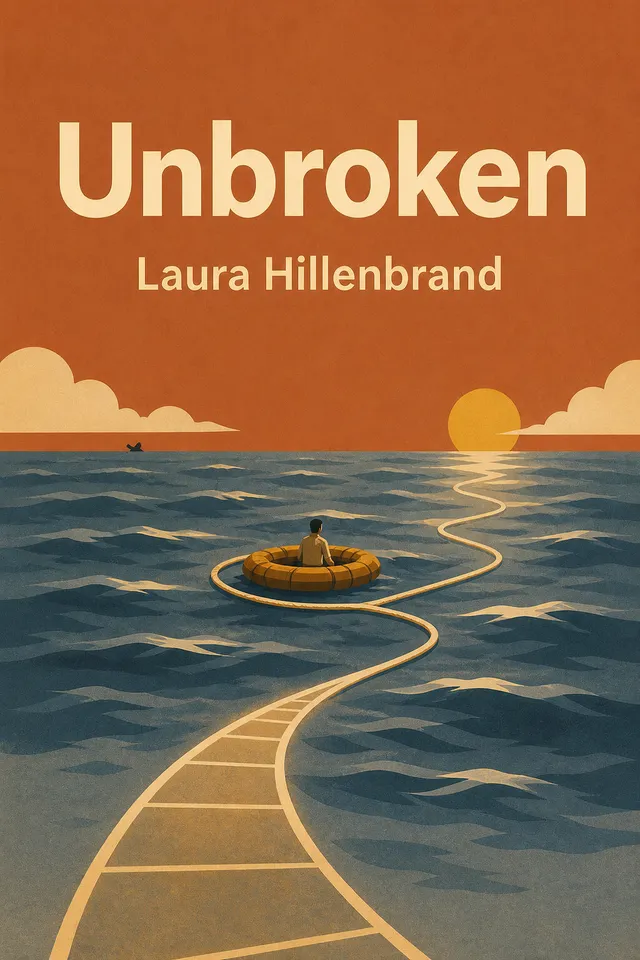
Unbroken
Unbroken follows Olympic runner Louie Zamperini from a rebellious California childhood through athletic triumph, Pacific air combat, a catastrophic crash, forty-seven days adrift, Japanese captivity, and a difficult return home. It asks how dignity survives organized violence and studies how trauma, memory, and revenge can be transformed into freedom and forgiveness.
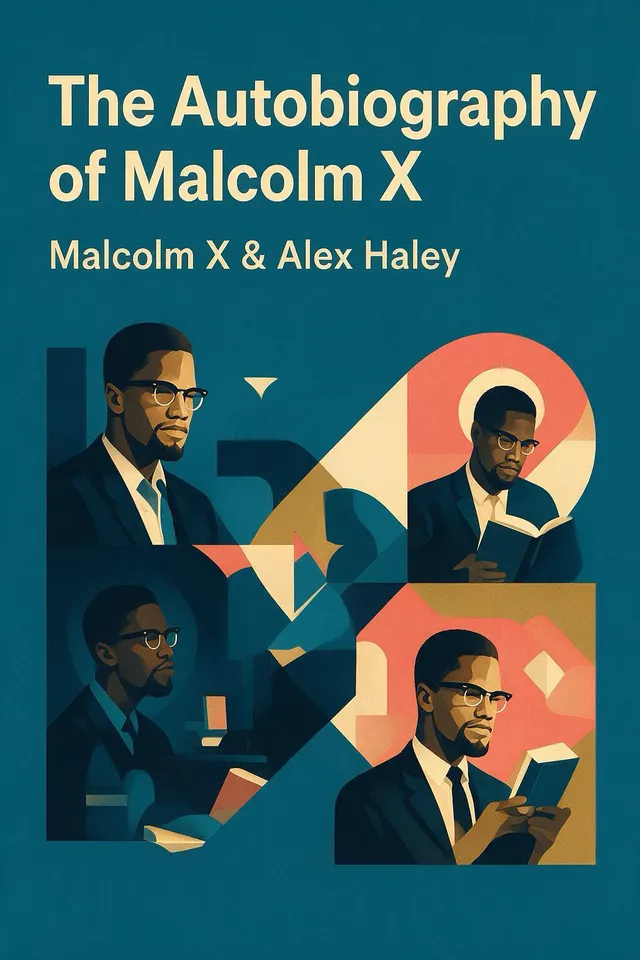
The Autobiography of Malcolm X
Malcolm X’s autobiography asks how a life shaped by racial terror, poverty, crime, prison, and religious discipline can become a program for Black dignity and political action. It traces how self-education, Islam, Mecca, and African encounters repeatedly revise his understanding of identity, liberation, and human solidarity.
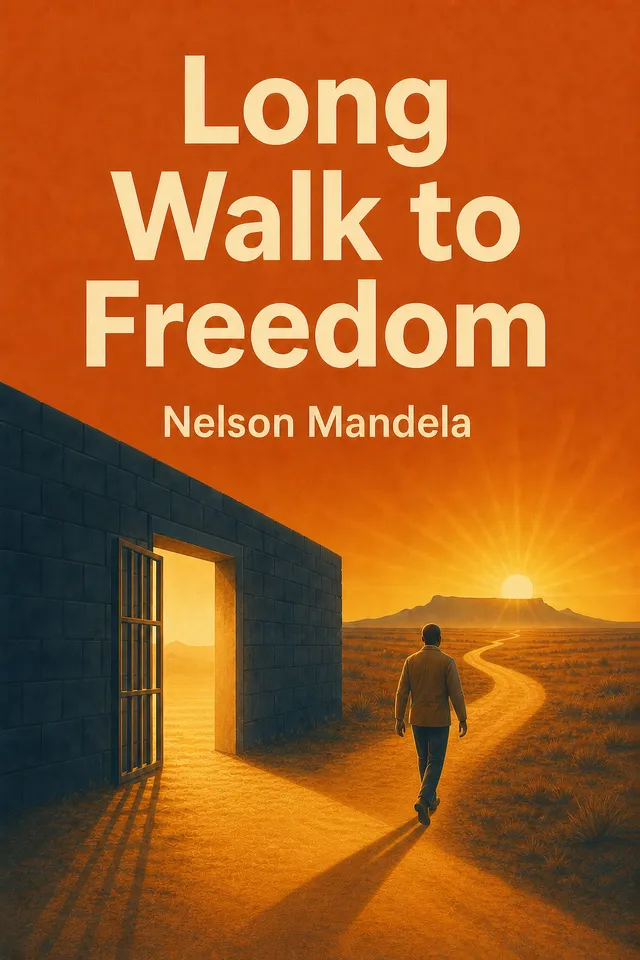
Long Walk to Freedom
Nelson Mandela traces how a rural Thembu upbringing, colonial education, legal work, organized resistance, imprisonment, and negotiation shaped a struggle against apartheid. The central question is how a movement should adapt when nonviolence, sabotage, compromise, and reconciliation each carry moral and strategic costs—and what freedom demands after political victory.
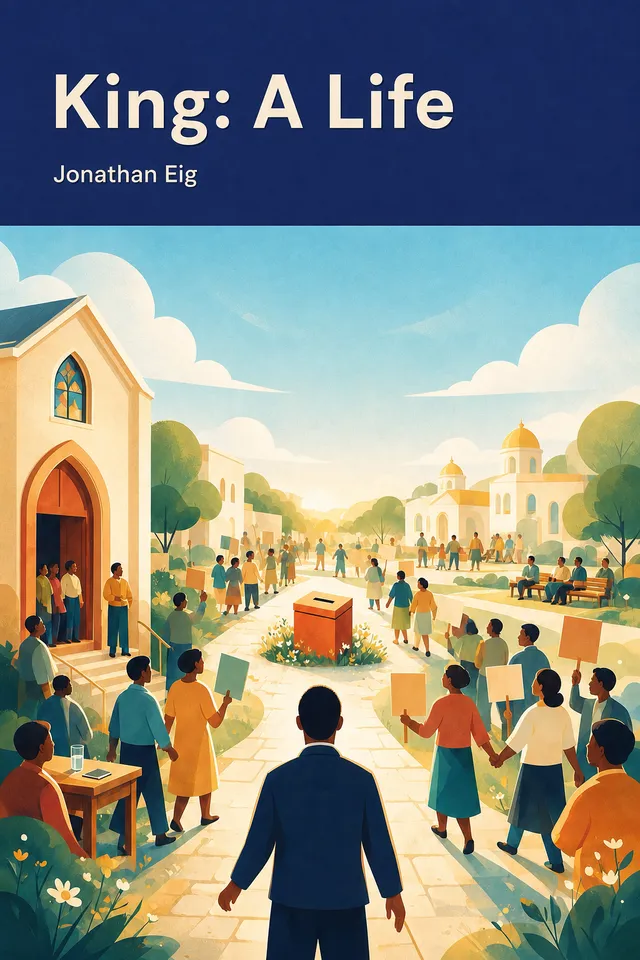
King: A Life
King: A Life follows Martin Luther King Jr. from an Atlanta family and Black church world into Montgomery’s boycott, the national civil-rights struggle, and final campaigns against poverty and war. It asks how Christian nonviolence became political leverage—and why legal victories left structural racism, violence, and private contradiction unresolved, clarifying the distance between symbolic triumph and lived freedom.
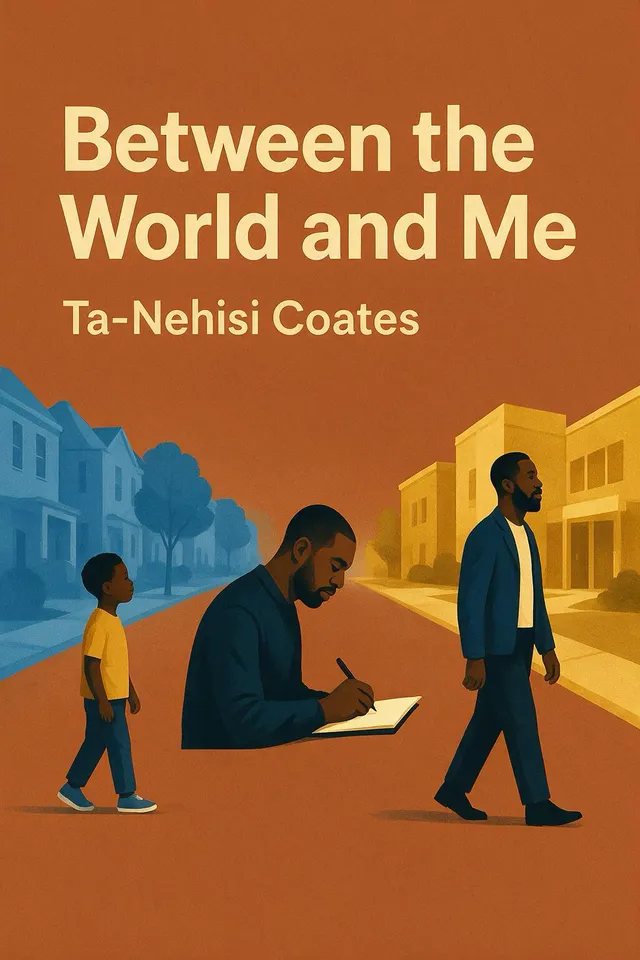
Between the World and Me
A father writes to his son about living in a Black body inside an American Dream shaped by racial hierarchy, violence, and historical plunder. The book asks what consciousness, love, study, memory, culture, and struggle can preserve when safety, innocence, and escape cannot be guaranteed.
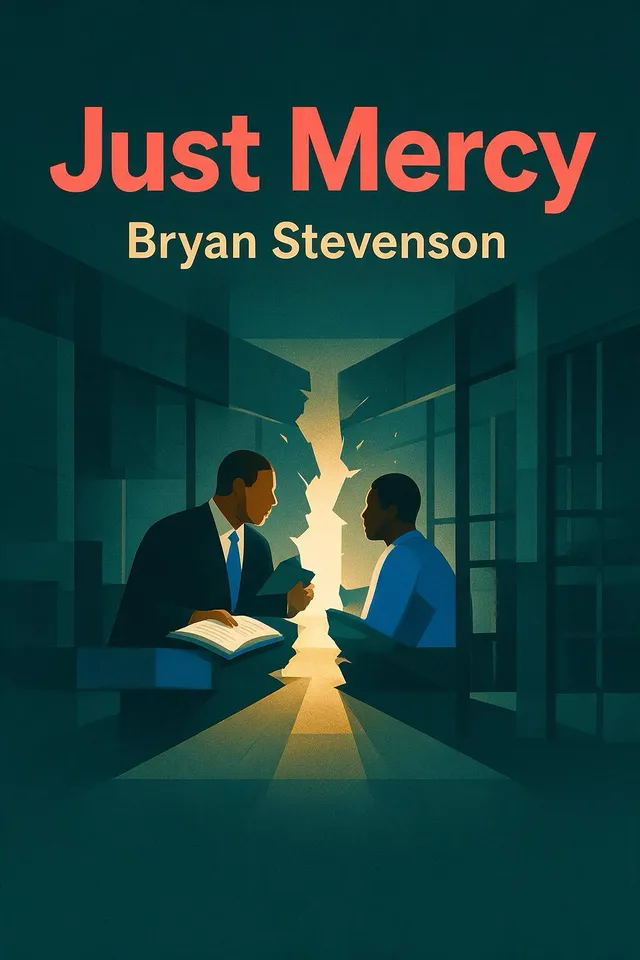
Just Mercy
Just Mercy follows Bryan Stevenson’s work with condemned people, children, women, and others caught in America’s punitive justice system. It asks how race, poverty, trauma, and fear turn vulnerability into guilt, and what proximity, legal advocacy, mercy, and hope can do to restore dignity when formal justice fails.
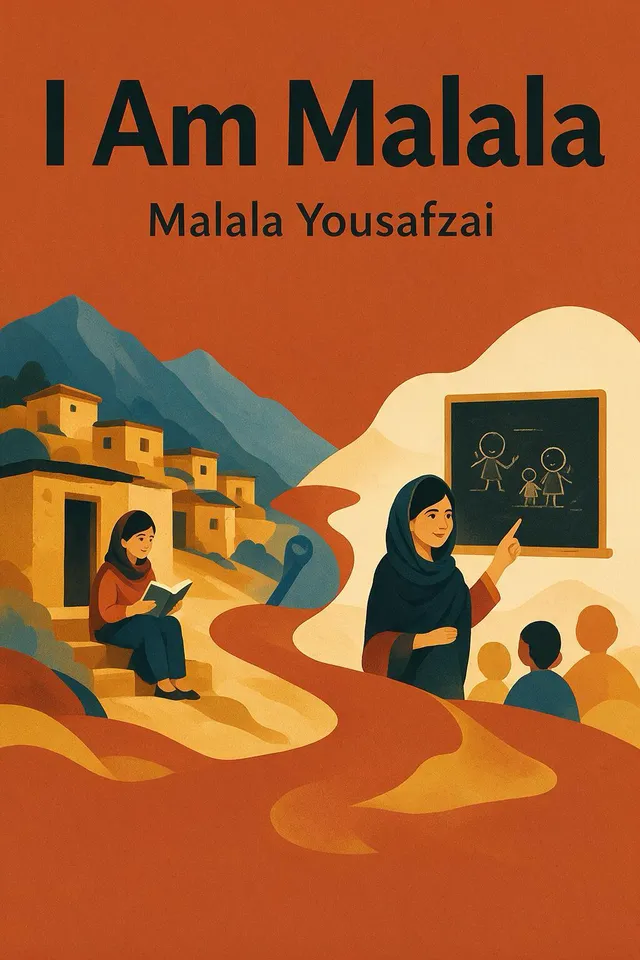
I Am Malala
Malala Yousafzai’s memoir follows a girl who treats education as both an ordinary joy and a contested right. It asks how family, faith, testimony, and collective courage can resist gender hierarchy, militant violence, displacement, and state failure—and how survival can become a lifelong commitment to schooling for every child.