War and Its Aftermath
Follow the decisions, experiences, destruction, and political aftermath of the conflicts that remade twentieth-century Europe and beyond.
Books in this collection
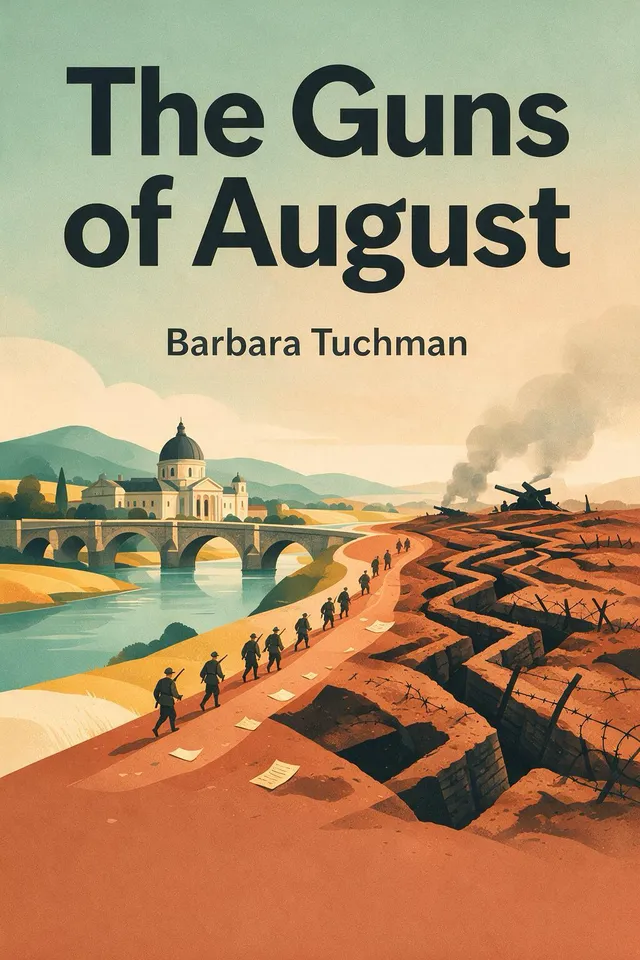
The Guns of August
An audio-first account of the first month of World War I, asking how diplomatic commitments, military doctrines, and human decisions turned a Balkan crisis into a wider war—and how failed plans, Belgian resistance, Russian sacrifice, naval paralysis, retreat, and the Marne created Western Front deadlock. Its value is a study of rigidity under pressure.
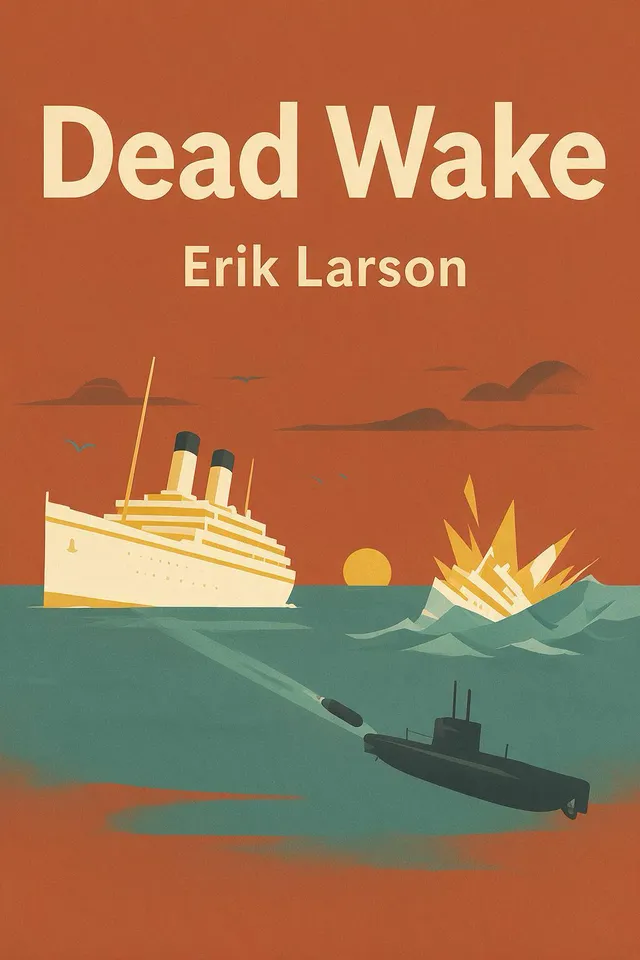
Dead Wake
Dead Wake asks how a celebrated ocean liner, carrying civilians through a war zone, became the site of a preventable-seeming catastrophe—and why its sinking did not immediately bring America into the war. The answer connects technology, intelligence, institutional choices, human routine, chance, and memory.
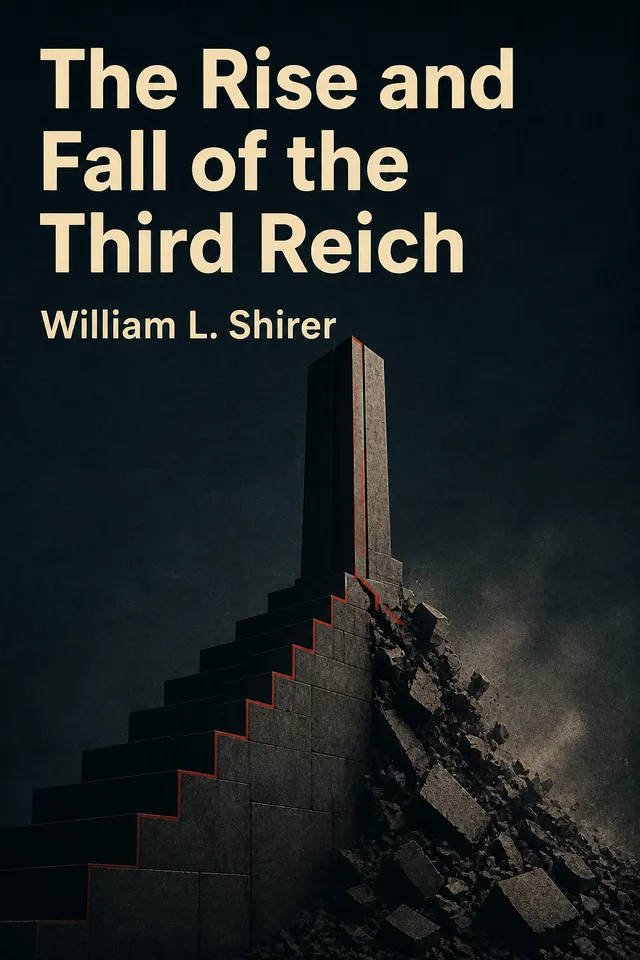
The Rise and Fall of the Third Reich
William L. Shirer’s history asks how Hitler’s minority-backed movement captured Germany, turned conquest into a racial empire, and collapsed into ruin. This summary follows the institutions, choices, myths, and strategic errors behind that trajectory, clarifying how dictatorship can grow through both coercion and consent.
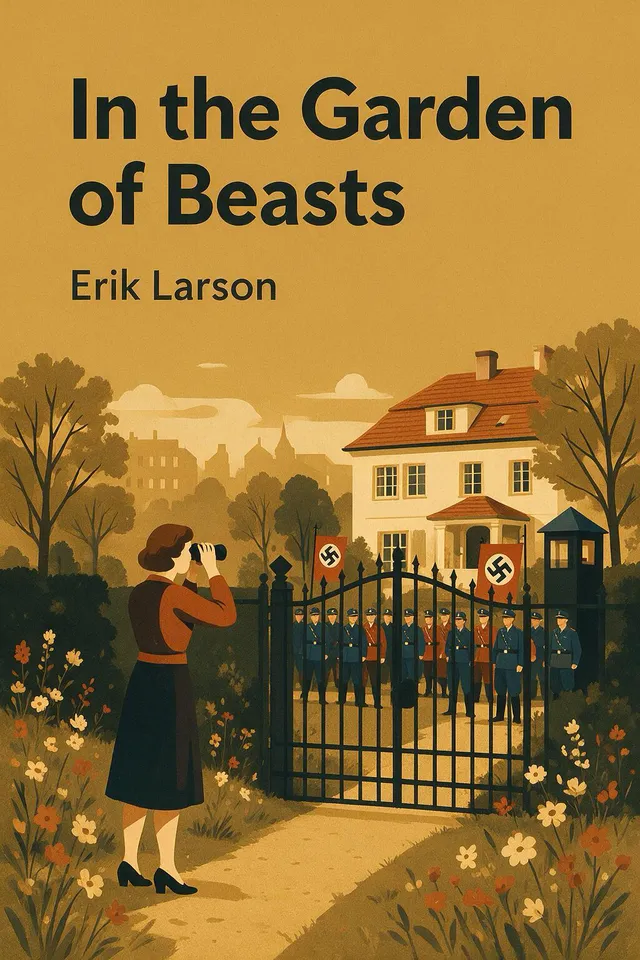
In the Garden of Beasts
Through William E. Dodd, his daughter Martha, and their circle in Berlin, this book asks how dictatorship became ordinary to people who could see its violence yet still enjoy its social world. It traces political misreading, institutional complicity, moral awakening, and the limits of diplomacy.
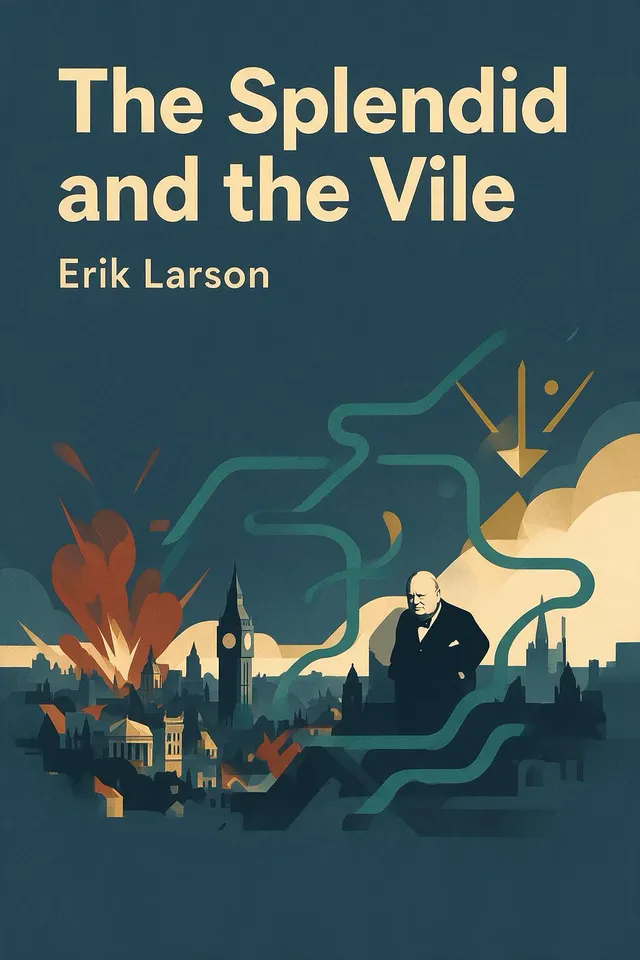
The Splendid and the Vile
Erik Larson follows Winston Churchill’s first year as prime minister, from Britain’s expectation of invasion and aerial catastrophe through the Blitz and the emergence of American support. The central question is how leadership, technology, public morale, family life, and private courage sustain a society when survival depends on acting amid uncertainty.
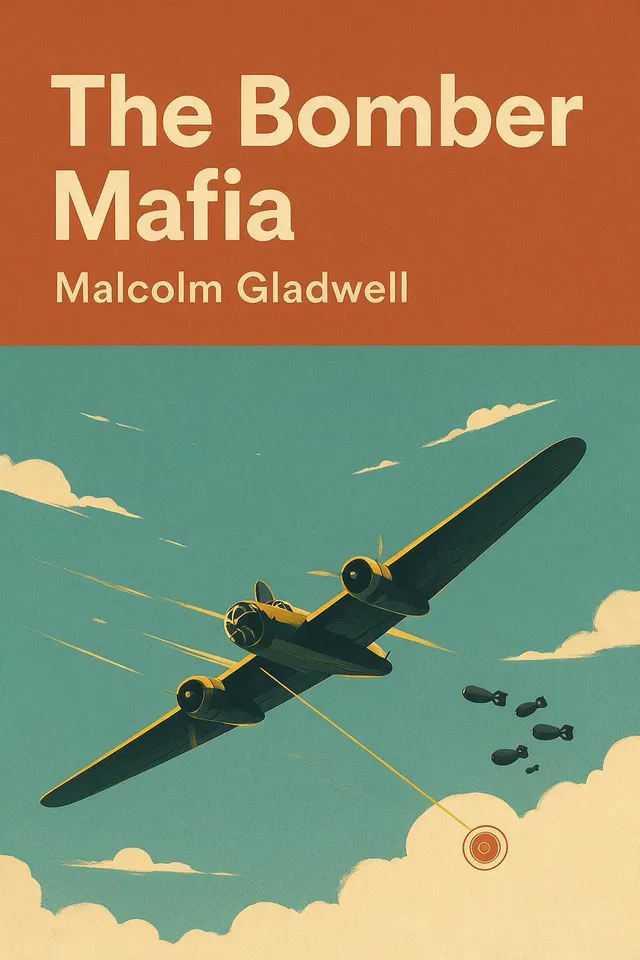
The Bomber Mafia
The Bomber Mafia follows the dream that aircraft and precision technology could make war faster, more selective, and less deadly. It asks what happens when that dream meets weather, machinery, institutions, and human judgment—and offers a way to think about the gains of precision alongside the conscience required to restrain power.
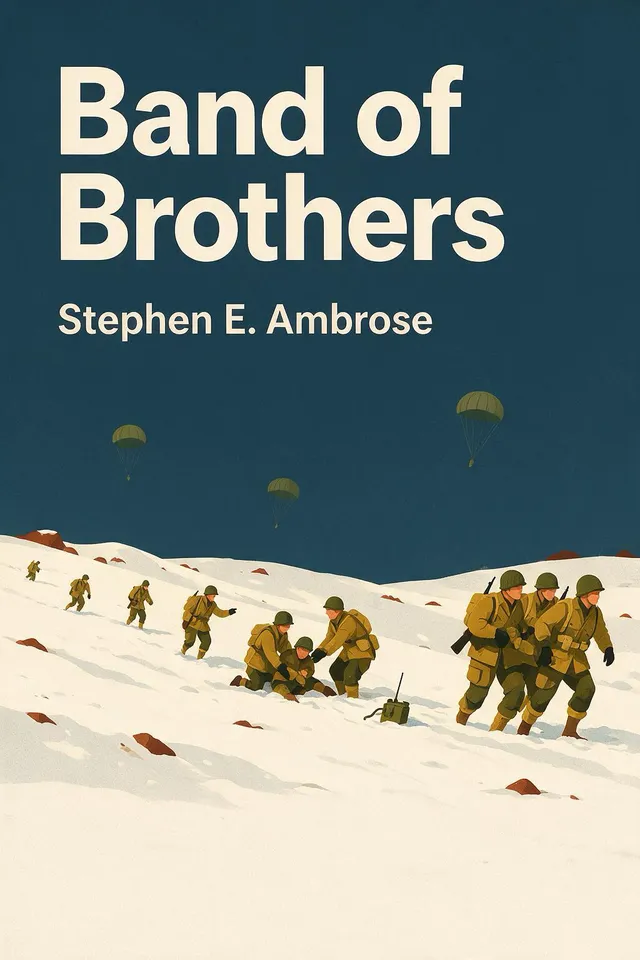
Band of Brothers
Band of Brothers follows Easy Company from citizen-soldier training and airborne qualification through Normandy, Holland, and Bastogne. Its central question is how discipline, leadership, and comradeship become combat capability—and where they fail against chance, attrition, coordination problems, and strategic error. The value is a grounded study of combat psychology, tactics, and memory.
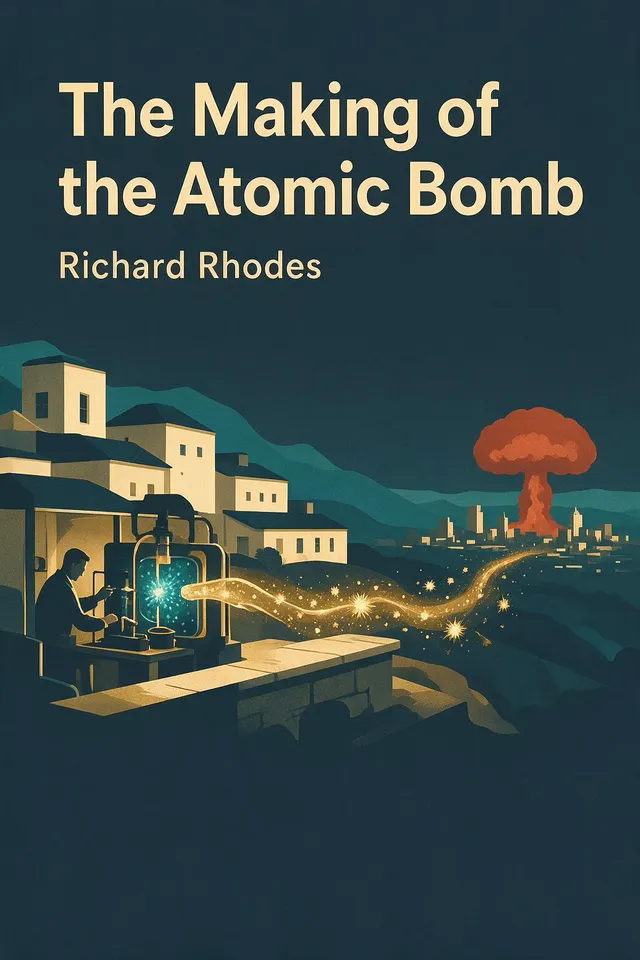
The Making of the Atomic Bomb
Richard Rhodes’s history asks how a chain of experiments about atoms became a weapon capable of destroying cities. It follows the scientists, refugees, institutions, and wartime decisions that made the bomb possible, then weighs what Hiroshima and Nagasaki revealed about power, responsibility, and the difference between scientific inevitability and political choice.
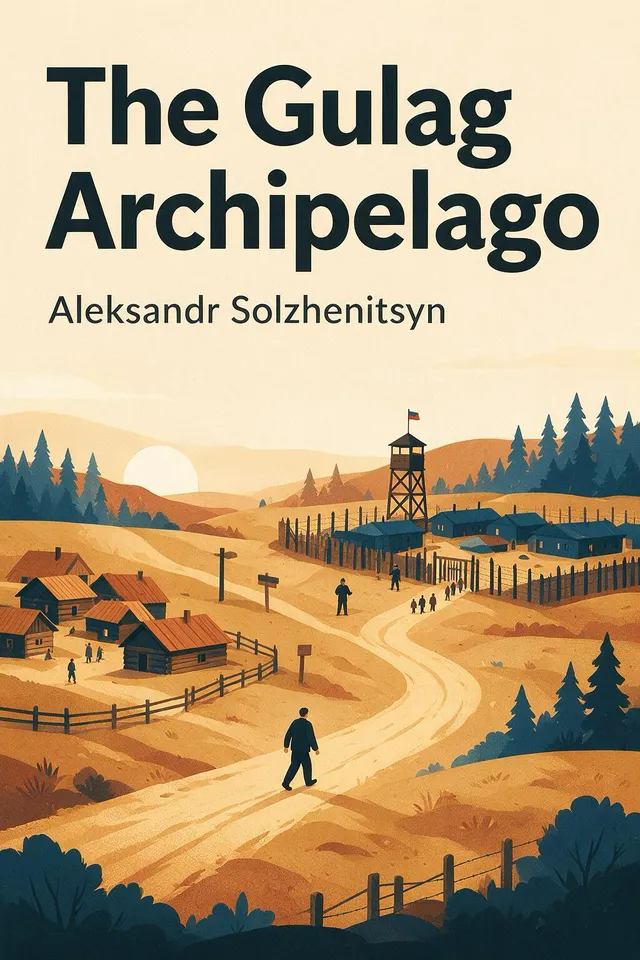
The Gulag Archipelago
The Gulag Archipelago reconstructs how Soviet arrests, interrogation, forced labor, exile, and camp society formed a hidden national system. It asks what happens to truth, dignity, and conscience when power turns fear into social practice, and why remembering collective suffering remains a moral responsibility.
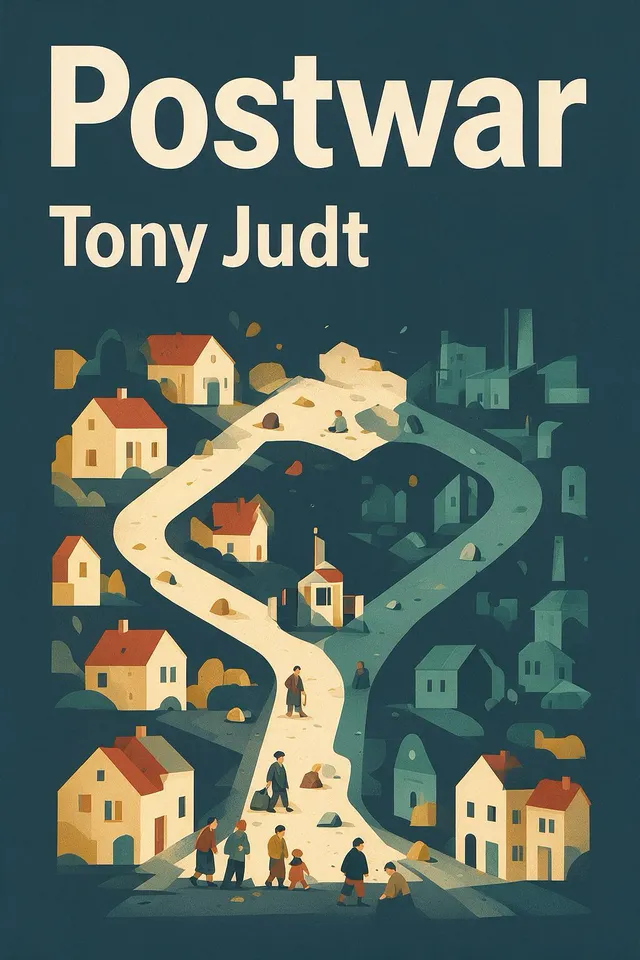
Postwar
Postwar traces Europe’s journey from the ruins of World War II through displacement, Cold War division, welfare-state prosperity, decolonization, protest, Communism’s collapse, and European integration. It asks how a continent shaped by violence built stability—and what its unresolved memories, inequalities, and national loyalties reveal about the possibilities and limits of a shared future.