What Inequality Feels Like
Connect accounts of daily life with arguments about poverty, status, racism, housing, work, and the stories used to justify unequal outcomes.
Books in this collection
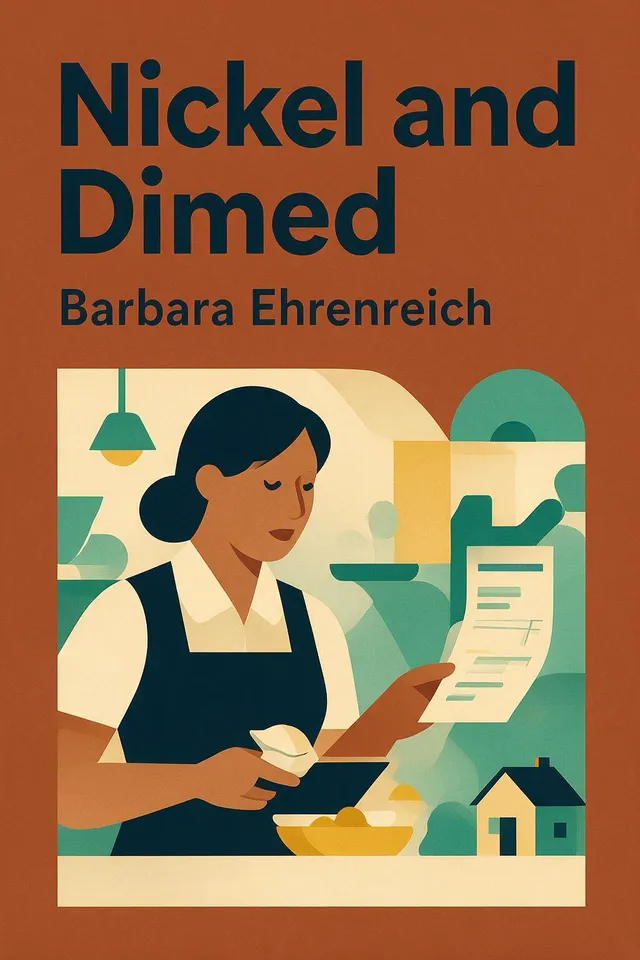
Nickel and Dimed
Barbara Ehrenreich tests whether low-wage work can provide a route out of poverty by taking jobs in restaurants, housekeeping, caregiving, and retail. The experiment asks what wages can actually buy and shows how housing, hidden costs, employer control, and weak public support shape working people’s choices.
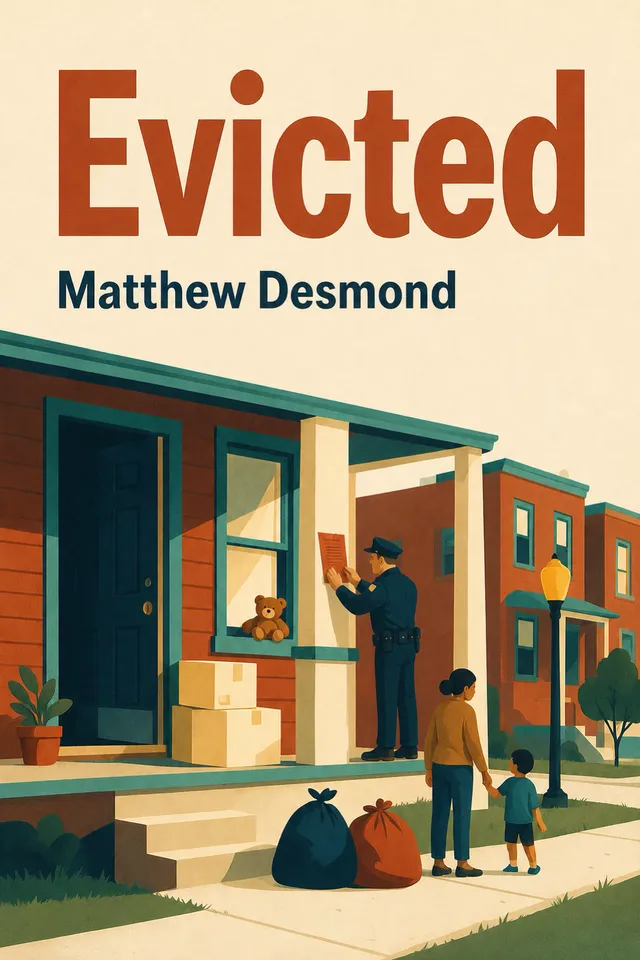
Evicted
Evicted traces how unaffordable rents, racialized housing markets, landlord discretion, court procedures, and weak public assistance turn ordinary hardship into forced displacement. Through Milwaukee families, landlords, and researchers, it asks how eviction creates poverty—and what housing policy could interrupt that cycle.

Hillbilly Elegy
Hillbilly Elegy combines a multigenerational memoir with an inquiry into poverty, addiction, class, culture, and upward mobility. It asks why economic opportunity alone does not secure stability, and what relationships, institutions, choices, and community changes can widen a child’s chances.
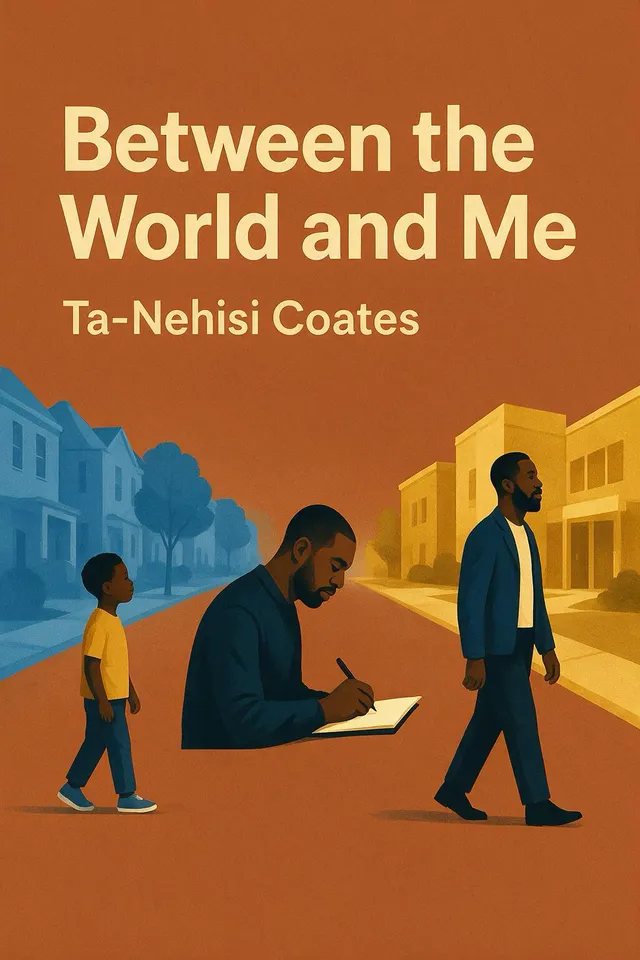
Between the World and Me
A father writes to his son about living in a Black body inside an American Dream shaped by racial hierarchy, violence, and historical plunder. The book asks what consciousness, love, study, memory, culture, and struggle can preserve when safety, innocence, and escape cannot be guaranteed.

Stamped from the Beginning
Stamped from the Beginning traces how racist ideas were created, revised, and attached to slavery, law, science, culture, and public policy from the colonial era through Black Lives Matter. It asks why racial inequality survives formal progress and offers a framework for distinguishing personal persuasion from institutional change.

The Spirit Level
The Spirit Level asks why, once societies are broadly affluent, the size of income gaps can matter more than further economic growth for health and social wellbeing. It follows inequality through status anxiety, trust, relationships, life chances, punishment, and work, then considers how greater equality could support cooperation, sustainability, and practical institutional change.
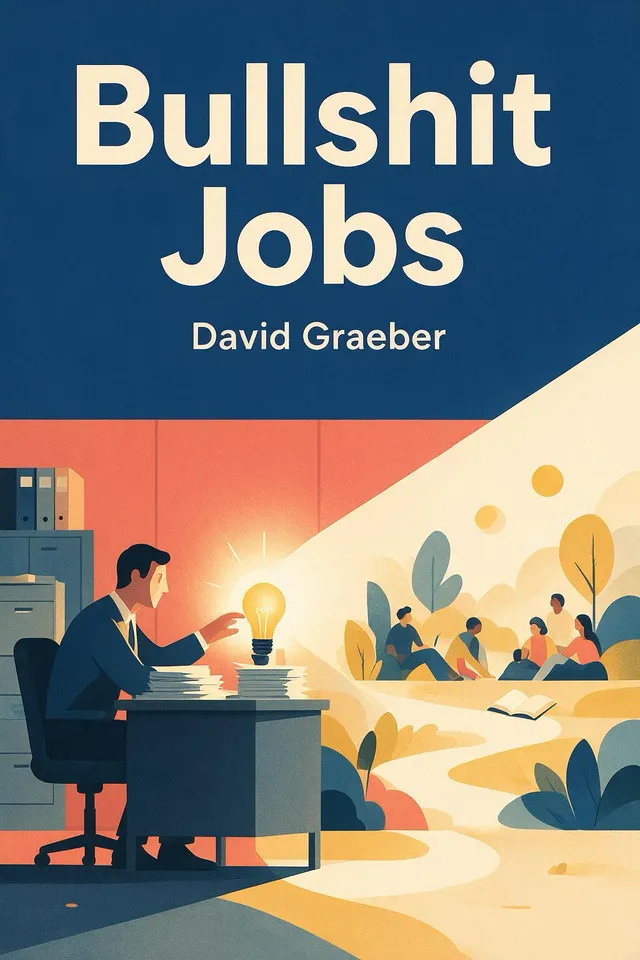
Bullshit Jobs
Bullshit Jobs asks why modern economies preserve paid work that employees regard as pointless, unnecessary, or harmful. Graeber maps its organizational forms, traces its psychological and political costs, explains how managerial power and work morality sustain it, and considers shorter hours and unconditional income as routes toward greater agency.
The Tyranny of Merit
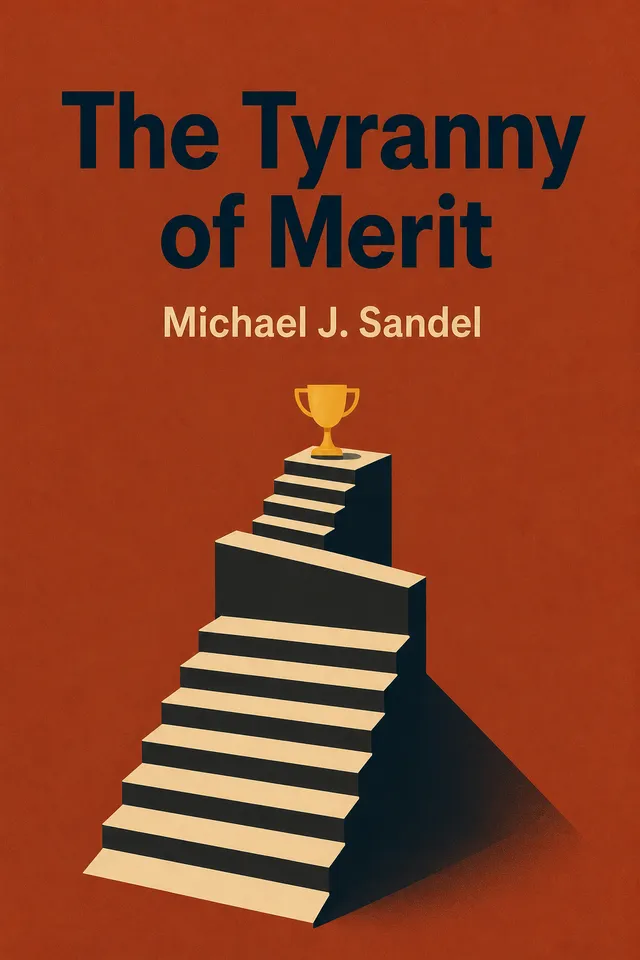
Michael J. Sandel examines what happens when a society treats success as proof of merit and failure as personal fault. The book asks whether fair opportunity is enough, given luck, inherited advantage, credentialism, and unequal social esteem, and points toward work, humility, and a common good beyond competitive sorting.
Just Mercy
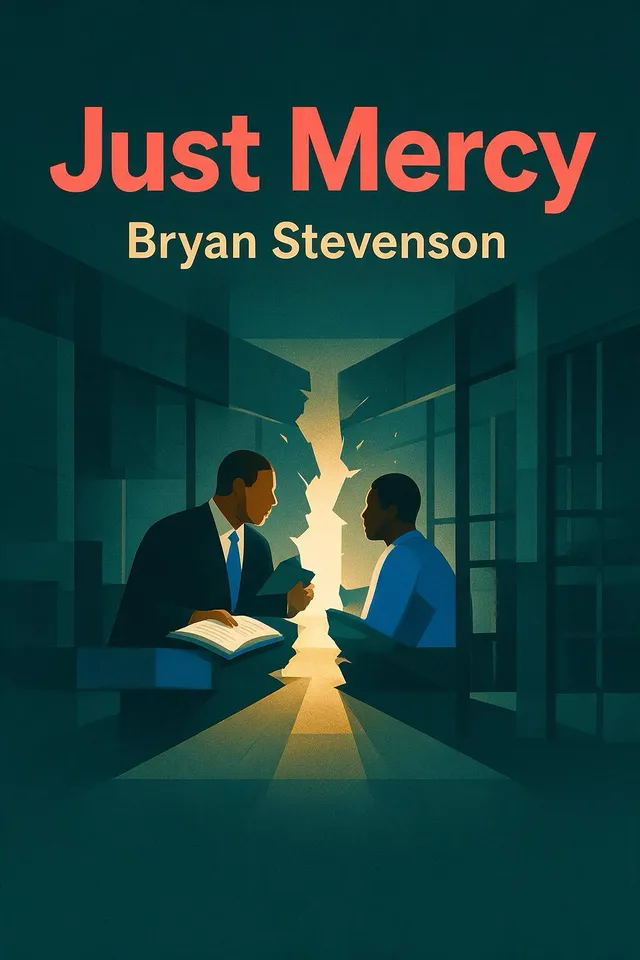
Just Mercy follows Bryan Stevenson’s work with condemned people, children, women, and others caught in America’s punitive justice system. It asks how race, poverty, trauma, and fear turn vulnerability into guilt, and what proximity, legal advocacy, mercy, and hope can do to restore dignity when formal justice fails.