What Makes a Happy Life?
Compare ideas about happiness, expectations, meaning, and everyday well-being.
Books in this collection
Authentic Happiness
Authentic Happiness asks what makes well-being durable rather than momentary. It follows positive psychology’s expansion beyond illness toward the study of strengths, then examines gratitude, optimism, pleasure, flow, love, work, and parenting. Its practical value is a framework for using personal strengths in ordinary life and connecting them to meaning beyond the self.
Stumbling on Happiness
Why do people so often choose futures that fail to make them happy? This book examines how imagination, present emotion, comparison, memory, adaptation, and social beliefs distort forecasts, then considers why another person’s current experience can sometimes predict our own better than private speculation. It clarifies the limits of foresight when choices matter.

The Happiness Hypothesis
The Happiness Hypothesis asks how ancient wisdom and modern psychology can explain a good life. It follows the divided mind from emotion and reason through self-control, relationships, adversity, virtue, sacred experience, work, and meaning, then weighs how inner cultivation and external conditions combine to shape flourishing.

The How of Happiness
The How of Happiness asks what part of well-being lies within deliberate control. It connects research on genes, circumstances, adaptation, relationships, attention, goals, body and spiritual practices, and habit formation into an individualized program, while explaining why resilience is not denial and self-help is not a substitute for depression treatment.
Build the Life You Want
Build the Life You Want asks how people can become happier without waiting for circumstances to improve. It links emotional self-management with family, friendship, meaningful work, and spiritual practice, offering a framework for turning difficult feelings and imperfect relationships into choices that support purpose, connection, and service.
The Happiness Project
How can a person become happier without abandoning an ordinary life? Gretchen Rubin records a year of experiments that turn self-observation into concrete resolutions involving energy, relationships, work, family, play, money, attention, and contentment. The value is a flexible method: choose practices that fit your nature, track them, and resume after failure.
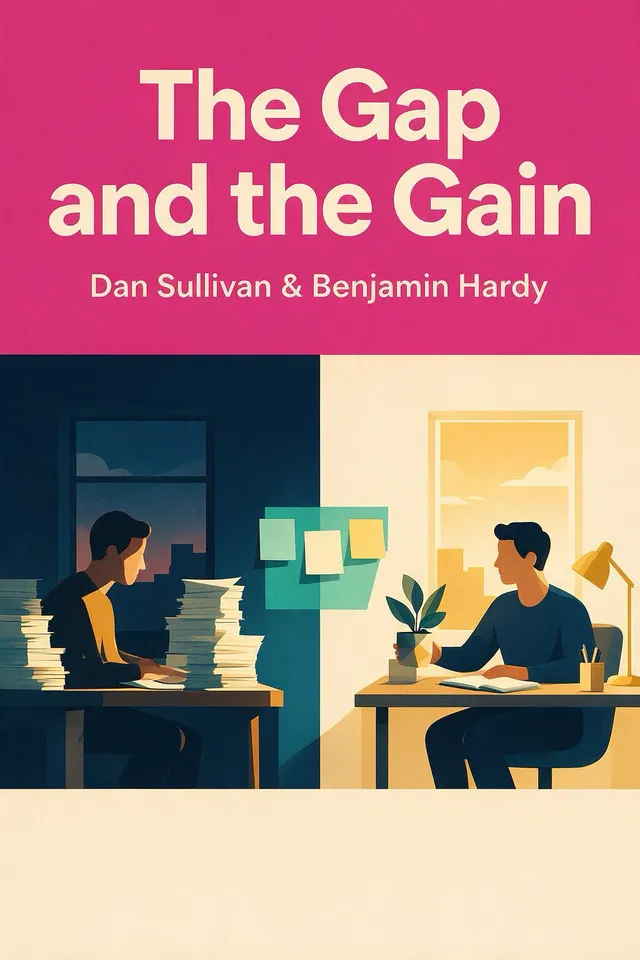
The Gap and the Gain
The Gap and the Gain asks why achievement often fails to produce lasting happiness. It contrasts measuring yourself against moving ideals and future outcomes with measuring backward from your own progress, then shows how wanting, daily wins, gratitude, and transformed setbacks can support agency and continued growth.
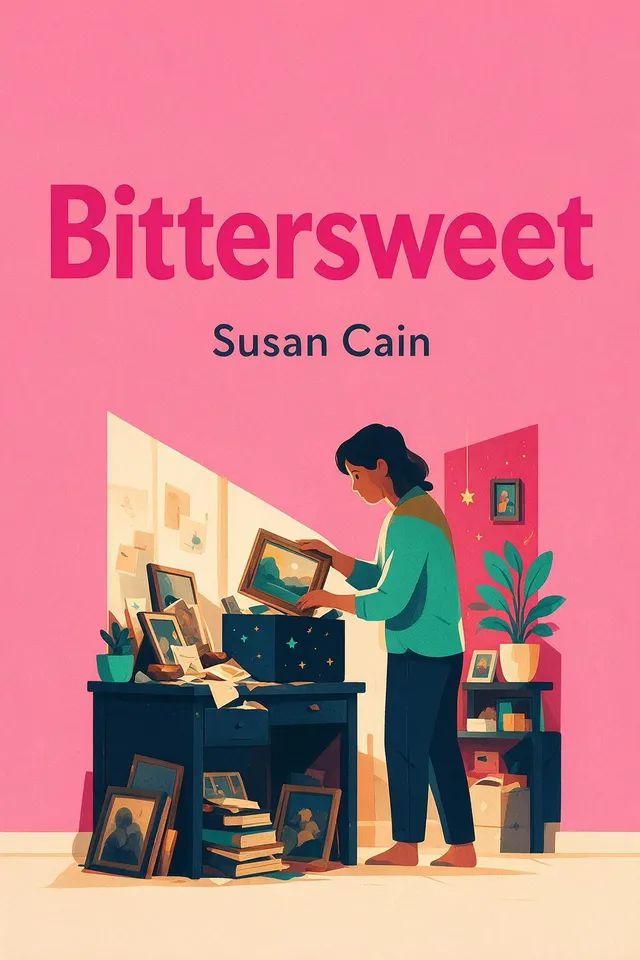
Bittersweet
Bittersweet asks what sadness, longing, grief, and mortality can teach us when we stop treating them as defects. Susan Cain connects difficult emotion to compassion, creativity, love, and meaning, then examines forced positivity in American life and work. The book offers ways to carry loss without denying joy, using attention, connection, and purposeful action.