What Makes Us Human?
Explore competing accounts of perception, consciousness, behavior, and the social instincts behind everyday life.
Books in this collection
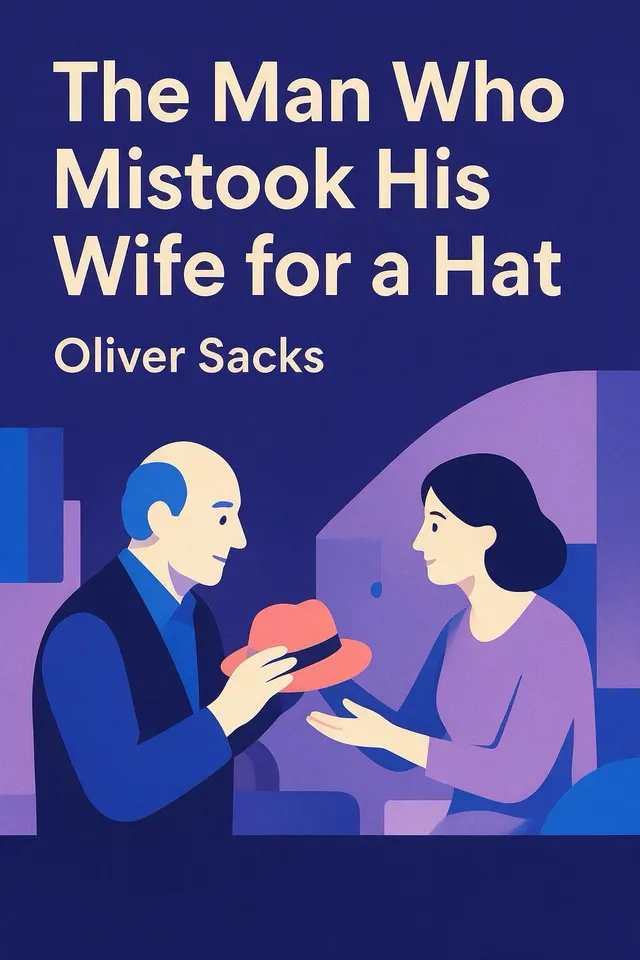
The Man Who Mistook His Wife for a Hat
These clinical tales ask how memory, body-awareness, perception, and identity survive when the nervous system changes. Cases of amnesia, seizures, Tourette’s, and unusual creativity show why brain mechanisms must be read alongside biography, feeling, meaningful activity, and humane support.
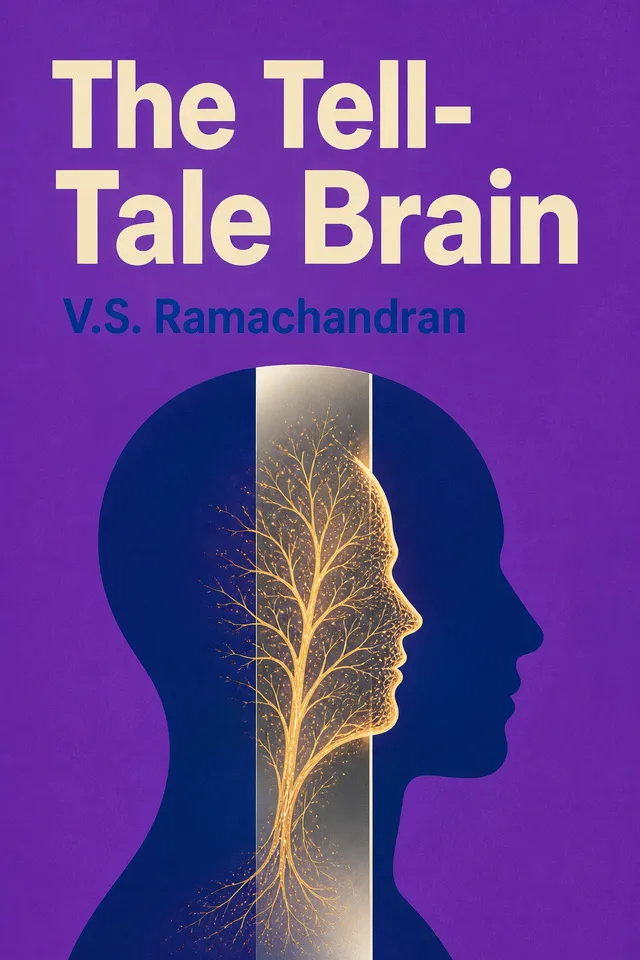
The Tell-Tale Brain
The Tell-Tale Brain presents the brain as a plastic, networked interpreter whose unusual failures reveal ordinary perception, body ownership, social understanding, language, art, and selfhood. Its central question is how ape-derived neural systems became capable of human culture and consciousness; its value is a mechanism-based map of both evidence and uncertainty.
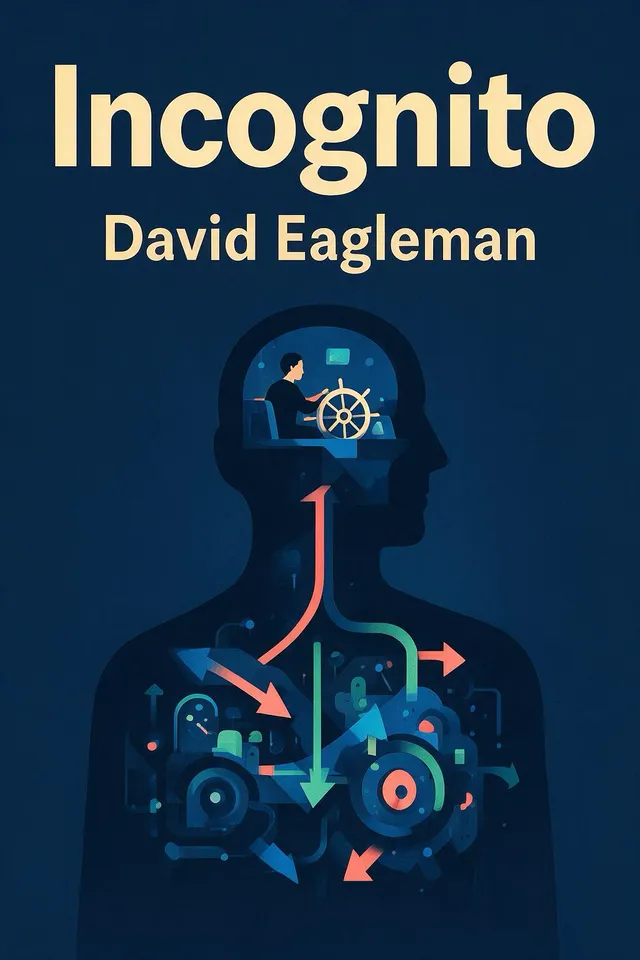
Incognito
Incognito asks how much of thought, perception, choice, and identity is authored outside awareness. It connects constructed experience, unconscious learning, competing neural systems, biology, and law to show why the self feels more sovereign than it is—and how that shift reframes responsibility and self-understanding.
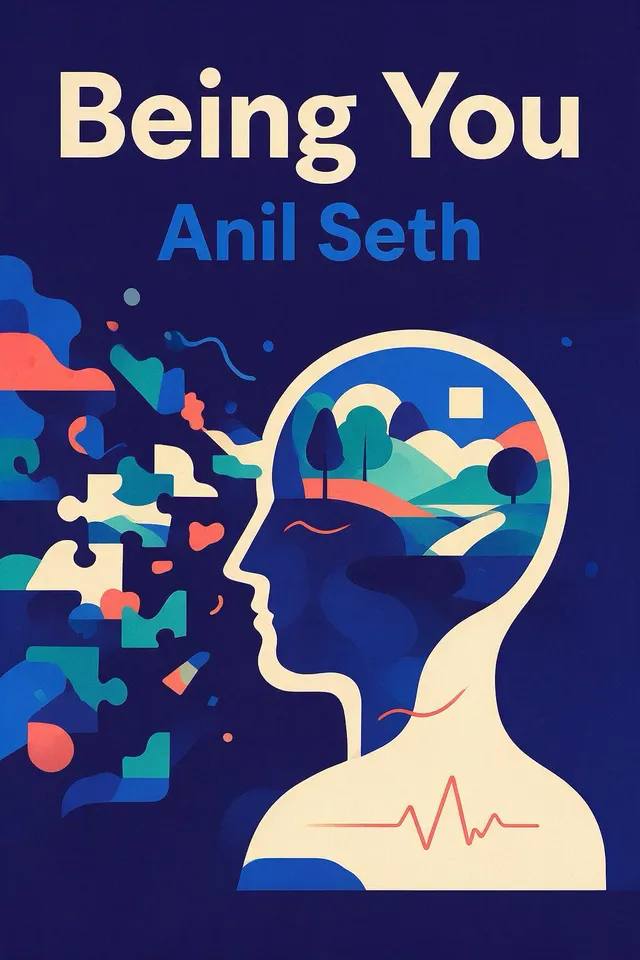
Being You
Being You asks how conscious experience and the self arise from the living brain. It develops a predictive account of perception, measures of conscious level, and layered models of bodily, narrative, social, animal, and artificial minds. Its value is a mechanistic way to think about altered states, agency, and the limits of inferring experience.
Behave
Why do humans act as they do? Robert M. Sapolsky follows behavior from neural circuits and hormones through development, genes, culture, evolution, group identity, morality, and history. The central lesson is that conduct is multicausal and context-sensitive, clarifying both cruelty and cooperation while leaving room for change.
The Origins of Virtue
The book asks how humans became capable of virtue and cooperation without eliminating self-interest. It traces nested biological collaboration, reciprocity, food sharing, moral emotion, cultural groupishness, trade, property, and self-government, showing why these capacities can sustain trust yet also produce conflict and ecological failure.
The Blank Slate
The Blank Slate asks whether human beings are formed entirely by culture or possess an evolved, flexible mental nature. Pinker connects genes, brains, learning, and culture, then tests what that view means for equality, morality, politics, violence, family life, and art—offering a way to defend humane values without denying human limits.
Other Minds
Other Minds asks how subjective experience emerged from living matter and what cephalopods reveal about minds built along a separate evolutionary path. It traces sensing, nervous systems, embodiment, consciousness, communication, language, aging, and social ecology, offering a comparative way to understand intelligence without assuming one human-like design.