Where We Come From
Discover memoirs about family, childhood, belonging, and the experience of finding a voice of your own.
Books in this collection
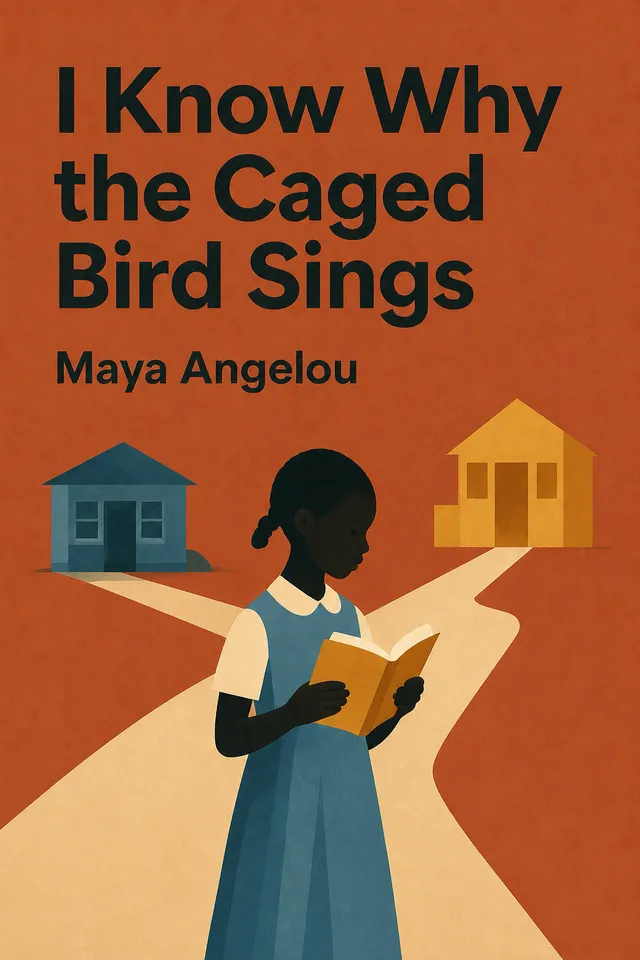
I Know Why the Caged Bird Sings
This memoir asks how a Black girl can build a self amid segregation, family separation, sexual violence, and migration. It traces how kinship, faith, literacy, community, work, and art turn fear and silence into voice and agency, while showing that each refuge remains vulnerable to racial and gendered power.
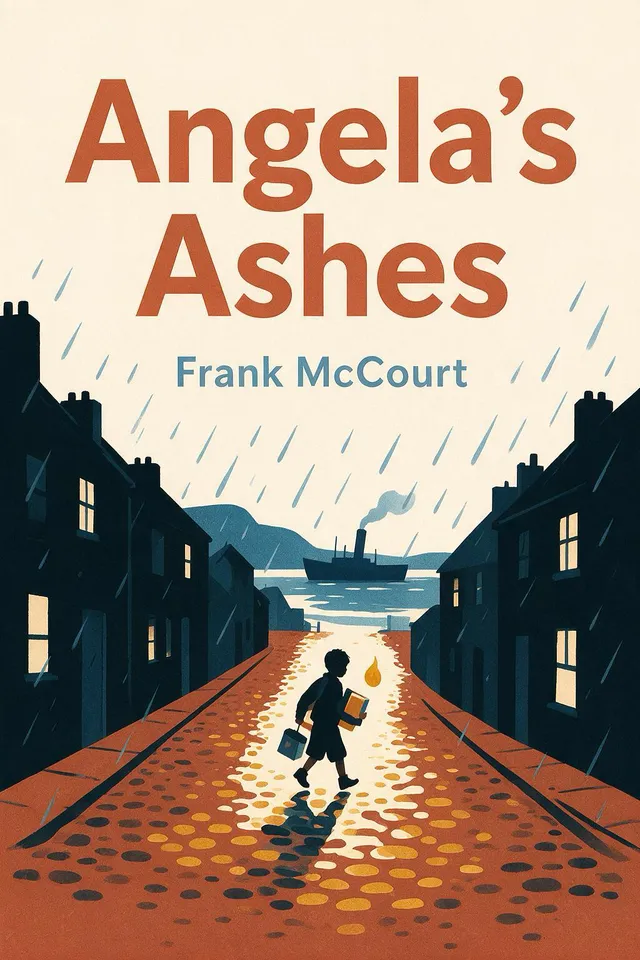
Angela's Ashes
Angela’s Ashes traces Frank’s childhood from Depression-era Brooklyn to poverty-stricken Limerick, following bereavement, Catholic schooling, illness, precarious work, and emigration. Its central question is how a child builds moral and imaginative freedom inside family breakdown and institutional authority; its value lies in showing literacy, memory, humor, and solidarity without softening material harm.
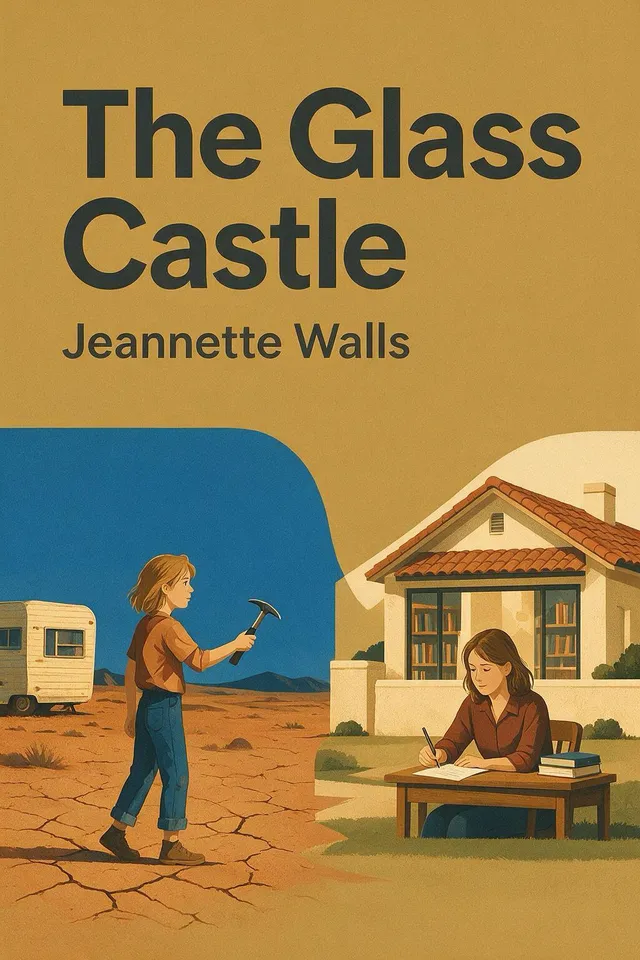
The Glass Castle
The Glass Castle follows Jeannette Walls from a childhood of mobility, poverty, danger, and imaginative family instruction to an adult life built beyond her parents’ control. It asks how love and harm can coexist, and how inherited resourcefulness can become agency without denying the costs of neglect.
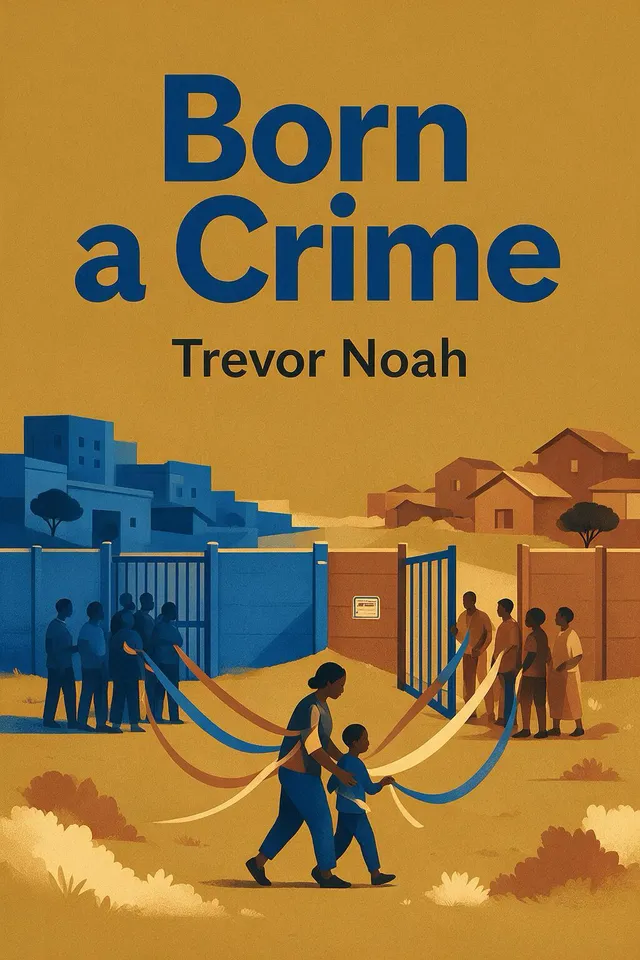
Born a Crime
Born a Crime follows Trevor Noah's childhood and young adulthood in and after apartheid South Africa. It asks how identity, belonging, and moral agency are built when law assigns race, poverty narrows choices, language divides communities, and family love coexists with violence. Its value is a systems-aware account of survival.
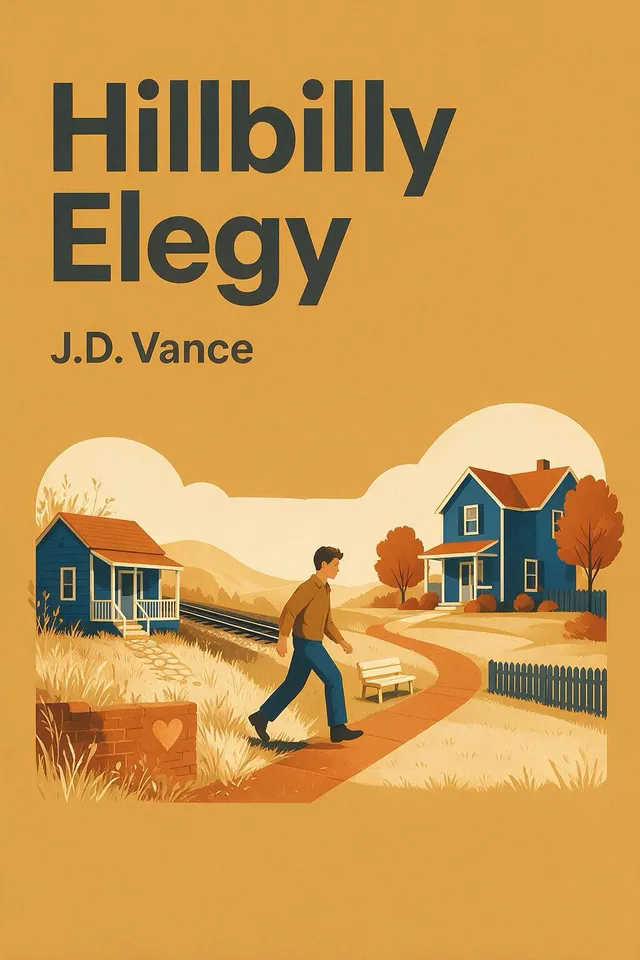
Hillbilly Elegy
Hillbilly Elegy combines a multigenerational memoir with an inquiry into poverty, addiction, class, culture, and upward mobility. It asks why economic opportunity alone does not secure stability, and what relationships, institutions, choices, and community changes can widen a child’s chances.
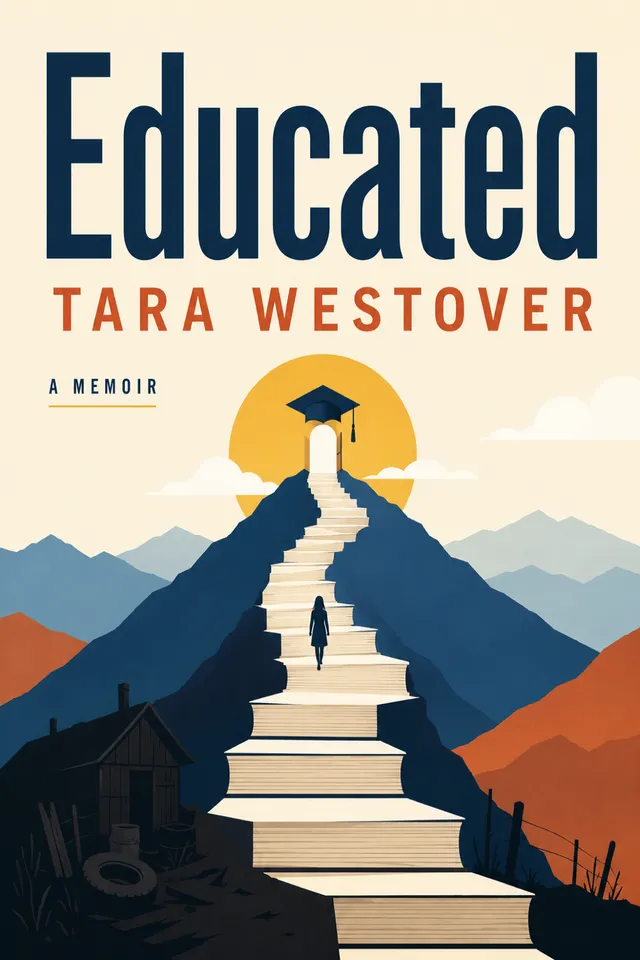
Educated
Educated follows Tara Westover from an isolated Idaho childhood shaped by family authority, dangerous self-reliance, and distrust of institutions to universities where history, medicine, and mentorship challenge her inherited beliefs. It asks how education changes a person—and what freedom, memory, and family loyalty cost when the past will not agree.
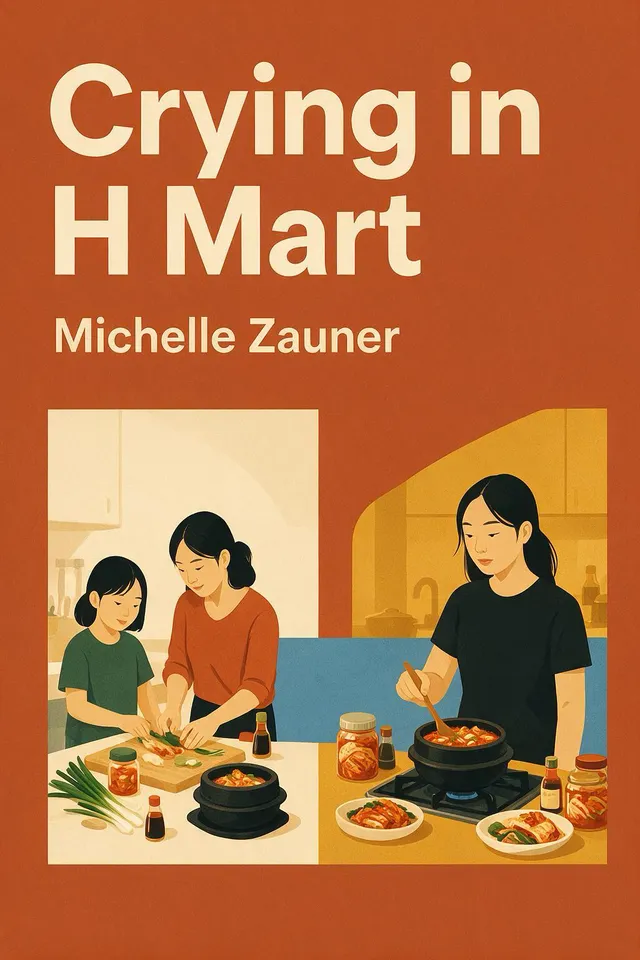
Crying in H Mart
Michelle Zauner’s memoir asks how a daughter can remain connected to her Korean heritage and mother after cancer and death remove the person who carried that inheritance. It follows food, family conflict, caregiving, grief, music, and cooking as ways of remembering and remaking identity.
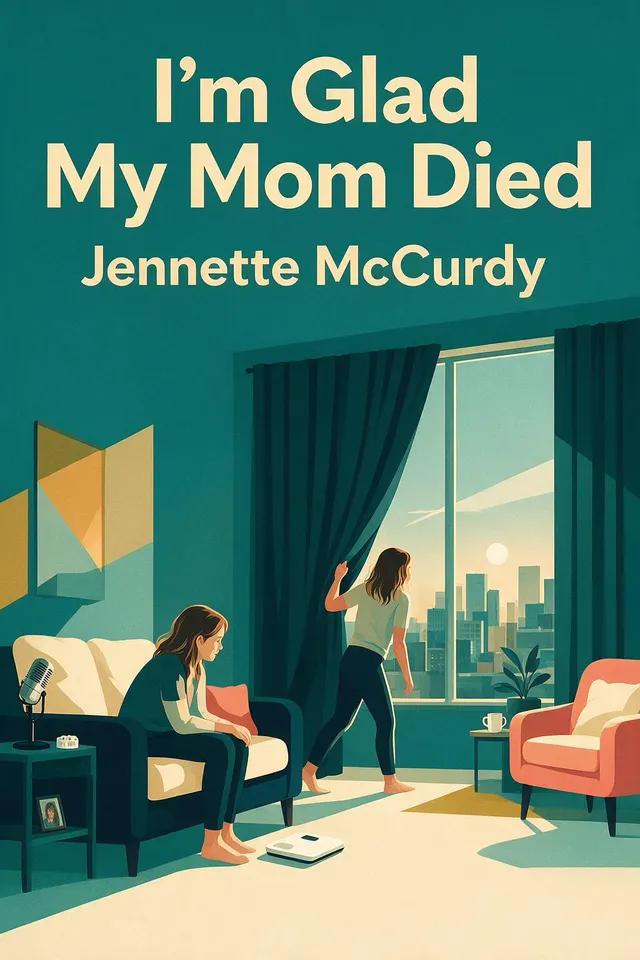
I'm Glad My Mom Died
Jennette McCurdy’s memoir examines how a childhood organized around her mother’s cancer, approval, and acting ambitions shaped performance, body control, fame, grief, and substance use. It asks what remains when pleasing a parent no longer supplies identity, and follows recovery as the difficult work of reclaiming agency while holding love and harm together.