Books worth understanding, not just finishing.
Explore 987 carefully structured book summaries. Discover the central ideas and themes, then decide what deserves a full read.
All book summaries
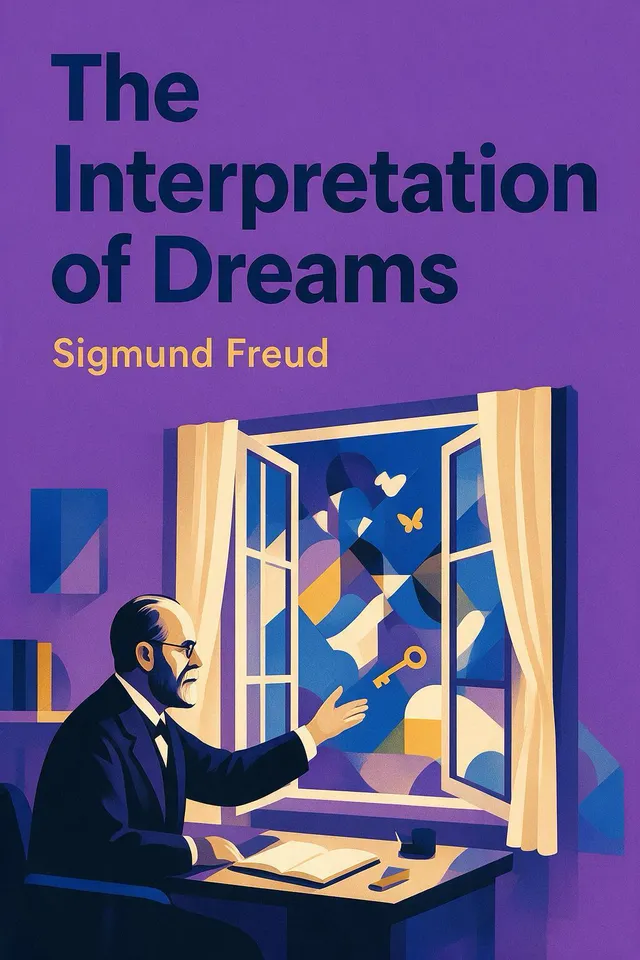
The Interpretation of Dreams
Freud asks what dreams mean and whether their baffling images are random. He treats them as disguised wish-fulfilments, tracing recent impressions, childhood memories, bodily sensations, and wordplay through censorship and dream-work. The result is a method for reading dreams as evidence about unconscious conflict and mental life.

The Invention of Nature
Andrea Wulf traces how Alexander von Humboldt formed a view of nature as a connected, changing whole by joining measurement, comparison, sensory experience, and imagination. The book follows that approach from South American fieldwork into political debate, evolutionary thought, ecology, art, and conservation, showing how human choices belong within the natural systems they alter.
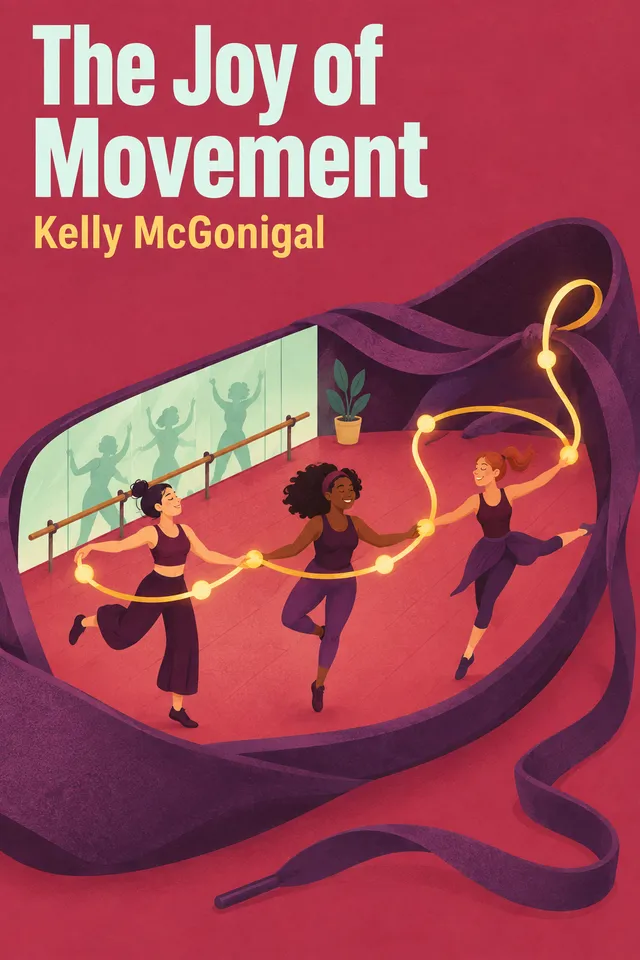
The Joy of Movement
Why can movement make life feel more rewarding, connected, and meaningful? Kelly McGonigal explores how sustained effort, shared rhythms, music, physical challenges, and nature influence emotion and belonging. The summary explains these mechanisms and offers ways to find personally meaningful movement, build confidence, and draw on support during hardship.
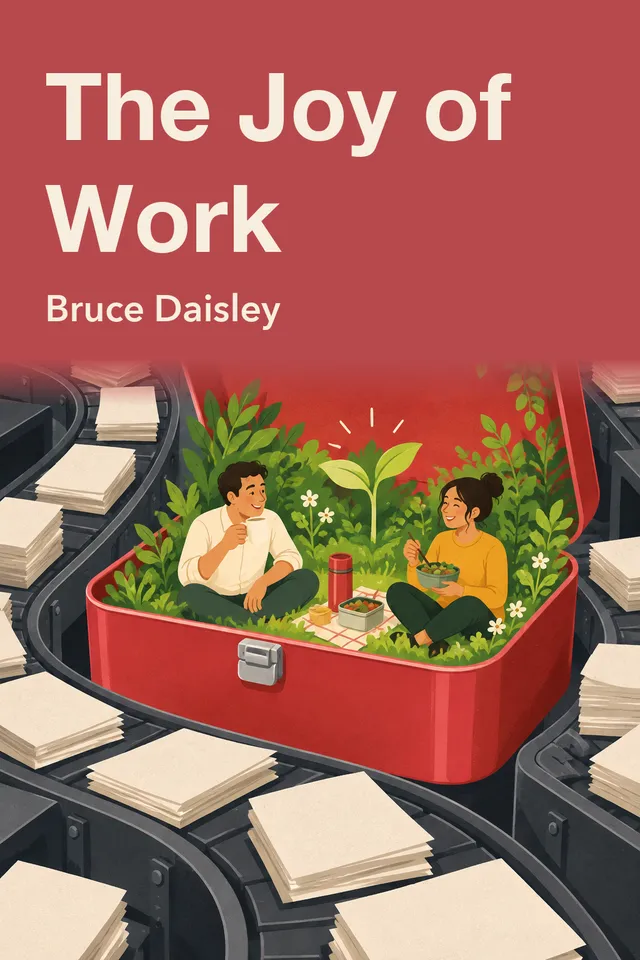
The Joy of Work
The Joy of Work asks how work can remain humane and effective amid pressure, distraction, and demands for creativity. It links personal recovery and focused attention with belonging, purpose, and psychologically safe teams, then develops practical changes to boundaries, breaks, meetings, management, and creative routines.

The Kite Runner
The Kite Runner follows Amir from a divided Kabul childhood through exile and a return that brings his hidden betrayal back into view. It asks whether guilt can become responsible care, and what forgiveness cannot restore, tracing how loyalty, class, ethnicity, family secrecy, and trauma shape attempts at repair.
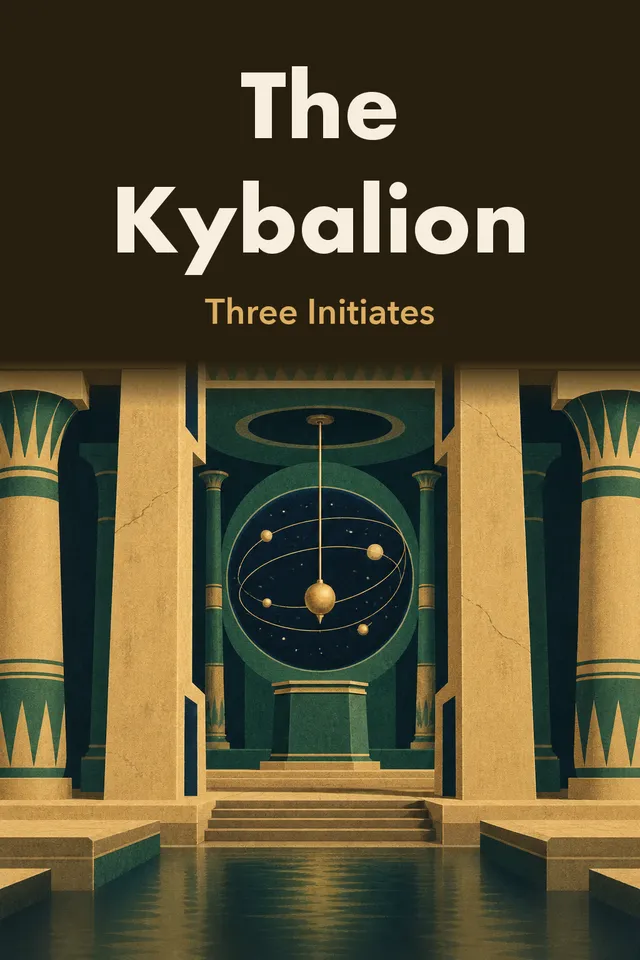
The Kybalion
The Kybalion lays out seven Hermetic principles and asks how mind, change, and universal law shape lived experience. It traces a mental account of creation into practices for transforming mental states, managing emotional swings, and acting with greater agency, while explaining why spiritual mastery does not mean denying ordinary reality.
The Languages of Leadership
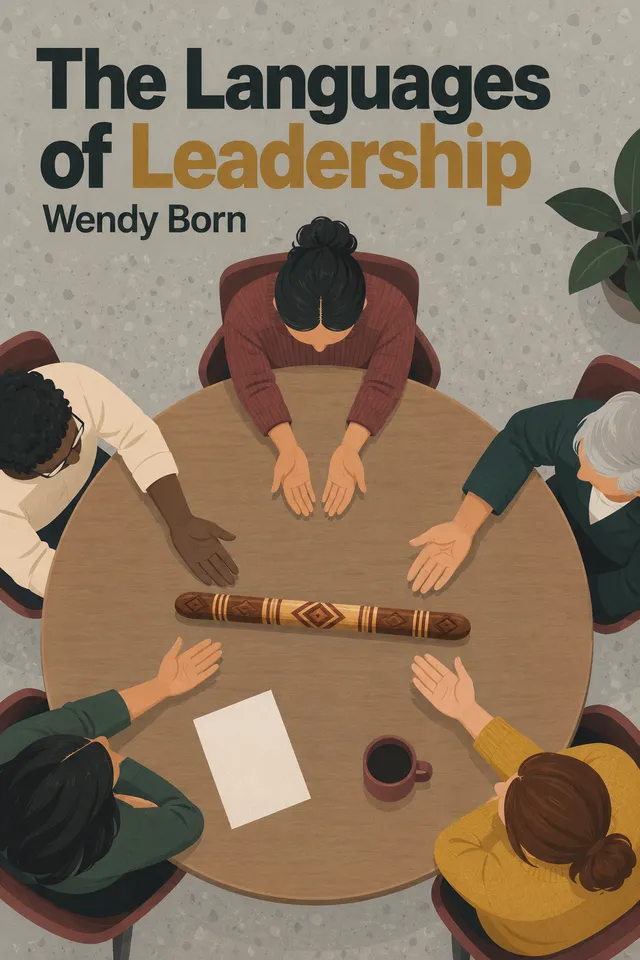
The Languages of Leadership asks how leaders can shape influence when they cannot control other people. Wendy Born presents six ways of acting—courage, strength, engineering situations, sharing power, building trust, and showing vulnerability—and explains how reflection and situational balance can improve collaboration, accountability, and relationships.
The Last Lecture
The Last Lecture follows Randy Pausch as terminal illness turns time, parenting, and legacy into urgent questions: how can someone keep living well while preparing loved ones for absence? Through stories about dreams, feedback, work, marriage, caregiving, and gratitude, it asks how daily conduct can become a durable inheritance.
The Law of Attraction
Esther and Jerry Hicks present Abraham’s account of how attention, emotion, belief, and expectation shape experience. The book asks how people can create more deliberately while allowing others to choose for themselves. It offers visualization, gradual thought-bridging, and segment-intending practices within the authors’ spiritual framework.
The Law of Success
How can ambition become sustained, useful achievement? Napoleon Hill connects definite purpose with disciplined habits, imaginative planning, cooperation, and ethical service. This summary explains his practical exercises and business examples while distinguishing actionable methods from speculative claims about thought, influence, and success.
The Laws of Human Nature
Why do people react irrationally, envy one another, follow groups, misuse power, and mistake their own motives? Robert Greene’s study maps recurring forces from narcissism and desire to aggression, purpose, generational influence, and death, offering a framework for reading behavior, cultivating self-command, and acting with greater perspective.
The Leader Lab
How can managers turn everyday interactions into better leadership? Tania Luna and LeeAnn Renninger present small, learnable behaviors and practical frameworks for coaching, feedback, productivity, engagement, decisions, and change. Their approach makes the workplace a laboratory for developing both people and managerial judgment through practice and reflection.
The Leader's Guide to Unconscious Bias
Pamela Fuller and Mark Murphy, with Anne Chow, examine how unconscious bias shapes judgment, belonging, and workplace opportunity. The book asks how leaders can notice assumptions and respond constructively, offering individual practices and changes to hiring, engagement, and advancement.
The Lean Startup
The Lean Startup asks how people can build new products and organizations when customers, markets, and outcomes are uncertain. It presents a disciplined cycle of hypotheses, small experiments, customer evidence, metrics, and pivots, giving readers a way to separate useful learning from waste and sustain innovation as organizations grow.
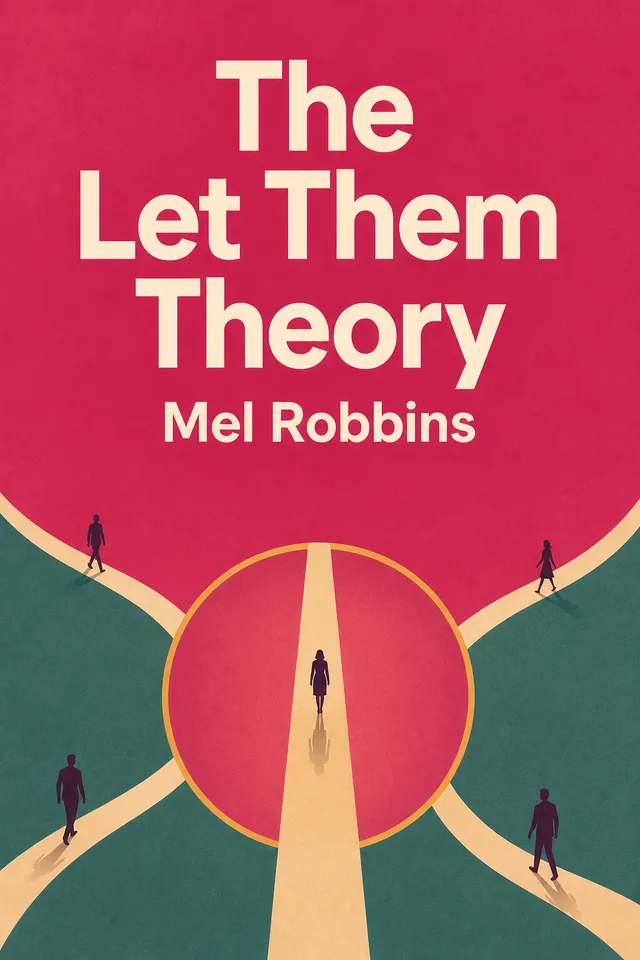
The Let Them Theory
The Let Them Theory asks how to stop losing energy to other people’s choices, opinions, and emotions. Mel Robbins pairs acceptance with deliberate self-direction, then applies the framework to stress, comparison, friendship, influence, healing, dating, and love so readers can make clearer boundaries and choices.

The Life-Changing Magic of Tidying Up
Marie Kondō’s method asks which possessions support the life you want and how your home can reflect that choice. This summary follows her discard-first, category-based process—from visualizing an ideal lifestyle and keeping what sparks joy to simple storage—and examines how sorting can clarify values and redirect attention toward meaningful work.

The Light Eaters
How do plants sense, signal, remember, learn, and adapt without animal-style brains—and what should those abilities mean to us? This account follows evidence from electrical and acoustic responses to mimicry, social life, and inherited plasticity, while marking where explanations remain contested and how a relational view can inform ecological and ethical choices.
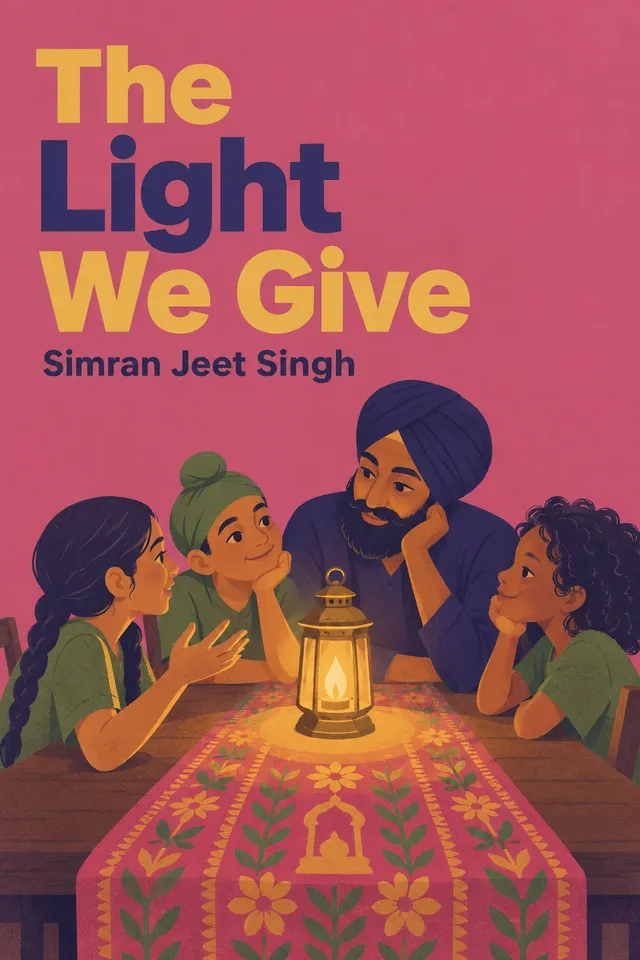
The Light We Give
Simran Jeet Singh traces how growing up visibly Sikh amid racism led him to reconsider how to respond to exclusion and how Sikh teachings might guide a life of justice. He develops practices of emotional honesty, gratitude, empathy across difference, love, values alignment, and seva, while preserving a central limit: compassion does not erase harm or replace accountability.