Books worth understanding, not just finishing.
Explore 987 carefully structured book summaries. Discover the central ideas and themes, then decide what deserves a full read.
All book summaries
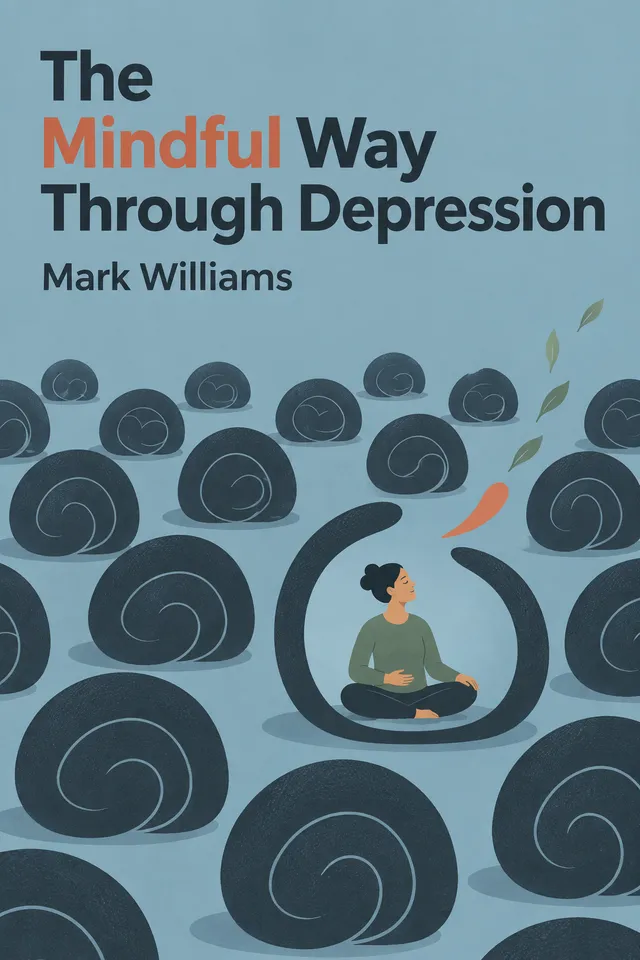
The Mindful Way Through Depression
Why can trying to think your way out of low mood deepen it? This summary explains how rumination, bodily tension, and withdrawal reinforce depression, and how mindfulness changes those patterns. It follows practical exercises in attention, emotional awareness, and deliberate action, preserving the book’s cautions about clinical depression and individual differences.

The Miracle Morning
Hal Elrod’s The Miracle Morning asks how deliberately using the first part of the day can help a person move toward a fuller, self-defined life. This summary explains the six S.A.V.E.R.S. practices, a snooze-proof waking sequence, flexible formats, and the 30-day process for turning intention into habit.
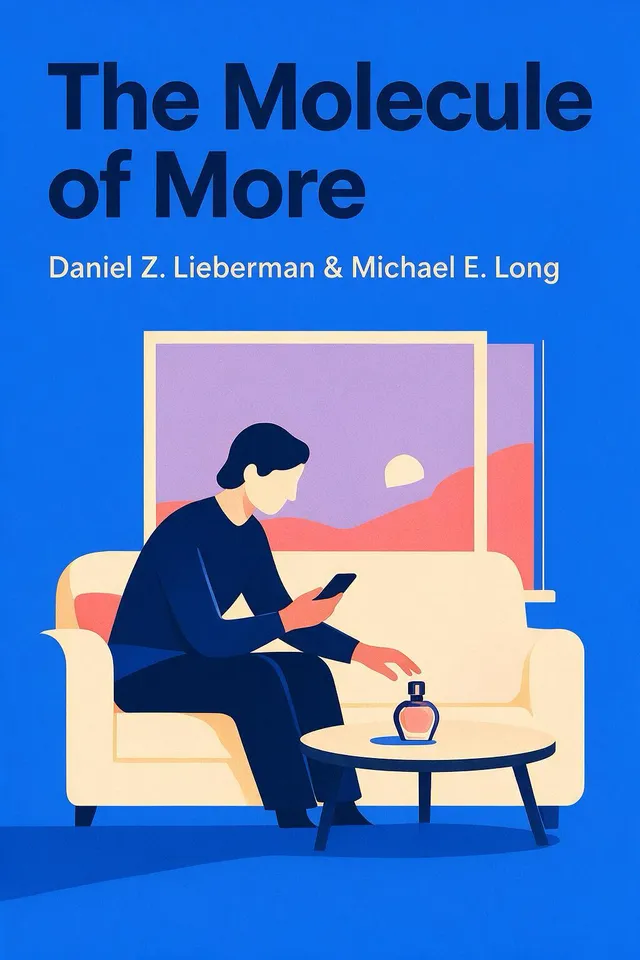
The Molecule of More
The book asks why humans keep pursuing what is absent, novel, or not yet possessed—even after getting what they wanted. It presents dopamine as a future-oriented engine of desire, control, creativity, and progress, then examines how attention, relationships, and embodied presence can restore satisfaction and balance.

The Monk Who Sold His Ferrari
How can a life built on status and wealth become purposeful, healthy, and awake? Through Julian Mantle’s collapse, journey to the Sages of Sivana, and study of seven virtues, this summary follows a practical-spiritual program of mind training, goals, self-mastery, disciplined time, service, relationships, and present-moment living.

The More of Less
What could owning less make room for? Joshua Becker explores how possessions compete with relationships, purpose, and generosity. This summary explains the motives behind accumulation and practical ways to declutter, test what is enough, navigate family differences, and use recovered time and money more intentionally.
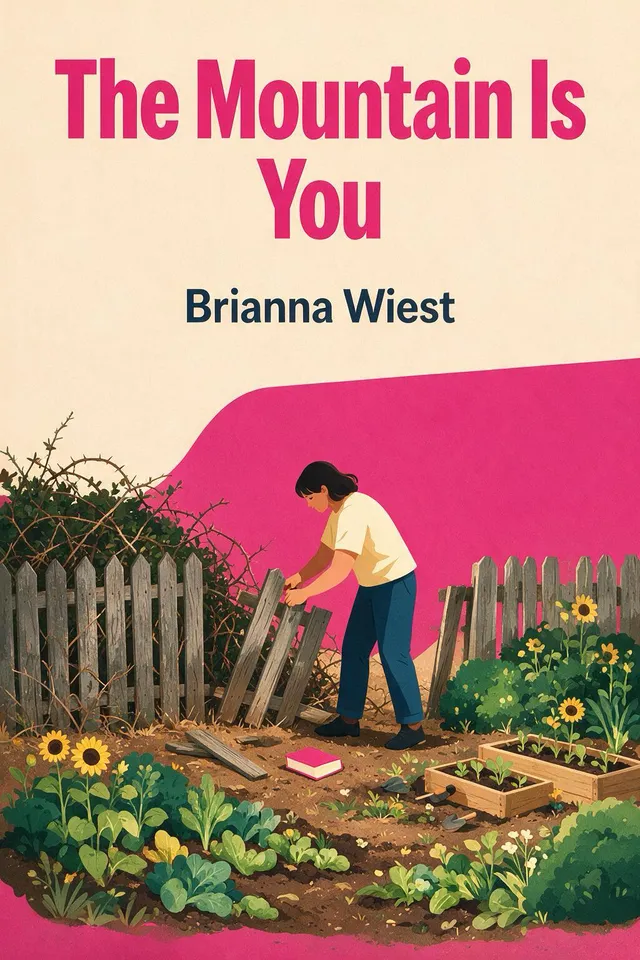
The Mountain Is You
Why do people repeat patterns they consciously want to change? The book frames self-sabotage as protection for hidden needs, familiar identities, and unprocessed emotion, then connects emotional awareness, restored safety, self-concept, and repeated practice to building a more deliberate life.

The Myth of Normal
The Myth of Normal asks how a culture can make illness, disconnection, and self-suppression appear ordinary. Gabor Maté links trauma, development, relationships, social power, and bodymind health, then explores authenticity, agency, compassion, and collective reform as paths toward healing.

The Myth of Sisyphus
Why does life feel empty when human beings demand meaning from an uncomprehending world? Camus examines suicide, philosophical escape, revolt, freedom, passion, love, action, art, and Sisyphus to argue that lucid attention to mortality can become a way of living—and even a source of defiant happiness.
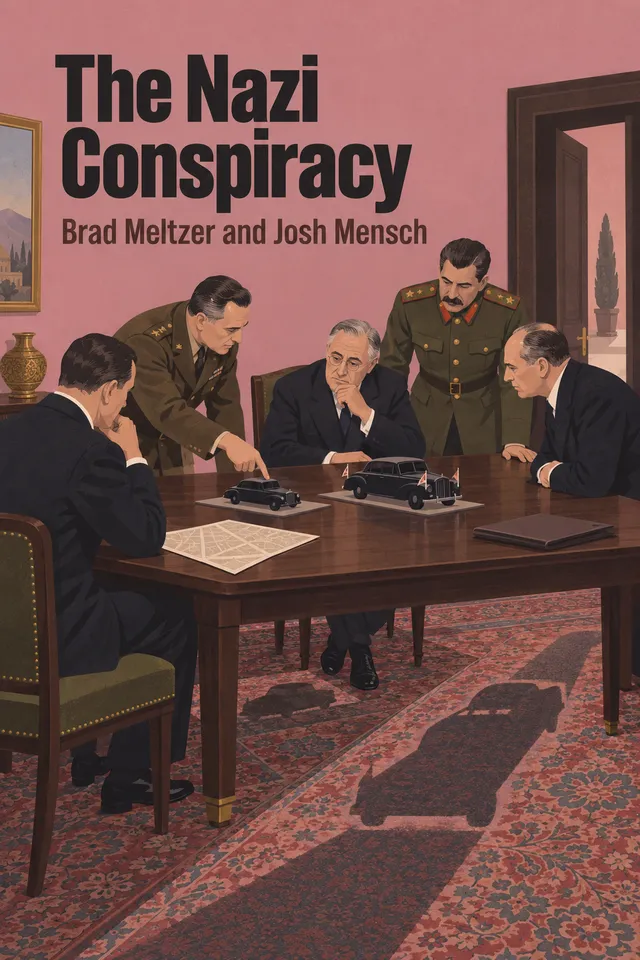
The Nazi Conspiracy
How did Roosevelt, Churchill, and Stalin hold their alliance together while confronting a reported Nazi assassination threat at Tehran? This account connects wartime diplomacy, espionage, and Nazi violence, while examining what conflicting evidence can—and cannot—establish about the plot.

The Neuroscience of You
The Neuroscience of You asks why people can experience the same world differently. It traces how brain structure, chemistry, timing, learning, attention, memory, curiosity, and social modeling interact with experience. Its value is a non-ranking framework for understanding tradeoffs, behavior, and connection.
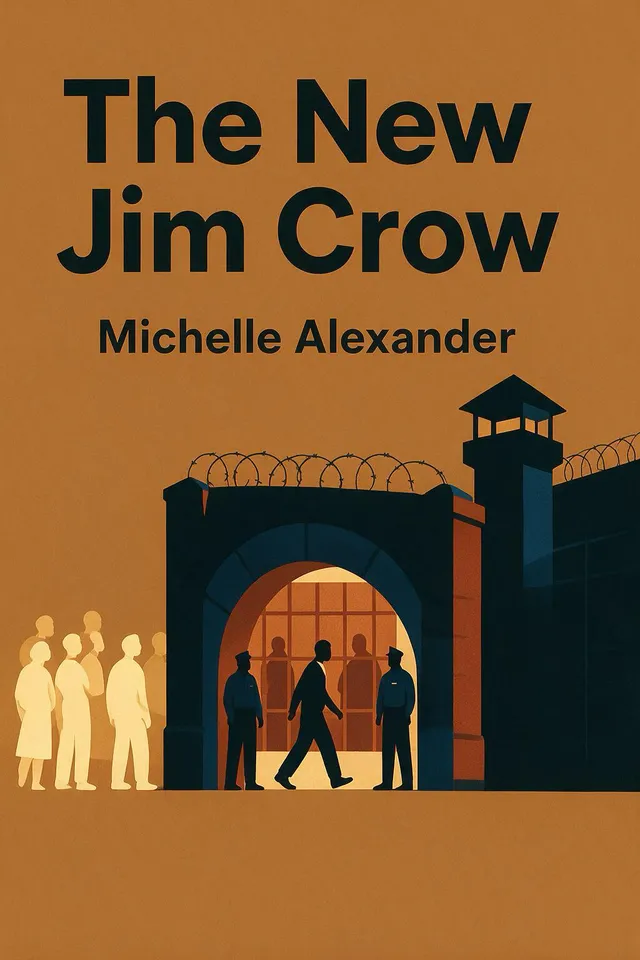
The New Jim Crow
Michelle Alexander asks how a formally colorblind criminal-justice system can reproduce racial caste. The book traces the history, politics, enforcement machinery, legal doctrines, and post-release penalties that make mass incarceration durable, then argues that understanding this chain is necessary for a race-conscious, interracial human-rights movement.
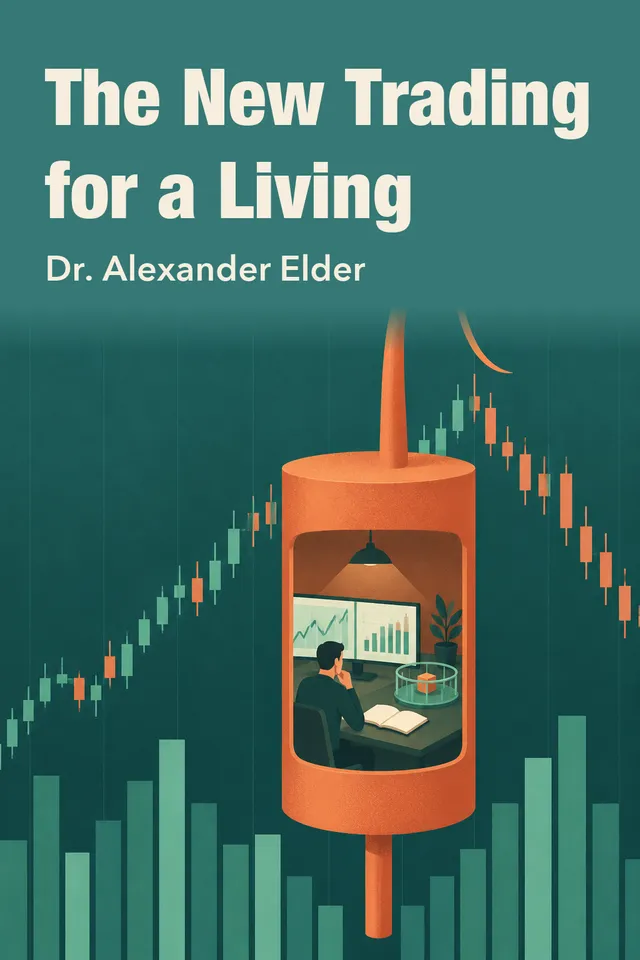
The New Trading for a Living
The book asks how traders can read uncertain markets without being ruled by emotion or undone by risk. Elder connects crowd psychology and chart analysis with indicators, multi-timeframe systems, instrument choice, position sizing, stops, and review practices, offering a framework for making, managing, and learning from trades.
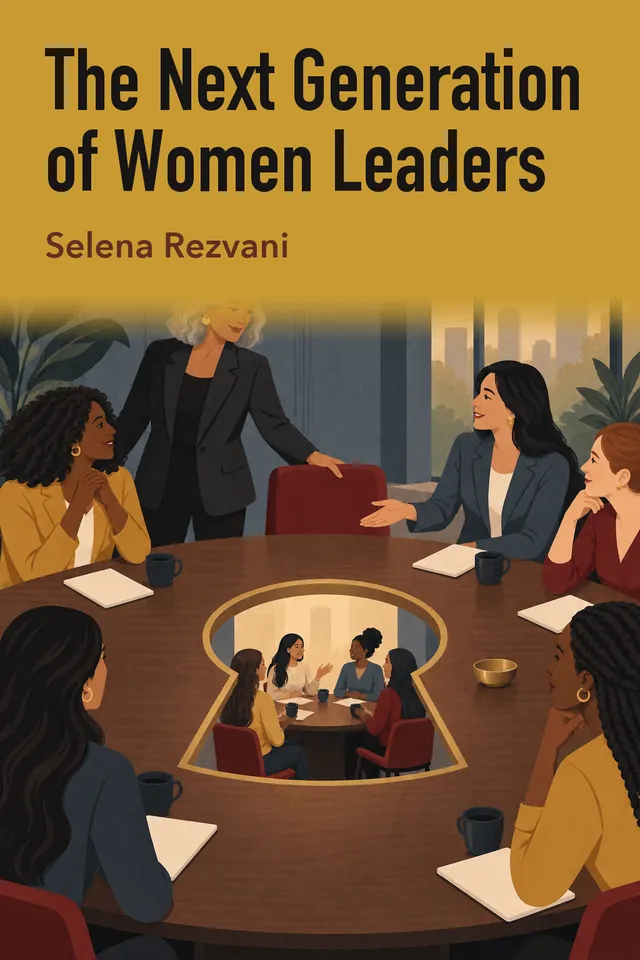
The Next Generation of Women Leaders
Why do capable women still encounter barriers to leadership, and how can they build careers with greater agency? Drawing on interviews with senior women, Selena Rezvani examines social and psychological obstacles and offers practical methods for choosing work, demonstrating value, building relationships, negotiating, navigating workplace politics, integrating work and life, and shaping a long-term career.

The Next Millionaire Next Door
Thomas J. Stanley uses millionaire surveys and household stories to ask why some people turn earnings into lasting wealth while others with high incomes do not. The book examines family habits, spending, careers, business ownership, and investing, offering practical ways to pursue financial independence while clarifying the limits of its evidence.

The Not To Do List
Which habits reliably make life worse, and what changes when we stop them? Rolf Dobelli uses inversion to examine work, money, relationships, and emotional life. This summary connects his warnings into practical ways to protect attention, build trust, judge risks, and avoid preventable misery.
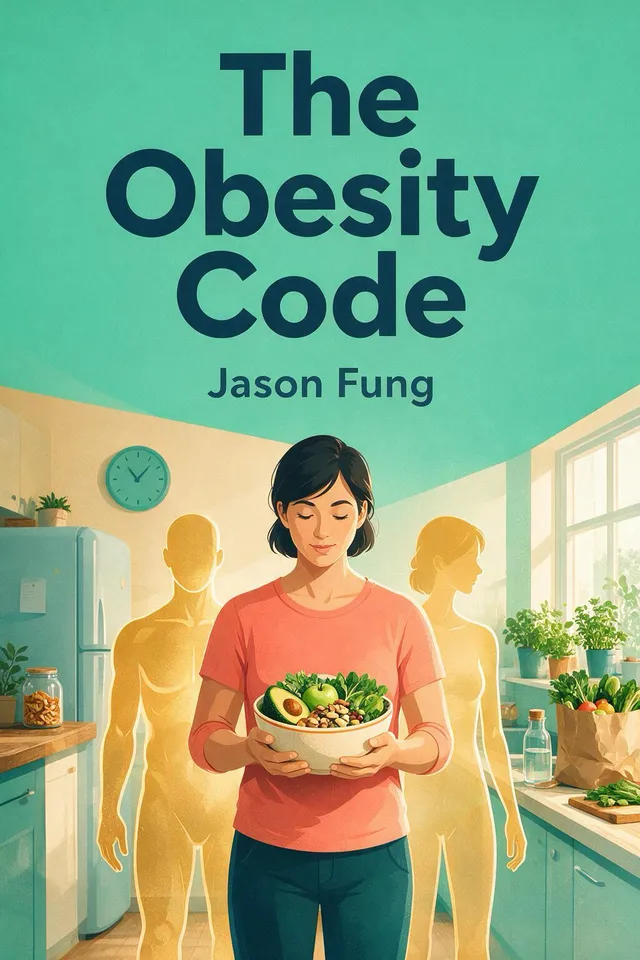
The Obesity Code
The Obesity Code asks why obesity persists despite calorie restriction and exercise advice. It presents obesity as a multifactorial, hormonally regulated problem centered on insulin and insulin resistance, then connects food processing, stress, sleep, and meal timing to weight regulation. The final framework covers whole-food choices, fasting, and practical qualifications.
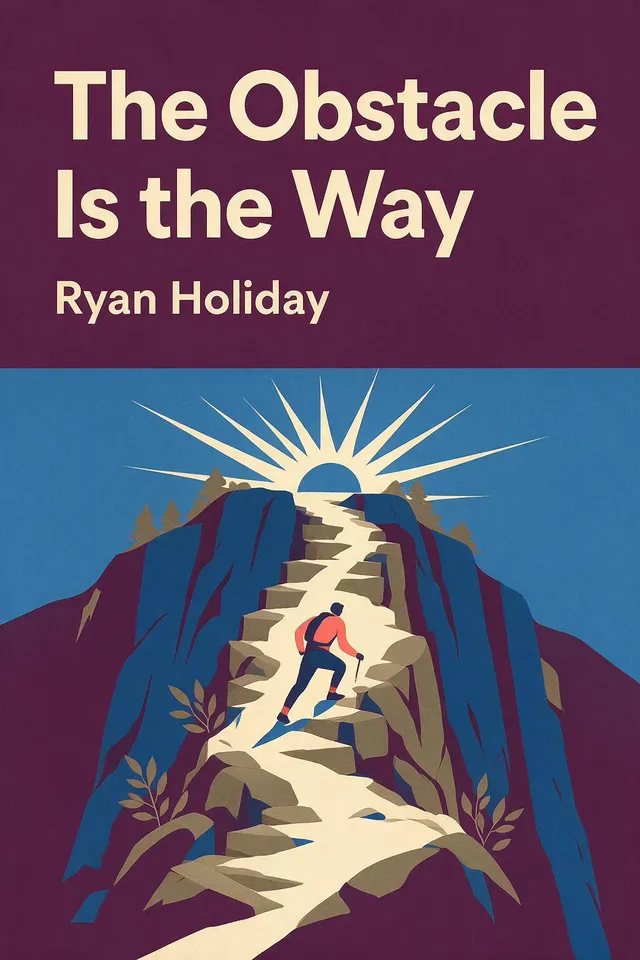
The Obstacle Is the Way
Ryan Holiday’s practical synthesis of Stoic ideas asks how an obstacle can become a route forward rather than a dead end. It explains how clear perception, deliberate action, and resilient acceptance help people find leverage, learn from setbacks, and keep serving a larger purpose under pressure.
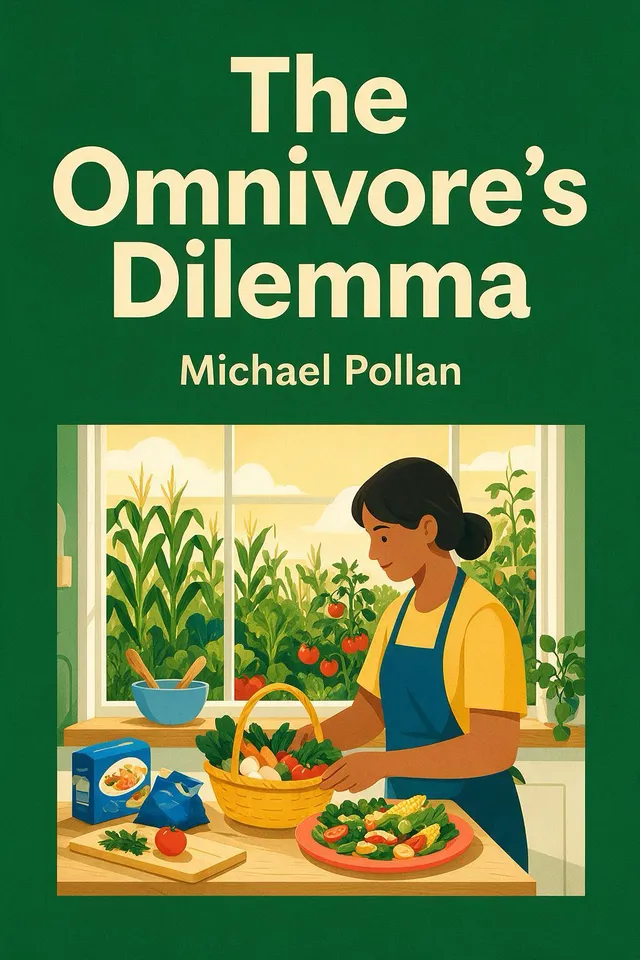
The Omnivore's Dilemma
Michael Pollan follows food from cornfields and feedlots through processing, organic and local farms, hunting, gathering, and a shared meal. He asks why abundance can make eating more confusing, then examines how provenance, ecological costs, animal lives, culture, and personal choices shape a more responsible—and more pleasurable—way to eat.