History Through Unlikely Lenses
Discover larger historical changes through salt, drinks, a shipwreck, a world's fair, aviation, and the remaking of a city.
Books in this collection
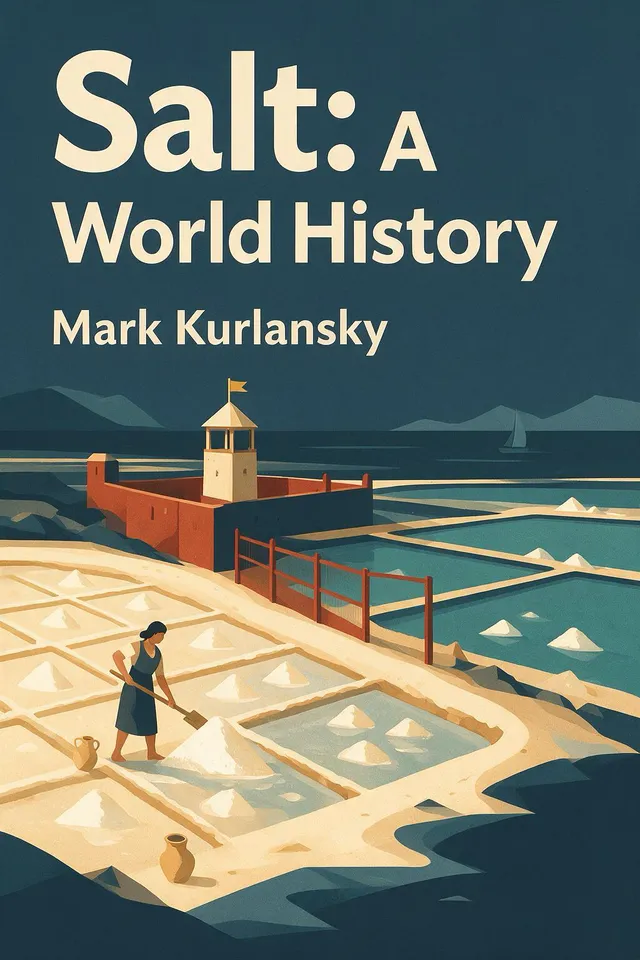
Salt: A World History
Salt: A World History traces how a mineral essential to bodies and food preservation became infrastructure for commerce, taxation, empire, war, science, and cuisine. It asks why control of salt repeatedly creates power and conflict, and shows how technology, resistance, and changing tastes reshape that relationship.
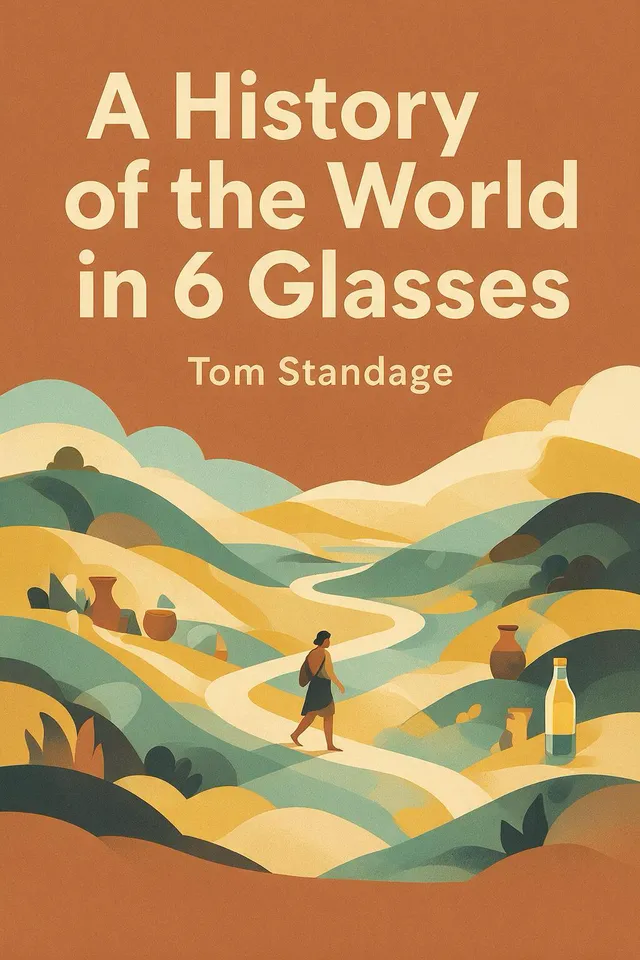
A History of the World in 6 Glasses
Tom Standage uses beer, wine, spirits, coffee, tea, and Coca-Cola to ask how ordinary drinks shaped settlement, states, empires, revolutions, industry, and globalization. The approach turns broad history into a practical lens for seeing how nourishment, ritual, trade, technology, and markets become social and political forces.
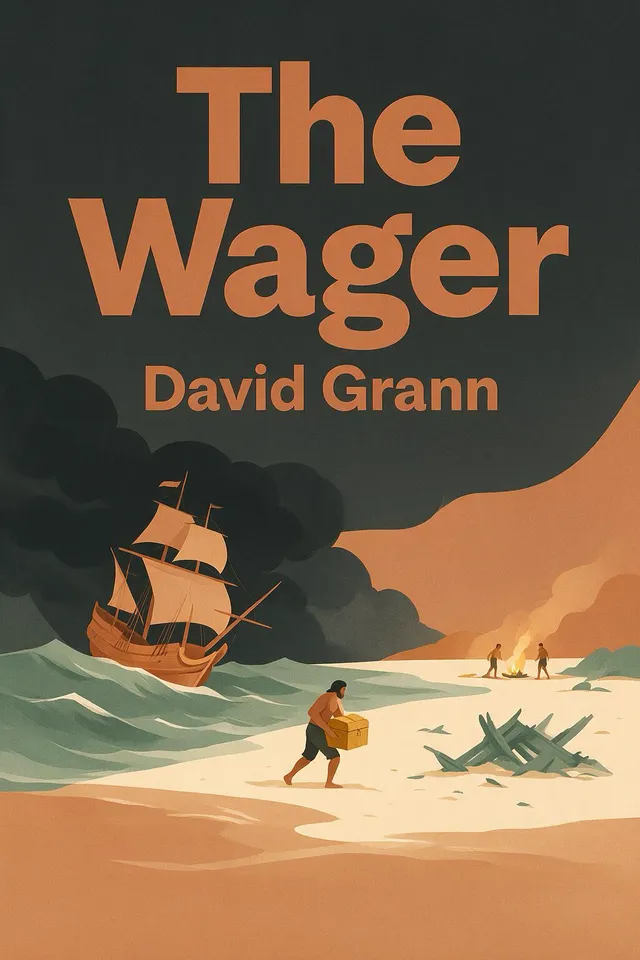
The Wager
David Grann reconstructs HMS Wager’s secret British mission to seize a Spanish treasure galleon and the catastrophe that follows: disease, storms, shipwreck, starvation, mutiny, captivity, and competing accounts. The central question is how survival and imperial authority shape who is remembered as a hero, a mutineer, or a civilized officer.
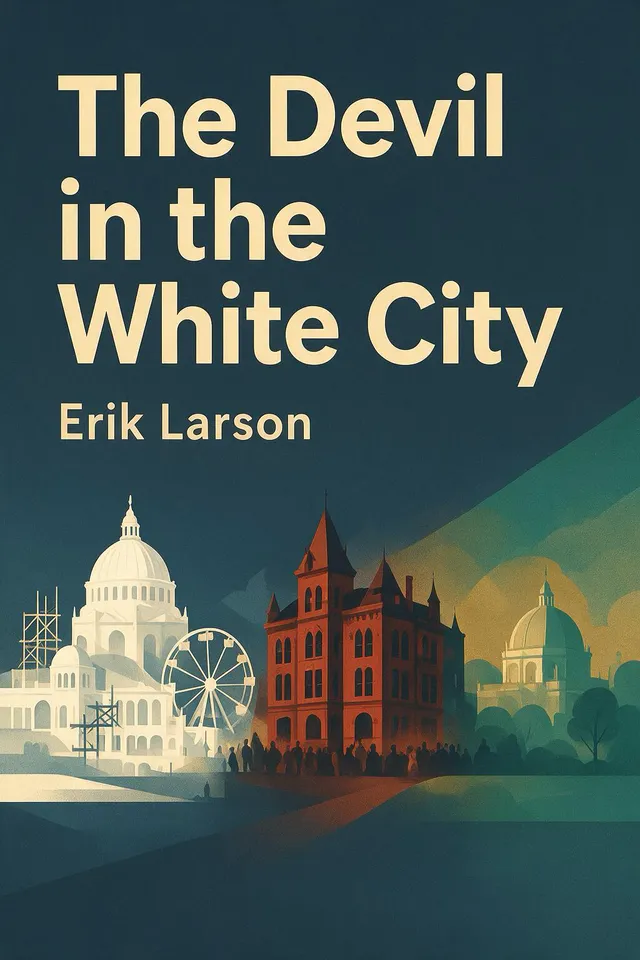
The Devil in the White City
Erik Larson’s history follows architect Daniel Burnham and murderer H. H. Holmes through Chicago’s creation of the 1893 World’s Columbian Exposition. It asks how a city can stage beauty, order, and progress while anonymity, exploitation, and violence persist beneath the spectacle—and what survives when the dream disappears.
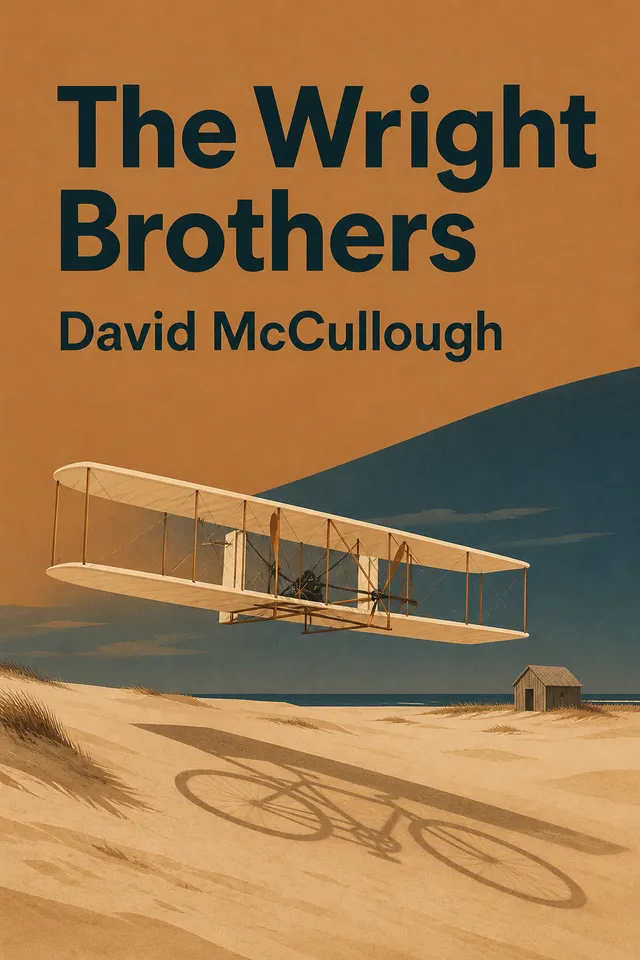
The Wright Brothers
David McCullough’s biography follows Wilbur and Orville Wright from a close, self-educating family and bicycle workshop to controlled flight, public proof, and a contested legacy. It asks how patient measurement, practical skill, and partnership overcame failed theories—and how invention changes when recognition, commerce, injury, and war reshape its meaning.
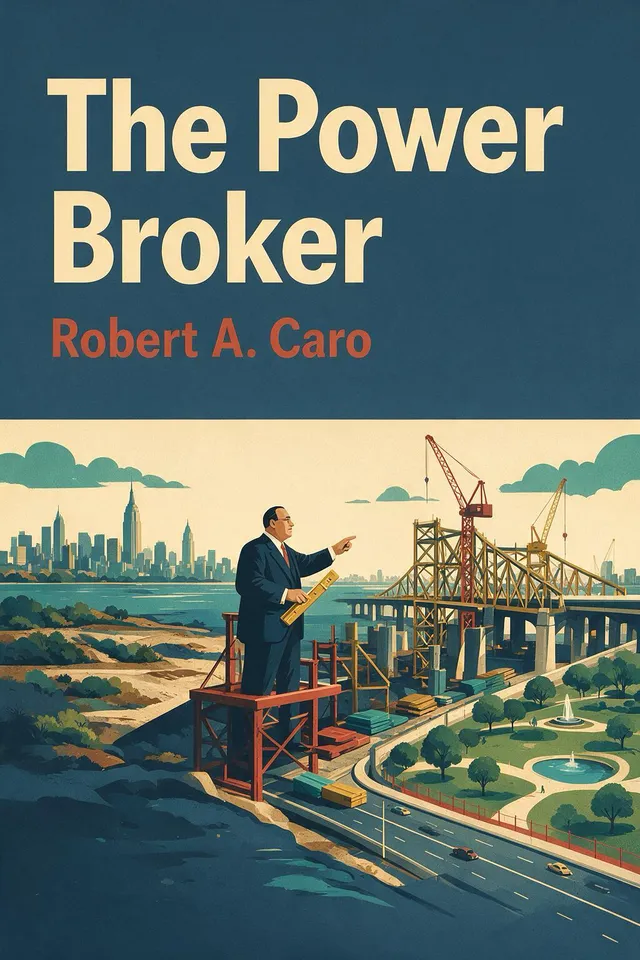
The Power Broker
How did Robert Moses, an unelected reformer, gain the authority to remake New York—and what did that authority cost? This concise account follows the machinery behind his parks, roads, public authorities, and urban renewal, weighing durable public works against displacement, exclusion, traffic, and weakened democratic oversight.