Books worth understanding, not just finishing.
Explore 987 carefully structured book summaries. Discover the central ideas and themes, then decide what deserves a full read.
All book summaries
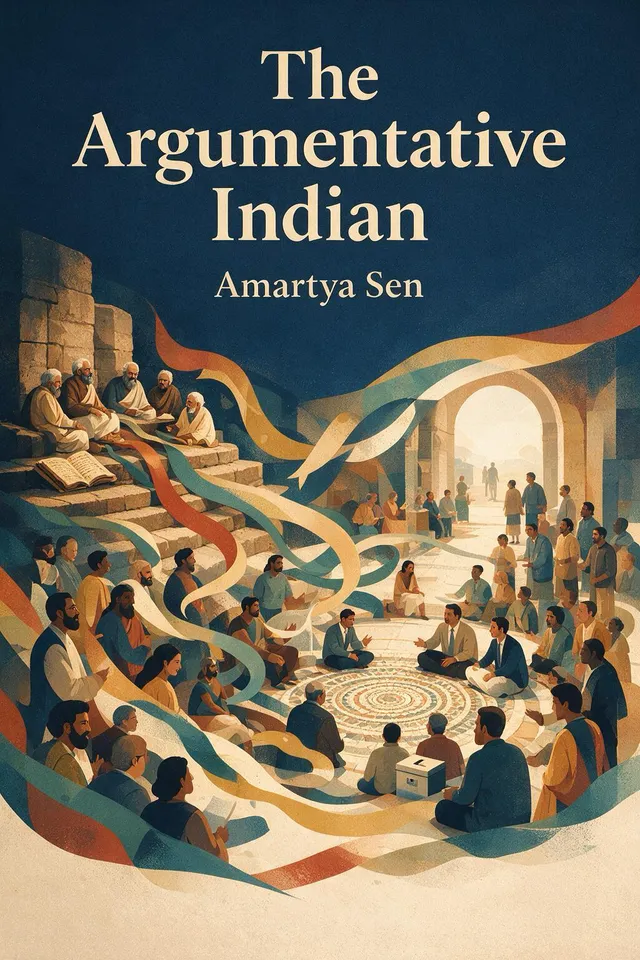
The Argumentative Indian
Amartya Sen examines how India’s traditions of debate, skepticism, and cultural exchange shape its democracy, secularism, identity, and development. The book asks whether a plural society can resist sectarian history, inequality, nuclear nationalism, and global stereotypes—and shows why public reasoning, agency, and evidence matter for collective choices.
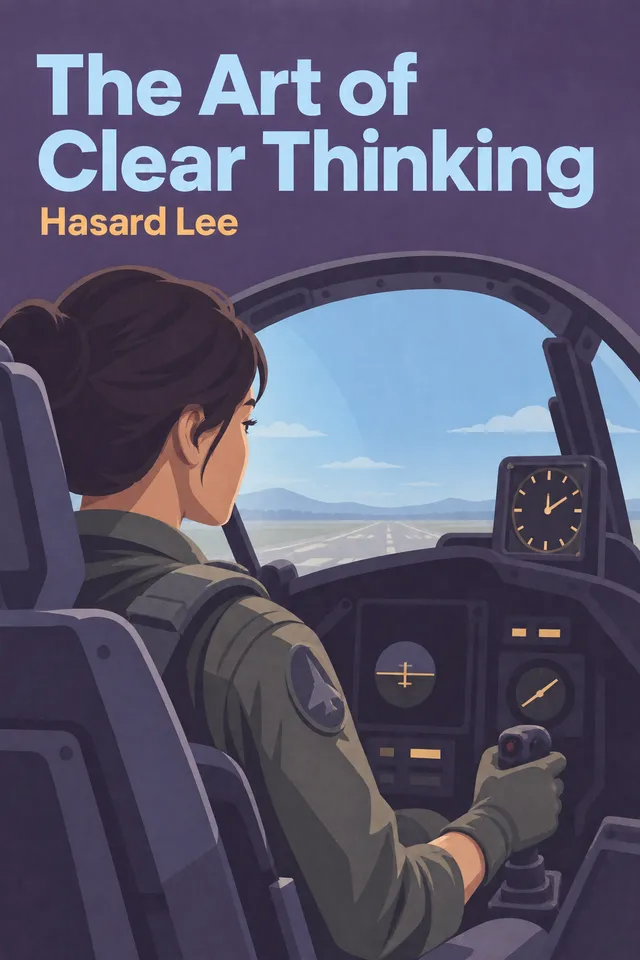
The Art of Clear Thinking
Hasard Lee examines how to make decisions when information is incomplete and pressure is high. He develops a cycle of assessing, choosing, acting, and adapting, then shows how nonlinear effects, practice, forecasting, creativity, stress management, and prioritization shape judgment. The examples connect fighter-pilot experience to choices in other fields.
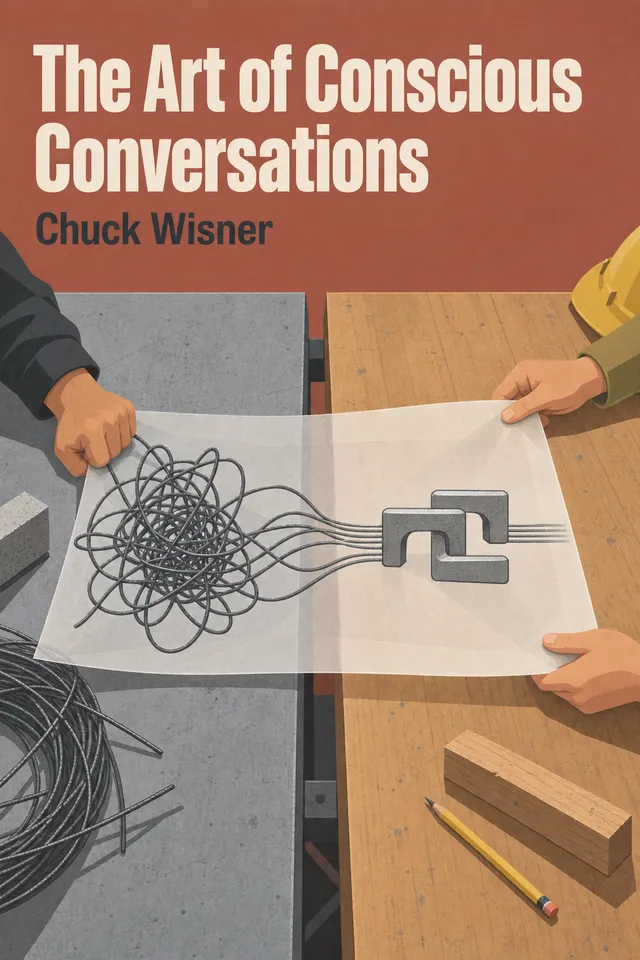
The Art of Conscious Conversations
The Art of Conscious Conversations asks how people can speak, listen, and make agreements without being ruled by untested stories. Chuck Wisner maps four modes—storytelling, collaborative, creative, and commitment conversations—and offers practices for separating facts from interpretations, listening with curiosity, exploring possibilities, clarifying promises, and repairing trust.
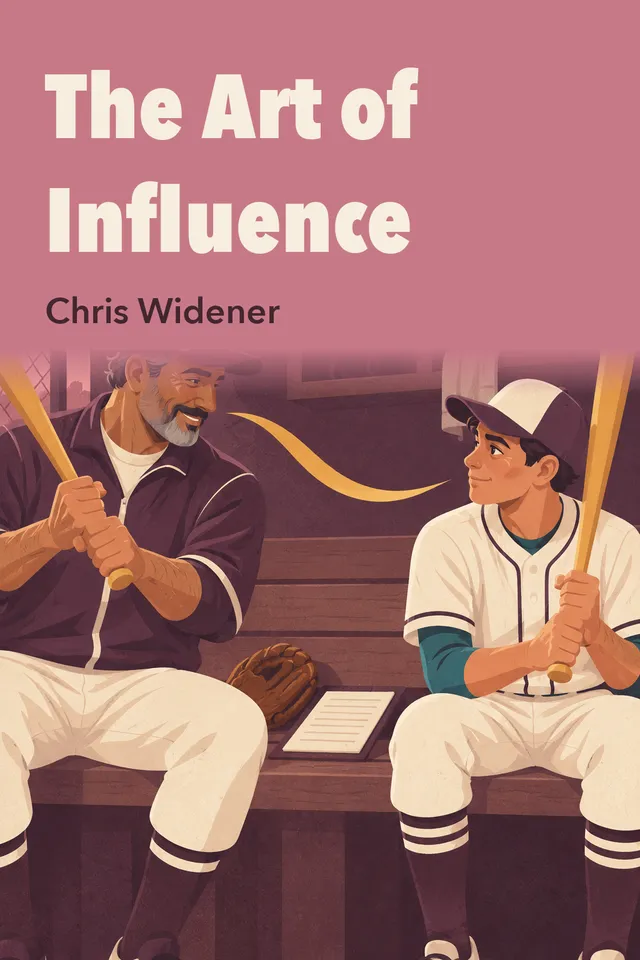
The Art of Influence
What makes people willing to trust, follow, or buy from someone? Through a fictional business mentorship, Chris Widener connects influence with character and competence. The summary explores how integrity, optimism, genuine interest in others, and everyday excellence can shape relationships, leadership, and the responsible use of success.
The Art of Laziness
The Art of Laziness asks how people can stop postponing meaningful work and build a productive life without sacrificing health or relationships. It connects personal responsibility and purposeful priorities with focused routines, patience, delegation, and small habit systems, offering ways to start, persist, and protect time for what matters.
The Art of Letting Go
The book asks how to release unhelpful thoughts, expectations, and resentment while still acting where action is possible. It offers practices for sorting controllable choices from uncertain outcomes, changing self-talk, navigating change, setting boundaries, and using forgiveness and perspective-taking to support healing without excusing harm or requiring reconciliation.
The Art of Living
The Art of Living recasts Stoic teaching as a practical question: what can a person govern when events, loss, status, and other people remain outside control? Its answer links clear judgment, disciplined desire, virtue, and humane duty to a steadier, freer way of acting in ordinary life.
The Art of Public Speaking
Dale Carnegie’s The Art of Public Speaking asks how a speaker can turn knowledge and conviction into clear, memorable influence. It connects preparation, vocal and physical practice, speech design, explanation, storytelling, argument, and audience awareness, using exercises and model addresses to show how those skills work and where persuasion calls for judgment.

The Art of Rest
Claudia Hammond asks what makes rest restorative, why it matters, and how people can find forms that fit their needs. Drawing on the Rest Test and research, she examines mindfulness, television, daydreaming, bathing, walking, pauses, music, solitude, nature, and reading, weighing how each may help and where its effects vary.
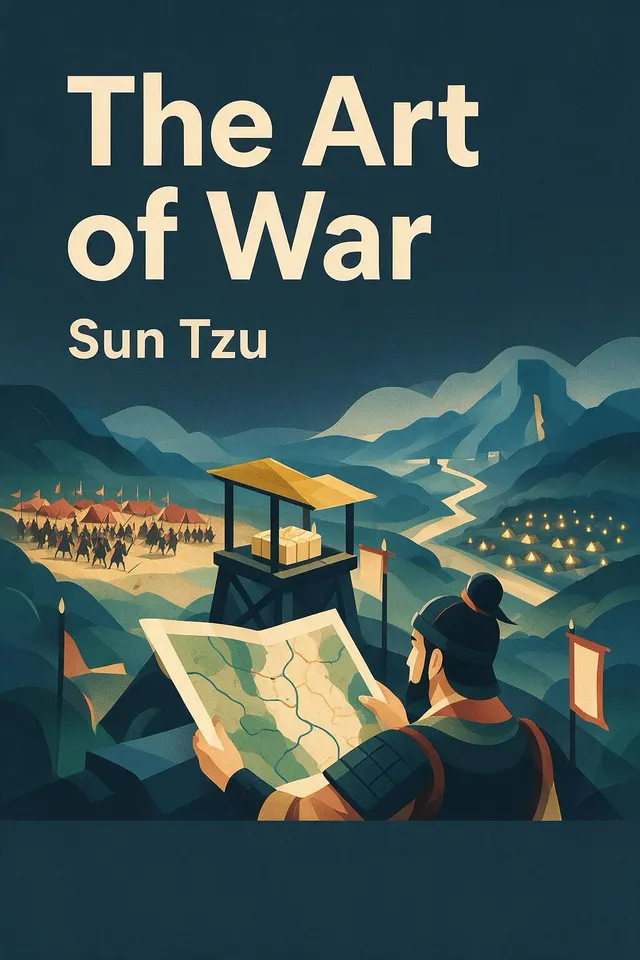
The Art of War
Sun Tzu’s The Art of War asks how a state can prevail without letting conflict consume its strength. Its answer connects comparative calculation, deception, logistics, terrain, morale, adaptive command, and human intelligence, offering a compact way to decide when to avoid battle, shape an opponent, and act decisively.
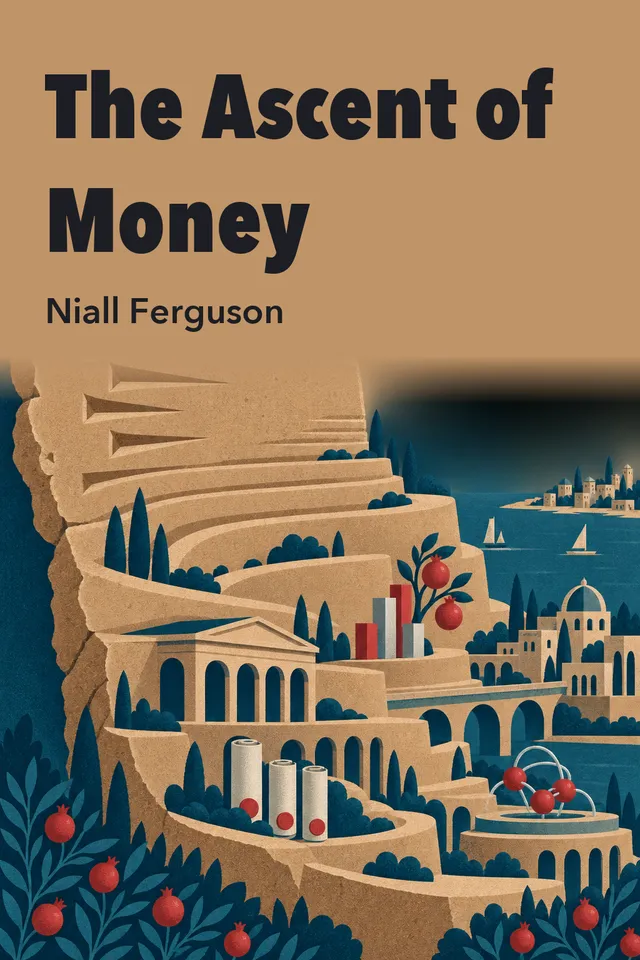
The Ascent of Money
How did money become a force that builds societies and also makes them vulnerable? Niall Ferguson traces the history of credit, banks, bonds, shares, insurance, property, and global capital, showing how financial systems widen opportunity while shifting risk and power. The account helps listeners read debt, financial shocks, and the limits of prediction.
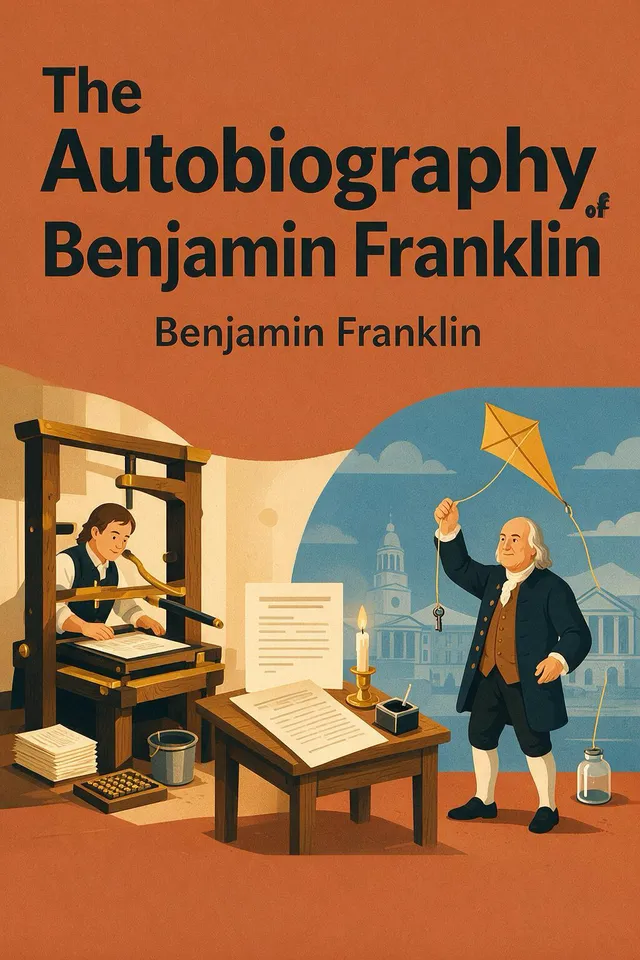
The Autobiography of Benjamin Franklin
Benjamin Franklin’s unfinished, retrospective autobiography asks how a poor printer can become a trusted, useful public figure. It follows self-education, disciplined habits, work, science, institution-building, and political conflict, while admitting vanity, dependence, error, and disputed judgment. Its value is a practical theory of self-improvement tested against the complications of civic life.
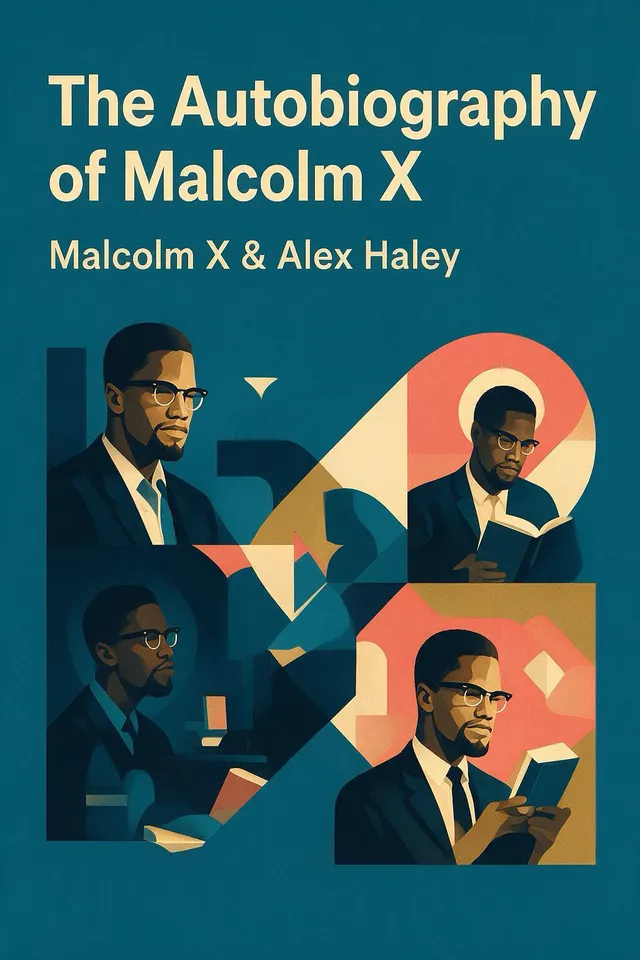
The Autobiography of Malcolm X
Malcolm X’s autobiography asks how a life shaped by racial terror, poverty, crime, prison, and religious discipline can become a program for Black dignity and political action. It traces how self-education, Islam, Mecca, and African encounters repeatedly revise his understanding of identity, liberation, and human solidarity.
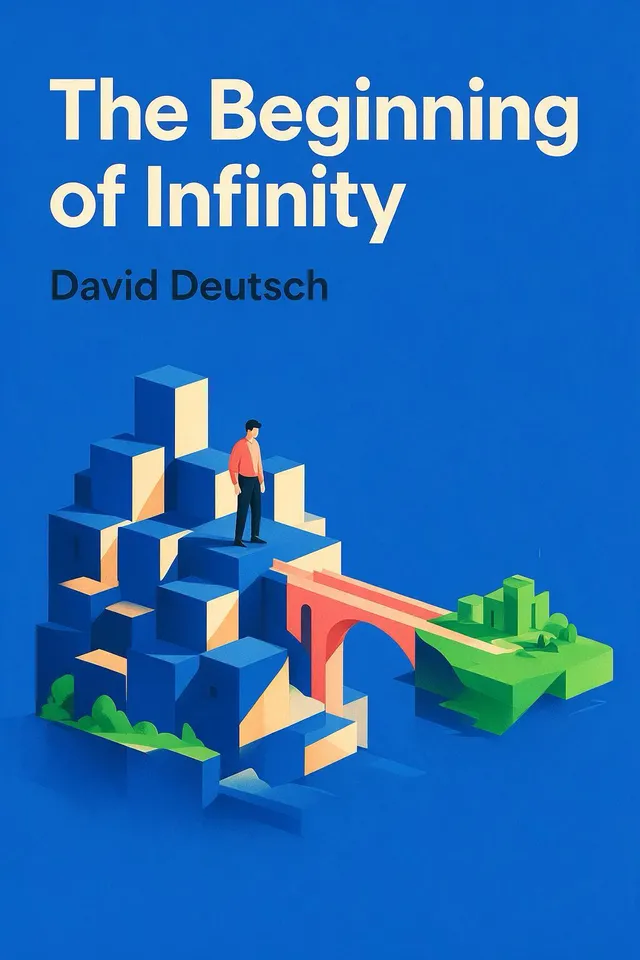
The Beginning of Infinity
David Deutsch argues that open-ended progress begins with good explanations: ideas that withstand criticism, reach beyond immediate experience, and enable new creation. The book asks why humans can solve problems, build universal systems, form institutions, and extend knowledge indefinitely—and what keeps that possibility alive.
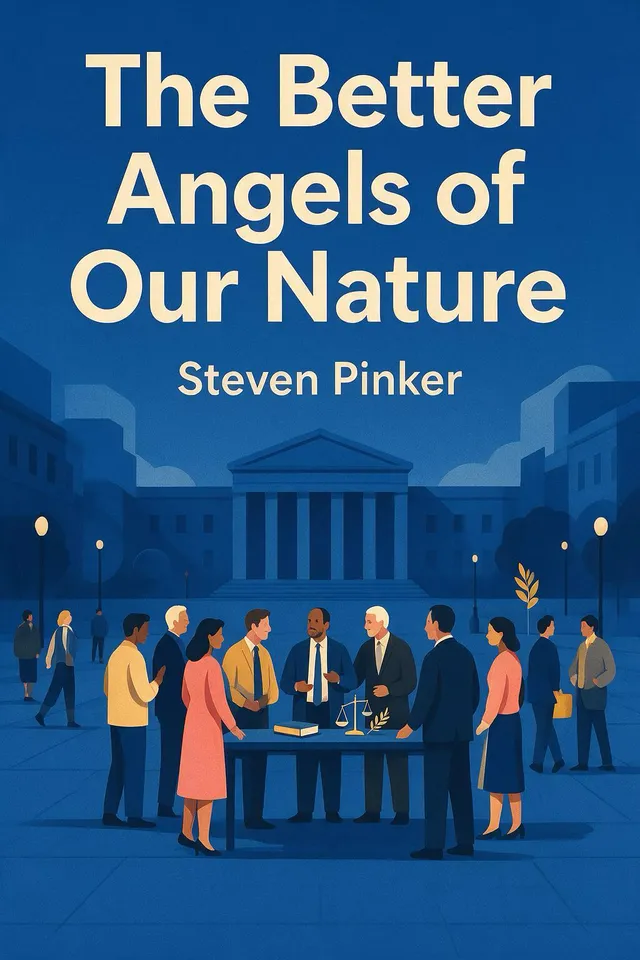
The Better Angels of Our Nature
Why has violence fallen across homicide, war, genocide, terrorism, and everyday life? Pinker combines historical records, quantitative comparisons, moral psychology, and institutional analysis to explain the decline, its reversals, and the fragile forces—law, commerce, empathy, reason, and expanding rights—that make peace possible.
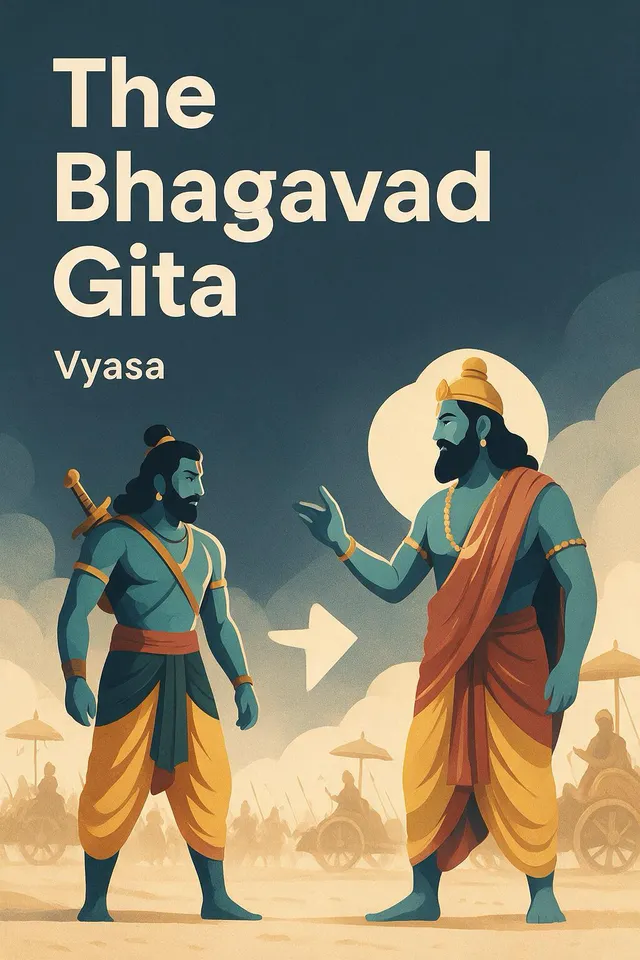
The Bhagavad Gita
On a battlefield, a warrior asks whether duty can be moral when it demands violence against kin. Krishna answers by joining a vision of the imperishable Self to disciplined action, meditation, devotion, and surrender. This summary traces how those paths address desire, suffering, and release from rebirth.
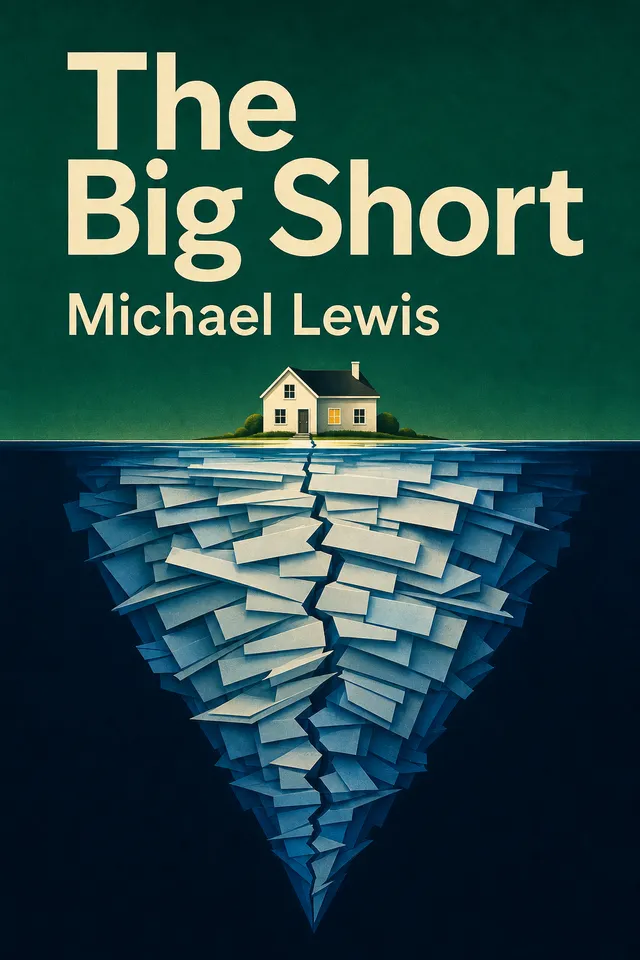
The Big Short
The Big Short traces how easy mortgage credit, opaque securitization, flawed ratings, and misaligned incentives turned a housing boom into a systemic financial gamble—and follows the few investors who recognized the danger early. It shows how to test consensus, models, collateral, incentives, and counterparties when apparent safety may be manufactured.
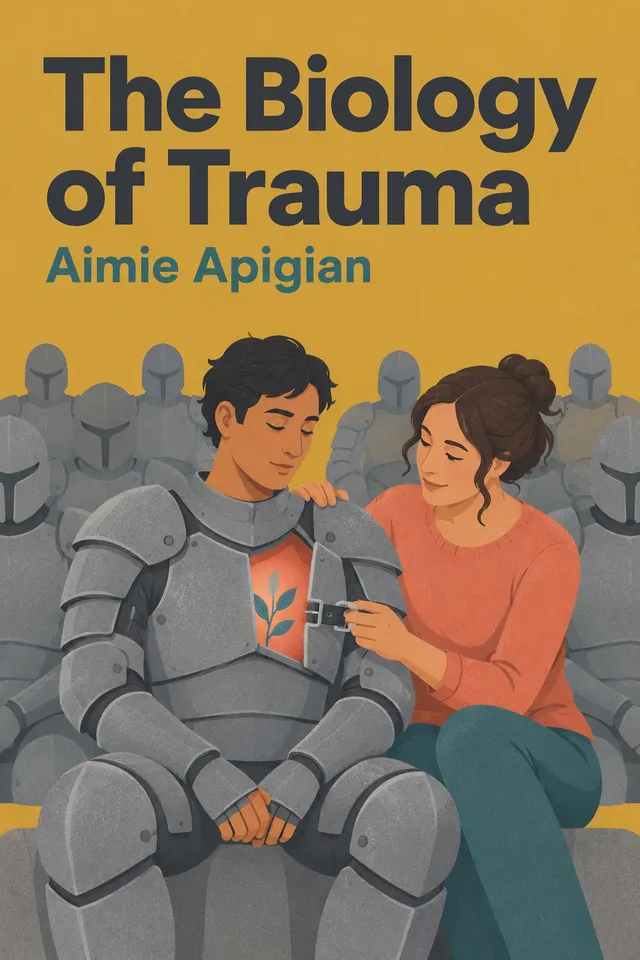
The Biology of Trauma
The Biology of Trauma asks how overwhelming experiences become lasting bodily patterns, and what helps the body recover. Aimie Apigian connects protective responses with nervous-system states, cellular and organ-system changes, attachment, and chronic symptoms, then offers a paced path through safety, support, and expansion.