Books worth understanding, not just finishing.
Explore 987 carefully structured book summaries. Discover the central ideas and themes, then decide what deserves a full read.
All book summaries
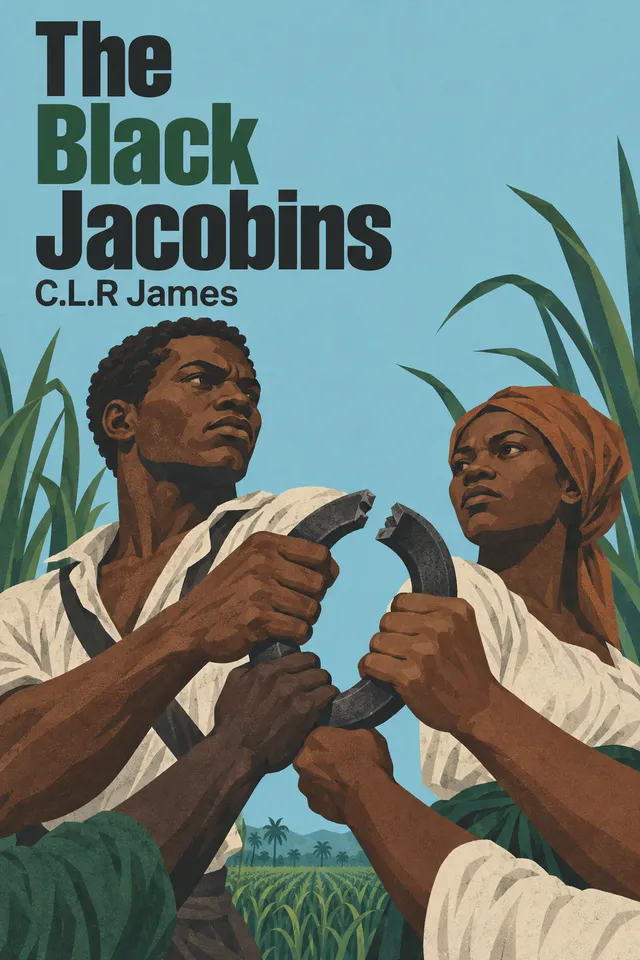
The Black Jacobins
C.L.R. James traces how enslaved people in San Domingo turned colonial crisis into a struggle for freedom and independence, with Toussaint Louverture as an extraordinary but historically situated leader. The book asks how emancipation was organized, contested, and defended, and connects that history to later Caribbean debates about political agency and self-determination.
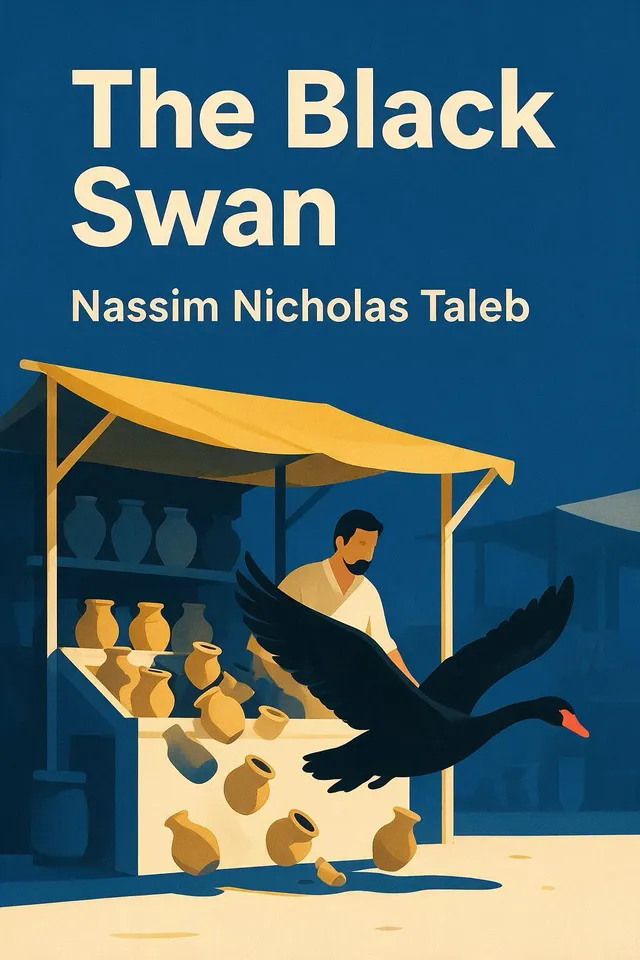
The Black Swan
The Black Swan asks why rare, high-impact events dominate history, markets, careers, and knowledge while hindsight makes them seem predictable. It examines induction, narrative distortion, silent evidence, expert failure, and fragile models, then develops a practical response to opaque uncertainty: limit catastrophic downside, preserve room for favorable surprises, and act with calibrated humility.

The Blank Slate
The Blank Slate asks whether human beings are formed entirely by culture or possess an evolved, flexible mental nature. Pinker connects genes, brains, learning, and culture, then tests what that view means for equality, morality, politics, violence, family life, and art—offering a way to defend humane values without denying human limits.
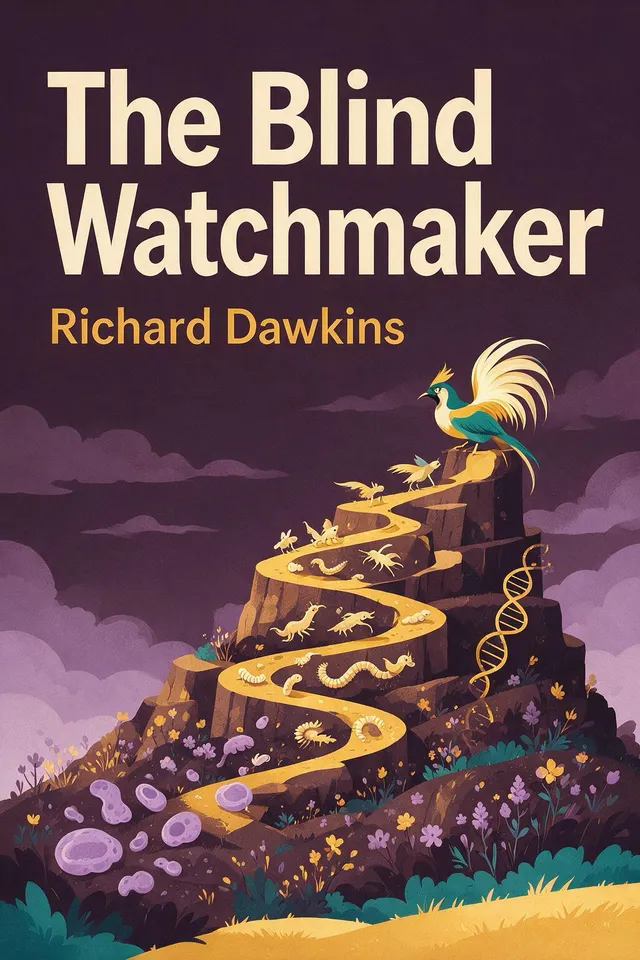
The Blind Watchmaker
How can living things look engineered if no engineer designed them? Richard Dawkins traces cumulative natural selection from inherited variation and viable intermediates to genes, origins, arms races, development, and common descent, showing how blind processes can produce adaptive complexity and offering a framework for judging rival explanations.
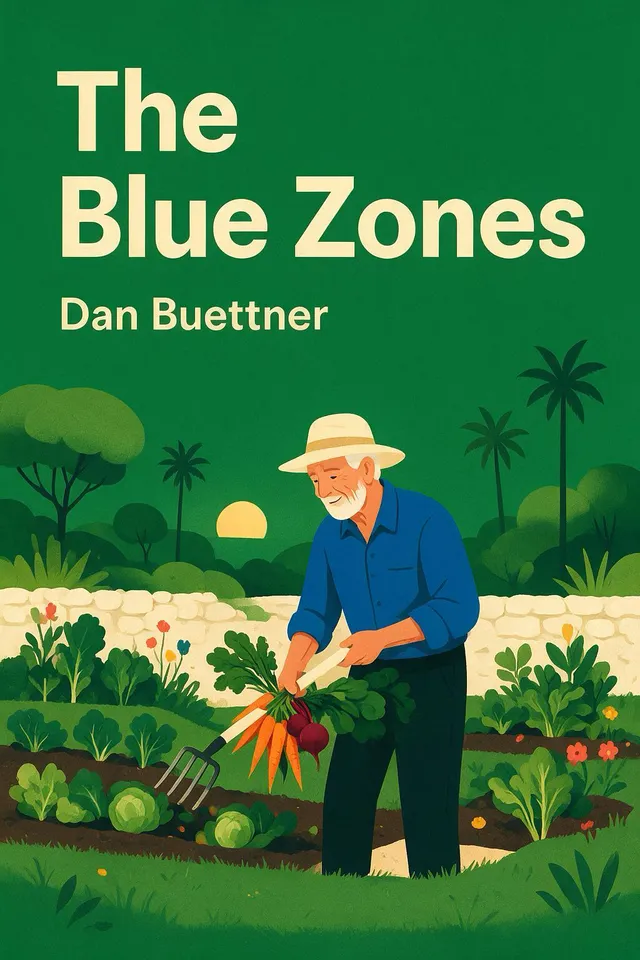
The Blue Zones
The Blue Zones investigates why Sardinia, Okinawa, Loma Linda, and Costa Rica’s Nicoya Peninsula produced unusually long-lived populations. It asks what their food, movement, purpose, faith, family, and social ties can teach about extending healthy, independent years—and how to adapt those patterns without mistaking association for proof.
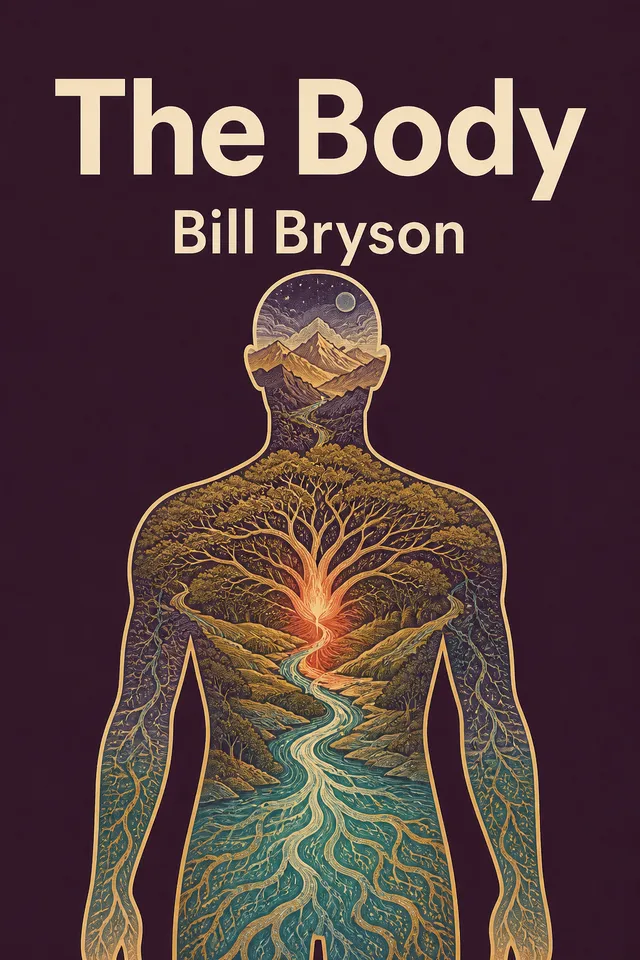
The Body
The Body asks how ordinary matter becomes a living, thinking, aging human—and why evolution leaves that achievement both exquisitely coordinated and full of awkward vulnerabilities. It links cells, microbes, organs, reproduction, disease, and medical practice into a single account of what the body can regulate, what medicine can repair, and what remains uncertain.

The Body Keeps the Score
The Body Keeps the Score examines how overwhelming experience can remain active in the brain, body, memory, relationships, and development long after danger ends. It asks what trauma does to a person—and what helps restore safety, agency, connection, and a livable present through language, embodied practice, therapy, and community.
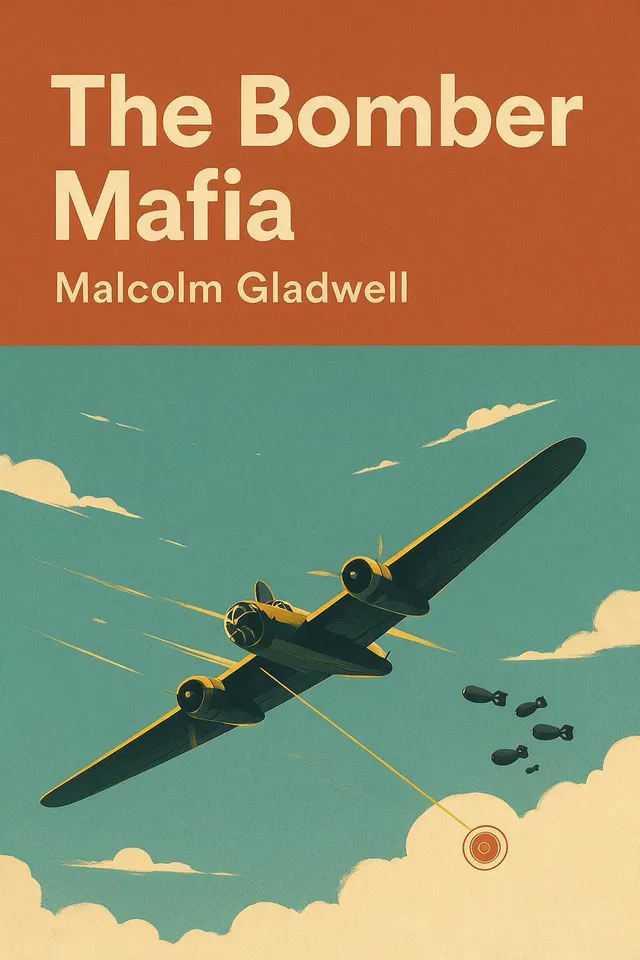
The Bomber Mafia
The Bomber Mafia follows the dream that aircraft and precision technology could make war faster, more selective, and less deadly. It asks what happens when that dream meets weather, machinery, institutions, and human judgment—and offers a way to think about the gains of precision alongside the conscience required to restrain power.

The Book
Alan Watts asks whether a person is an isolated ego inside a body or an expression of the whole universe. He traces how attention, social conditioning, and language make separateness feel real, then explores what interdependence might mean for ecology, technology, conflict, and everyday life.
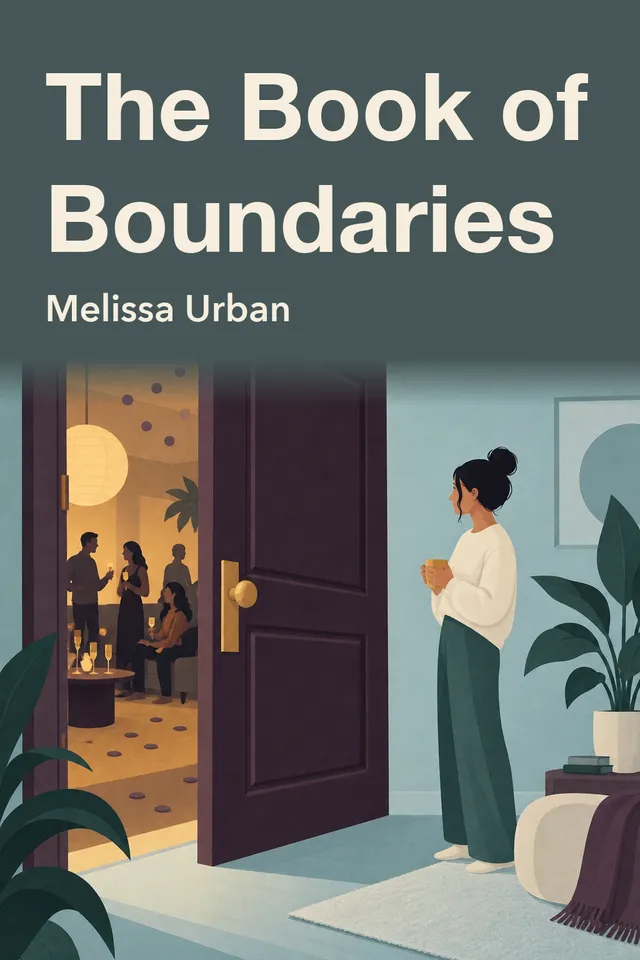
The Book of Boundaries
Boundaries are limits that protect safety, health, energy, and relationships by defining your response to another person’s behavior rather than controlling them. The book asks how to state and hold those limits, applying the practice to work, family, friendship, romance, co-parenting, food, sensitive conversations, and personal habits.
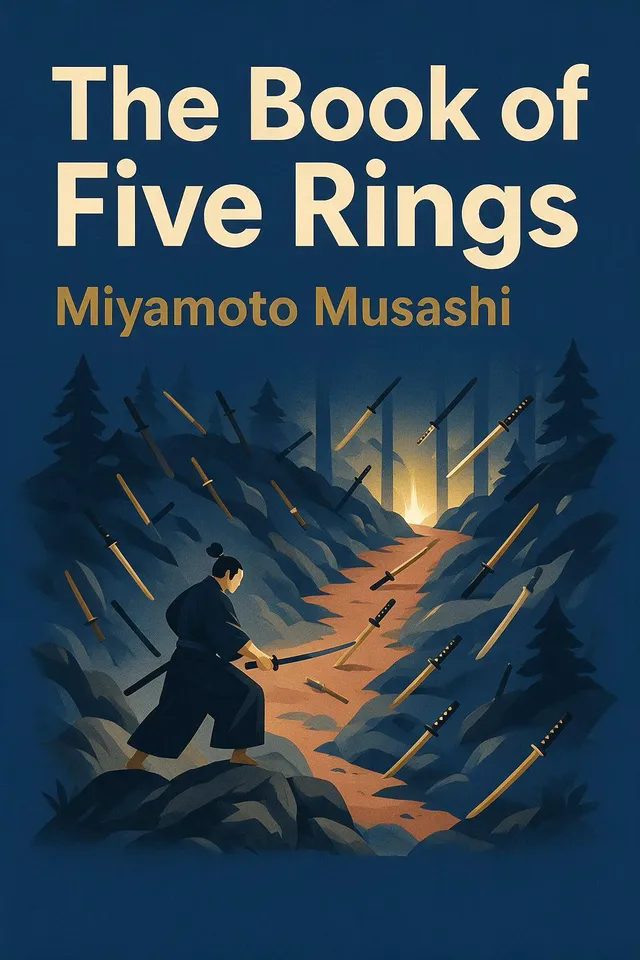
The Book of Five Rings
How does a warrior learn to act decisively when opponents, terrain, and timing keep changing? Musashi’s manual links swordsmanship to a wider Way of strategy: disciplined practice develops perception, bodily adaptability, initiative, and calm action, while comparison with rival schools and the Void clarify what mastery requires.
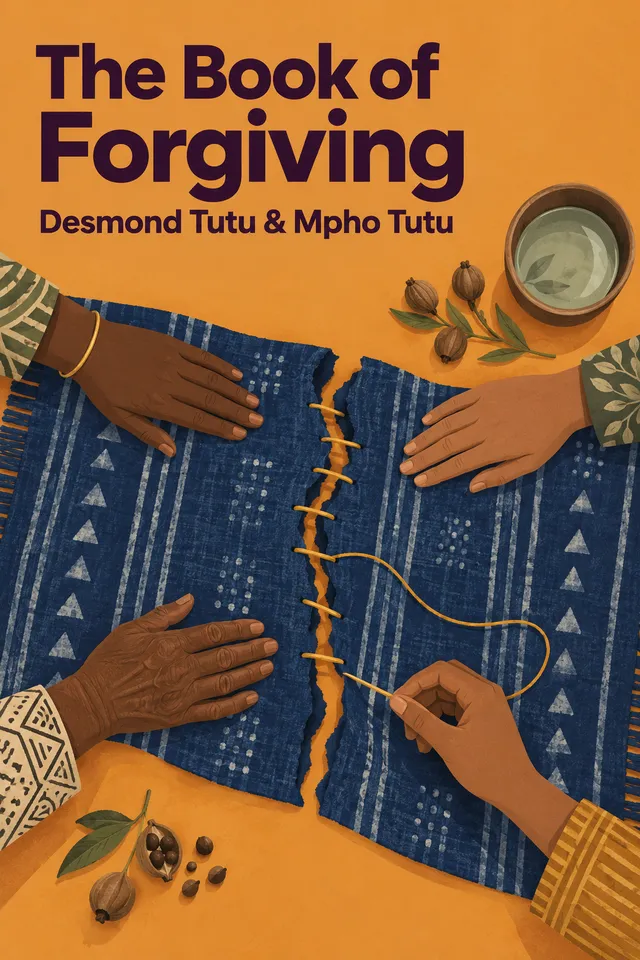
The Book of Forgiving
How can people face serious harm without letting resentment govern their future? Desmond and Mpho Tutu present a fourfold practice of telling the story, naming the hurt, granting forgiveness, and renewing or releasing relationships. Their approach connects personal healing with accountability, self-forgiveness, and the repair of communities.

The Book You Wish Your Parents Had Read (and Your Children Will Be Glad That You Did)
Philippa Perry’s relational guide to parenting asks how our own childhoods shape the way we respond to children, and how attention, emotional honesty, repair, boundaries, play, and respect can build security from pregnancy through adulthood. Its value lies in replacing perfectionism with practical ways to understand and reconnect.
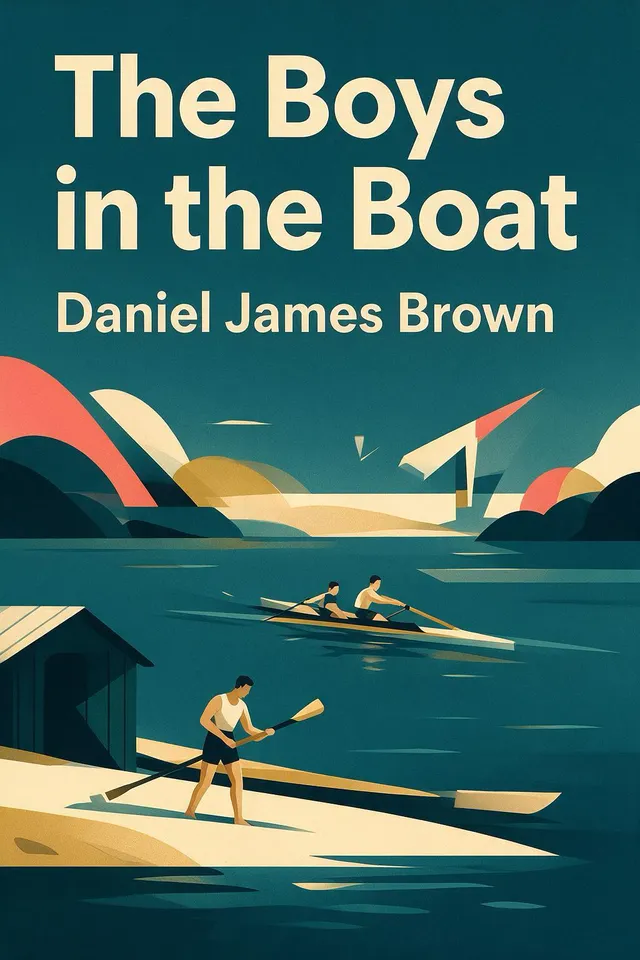
The Boys in the Boat
Daniel James Brown’s account follows Joe Rantz and the University of Washington crew from Depression-era insecurity to the 1936 Berlin Olympic final. It asks how separate, unequal individuals become one boat—and what that victory means when the Games are staged by a dictatorship.
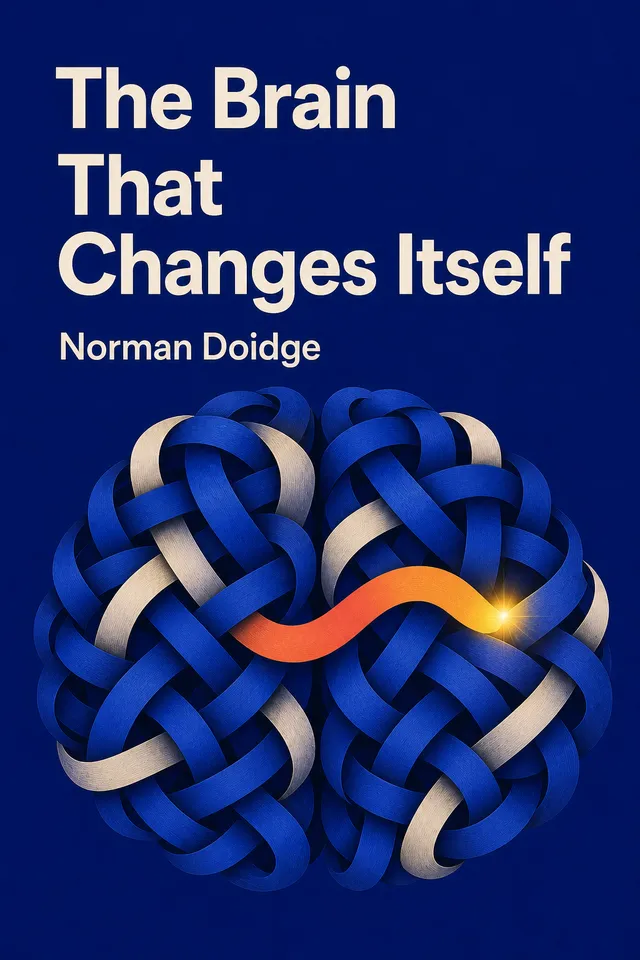
The Brain That Changes Itself
The Brain That Changes Itself asks whether the adult brain is fixed or continually remade by experience. Through cases of sensory substitution, learning, addiction, injury, pain, therapy, aging, and culture, it shows how practice can restore or redirect function—and how the same plasticity can entrench harmful habits and uneven trade-offs.
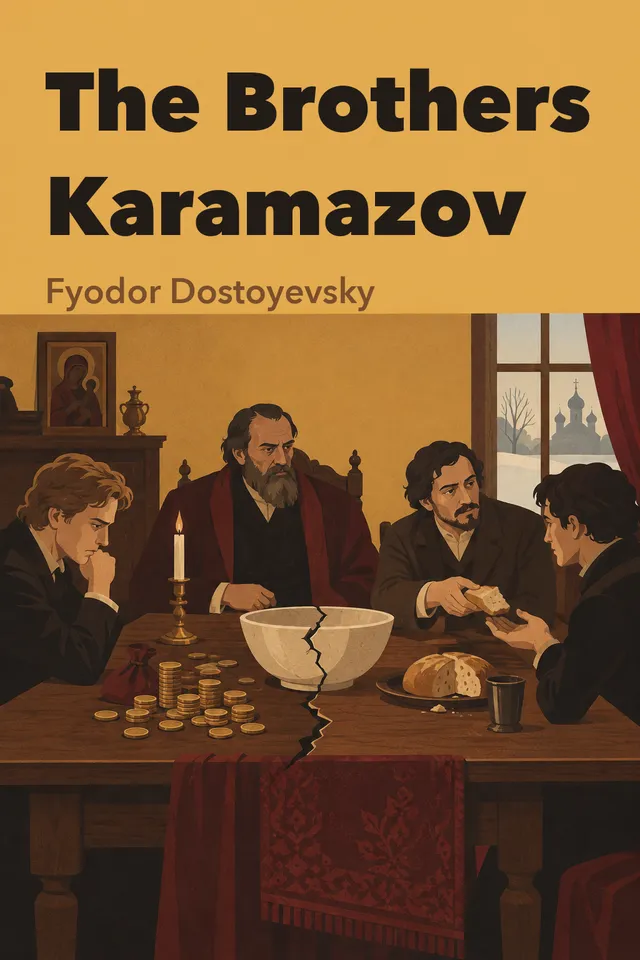
The Brothers Karamazov
The Brothers Karamazov follows a fractured family from neglect and inheritance disputes into a murder accusation and trial. Through Alyosha’s faith, Ivan’s refusal to accept suffering, and Dmitri’s struggle with desire and guilt, it asks what can justify belief, responsibility, and forgiveness—and how love becomes action.
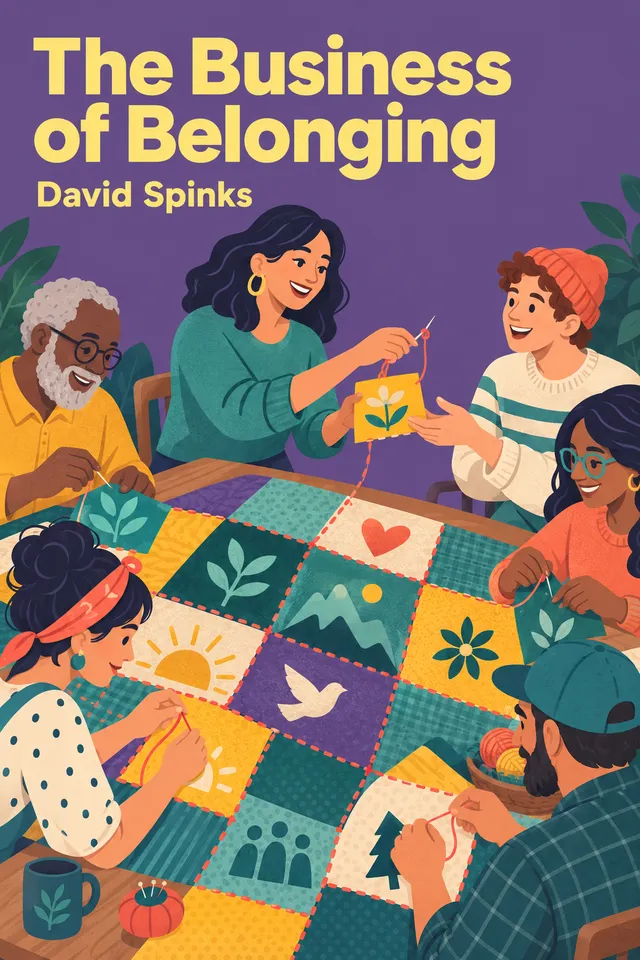
The Business of Belonging
David Spinks argues that community can create real belonging and durable business value when organizations design for member identity, participation, and trust. This summary explains how to connect community goals to business outcomes, measure health without overstating causation, and build experiences that turn practical utility into lasting connection.

The Cactus and Snowflake at Work
The Cactus and Snowflake framework asks how different preferences shape judgment, communication, and collaboration at work and at home. Devora Zack presents a continuum rather than fixed types, then offers practical ways to question assumptions, adapt language and behavior, respond under stress, give feedback, and coordinate across different needs.