Books worth understanding, not just finishing.
Explore 987 carefully structured book summaries. Discover the central ideas and themes, then decide what deserves a full read.
All book summaries

The Call of the Wild and Free
Arment asks how families can give children a protected, curious childhood while guiding a serious education. She argues that homeschooling can adapt learning to relationships, readiness, and interests; addresses fears about socialization, credentials, rigor, and college; and offers flexible traditions, rhythms, and practices built around nature, stories, play, curiosity, and wonder.

The Celestine Prophecy
The Celestine Prophecy presents a shift from material preoccupation to a spiritual worldview built on synchronicity, energy, and conscious relationships. It asks how people can recognize controlling patterns, receive guidance through questions and coincidences, and contribute to a cooperative, ecologically attentive future. Its value is a framework linking personal habits with cultural change.
The CEO Next Door
The CEO Next Door asks which behaviors help leaders reach and succeed in the CEO role, and how those behaviors can be developed. Drawing on leadership research and executive cases, it connects decision-making, stakeholder engagement, reliability, and adaptation to career choices, executive transitions, team building, and board relationships.
The Challenger Sale
The Challenger Sale asks why some salespeople win complex B2B deals when relationship building alone no longer differentiates a supplier. It explains how reps can teach customers to see overlooked business problems, tailor insight to stakeholders, and guide decisions with constructive tension, then shows how organizations can coach and scale those behaviors.

The Charisma Myth
Can charisma be learned without changing your personality? Olivia Fox Cabane explains it through presence, power, and warmth. This summary explores methods for managing discomfort, developing attentive communication, and adapting influence to conversations, presentations, and conflict, while examining the responsibilities that come with being persuasive.

The Checklist Manifesto
The Checklist Manifesto examines how skilled teams can reliably apply what they know when complex work strains memory, attention, and coordination. Through examples from medicine, construction, aviation, crisis response, and investing, Gawande explains how brief checklists protect essential steps, prompt communication, and preserve room for professional judgment.

The Chemistry Book
The Chemistry Book follows chemistry from ancient craft and alchemy to modern work on molecules, materials, and energy. How do atoms combine, reactions proceed, and hidden structures become knowable? Through cases and experimental methods, it shows how chemical ideas shape medicine, industry, and living systems, while clarifying the hazards and unresolved limits that accompany chemical progress.
The China Study
The China Study follows T. Colin Campbell’s argument that chronic disease is shaped less by isolated nutrients or genetic fate than by whole dietary patterns. It traces his animal experiments, the China Study, and later disease evidence, then asks how readers can eat, judge uncertainty, and navigate institutions that shape nutrition advice.
The Coaching Habit
The Coaching Habit asks how managers can help people think and act more independently without becoming bottlenecks. It presents seven questions, habit-design techniques, and attentive listening practices for turning everyday conversations into clearer challenges, wiser choices, and learning.
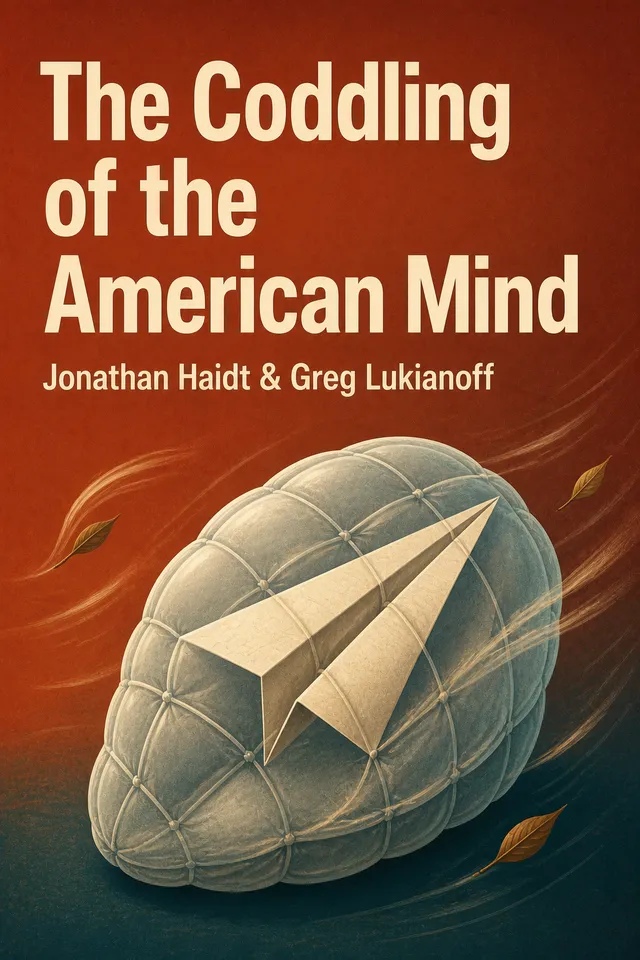
The Coddling of the American Mind
The Coddling of the American Mind asks how well-intentioned protection can weaken resilience, distort judgment, and narrow inquiry. It traces the authors’ three Great Untruths from childhood and mental health through campus conflict, then considers practical ways to restore freer play, viewpoint diversity, and productive disagreement.
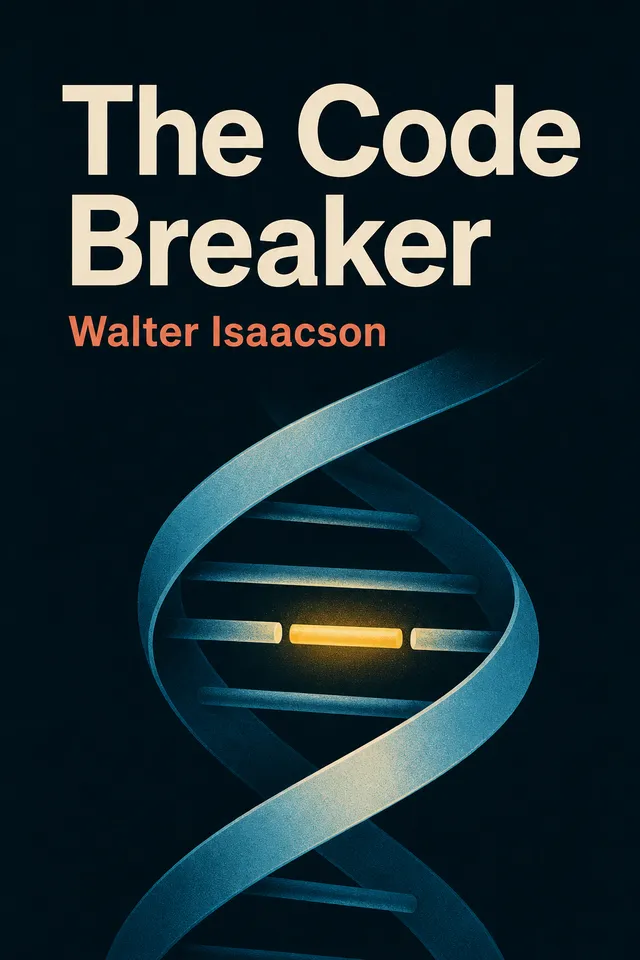
The Code Breaker
The Code Breaker traces how discoveries about DNA, RNA, and microbial immunity became CRISPR, a programmable system for editing genes and building diagnostics, therapies, and pandemic tools. It asks who should control a technology that can alter bodies, descendants, and society—and offers a way to think about evidence, limits, access, and collective responsibility.
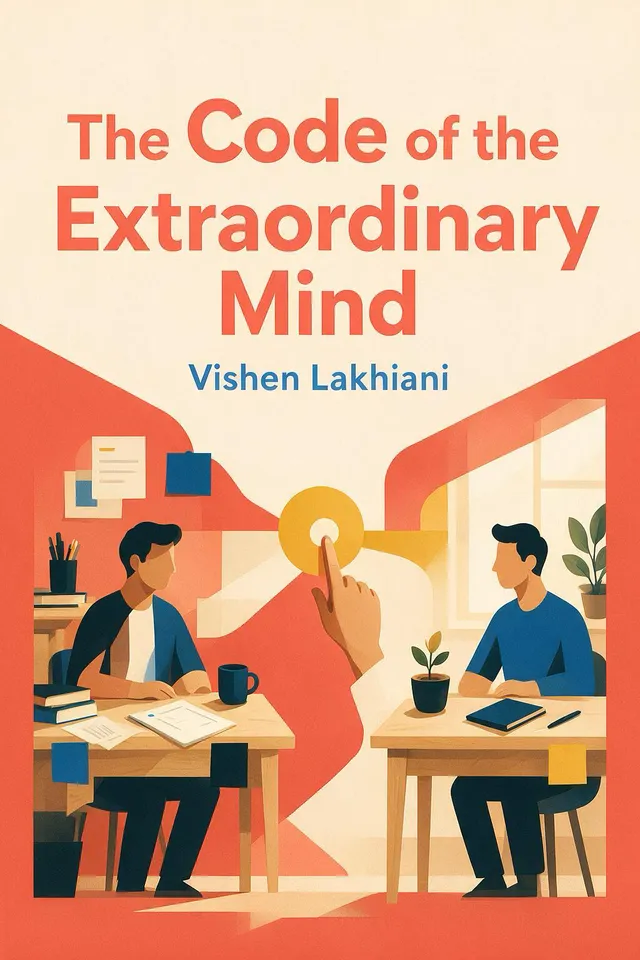
The Code of the Extraordinary Mind
Vishen Lakhiani’s framework asks how much of an ordinary life is inherited from culture—and how deliberately it can be redesigned. It moves from questioning social rules and rewriting beliefs and habits to cultivating present happiness, choosing meaningful goals, becoming resilient to judgment, and directing growth toward a personal quest.
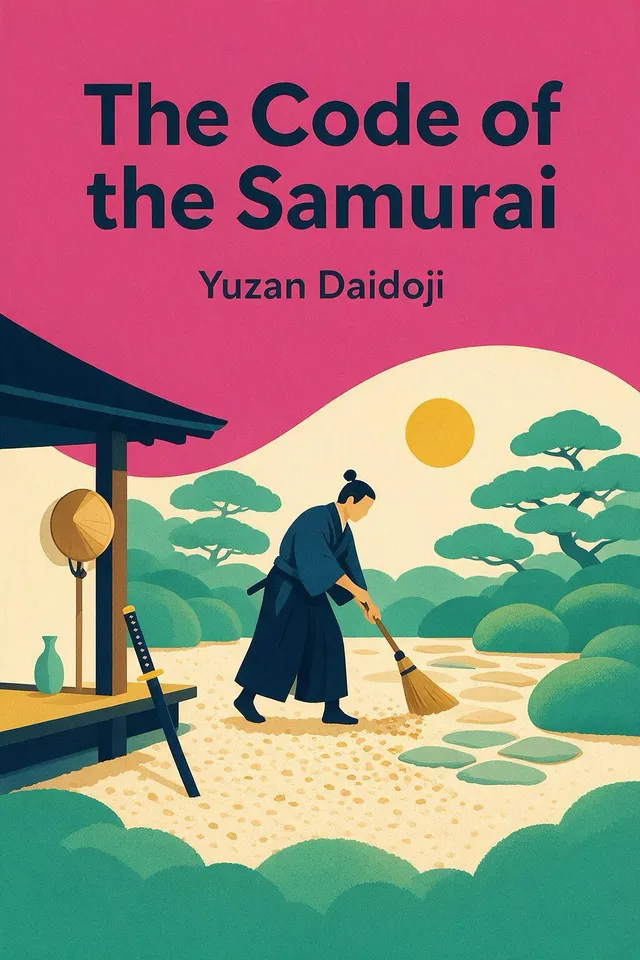
The Code of the Samurai
The Code of the Samurai asks what makes a warrior honorable when duty must govern every part of life. It connects remembrance of death with education, courage, courtesy, readiness, frugality, loyal service, institutional integrity, and restrained cultural refinement, showing how repeated conduct shapes character in war, peace, home, and public life.

The Cold War
This history asks how the wartime alliance between the United States and Soviet Union became a decades-long rivalry, and why it ended when it did. It follows competing security visions into Europe, Asia, and the decolonizing world to show how local struggles, nuclear danger, domestic change, and political choices shaped the conflict.

The Comfort Zone
Kristen Butler reframes the comfort zone as an individual base of safety and self-trust that can support purposeful growth. How can comfort make change sustainable? The book offers a staged process and exercises for clarifying needs, shaping a desired identity, and expanding through manageable steps.
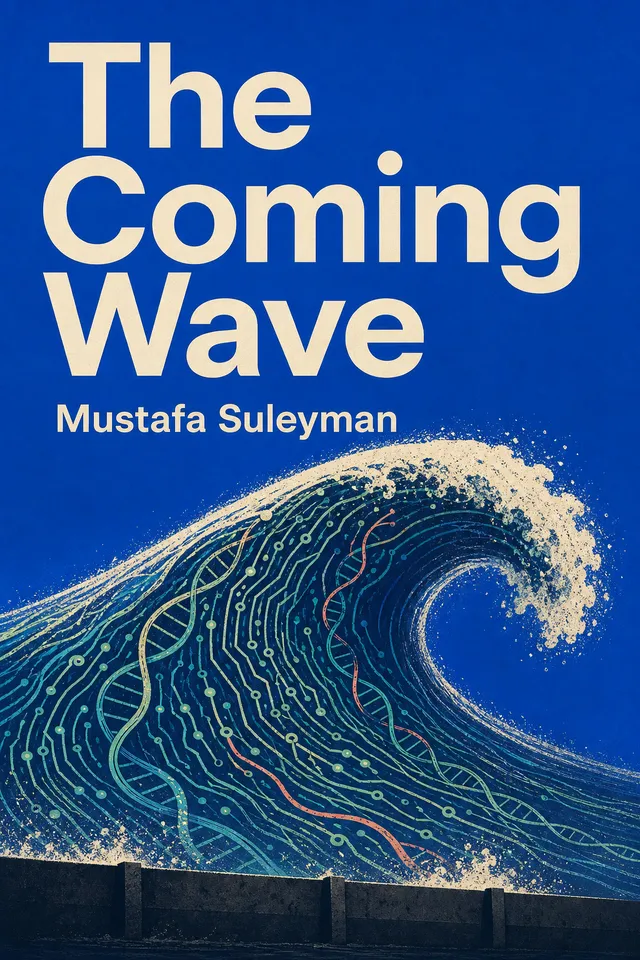
The Coming Wave
The Coming Wave examines AI, synthetic biology, and related technologies as they become more capable, cheaper, and easier to deploy. It asks how humanity can preserve their benefits while containing misuse, accidents, instability, and loss of control, offering a framework for understanding the technical, political, and institutional choices involved.
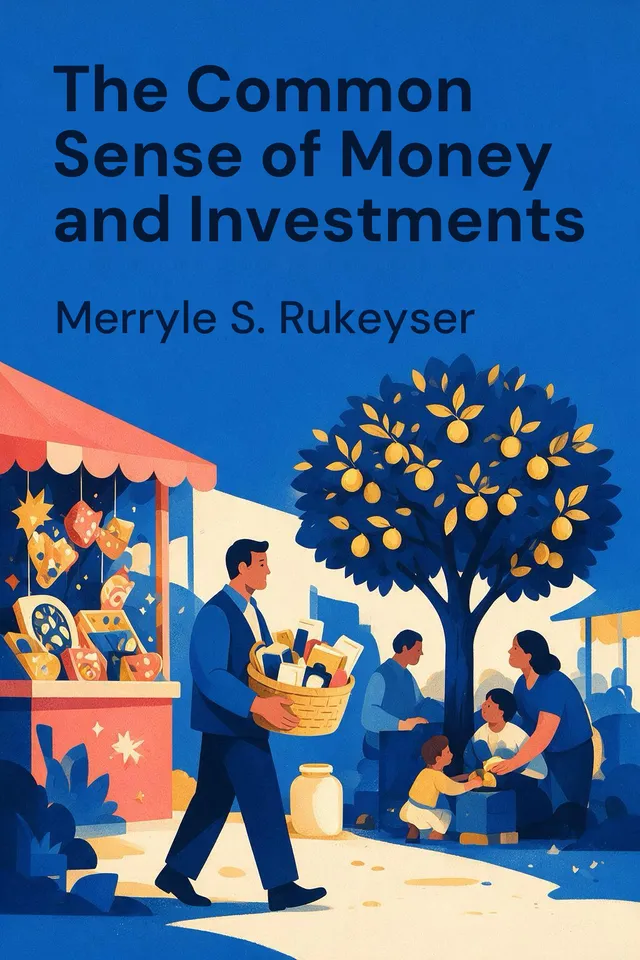
The Common Sense of Money and Investments
An accessible guide to making money serve ordinary life: how to save without mistaking stinginess for wisdom, choose securities by purpose and risk, protect dependents, read financial evidence, and resist seductive speculation. Its central question is how disciplined judgment can turn limited income into resilience without losing sight of human needs.
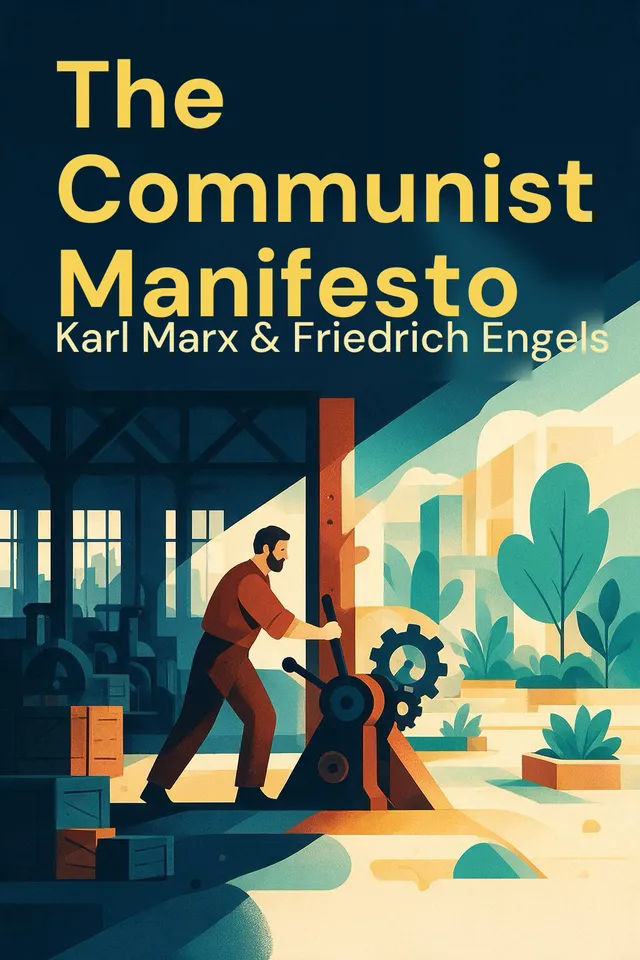
The Communist Manifesto
How does capitalism create both immense productive power and the class capable of challenging it? This audio-first summary traces historical materialism, bourgeois expansion, exploitation, crisis, proletarian organization, revolutionary transition, and communist freedom. It clarifies how diagnosis becomes political strategy and where the argument remains historically qualified.